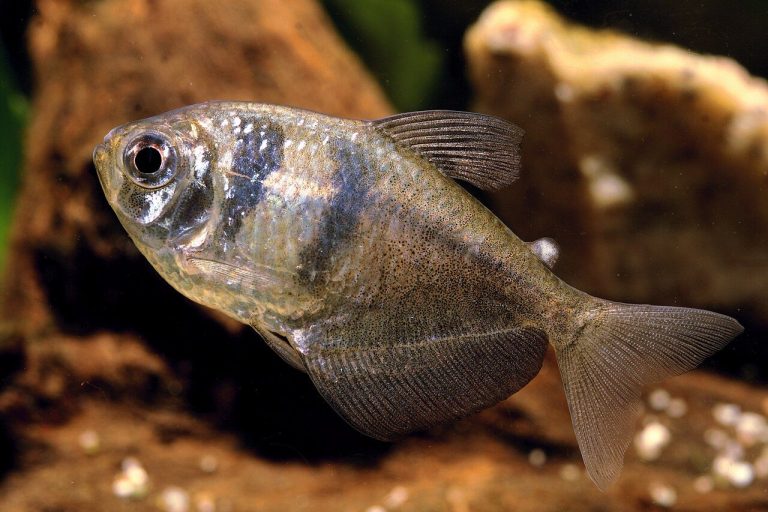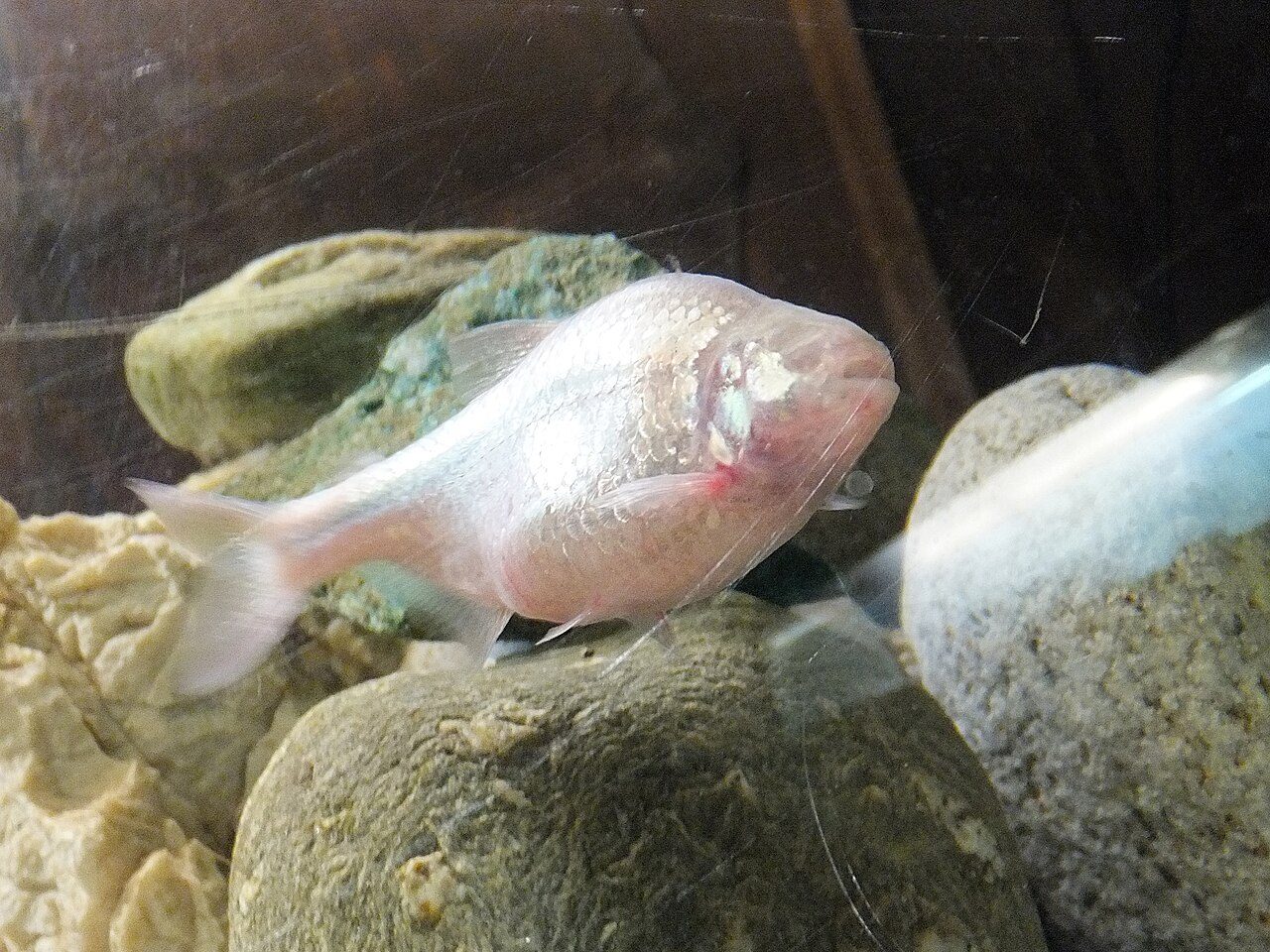
Blind Cave Tetra Disease / Dying / Stress Signs
Blind Cave Tetra stress signs include erratic swimming, rapid gill movement, and loss of appetite. Immediate water testing and checking for visible growths like white spots or fuzzy patches are essential for diagnosing disease and preventing death.
Keeping the unique Astyanax mexicanus is one of the most satisfying experiences a fish keeper can have. These unusual creatures have evolved to stay healthy in total darkness, relying on a highly developed sensory system rather than sight.
However, because they lack eyes, spotting Blind Cave Tetra disease / dying / stress signs can be slightly more challenging for the average hobbyist. In my 10 years of maintaining specialized characin setups, I have learned that their behavior tells a much deeper story than their appearance alone.
When these fish are healthy, they are active, curious, and surprisingly adept at handling their environment. When they begin to fail, the signs are often subtle at first but quickly escalate if the underlying cause is not addressed immediately.
At a glance: Blind cave tetra (Astyanax mexicanus)
- Temperature
- 68–77°F (20–25°C)
- Water pH
- 6.5–8.0
- Adult size
- 3.5 in (9 cm)
- Minimum tank
- 30 gal
- Group size
- Groups of 4+
- Temperament
- Peaceful to semi-aggressive
- Diet
- Omnivore: sinking pellets, flakes, frozen foods
- Lifespan
- 10–15 years
Keeper’s tip: They find food by smell and lateral line, so sinking foods spread across the floor work best.
Understanding Blind Cave Tetra disease / dying / stress signs for a Healthier Tank
To effectively manage the health of your Astyanax mexicanus, you must first understand how they interact with their world. Unlike other tetras that use visual cues to school or find food, these fish rely heavily on their lateral line mechanoreceptors.
These receptors allow them to “feel” vibrations and pressure changes in the water. When a fish is suffering from Blind Cave Tetra disease / dying / stress signs, this sensory system is often the first thing to be compromised.
If you notice your fish bumping into glass or decor they previously avoided, it is a major red flag. This often indicates that their neurological or sensory functions are being hindered by poor water quality or an internal infection.
Pro Tip: In my experience, the best way to test a Blind Cave Tetra’s sensory response is a “ghost feeding.” Drop a tiny bit of food in one corner and watch how quickly they orient toward it. A delayed or non-existent response is a primary indicator of high stress or early-stage illness.
Identifying Physical and Behavioral Stress Indicators
While you cannot look for “cloudy eyes” in a species that doesn’t have them, there are many other physical markers to watch for. A healthy Blind Cave Tetra should have a smooth, slightly translucent pinkish-white body.
One of the most common Blind Cave Tetra disease / dying / stress signs is a change in skin texture or color. If the fish appears “milky” or has patches of excess mucus, it is likely reacting to an irritant in the water or a bacterial pathogen.
| Stress Sign | Potential Cause | Action Required |
|---|---|---|
| Rapid Gilling | Low Oxygen or Ammonia | Increase aeration; 50% water change |
| Erratic Spinning | Swim Bladder Inflammation | Check diet; test water for Nitrates |
| Clamped Fins | General Stress / Parasites | Observe for Ich or Columnaris |
| Lethargy at Bottom | Systemic Infection / Dying | Isolate in quarantine tank |
Behavioral Shifts in the School
Blind Cave Tetras are naturally boisterous and can be somewhat “nippy” with one another. A sudden decrease in activity or a fish that separates itself from the group is often the first sign of trouble.
If a fish is hovering near the surface, it may be struggling with dissolved oxygen saturation. This is often caused by high water temperatures or a lack of surface agitation, which is critical for cave-dwelling species used to cooler, oxygen-rich environments.
Common Diseases Affecting Blind Cave Tetras
Even with the best care, pathogens can enter your aquarium through new plants, tank mates, or even live food. Understanding the specific diseases that target tetras is vital for timely intervention.
Many of these issues are similar to similar health issues in other species, but the lack of eyes can sometimes mask the early symptoms of facial infections.
Ichthyophthirius multifiliis (White Spot Disease)
Ich is a common parasite that presents as tiny white grains of salt on the body and fins. While it is easy to spot on their pinkish skin, it can quickly lead to osmoregulation failure if the gills become heavily infested.
Columnaris (Cotton Mouth)
Columnaris is a highly aggressive bacterial infection that often looks like white or grayish patches around the mouth or on the back. It does well in warmer water and can wipe out a colony of Astyanax mexicanus in just a few days if not treated with antibiotics.
Saprolegnia (Water Mold)
This fungal infection usually appears as fuzzy, cotton-like growths on the body. It typically targets fish that already have a compromised immune system or a physical injury from nipping or sharp decor.
Water Quality: The Foundation of Health
The most frequent cause of Blind Cave Tetra disease / dying / stress signs is a breakdown in the nitrogen cycle. These fish are relatively hardy, but they cannot withstand prolonged exposure to toxic waste.
Ammonia toxicity and Nitrite methemoglobinemia (brown blood disease) are silent killers. They damage the gills and prevent the fish’s blood from carrying oxygen, leading to a slow and painful death.
| Parameter | Ideal Range | Impact of High Levels |
|---|---|---|
| Ammonia | 0 ppm | Gill burning; immediate stress |
| Nitrite | 0 ppm | Suffocation; lethargy |
| Nitrate | < 20 ppm | Long-term immune suppression |
| Temperature | 68°F – 77°F | High temp lowers oxygen levels |
The Dangers of Swim Bladder Inflammation
If you notice your fish struggling to stay level or floating uncontrollably, they likely have swim bladder inflammation. This can be caused by bacterial infections or, more commonly, by swallowing air during feeding or poor-quality food.
Feeding a varied diet of high-quality nutrition can help prevent digestive issues that lead to swim bladder problems. I always recommend soaking dry pellets before adding them to the tank to ensure they sink and don’t contain trapped air.
Environmental Stressors and Tank Setup
Sometimes, Blind Cave Tetra disease / dying / stress signs aren’t caused by germs, but by the tank itself. Because these fish are blind, they are very sensitive to “cluttered” environments that don’t allow for smooth swimming paths.
Sharp rocks or plastic plants can cause physical lacerations. These small wounds often become entry points for Saprolegnia or other opportunistic fungi.
Pro Tip: When decorating for Blind Cave Tetras, use smooth river stones and driftwood. Avoid any decor with “holes” that are just large enough for a fish to get stuck in, as their lack of sight means they may swim into a tight spot and panic, leading to exhaustion or injury.
Tank Mates and Aggression
While they are often kept in species-only tanks, some keepers mix them with other variety of tetra species. However, the active nature of Blind Cave Tetras can stress out slower-moving fish, and vice versa.
If your tetras are being bullied, they will show stress signs like hiding behind the heater or filter intake. Constant harassment will lead to a weakened immune system, making them susceptible to any pathogen present in the water.
Treatment Protocols for Ailing Tetras
If you have confirmed that your fish are showing Blind Cave Tetra disease / dying / stress signs, you must act quickly. The first step is always a large water change to reduce the pathogen load and improve water quality.
Setting Up a Quarantine Tank
Never treat your main display tank if you can avoid it. Many medications can kill beneficial bacteria or harm sensitive plants and shrimp.
A simple 10-gallon tank with a sponge filter and a heater is perfect for a hospital setup. This allows you to monitor the fish closely and ensures they get the full concentration of the medication without it being absorbed by substrate or carbon filters.
Using Aquarium Salt
For mild cases of stress or external parasites, aquarium salt is a fantastic tool. It aids in osmoregulation and helps the fish produce a healthy slime coat.
I typically use 1 tablespoon per 5 gallons of water, but always dissolve it in a separate container first. Make sure you are using non-iodized aquarium salt specifically designed for fish.
Reader questions
Why is my Blind Cave Tetra swimming in circles?
This is usually a sign of a neurological issue or swim bladder inflammation. Check your water parameters immediately for high Nitrates and help the fish isn’t being bloated by its food.
Can Blind Cave Tetras recover from Ich?
Yes, they are quite resilient to Ich treatments. Raising the temperature slightly (to about 80°F) and using a copper-based or malachite green treatment usually clears the infestation within 10-14 days.
Why does my fish have red streaks on its fins?
Red streaks are a classic sign of Ammonia toxicity or a systemic bacterial infection like septicemia. Perform an immediate water change and consider using a broad-spectrum antibiotic in a quarantine tank.
How long do Blind Cave Tetras live if they are healthy?
With proper care and a stress-free environment, these fish can live for 5 to 7 years. Longevity is directly tied to consistent water quality and a diet that supports their high energy levels.
Do they need a heater?
Yes, while they can tolerate slightly cooler temperatures than some tropical fish, they flourish best in a stable environment between 70°F and 77°F. Fluctuating temperatures are a major cause of stress.
Conclusion: Ensuring a Long Life for Your Blind Fish
Detecting Blind Cave Tetra disease / dying / stress signs requires a keen eye and a deep understanding of their unique biology. If you focus on their movement, their gill rate, and their interaction with the school, you can catch problems before they become fatal.
Always keep in mind that prevention is the best medicine. Regular 25% weekly water changes, a high-quality diet, and a tank free of sharp edges will keep your Astyanax mexicanus healthy for years.
If you do encounter illness, don’t panic. Isolate the affected fish, diagnose the symptoms carefully using the tables provided, and treat with the appropriate medication. Your dedication to their care is what makes you a successful aquarist.

- 2003First tank
- 20+Years keeping
- 40+Tanks kept
- 0Sponsored picks
Howard set up his first 10-gallon planted tank in 2003 and lost half of it within six weeks. Two decades and more than forty aquariums later, he writes the guides he wished he had then: clear numbers, the reasons behind them, and what actually goes wrong in home tanks.