How To Care For A Tortoise At Home – A Comprehensive Guide
To care for a tortoise at home, you must provide a spacious, species-appropriate enclosure with a specific basking temperature gradient and UVB lighting spectrum. A varied, herbivorous diet rich in calcium, along with daily fresh water and regular enclosure cleaning, are essential for their long-term health and well-being.
Welcome to “Successful Aquarium,” your trusted resource for nurturing rich aquatic life. While our name suggests a focus on fish and shrimp, we understand that true animal enthusiasts often extend their passion to other unique creatures. Today, we’re diving into a topic close to many reptile lovers’ hearts: how to care for a tortoise at home. These remarkable, long-lived reptiles bring a unique charm to any household, but their specific needs are often underestimated.
Caring for a tortoise is a significant commitment. It requires understanding their distinct biological requirements, which are vastly different from those of fish or even aquatic turtles. With over a decade of experience in animal husbandry, I’ve learned that success hinges on careful planning and consistent care.
At a glance: Tortoises (general) (Family Testudinidae)
- Temperature
- Basking 90–100°F by species
- Adult size
- 4–30 in shell by species
- Enclosure
- Large enclosure or outdoor pen
- Group size
- Usually alone
- Temperament
- Docile
- Diet
- Herbivores: weeds, grasses, leafy greens
- Lifespan
- 40–100+ years
Keeper’s tip: UVB lighting and calcium are essential for healthy shell growth in indoor tortoises.
Understanding Your Tortoise: More Than Just a “Pet Rock”
Tortoises are terrestrial reptiles, meaning they live on land, unlike their semi-aquatic or fully aquatic turtle cousins. This fundamental difference dictates nearly every aspect of their care. They are known for their sturdy shells, slow movements, and incredibly long lifespans, often living for many decades.
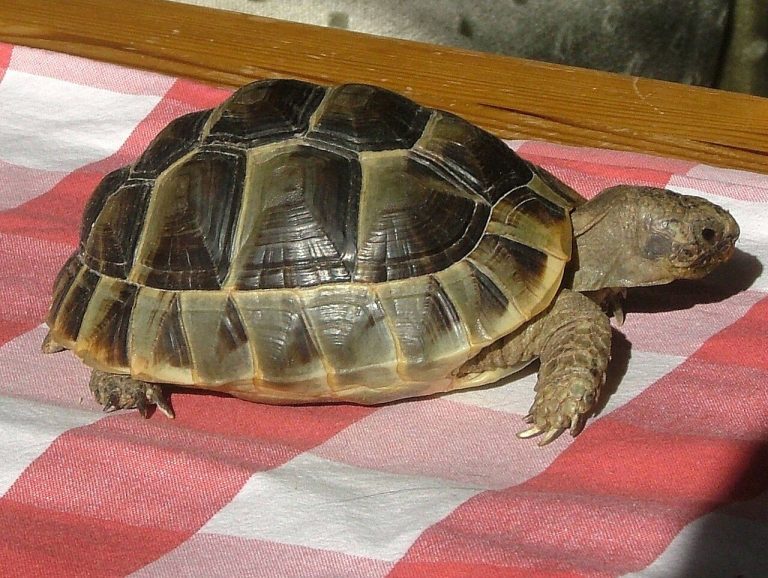
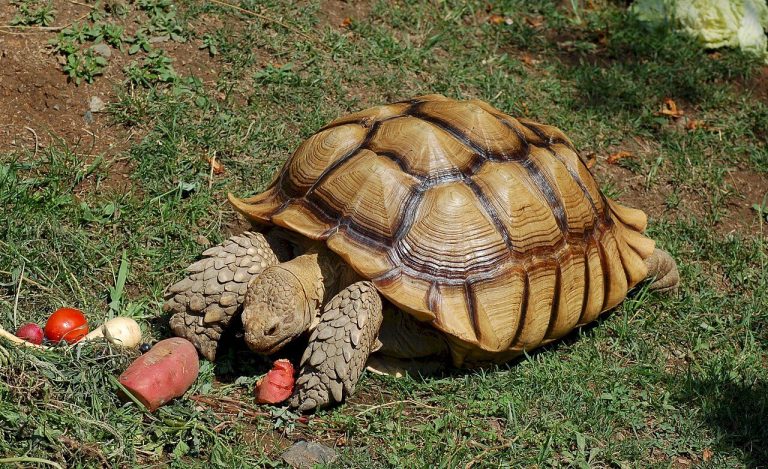
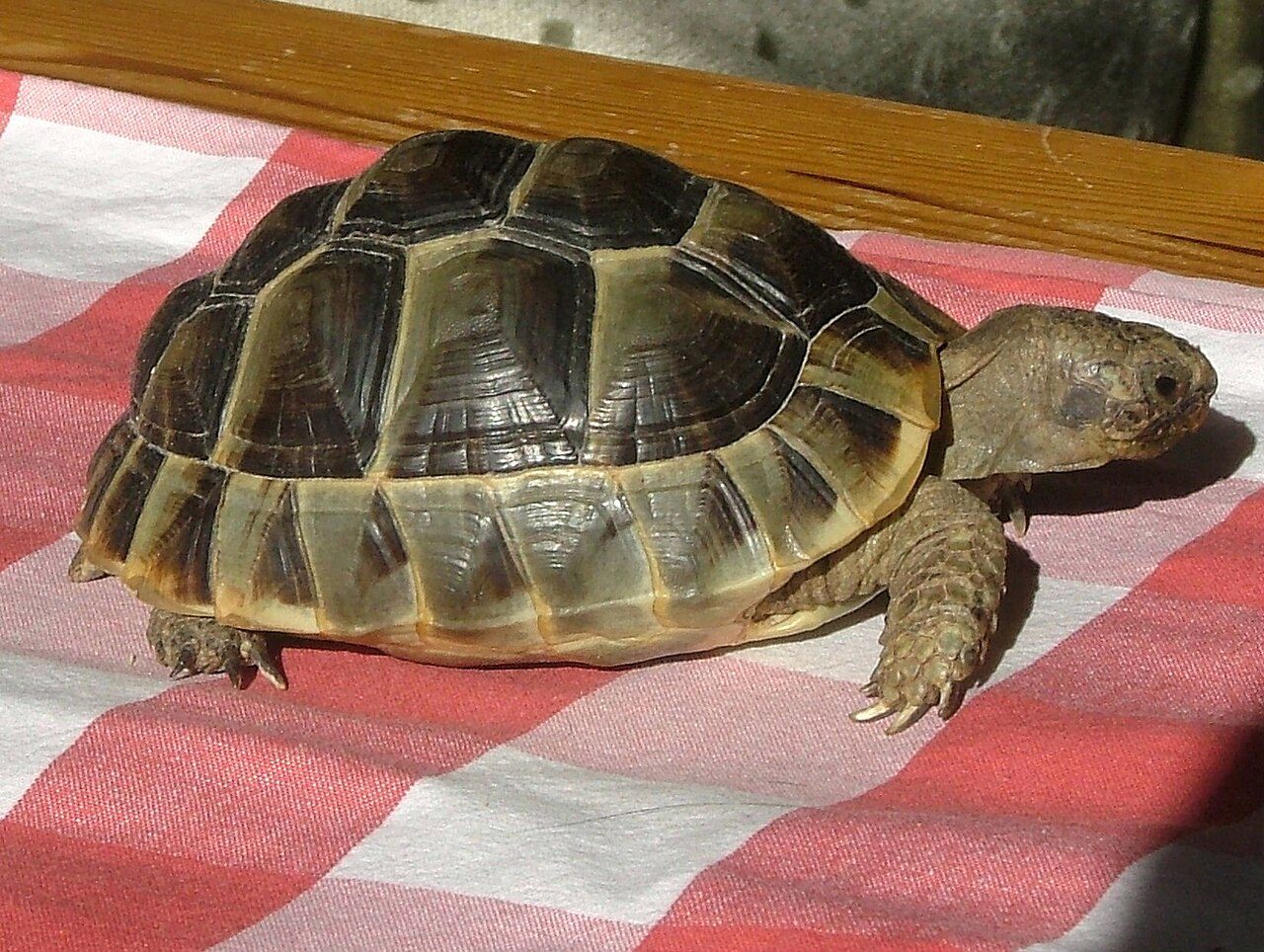
Before you even consider bringing one home, it’s essential to research specific tortoise species identification. Each species has unique requirements regarding size, diet, temperature, and humidity. A Hermann’s tortoise, for instance, has very different needs from a Sulcata tortoise habitat, which can grow to immense sizes.
Why Tortoises Aren’t Fish (and Why it Matters)
In the aquarium world, we carefully manage water parameters, filtration, and aquatic plant species. For tortoises, the focus shifts entirely to terrestrial conditions. There’s no need for a water filtration system, and while they need hydration, they certainly don’t live in water.
Misunderstanding this can lead to serious health issues. For example, applying “aquatic turtle substrate” principles to a terrestrial tortoise would be disastrous.
Designing the Ideal Habitat: The Foundation of Good Care
The enclosure is the single most critical element when you are figuring out how to care for a tortoise at home. It must be spacious, secure, and designed to replicate their natural environment as closely as possible. Forget small tanks; tortoises need room to roam, graze, and burrow.
For most common pet species, a “tortoise table” or a custom-built pen is far superior to a glass aquarium. Aquariums, especially smaller ones, restrict airflow and can lead to humidity issues.
Enclosure Size and Type
The size of the enclosure depends entirely on the adult size of your chosen tortoise species. A tiny baby will grow. Plan for the adult size from the start to avoid constant upgrades.
| Tortoise Species (Adult Size) | Minimum Enclosure Size (Indoor) | Key Dietary Notes |
|---|---|---|
| Hermann’s Tortoise (6-10 inches) | 4 ft x 2 ft (or larger) | Mainly weeds, leafy greens, small amounts of fruit (sparingly) |
| Russian Tortoise (5-8 inches) | 4 ft x 2 ft (or larger) | Weeds, grasses, some commercial tortoise food |
| Sulcata Tortoise (24-30+ inches) | 8 ft x 8 ft (juvenile); outdoor pen essential for adults | High fiber grasses, hay, leafy greens (very little fruit) |
| Leopard Tortoise (12-24 inches) | 6 ft x 4 ft (juvenile); large outdoor pen for adults | Grasses, hay, weeds |
Outdoor enclosures are often ideal for larger species and in appropriate climates. They provide natural sunlight, varied terrain, and ample space for grazing. Ensure it’s predator-proof and escape-proof.
Substrate Choices
The substrate provides cushioning, helps maintain humidity, and allows for natural burrowing behaviors. Good options include cypress mulch, coco coir, sphagnum moss, or a mix of topsoil and play sand. Avoid anything too dusty, aromatic, or overly fine that could be inhaled.
I’ve noticed that depth is key; aim for at least 4-6 inches, more for burrowing species like the Russian tortoise. This allows them to regulate their own temperature and humidity by digging.
Lighting and Heating: Mimicking the Sun
Tortoises are ectothermic, relying on external sources for body heat. They require a specific basking temperature gradient and a full UVB lighting spectrum.
- Basking Spot: Provide a heat lamp that creates a basking spot between 90-100°F (32-38°C), depending on the species. The ambient temperature in the cooler areas of the enclosure should range from 75-85°F (24-29°C). Use a thermometer to monitor this closely.
- UVB Light: This is non-negotiable. UVB rays are essential for tortoises to synthesize Vitamin D3, which enables them to absorb calcium from their diet. Without proper UVB, they can develop metabolic bone disease, a debilitating condition. Choose a high-quality UVB bulb (e.g., 10.0 or 12.0) and replace it every 6-12 months, as UVB output degrades over time, even if the light still appears to be working.
Pro Tip: Always place your UVB bulb directly over the basking area. This mimics natural sun exposure, where a tortoise would bask to warm up and simultaneously absorb UVB rays. Also, make sure there’s no glass or plastic between the bulb and your tortoise, as these materials filter out beneficial UVB.
The Right Diet: Fueling a Long, Healthy Life
Diet is essential when learning how to care for a tortoise at home. Tortoises are primarily herbivores, and their diet should consist mostly of leafy greens, weeds, and grasses. Avoid fruits and high-protein foods, which can lead to pyramiding (abnormal shell growth) and other health problems.
What to Feed
- Staples: Dandelion greens, collard greens, turnip greens, mustard greens, endive, escarole, chicory, romaine lettuce (in moderation), spring mix (check ingredients for spinach/kale).
- Weeds: Dandelion flowers and leaves, plantain weed, clover, broadleaf weeds (make sure they are pesticide-free).
- Hay: Timothy hay or orchard grass hay should be offered daily, especially for species like Sulcatas and Leopards. It’s key for fiber.
- Occasional Treats (Very Sparingly): Small amounts of safe fruits like apple, melon, or berries. Only once a month or less.
- Commercial Tortoise Pellets: These can supplement the diet but should never be the primary food source. Choose high-quality, low-protein varieties.
Supplements
- Calcium Supplementation: A calcium carbonate supplement (without D3) should be dusted onto their food 3-5 times a week for adults, daily for growing juveniles. A cuttlebone can also be left in the enclosure for them to gnaw on as needed.
- Multivitamin: A reptile multivitamin (with D3) should be dusted onto food once or twice a week.
A proper UVB light helps them synthesize D3 naturally, but supplementation ensures they get enough, especially during winter months or if they don’t get ample outdoor time.
Hydration
Always provide a shallow, sturdy water dish with fresh water daily. Tortoises often drink and defecate in their water, so it needs frequent changing. In my experience, a good soak in shallow, lukewarm water a few times a week also helps with hydration, especially for younger tortoises or those in drier climates.
Maintaining a Healthy and Clean Environment
A clean environment is essential for preventing disease. This is where your aquarium maintenance skills can translate, albeit with different tools.
Daily and Weekly Cleaning
- Daily: Remove uneaten food and feces. Spot clean any soiled substrate.
- Weekly: Replace soiled substrate more thoroughly. Clean and disinfect food and water dishes.
- Monthly/Bi-monthly: Deep clean the entire enclosure. Remove all substrate, wipe down surfaces with a reptile-safe disinfectant, and allow to air dry completely before reintroducing the tortoise.
While we talk about “water change frequency” for fish, for tortoises, it’s about substrate replacement and overall enclosure hygiene.
Common Health Issues and Prevention
Even with the best care, tortoises can sometimes face health challenges. Recognizing signs of illness early is vital.
Respiratory Infections
Symptoms include bubbly nose discharge, wheezing, lethargy, and open-mouth breathing. Often caused by incorrect temperatures, humidity, or poor ventilation.
Shell Rot Treatment and Pyramiding
- Pyramiding: This is the most common sign of improper care, characterized by raised, pyramid-shaped scutes on the shell. It’s usually caused by a diet too high in protein or phosphorus, insufficient fiber, lack of proper humidity, or inadequate UVB. Once pyramiding occurs, it’s irreversible, but future growth can be corrected by adjusting care.
- Shell Rot: Appears as soft spots, pitting, or discolored areas on the shell. It’s often due to consistently damp or unsanitary conditions, or injuries that become infected. Early detection and veterinary care are vital.
Common Mistake: Overfeeding fruit or commercial kibble. While tempting, these foods are often too sugary and nutrient-imbalanced for tortoises. This can lead to digestive upset, obesity, and pyramiding. Stick to natural greens, weeds, and hay as the primary diet.
Other Issues
Look out for eye problems, lethargy, loss of appetite, or unusual lumps. Always consult a reptile veterinarian for any concerning symptoms.
Specific Tortoise Species Considerations
While the general principles of how to care for a tortoise at home apply, certain species have unique needs. For example, understanding winter care for your Sulcata tortoise is vital if you live in a colder climate. Similarly, caring for baby Sulcata tortoises requires even more attention to humidity and diet to prevent pyramiding.
Before acquiring any tortoise, research its specific requirements thoroughly. Consider its adult size, lifespan (some live 50+ years!), and specific environmental needs. Understanding the lifespan of these giants or even aging your Sulcata tortoise can give you a better perspective on the long-term commitment.
FAQ: Your Tortoise Care Questions Answered
Q: How often should I feed my tortoise?
A: Adult tortoises should generally be fed daily, offering a pile of food roughly the size of their shell. Juveniles can be fed slightly more frequently. Always ensure they have access to hay.
Q: Do tortoises need toys or enrichment?
A: Yes! While they may not play like a cat or dog, tortoises benefit from environmental enrichment. This can include varied terrain, rocks, logs, edible plants to browse, and opportunities to dig. Regularly rearranging their enclosure can also provide mental stimulation.
Q: Can I keep multiple tortoises together?
A: This depends heavily on the species, gender, and individual personalities. Some species can cohabitate peacefully, while others (especially males) can be territorial and aggressive. It’s often best to keep tortoises individually unless you have a very large enclosure and can monitor them closely.
Q: How long do tortoises live?
A: Many tortoise species are incredibly long-lived. Smaller species like the Russian tortoise might live 30-50 years, while larger species like Sulcatas and Aldabras can live 70-100+ years. This is why thorough research and commitment are so important.
Q: Is an outdoor enclosure always better?
A: If climate permits, a safe, predator-proof outdoor enclosure with natural sunlight and varied vegetation is often superior. It provides natural UVB, D3 synthesis, fresh air, and ample space for exercise and natural behaviors. However, indoor enclosures are necessary for colder climates or as a primary setup for smaller species.
Conclusion: A Rewarding Journey
Learning how to care for a tortoise at home is a journey that requires dedication, research, and a genuine love for these ancient reptiles. They offer a unique companionship and a interesting window into the natural world. If you provide a carefully designed habitat, a balanced diet, proper lighting, and consistent care, you can make sure your tortoise does well for many happy decades.
My experience has shown me that the effort invested in their well-being is richly rewarded with the quiet, enduring presence of a healthy, happy tortoise. They are not just pets; they are long-term commitments that deserve the best care you can provide.

- 2003First tank
- 20+Years keeping
- 40+Tanks kept
- 0Sponsored picks
Howard set up his first 10-gallon planted tank in 2003 and lost half of it within six weeks. Two decades and more than forty aquariums later, he writes the guides he wished he had then: clear numbers, the reasons behind them, and what actually goes wrong in home tanks.