How To Treat Tortoise Respiratory Infection At Home
To treat a tortoise respiratory infection at home, immediately raise enclosure temperatures to the mid-80s°F, provide daily warm shallow soaks for hydration, and ensure strict habitat hygiene. While these steps support recovery, most infections require professional veterinary diagnosis and antibiotics.
Seeing your tortoise struggle with a runny nose or labored breathing is a stressful experience for any keeper. Having spent over a decade maintaining diverse setups for both aquatic life and land-dwelling reptiles, I have learned that early intervention is the most critical factor in a successful recovery.
In my experience, respiratory issues are among the most common ailments seen in the hobby, often stemming from subtle environmental imbalances. Learning how to treat tortoise respiratory infection at home starts with understanding that your tortoise relies entirely on you to regulate its internal body temperature and immune response.
This guide will walk you through the immediate actions you can take to support your pet. We will cover environmental adjustments, supportive care techniques, and the specific signs that indicate it is time to seek professional help.
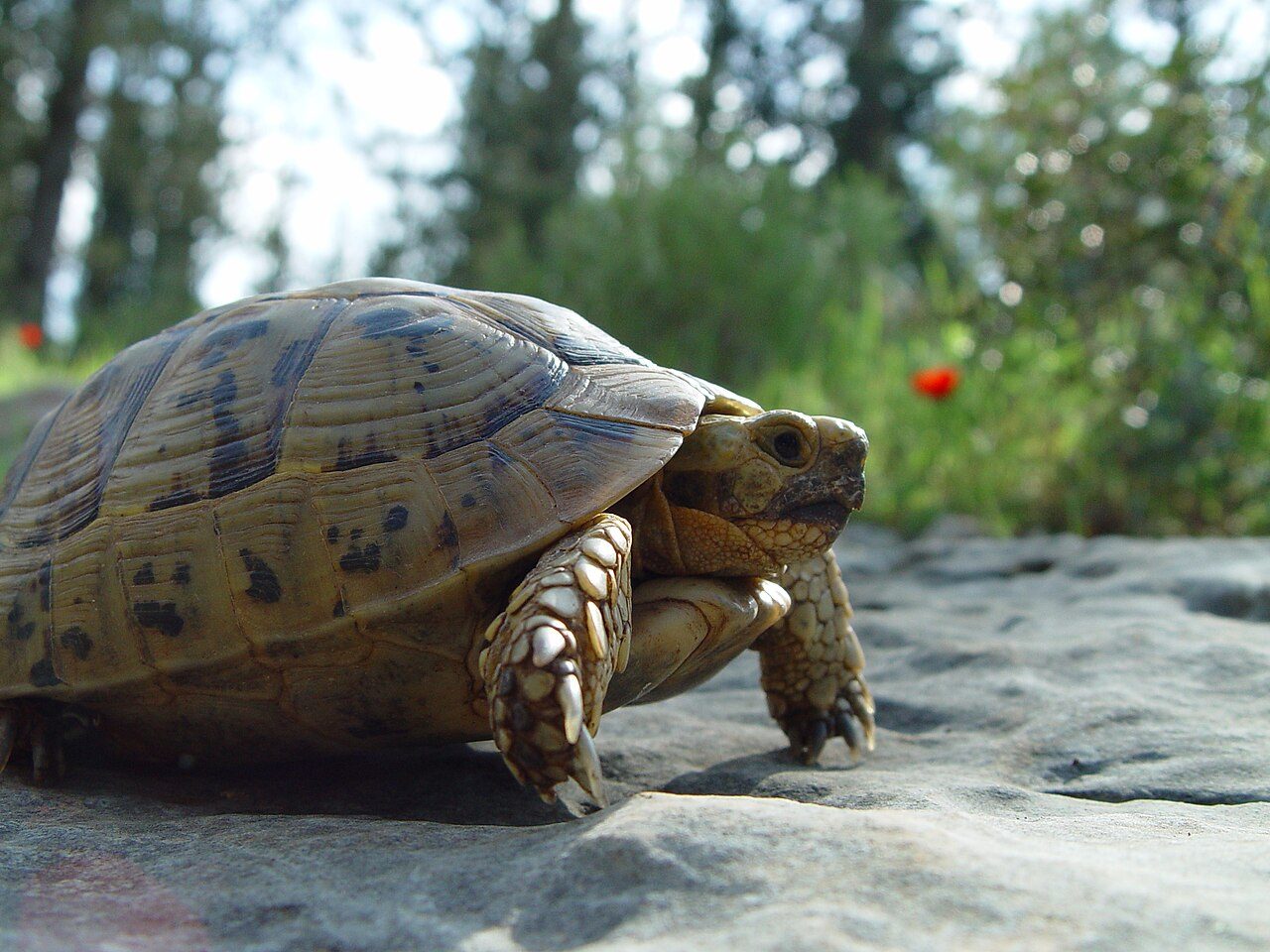
At a glance: Tortoises (general) (Family Testudinidae)
- Temperature
- Basking 90–100°F by species
- Adult size
- 4–30 in shell by species
- Enclosure
- Large enclosure or outdoor pen
- Group size
- Usually alone
- Temperament
- Docile
- Diet
- Herbivores: weeds, grasses, leafy greens
- Lifespan
- 40–100+ years
Keeper’s tip: UVB lighting and calcium are essential for healthy shell growth in indoor tortoises.
Recognizing the Symptoms of Respiratory Distress
Before you can begin treatment, you must accurately identify the problem. Tortoises are masters at hiding illness, a survival instinct from the wild, so by the time symptoms are visible, the infection may already be established.
Commonly referred to as Upper Respiratory Tract Disease (URTD), these infections often manifest through exudate, which is a medical term for the fluid or “bubbles” you might see coming from the nostrils. You may also notice your tortoise stretching its neck out and breathing with an open mouth, which is a sign of significant distress.
In many cases, a how to treat tortoise respiratory infection at home strategy begins with a thorough symptom check. If your tortoise is also showing signs of a identify and fix appetite loss, the infection may be progressing from the upper tract to the lungs, potentially leading to pneumonia.
| Symptom | Visual/Behavioral Cues | Urgency Level |
|---|---|---|
| Nasal Discharge | Clear bubbles or thick white mucus from the nose. | Moderate |
| Lethargy | Staying in the hide all day; no interest in basking. | High |
| Open-Mouth Breathing | Gasping or wheezing sounds while stretching the neck. | Critical |
| Swollen Eyes | Eyes are puffy, crusty, or remain closed during the day. | Moderate |
How to treat tortoise respiratory infection at home through Environmental Optimization
The most powerful tool you have for treating a chelonian at home is the enclosure itself. Because tortoises are ectothermic, their immune system is “temperature-dependent,” meaning it only functions at full capacity when the animal is warm enough.
When I first started keeping tortoises, I realized that even a slight drop in nighttime temperatures could trigger a “cold” in sensitive species. To combat an active infection, you must create a “fever” for your tortoise by raising the ambient temperature.
This process, known as thermoregulation, allows the tortoise’s body to fight off pathogens like Mycoplasma agassizii. You should aim to keep the coolest part of the enclosure no lower than 80°F (27°C) and provide a consistent basking zone gradient that reaches 95-100°F (35-38°C).
Pro Tip: Use a high-quality digital hygrometer and thermometer with probes. Analog “stick-on” dials are notoriously inaccurate and can lead you to believe your enclosure is warmer or more humid than it actually is, which stalls the healing process.
Adjusting Humidity and Air Quality
While warmth is vital, air quality is equally important. Dusty substrates, such as dry sand or fine wood shavings, can irritate the respiratory lining and worsen the infection.
If your tortoise is sick, consider switching to a “hospital setup” with damp paper towels or large-grade cypress mulch that doesn’t create dust. Make sure the humidity is appropriate for the species; for example, a how to take care of sulcata tortoise in winter requires different humidity levels than a Mediterranean species, but generally, avoiding bone-dry air is helpful during respiratory recovery.
Hydration and Supportive Soaking Techniques
Hydration is the backbone of any home treatment plan. When a tortoise has a respiratory infection, mucus thickens, making it harder for them to breathe and clear their airway.
Regular soaking helps thin these secretions and helps make sure the tortoise stays hydrated while its metabolic rate is increased by the higher temperatures. I recommend daily soaks in lukewarm water (about 85-90°F) for 15 to 20 minutes.
During these sessions, you can observe the tortoise closely. It is common for them to drink or even pass waste during a soak, which is a positive sign of metabolic activity. You can find more details on perfecting this technique in our guide on hydration and shell health.
Nutritional Support During Illness
A sick tortoise often loses its appetite, but maintaining energy levels is vital. If your tortoise is still eating, focus on high-nutrient greens dusted with a quality calcium and multivitamin supplement.
If they have stopped eating, you can try offering “smelly” favorites like radicchio or small amounts of fruit (if appropriate for the species) to jumpstart their interest. Ensuring a proper proper tortoise nutrition plan during this time provides the vitamins necessary for tissue repair.
Advanced Supportive Care: Nebulization and F10
If environmental tweaks and soaking aren’t showing immediate results, some advanced keepers utilize nebulization. This involves using a medical nebulizer to create a fine mist of water or a diluted veterinary disinfectant.
F10 Veterinary Disinfectant is a staple in the reptile community. When diluted correctly (usually 1:250 with sterile saline or distilled water), it can be used in a nebulizer to help kill pathogens directly within the respiratory tract.
To do this at home, place the tortoise in a small, ventilated plastic tub. Position the nebulizer hose so the mist fills the container, allowing the tortoise to breathe in the therapeutic vapors for 15-20 minutes, twice a day.
Pro Tip: Never use essential oils or human vapor rubs in a tortoise nebulizer. These contain phenols and camphor which are toxic to reptiles and can cause permanent lung damage or death.
When Home Treatment Requires Veterinary Intervention
It is important to be realistic about how to treat tortoise respiratory infection at home. While supportive care can cure mild “sniffles” caused by temporary chilling, deep-seated bacterial infections often require prescription medication.
If you do not see improvement within 48 to 72 hours of optimizing the environment, or if the tortoise becomes extremely lethargic, you must visit an exotic animal veterinarian. They may prescribe Enrofloxacin (commonly known as Baytril), a potent antibiotic effective against many reptilian pathogens.
A vet can also perform a “lung wash” or take a swab of the exudate to determine if the infection is bacterial, fungal, or viral. Attempting to treat a severe infection at home without professional diagnosis can lead to chronic Upper Respiratory Tract Disease, which may plague the animal for the rest of its life.
Preventing Future Respiratory Infections
Once your tortoise has recovered, your focus must shift to prevention. Most respiratory issues are “husbandry-related,” meaning they are caused by something in the environment that isn’t quite right.
1. Maintain the Thermal Gradient: Ensure there is always a warm spot and a cool spot. If a tortoise cannot move to a warmer area to boost its immune system, it becomes vulnerable.
2. Manage Stress: High stress lowers the immune system. Avoid over-handling and make sure the tortoise has plenty of secure hiding spots.
3. Quarantine New Arrivals: Many infections are brought in by new pets. Always quarantine a new tortoise for at least 90 days before introducing it to your existing group.
4. Cleanliness: Remove waste daily and perform a deep clean of the substrate every few months. Using F10 Veterinary Disinfectant for surface cleaning is an excellent way to keep pathogen loads low.
Reader questions
Can I use human cold medicine on my tortoise?
No. Human medications are formulated for mammals and can be extremely toxic to tortoises. Never administer any medication that hasn’t been specifically prescribed by a reptile veterinarian.
How long does it take for a tortoise to recover?
Recovery depends on the severity. With proper environmental adjustments, a mild infection may clear in 1-2 weeks. Severe cases involving antibiotics can take a month or longer.
Is a tortoise respiratory infection contagious?
Yes, many respiratory pathogens, especially Mycoplasma, are highly contagious among tortoises. If you have multiple animals, isolate the sick one immediately and disinfect all shared equipment.
Can low humidity cause bubbles in the nose?
Yes. While high humidity can sometimes encourage bacteria, extremely low humidity dries out the mucous membranes, leading to irritation and clear nasal discharge that can look like an infection.
Before you go
Understanding how to treat tortoise respiratory infection at home is a vital skill for any dedicated keeper. If you focus on “heat and hydration,” you provide your pet with the best possible chance to overcome the illness using its own natural defenses.
Your role is to be an observant caregiver. Monitor their behavior, keep their environment pristine, and do not hesitate to reach out to a professional if the symptoms persist.
With patience and the right environmental corrections, most tortoises can make a full recovery and go on to live long, healthy lives. Stay diligent, keep those temperatures up, and your shelled friend will likely be back to its normal self in no time.

- 2003First tank
- 20+Years keeping
- 40+Tanks kept
- 0Sponsored picks
Howard set up his first 10-gallon planted tank in 2003 and lost half of it within six weeks. Two decades and more than forty aquariums later, he writes the guides he wished he had then: clear numbers, the reasons behind them, and what actually goes wrong in home tanks.