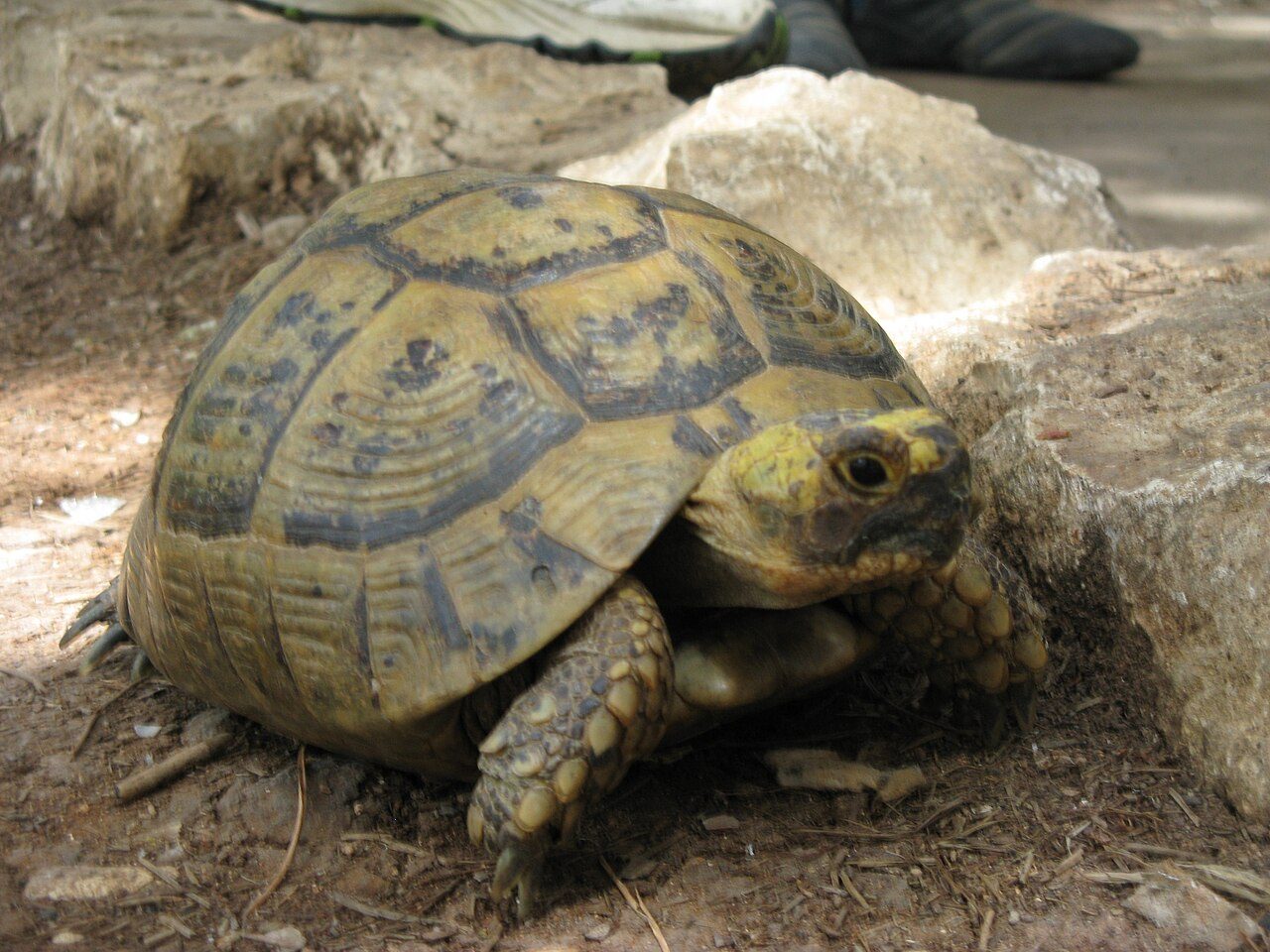
Russian Tortoise Not Eating – Causes and Fixes
If your Russian tortoise is not eating, it is usually due to improper enclosure temperatures, lack of UVB lighting, or early signs of brumation. Adjusting your husbandry and checking for respiratory issues is the first step toward recovery.
In my decade of keeping both aquatic and terrestrial species, I have learned that a sudden loss of appetite is the most common “red flag” a pet can give us.
Whether you are dealing with a picky eater or a complete hunger strike, seeing your russian tortoise not eating can be incredibly stressful for any keeper.
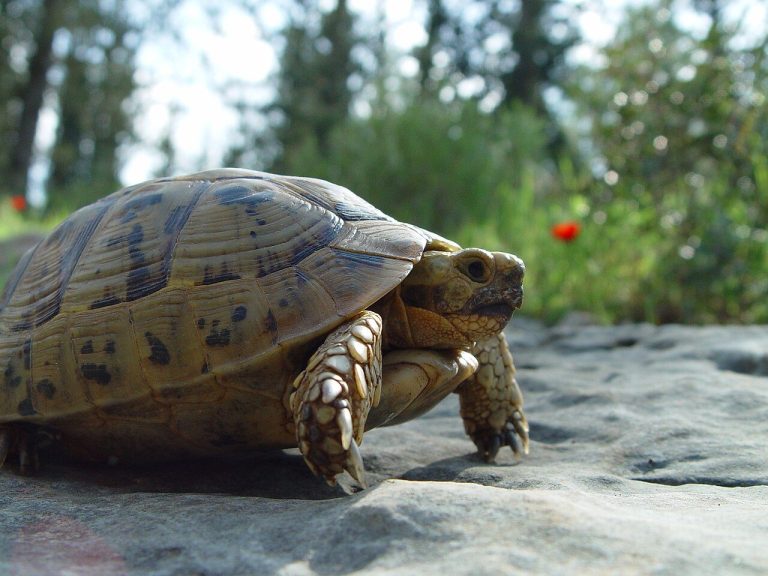
These hardy little creatures, scientifically known as Testudo horsfieldii, are usually voracious eaters, so a refusal to eat is something we must take seriously.
In this guide, I will draw on my years of experience to help you troubleshoot exactly why your tortoise has stopped feeding and how to get them back on track.
Much like when I’ve had to troubleshoot why fish stop eating, the solution for a tortoise almost always starts with a critical look at their environment.
At a glance: Russian tortoise (Testudo horsfieldii)
- Temperature
- Basking 90–95°F (32–35°C)
- Adult size
- 6–10 in shell (15–25 cm)
- Enclosure
- 8 sq ft enclosure minimum
- Group size
- Alone or pairs
- Temperament
- Active, burrows
- Diet
- Herbivore: weeds, leafy greens, hay
- Lifespan
- 40+ years
Keeper’s tip: Provide deep, slightly moist substrate; they burrow to regulate temperature and humidity.
The Role of Temperature and Metabolism
The most frequent reason for a russian tortoise not eating is a lack of adequate heat.
Tortoises are ectothermic, meaning they rely entirely on external heat sources to “jumpstart” their metabolism and digestive enzymes.
If the enclosure is too cold, the tortoise’s body essentially slows down to a crawl, and they will lose the physical ability to digest food.
Pro Tip: Always use a digital infrared thermometer to check the actual temperature of the shell while the tortoise is basking. I have found that “stick-on” dial thermometers are often inaccurate by up to 10 degrees, which can be the difference between a hungry tortoise and a lethargic one.
You should aim for a basking spot that reaches between 95°F and 100°F.
The cooler end of the enclosure should stay around 70-75°F to allow for proper thermoregulation.
If your tortoise cannot reach a high enough internal temperature, their gut motility slows down, often leading to a total refusal of even their favorite greens.
Lighting and the Importance of UVB 10.0
Beyond just heat, the quality of light plays a massive role in a Russian tortoise’s activity levels.
In the wild, these tortoises are exposed to intense sunlight, which provides the ultraviolet radiation necessary for synthesizing Vitamin D3.
Without proper UVB, specifically a UVB 10.0 or 12.0 high-output bulb, your tortoise cannot absorb calcium correctly.
This can eventually lead to Metabolic Bone Disease, a painful condition that causes lethargy, soft shells, and a complete loss of appetite.
I have noticed that many beginners forget that UVB bulbs lose their effectiveness long before they actually “burn out.”
You should replace your UVB tubes every 6 to 12 months, even if they still look bright to your human eyes.
A tortoise that feels “dim” or “low-energy” due to poor lighting will often simply stop foraging.
russian tortoise not eating and the Brumation Cycle
If it is late autumn or winter, your tortoise might be following an internal biological clock.
Brumation is a state of dormancy similar to hibernation that Russian tortoises enter during cold months.
Even in a climate-controlled indoor enclosure, subtle changes in air pressure and daylight hours can trigger this instinct.
If your russian tortoise not eating is accompanied by increased hiding and digging, they may be trying to settle down for the winter.
However, you should never allow a tortoise to brumate unless you are certain they are in peak health and have an empty digestive tract.
If a tortoise goes into brumation with food in its stomach, that food can rot, leading to fatal infections.
If you aren’t prepared for the complexities of brumation, it is better to keep your temperatures high and light cycles long to “trick” them into staying awake.
Common Health Issues: From Rhinitis to Stomatitis
When environmental factors are perfect but the tortoise still refuses food, we have to look at potential medical conditions.
One common culprit is Rhinitis, often referred to as “Runny Nose Syndrome.”
If you see bubbles from the nose or hear clicking sounds when they breathe, your tortoise likely has a respiratory infection.
Another painful condition is Stomatitis, or mouth rot, which makes the act of biting and chewing extremely uncomfortable.
Common Mistake: Many keepers wait too long to see a vet, hoping the tortoise will “snap out of it.” Because tortoises have such slow metabolisms, by the time they look “really sick,” the illness is often quite advanced.
You should also check for Hypovitaminosis A, which is a vitamin A deficiency.
This often manifests as swollen, puffy eyelids, making it impossible for the tortoise to see their food.
If they can’t see it, they usually won’t try to eat it.
Hydration, Humidity, and Fecal Impaction
It might surprise you, but hydration is just as important as food for a Russian tortoise.
These tortoises are adapted to arid environments, but they still require access to water and a certain level of Ambient humidity.
If a tortoise becomes chronically dehydrated, they can develop a Fecal impaction.
This is essentially a “logjam” in the digestive tract that prevents anything else from passing through.
You might notice your tortoise straining or see a lack of Urate (the white, pasty part of their waste) in their enclosure.
I always recommend giving your tortoise a 20-minute soak in lukewarm, shallow water at least twice a week.
This encourages them to drink and often stimulates a bowel movement, which can instantly restore their appetite.
Diagnostic Checklist for Appetite Loss
To help you narrow down the cause, I have put together this quick-reference table based on common symptoms.
| Symptom | Potential Cause | Immediate Action |
|---|---|---|
| Tortoise is lethargic and cold to the touch. | Low basking temperatures. | Increase basking spot to 95°F. |
| Swollen eyes or nasal discharge. | Respiratory infection or Vitamin A deficiency. | Consult an exotics veterinarian immediately. |
| No waste produced for over a week. | Fecal impaction or dehydration. | Daily 20-minute lukewarm soaks. |
| Soft shell or jerky movements. | Metabolic Bone Disease (MBD). | Replace UVB 10.0 bulb and add calcium. |
| Digging and hiding in late autumn. | Natural Brumation instinct. | Check weight; decide to over-winter or hibernate. |
Diet Variety and Enticing a Picky Eater
Sometimes, a russian tortoise not eating is simply bored with their menu.
In the wild, these animals graze on dozens of different weeds, flowers, and grasses.
If you are only feeding grocery store Romaine lettuce, they are missing out on vital nutrients and fiber.
Just as keeping certain algae eaters requires a mix of wafers and fresh veggies, tortoises need variety.
Try offering “stinky” or brightly colored foods to jumpstart their senses.
Dandelion greens, hibiscus flowers, and grated butternut squash are often irresistible to a Russian tortoise.
I have also found success by “scenting” their healthy greens with a small piece of cucumber or a tiny bit of strawberry (though fruit should be kept to a minimum).
High-fiber weeds like plantain, clover, and sow thistle are the “gold standard” for Testudo horsfieldii.
Things people often ask
How long can a Russian tortoise go without eating?
A healthy Russian tortoise can technically survive for several weeks without food due to their slow metabolism. However, you should begin investigating the cause if they refuse food for more than 4-5 days, as hydration becomes a major concern.
Should I force-feed my tortoise?
You should NEVER attempt to force-feed a tortoise yourself, as it is very easy to cause physical injury or aspiration. If “assisted feeding” is necessary, it must be performed or taught by a qualified veterinarian.
Can stress cause my tortoise to stop eating?
Yes, moving to a new enclosure, loud noises, or being handled too much can cause significant stress. Ensure your tortoise has plenty of “hides” where they feel secure and can retreat from the world.
Is my tortoise just being picky?
It is possible, but “pickiness” is often a sign of a deeper husbandry issue. Check your temperatures and UVB levels before assuming your pet is just being stubborn.
Does humidity affect their appetite?
While they are an arid species, very low Ambient humidity (below 30%) can lead to dehydration. Dehydrated tortoises often lose interest in food, so occasional misting or a humid hide box is beneficial.
The short version
Dealing with a russian tortoise not eating requires a systematic approach to husbandry and health.
In my experience, 90% of appetite issues are resolved by simply adjusting the basking temperature or replacing an old UVB bulb.
If you keep a close eye on their behavior, providing a diverse diet, and ensuring they stay hydrated through regular soaks, you can keep your Testudo horsfieldii flourishing for decades.
Remember that these animals are masters of hiding illness, so being proactive is your best tool as a keeper.
If you’ve checked the environment and the hunger strike continues, don’t hesitate to seek professional help from a vet who specializes in reptiles.
Your tortoise relies on you to be their advocate and their “environmental engineer” to make sure they have everything they need to stay healthy and hungry.

- 2003First tank
- 20+Years keeping
- 40+Tanks kept
- 0Sponsored picks
Howard set up his first 10-gallon planted tank in 2003 and lost half of it within six weeks. Two decades and more than forty aquariums later, he writes the guides he wished he had then: clear numbers, the reasons behind them, and what actually goes wrong in home tanks.