Where Did Axolotls Originate – What You Need to Know
Axolotls originated exclusively from the high-altitude volcanic lakes of the Valley of Mexico, specifically Lake Xochimilco and Lake Chalco. Today, they survive in the wild only within the complex system of the Xochimilco canals.
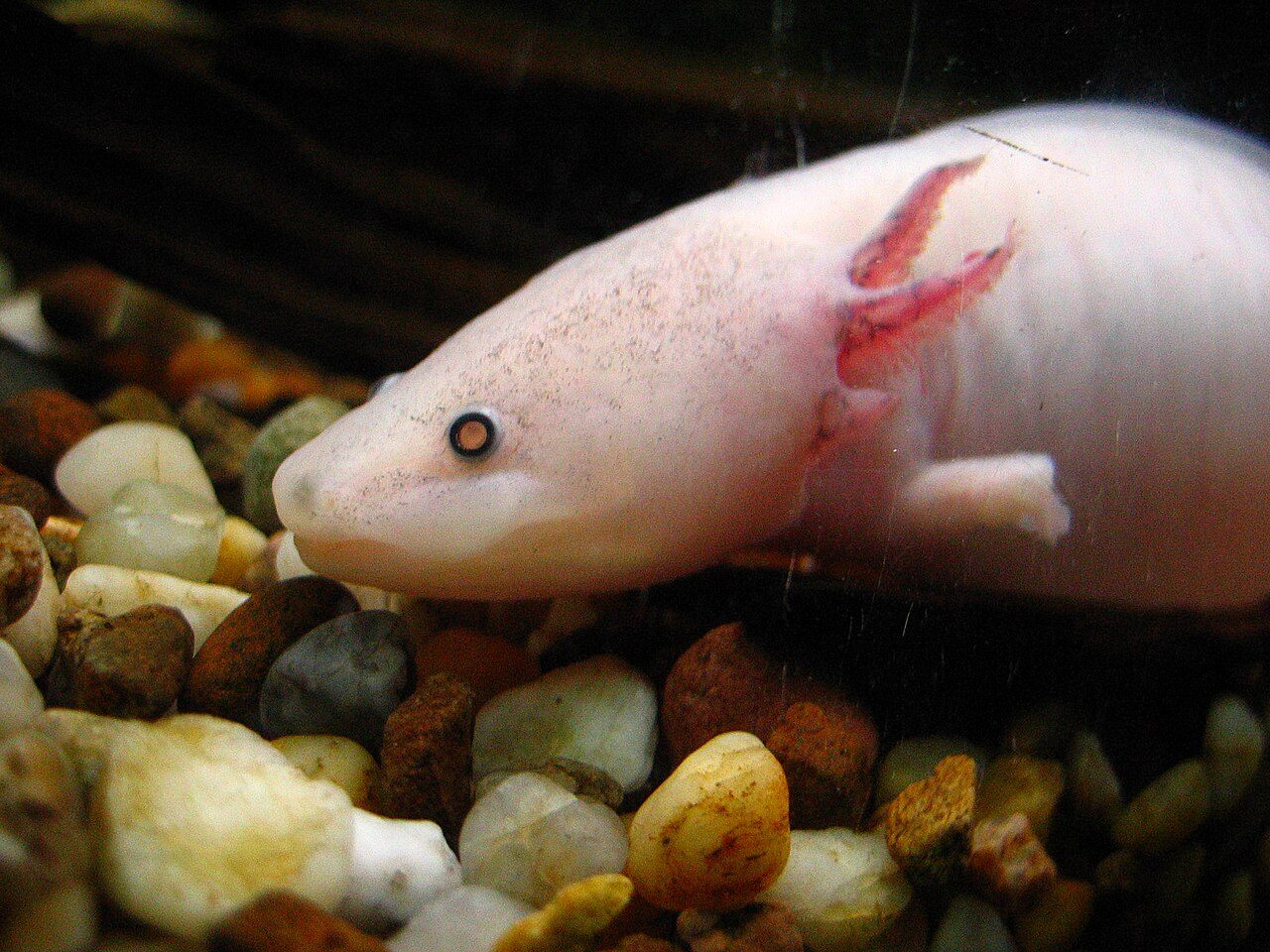
If you have ever stared into the lidless, smiling face of an axolotl, you know they look like something from another planet. These “water dragons” have fascinated the aquarium hobby for decades, but understanding where did axolotls originate is the first step to mastering their care.
In my ten years of maintaining diverse aquatic setups, I have found that the most successful keepers are those who respect the natural history of their pets. The axolotl, or Ambystoma mexicanum, is not just a quirky pet; it is a biological marvel with roots in a very specific, ancient ecosystem.
When we look at the history of these creatures, we see a story of volcanic activity, high-altitude climates, and a unique evolutionary path. Let’s explore the waters of ancient Mexico to understand how their home shaped the amazing animals we keep today.
Pro Tip: When setting up your first axolotl tank, keep in mind that they come from high-altitude lakes. This means they prefer cooler temperatures than most tropical fish, usually between 60°F and 64°F (15°C to 18°C).
At a glance: Axolotl (Ambystoma mexicanum)
- Temperature
- 60–64°F (16–18°C)
- Water pH
- 7.0–8.0
- Adult size
- 9–12 in (23–30 cm)
- Minimum tank
- 20 gal long for one
- Group size
- Alone or same-size adults
- Temperament
- Peaceful, no fish tank mates
- Diet
- Carnivore: earthworms, axolotl pellets, bloodworm
- Lifespan
- 10–15 years
Keeper’s tip: Water above 70°F stresses axolotls quickly; a fan or chiller is often needed in summer.
The Geographic Roots: Lake Xochimilco and the Valley of Mexico
To answer the question of where did axolotls originate, we must travel back in time to the Valley of Mexico. This high-altitude basin, sitting over 7,000 feet above sea level, was once dominated by a massive system of five interconnected lakes.
Lake Xochimilco and Lake Chalco were the primary homes of these salamanders. Unlike the salty lakes in the northern part of the valley, Xochimilco and Chalco were freshwater havens fed by mountain springs.
This specific geography created a stable, cool environment that allowed the axolotl to evolve into a permanent resident of the water. While other salamanders eventually move to land, the abundance of resources in these lakes encouraged the axolotl to stay submerged forever.
Why “Where Did Axolotls Originate” Matters for Modern Keepers
Understanding the origin of your pet is not just a history lesson; it is a roadmap for their health. Because they evolved in deep, spring-fed lakes, they are sensitive to water quality and light.
In my experience, many beginners struggle because they treat axolotls like goldfish or tropical tetras. However, the volcanic nature of their original home meant the water was rich in minerals but very low in temperature.
By mimicking these conditions, you reduce the stress on your animal. If you understand the ancient history of these amphibians, you will realize why high-flow filters often stress them out—their original homes were calm, slow-moving waters.
| Parameter | Wild Origin (Xochimilco) | Aquarium Recommendation |
|---|---|---|
| Temperature | 54°F – 68°F (Seasonal) | 60°F – 64°F (Stable) |
| Water Flow | Very Low / Still | Low / Baffled Filter |
| Substrate | Fine Silt and Mud | Fine Sand or Bare Bottom |
| pH Level | 7.4 – 8.2 | 7.4 – 7.6 |
The Unique Ecosystem of the Xochimilco Canals
Today, the sprawling lakes of the past have largely disappeared due to the expansion of Mexico City. What remains are the Xochimilco canals, a network of waterways that still support the last wild populations of Ambystoma mexicanum.
These canals are surrounded by “chinampas,” or floating gardens, which were created by the Aztec people. This unique interaction between human agriculture and natural waterways defined the endemic species habitat for centuries.
The water in these canals is typically murky and filled with aquatic vegetation. This provides the axolotl with plenty of places to hide from predators like birds and, more recently, invasive fish species.
Understanding Neoteny: The Biological Result of Their Origin
One of the most unusual things about the Mexican salamander is its ability to stay in its larval form throughout its entire life. This process is called neoteny.
In most environments, a salamander would undergo metamorphosis to survive on land when a pond dries up. However, because the volcanic lakes they originated from were so stable and permanent, the axolotl never had a reason to leave.
They kept their external, feathery gills and their finned tails because the water provided everything they needed. This biological “refusal to grow up” is a direct result of the specific conditions found where they originated.
Common Mistake: I have seen many keepers try to “help” their axolotls by adding land areas to their tanks. Never do this! Axolotls are fully aquatic and forcing them into a semi-aquatic environment can be fatal.
The Cultural Connection: Axolotls in Aztec History
The question of where did axolotls originate also has a deeply cultural answer. To the Aztecs, the axolotl was much more than an animal; it was a manifestation of a god.
The name “Axolotl” comes from the Nahuatl language, often translated as “water dog” or “water twin.” They were named after Xolotl, the god of fire and lightning, who was said to have disguised himself as the salamander to avoid being sacrificed.
Early records from early explorers and scientists show that the Aztecs respected these creatures but also used them as a food source. This deep historical tie makes the axolotl a symbol of Mexican national identity.
Conservation Status and the Wild vs. Captive Divide
While axolotls are stable in the pet trade and research labs, their original home is in grave danger. The wild population in the Xochimilco canals is considered critically endangered.
Pollution from Mexico City, the draining of wetlands, and the introduction of invasive tilapia and carp have decimated their numbers. It is a strange irony that an animal so common in our living rooms is nearly extinct in the wild.
When you purchase an axolotl, you are likely getting an animal that is many generations removed from the wild. However, by understanding their origins, we can support conservation efforts that aim to restore the Xochimilco ecosystem.
Replicating the Ancestral Home in Your Aquarium
To give your axolotl the best life, you should aim to recreate the environment of the ancient lakes. This means focusing on three main pillars: temperature, light, and substrate.
I have noticed that axolotls are much more active and display better gill health when the lighting is kept dim. In the murky depths of Lake Xochimilco, very little sunlight reached the bottom.
Furthermore, the substrate should mimic the soft silt of the lakebed. I always recommend fine sand rather than gravel. Gravel can be accidentally swallowed and cause impaction, a leading cause of death in captive axolotls.
If you are curious about the social behavior of axolotls, you might find that they appreciate “structured” environments with plenty of hides, just like the root systems of the chinampas.
FAQ
Can axolotls live in any lake?
No, axolotls are endemic only to the Valley of Mexico. They require the specific cool, high-altitude freshwater conditions found there and cannot survive in tropical or saltwater environments.
Why are they called “Mexican Walking Fish”?
This is a nickname because they have four legs and move along the bottom of the water. However, they are not fish at all; they are amphibians that never leave the water.
Are there different species of axolotls in other countries?
While there are other species of tiger salamanders that exhibit neoteny, the Ambystoma mexicanum is unique to Mexico. Other similar-looking salamanders are often different species entirely.
Is Lake Xochimilco still there?
Yes, but it is much smaller than it was in ancient times. It now exists primarily as a series of canals and protected wetlands in the southern part of Mexico City.
How did axolotls get to the rest of the world?
Most captive axolotls today are descendants of a small group of animals brought to Paris in the 1860s for scientific study. Their ability to regenerate limbs made them very popular in research.
Putting it all together
The journey of the axolotl from the sacred volcanic lakes of Mexico to the aquariums of the world is a remarkable story. When we ask where did axolotls originate, we find a complex mix of geology, biology, and human history.
Once you understand that these creatures come from the cool, still, and mineral-rich waters of Xochimilco, we can become better caretakers. We aren’t just keeping a pet; we are preserving a living relic of an ancient world.
Provide them with cool water, soft sand, and a peaceful environment, and your “water dragon” will do well for years to come.

- 2003First tank
- 20+Years keeping
- 40+Tanks kept
- 0Sponsored picks
Howard set up his first 10-gallon planted tank in 2003 and lost half of it within six weeks. Two decades and more than forty aquariums later, he writes the guides he wished he had then: clear numbers, the reasons behind them, and what actually goes wrong in home tanks.