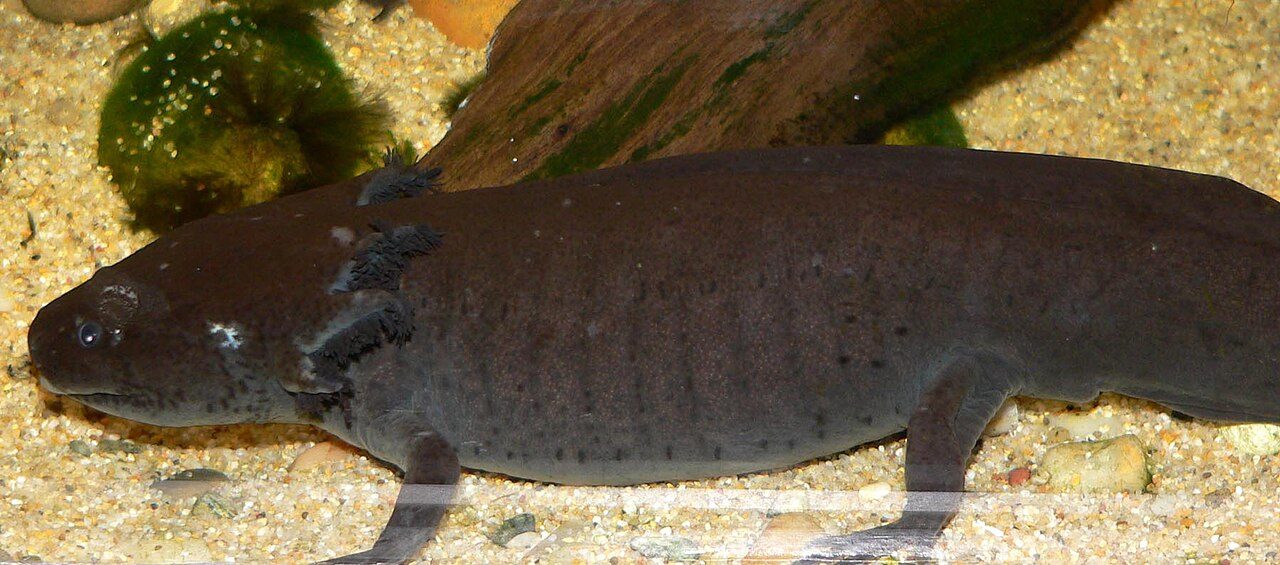
How Long Have Axolotls Been Around? Unveiling The Ancient History
Axolotls have existed in their current form for approximately 10,000 to 12,000 years, originating during the Pleistocene epoch. Their broader evolutionary lineage, however, stretches back millions of years within the Ambystomatidae family.
Have you ever looked into your aquarium and felt like you were staring at a creature from another dimension? When I first started keeping these “water dragons” over a decade ago, I was immediately struck by their prehistoric appearance.
One of the most common questions I hear from fellow hobbyists is, how long have axolotls been around? It is a unusual topic because these animals are essentially “Peter Pans” of the biological world.
In my experience, understanding the deep history of the Ambystoma mexicanum makes keeping them much more satisfying. It helps us appreciate why they need cold water and why their environment is so specific.
At a glance: Axolotl (Ambystoma mexicanum)
- Temperature
- 60–64°F (16–18°C)
- Water pH
- 7.0–8.0
- Adult size
- 9–12 in (23–30 cm)
- Minimum tank
- 20 gal long for one
- Group size
- Alone or same-size adults
- Temperament
- Peaceful, no fish tank mates
- Diet
- Carnivore: earthworms, axolotl pellets, bloodworm
- Lifespan
- 10–15 years
Keeper’s tip: Water above 70°F stresses axolotls quickly; a fan or chiller is often needed in summer.
The Evolutionary Roots of the Walking Fish
To answer the question of how long have axolotls been around, we have to look back at the Pleistocene epoch. This was a time of massive geological shifts in the Valley of Mexico.
The axolotl belongs to the Ambystomatidae family, a group of mole salamanders. While many of their cousins evolved to live on land, the axolotl took a very different path.
Their ancestors were likely standard salamanders that underwent a process called paedomorphosis. This means they retained their larval features, like external gills, throughout their entire lives.
Pro Tip: Many beginners assume axolotls are “primitive” because they look like larvae. In reality, their ability to remain aquatic is a highly specialized evolutionary trait that allowed them to dominate their specific niche.
The Divergence of the Lineage
The specific phylogenetic lineage of the axolotl diverged from its closest relative, the Tiger Salamander, quite some time ago. Scientists estimate that this split occurred roughly several hundred thousand years ago.
However, the species we recognize today as the axolotl became distinct as the volcanic activity in Mexico created isolated lake systems. This isolation is a classic example of endemism.
By staying in the water, they avoided the harsh, dry conditions of the surrounding land. This unique adaptation has allowed them to persist in a very limited geographic area for millennia.
Life in the Pleistocene Epoch
During the late Pleistocene epoch, the Valley of Mexico was filled with a massive system of five interconnected lakes. This was the perfect playground for an aquatic salamander.
The water was cool, oxygen-rich, and filled with prey like small crustaceans and insects. Because there were few large predatory fish, the axolotl became the top predator of its world.
This stable environment is why they haven’t changed much in thousands of years. When a species is perfectly adapted to its home, there is very little pressure to evolve further.
The Geography of an Ancient Icon
When discussing how long have axolotls been around, we must mention their only natural homes: Lake Xochimilco and Lake Chalco. These high-altitude lakes provided a very specific climate.
These bodies of water were fed by glacial melt and freshwater springs. This kept the temperatures consistently cool, which is why your pet axolotl struggles if the tank gets too warm today.
Unfortunately, much of this ancient habitat has been lost. Lake Chalco was drained to prevent flooding, leaving only Lake Xochimilco as the last wild stronghold.
| Habitat Feature | Historical Condition | Importance for Axolotls |
|---|---|---|
| Water Temperature | 60°F – 64°F (15°C – 18°C) | High oxygen levels and slow metabolism. |
| Substrate | Fine silt and organic debris | Prevents impaction and provides foraging ground. |
| Vegetation | Dense aquatic plants | Used for hiding and attaching eggs. |
| Flow Rate | Very low/Stagnant | Reduces stress on their external gills. |
Cultural History: The Axolotl and the Aztecs
The question of how long have axolotls been around isn’t just a biological one; it’s a cultural one. The indigenous people of Mexico have known about them for centuries.
The Aztecs, who settled in the Valley of Mexico in the 13th century, held the axolotl in high regard. In their mythology, the animal was a manifestation of the god Xolotl.
Xolotl was the god of fire and lightning who disguised himself as a salamander to avoid being sacrificed. This deep cultural connection shows that humans have lived alongside these creatures for at least 800 years.
The Aztec Relationship
The Aztecs didn’t just worship them; they also used them as a food source. Axolotls were considered a delicacy and were often served at royal banquets.
They also recognized the animal’s medicinal properties. Even today, some traditional remedies in Mexico involve the axolotl, though this practice is discouraged due to their endangered status.
The ancient chinampas, or floating gardens, created by the Aztecs actually helped the axolotl. These man-made canals provided extra habitat and plenty of food.
How Long Have Axolotls Been Around in Science?
Western science only discovered the axolotl relatively recently. The first major scientific introduction occurred in 1863, when a shipment of 34 axolotls arrived in Paris.
This group of 34 individuals is the foundation for almost all captive axolotls in the world today. Scientists were fascinated by their ability to stay in a larval state, a trait known as neoteny.
They were also amazed by their regenerative powers. An axolotl can regrow limbs, heart tissue, and even parts of its brain without scarring.
The Study of Neoteny
The term neoteny comes from the Greek words for “extending” and “youth.” It is the reason why axolotls look like giant tadpoles even when they are sexually mature.
If you enjoy keeping long living fish for aquarium setups, you will appreciate the decade-plus commitment of an axolotl. They can live for 10 to 15 years in captivity because of this slowed-down life cycle.
In very rare cases, an axolotl can undergo metamorphosis and move onto land. However, this is usually triggered by extreme stress or iodine exposure and often shortens their lifespan significantly.
Modern Challenges and Conservation
When we ask how long have axolotls been around, we also have to ask how much longer they will remain. Their wild population is in a critical state.
Pollution, invasive species like carp and tilapia, and urban sprawl have decimated their natural home. In the wild, they are considered “Critically Endangered” by the IUCN.
The irony is that while they are nearly extinct in the wild, there are millions of them in labs and home aquariums. This “captive backup” is essential for the species’ survival.
Common Mistake: Many keepers think that because axolotls are “tough” enough to regrow limbs, they can handle poor water quality. This is false. High nitrates and ammonia will stress them and cause their gills to shrink.
The Importance of Ethical Breeding
Because the wild population is so fragile, it is vital to source your pets from reputable breeders. Never buy an axolotl that has been taken from the wild.
Responsible breeders track the genetics of their animals to prevent inbreeding. Since the original 1863 population was so small, genetic diversity is a major concern for the hobby.
Just as when you are maximizing the lifespan of other aquatic pets, water quality is the most critical factor here. Using a high-quality water conditioner and a reliable test kit is non-negotiable.
Caring for an Ancient Species in Your Home
Keeping an axolotl is like owning a piece of natural history. To succeed, you must mimic the conditions of those ancient Mexican lakes as closely as possible.
They belong to the order Urodela, which includes all salamanders and newts. Unlike most members of this order, axolotls require a fully aquatic setup with no dry land.
I’ve found that the biggest hurdle for new keepers is temperature control. If your house stays above 70°F, you will likely need a specialized aquarium chiller to keep your “water dragon” healthy.
Tank Setup Checklist
- Tank Size: At least 20 gallons long for one adult, though 29 or 40 gallons is better.
- Substrate: Bare bottom or very fine sand. Never use gravel, as they will swallow it.
- Filtration: Low-flow filters are a must. They hate strong currents.
- Hiding Spots: Use PVC pipes, terra cotta pots, or smooth caves.
Maintaining a stable environment is the key to longevity. If you provide the right care, you can enjoy the company of these ancient creatures for many years to face.
FAQ: Common Questions About Axolotl History
Are axolotls older than dinosaurs?
No, axolotls are not older than dinosaurs. Dinosaurs first appeared about 230 million years ago. While the Urodela order is ancient, the specific species Ambystoma mexicanum is only about 10,000 to 12,000 years old.
Why did they only evolve in Mexico?
The unique geography of the Valley of Mexico provided a stable, isolated environment. This allowed them to fill a niche that wasn’t available elsewhere, leading to their extreme endemism.
How long have axolotls been around in the pet trade?
They have been kept in laboratories since the mid-1800s, but they didn’t become popular in the home aquarium hobby until the late 20th century. Their popularity has exploded in the last 10 years thanks to social media and video games.
The Olm is another neotenic salamander found in Europe, but they are only distantly related. Both species evolved neoteny independently, which is a great example of convergent evolution.
Conclusion: A Living Legacy
So, how long have axolotls been around? From their emergence in the Pleistocene to their revered status in Aztec culture, they have survived for thousands of years.
They are survivors, but they are also vulnerable. As hobbyists, we have a responsibility to provide them with the best possible care and to support conservation efforts in Mexico.
If you keep an axolotl, you aren’t just keeping a pet; you are maintaining a connection to a prehistoric world. Respect their history, monitor your water parameters, and you will be rewarded with one of the most unique companions in the animal kingdom.
The biggest factor is patience. These animals have been around for a long time, and they don’t like to be rushed. Take your time with the nitrogen cycle, keep the water cool, and enjoy the slow, prehistoric pace of the axolotl life.

- 2003First tank
- 20+Years keeping
- 40+Tanks kept
- 0Sponsored picks
Howard set up his first 10-gallon planted tank in 2003 and lost half of it within six weeks. Two decades and more than forty aquariums later, he writes the guides he wished he had then: clear numbers, the reasons behind them, and what actually goes wrong in home tanks.