Enclosure for Russian Tortoise – Complete Setup Guide
An ideal enclosure for Russian tortoise adults requires at least an 8-by-4-foot open-top wooden tortoise table with deep digging substrate, a 95°F basking spot, 10–12% UVB lighting, and a humid retreat to thrive.
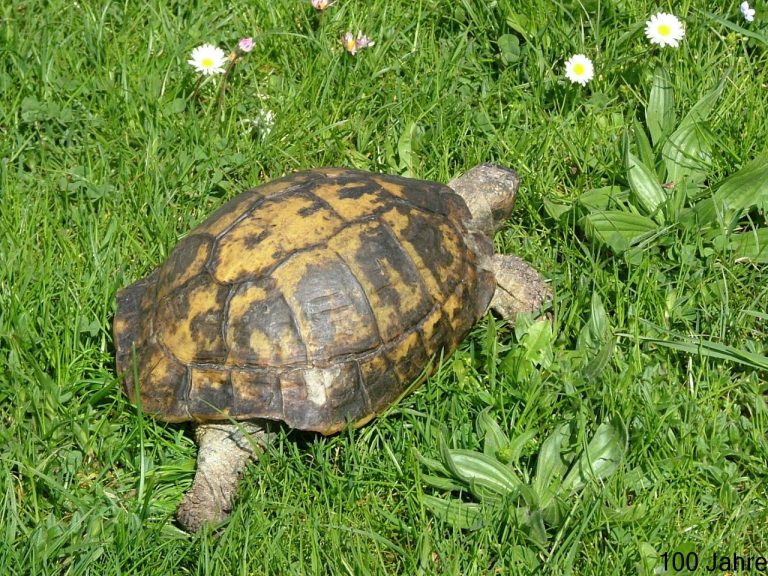
Designing a safe, stimulating home for a Russian tortoise (Agrionemys horsfieldii) requires moving past conventional reptile care myths. These active chelonians originate from the arid steppes and rocky scrublands of Central Asia, where they walk long distances and dig extensive burrows.
Recreating these environmental conditions indoors takes deliberate planning, adequate floor space, and precise environmental gradients. Selecting the correct enclosure for Russian tortoise care ensures your pet avoids chronic stress, joint problems, and long-term health complications.
Space and Sizing: Minimum Enclosure Dimensions
Russian tortoises may stay relatively small at 5 to 8 inches in shell length, but their activity levels are exceptionally high. In the wild, they patrol large territories and expend considerable energy foraging and digging deep underground.
Confining an adult to a small footprint causes wall-pacing, agitation, and reduced muscular development. Housing standards demand far more space than typical pet trade starter kits provide.
| Tortoise Life Stage | Minimum Floor Dimensions | Minimum Wall Height | Recommended Substrate Depth |
|---|---|---|---|
| Hatchling (up to 3 in.) | 3 ft. × 2 ft. (6 sq. ft.) | 12 inches | 4 to 6 inches |
| Juvenile (3 to 5 in.) | 4 ft. × 3 ft. (12 sq. ft.) | 15 inches | 6 to 8 inches |
| Single Adult (5 to 8 in.) | 8 ft. × 4 ft. (32 sq. ft.) | 18 to 20 inches | 8 to 12 inches |
| Breeding Pair / Trio | 10 ft. × 6 ft. (60 sq. ft.) | 20 inches (with sight breaks) | 10 to 14 inches |
While a 4-by-2-foot footprint is often cited as an entry-level minimum for juveniles, adults thrive when given at least 32 square feet. Floor space matters far more than vertical climbing height because tortoises require horizontal territory to establish proper thermal options.
Choosing the Best Enclosure for Russian Tortoise Housing
The physical construction of the habitat plays a decisive role in respiratory health and behavioral comfort. The two most common setups are commercially manufactured structures and custom builds.
Why Standard Glass Aquariums Fail
Standard glass fish tanks are among the worst housing choices for terrestrial chelonians. Many beginners ask about keeping tortoises in glass tanks, but transparent boundaries confuse the animal’s navigation instincts.
Tortoises do not comprehend clear barriers and will relentlessly pace, push, and scrape their shells against glass walls. Furthermore, glass aquariums restrict natural airflow, trapping stagnant air and moisture near the bottom while concentrating excessive heat.
The Superior Wooden Tortoise Table
A traditional open-top tortoise table built from non-toxic wood, sealed plywood, or heavy-duty composite panels remains the gold standard for indoor husbandry. The opaque walls eliminate boundary stress while open tops provide superior ventilation.
High airflow prevents respiratory infections, which frequently develop when humidity and stagnant heat build up inside sealed tanks. If space allows, hobbyists often turn to building a DIY tortoise table using marine-grade plywood lined with pond shield or heavy-duty pond liners.
Pro Tip: Install an inward-facing 2-inch wooden lip along the top rim of the enclosure walls. Russian tortoises are surprisingly agile climbers that leverage corner joints to scale vertical surfaces and tumble over edges.
Creating the Ideal Substrate and Burrowing Layer
In their natural steppe environment, Russian tortoises escape brutal summer heat and freezing winter temperatures by retreating deep into subterranean tunnels. Replicating this behavior in captivity is essential for physical joint health and psychological wellbeing.
Inadequate, shallow, or slippery substrate causes weak leg joints and emotional distress. Providing a deep burrow-ready medium satisfies their instincts and creates natural moisture zones.
Safe Substrate Mixtures
A premier substrate recipe consists of an equal blend of organic topsoil (free of synthetic fertilizers, perlite, and chemical additives) and clean playsand, mixed with coco coir. Adding damp cypress mulch substrate across the middle and lower layers provides structural stability for burrows without caving in.
Avoid cedar and pine shavings completely, as their aromatic phenolic compounds cause severe respiratory damage and eye irritation. Calcium sands, crushed walnut shells, and alfalfa pellets should also be avoided because they pose deadly impaction risks if accidentally swallowed during feeding.
Establishing a Microclimate Humidity Gradient
While Russian tortoises are adapted to dry climates, they rely heavily on subterranean humidity to keep their respiratory pathways lubricated and prevent shell pyramiding. Maintaining an ambient room humidity of 30% to 50% across the surface is appropriate, but the deep substrate should hold moisture.
By keeping the bottom layers of substrate lightly damp while leaving the top surface dry, you establish a functional microclimate humidity gradient. This allows the tortoise to dig down into 70% to 80% relative humidity, mirroring natural steppe conditions.
Heating, Thermal Gradients, and Lighting Protocols
Reptiles are ectothermic, relying entirely on surrounding temperatures to regulate their metabolism, digest food, and maintain immune function. An indoor habitat must provide a distinct thermal spectrum rather than uniform warmth.
Position heating and lighting equipment at one end of the habitat to create a natural basking thermal gradient. This design lets your tortoise select its preferred temperature throughout the day.
| Zone Type | Target Temperature | Recommended Hardware | Photoperiod / Duration |
|---|---|---|---|
| Basking Surface | 95°F – 100°F (35°C – 38°C) | Flood Halogen or Incandescent Spot | 12 to 14 hours daily |
| Warm Ambient Zone | 80°F – 85°F (27°C – 29°C) | Secondary low-wattage basking bulb | 12 to 14 hours daily |
| Cool Retreat Zone | 70°F – 75°F (21°C – 24°C) | Unheated ambient room air | Continuous |
| Nighttime Lows | 65°F – 70°F (18°C – 21°C) | Ceramic heat emitter (thermostat controlled) | Only if room drops below 65°F |
Essential UVB Output and Fixture Selection
UVB radiation is critical for the endogenous synthesis of vitamin D3, which allows your tortoise to absorb dietary calcium. Without sufficient exposure, tortoises suffer from devastating, crippling metabolic bone disease, causing shell softening and skeletal collapse.
Compact coil bulbs are ineffective because they distribute narrow, uneven beams that drop off sharply over short distances. Instead, mount a high-output linear T5 HO UVB fixture with a 10.0 or 12% desert-rated tube alongside the basking spotlight.
The UVB tube should span approximately half to two-thirds of the total enclosure length. Overlap the beam directly with the basking bulb so the tortoise receives both heat and UVB simultaneously, just as it would in open sunlight.
Common Mistake: Relying on clear glass or fine wire mesh between the UVB lamp and the tortoise. Mesh screen covers can block up to 50% of beneficial UVB rays, and glass or acrylic filters out 100% of UV wavelengths entirely.
Furnishings, Hydration, and Daily Enrichment
An empty box with a heat lamp does not constitute a complete habitat. Enrichment elements break up sightlines, stimulate problem-solving, and satisfy daily hydration requirements.
Hydration and Soaking Stations
Tortoises absorb water through their cloaca while drinking, helping flush uric acid crystal deposits from their kidneys. Incorporate a sunken, shallow terra cotta soaking dish flush with the substrate surface so the animal can walk in easily without tipping.
The water depth should reach no higher than where the plastron meets the carapace (bridge level) to prevent drowning. Change the water daily, as tortoises frequently defecate during warm soaks.
+————————————————————————-+ | SUGGESTED ENCLOSURE FLOORPLAN | | | | [Cool / Humid Zone] [Central Zone] [Basking / Warm Zone] | | +——————–+ +—————+ +——————–+ | | | Damp Moss Hide Box | | Slate Feeding | | Basking Spot Light | | | | (70-75°F, 75% RH) | | Rock & Greens | | & Linear T5 UVB | | | +——————–+ +—————+ | (95-100°F Surface) | | | +——————–+ | | +——————–+ +—————+ | | | Shallow Terra Cotta| | Driftwood Log | +——————–+ | | | Water Soaking Dish | | (Sight Break) | | Warm Dry Hide Box | | | +——————–+ +—————+ +——————–+ | +————————————————————————-+
Hides and Feeding Surfaces
Install at least two distinct hide boxes: one positioned within the cool zone packed with moist sphagnum moss, and another in the warmer sector. Providing visual barriers like non-toxic slate slabs, curved cork bark tubes, and smooth river stones encourages exploration.
Place raw slate paving stones directly beneath the feeding area. Eating coarse leafy greens off rough slate naturally files down the tortoise’s growing horn beak, preventing painful overgrowth that requires veterinary intervention.
Maintenance Schedules and Enclosure Sanitation
A clean living space prevents bacterial shell rot, fungal outbreaks, and respiratory issues. Because Russian tortoises consume fibrous diets, their waste output requires regular upkeep.
- Daily: Spot-clean visible feces, urate deposits, and uneaten wilted greens. Scrub and refill the water dish with fresh, dechlorinated water.
- Weekly: Stir and aerate the substrate to prevent anaerobic bacterial pockets and compaction. Check the bottom moisture level and add water to lower substrate layers as needed.
- Monthly: Disinfect feeding slates and hides using a veterinary-grade, pet-safe disinfectant or diluted chlorhexidine solution.
- Quarterly: Complete a 50% to 100% substrate change, replacing packed soil mixtures with fresh organic matter, and check UVB output with a solar meter.
FAQs About Russian Tortoise Enclosures
Can I house two Russian tortoises together in the same enclosure?
Russian tortoises are solitary and highly territorial. Housing two males together inevitably leads to violent ramming and biting, while keeping a male and female together results in relentless mating harassment that stresses the female. Housing individuals separately is strongly advised unless you have an exceptionally large outdoor enclosure measuring hundreds of square feet.
How deep should the substrate be in an indoor habitat?
Adult Russian tortoises need at least 8 to 12 inches of substrate depth. This depth allows them to dig genuine underground burrows, which supports natural foot anatomy and lets them retreat into self-regulated moisture pockets.
Can I build an outdoor pen for my Russian tortoise?
Yes, outdoor pens are wonderful for warm summer months when daytime temperatures consistently exceed 70°F. The outdoor enclosure walls should extend at least 12 inches below ground level with a hardware cloth floor barrier to prevent burrowing escapes, along with predator-proof wire mesh secured over the top.
Why does my tortoise spend all day pacing the enclosure walls?
Pacing along the walls usually points to insufficient floor space, transparent glass walls, or excessive heat without a cool retreat. Expanding the habitat footprint, using opaque boundaries, and adjusting your temperature gradients typically resolves this behavior.
Final Thoughts on Russian Tortoise Habitats
Building an expansive, well-regulated enclosure for Russian tortoise care is an investment in your pet’s lifelong health and vitality. By trading cramped glass tanks for large wooden tables, providing deep burrowing substrate, and balancing powerful basking heat with cooler retreats, you replicate the environmental rhythms these hardy reptiles have evolved to navigate for thousands of years.
- 2003First tank
- 20+Years keeping
- 40+Tanks kept
- 0Sponsored picks
Howard set up his first 10-gallon planted tank in 2003 and lost half of it within six weeks. Two decades and more than forty aquariums later, he writes the guides he wished he had then: clear numbers, the reasons behind them, and what actually goes wrong in home tanks.