Greek Tortoise Lifespan – A Century of Expert Care
A Greek tortoise lifespan typically ranges from 50 to 100 years or more in captivity. Achieving this maximum longevity requires careful attention to diet, UVB lighting, hydration, and appropriate environmental temperatures.
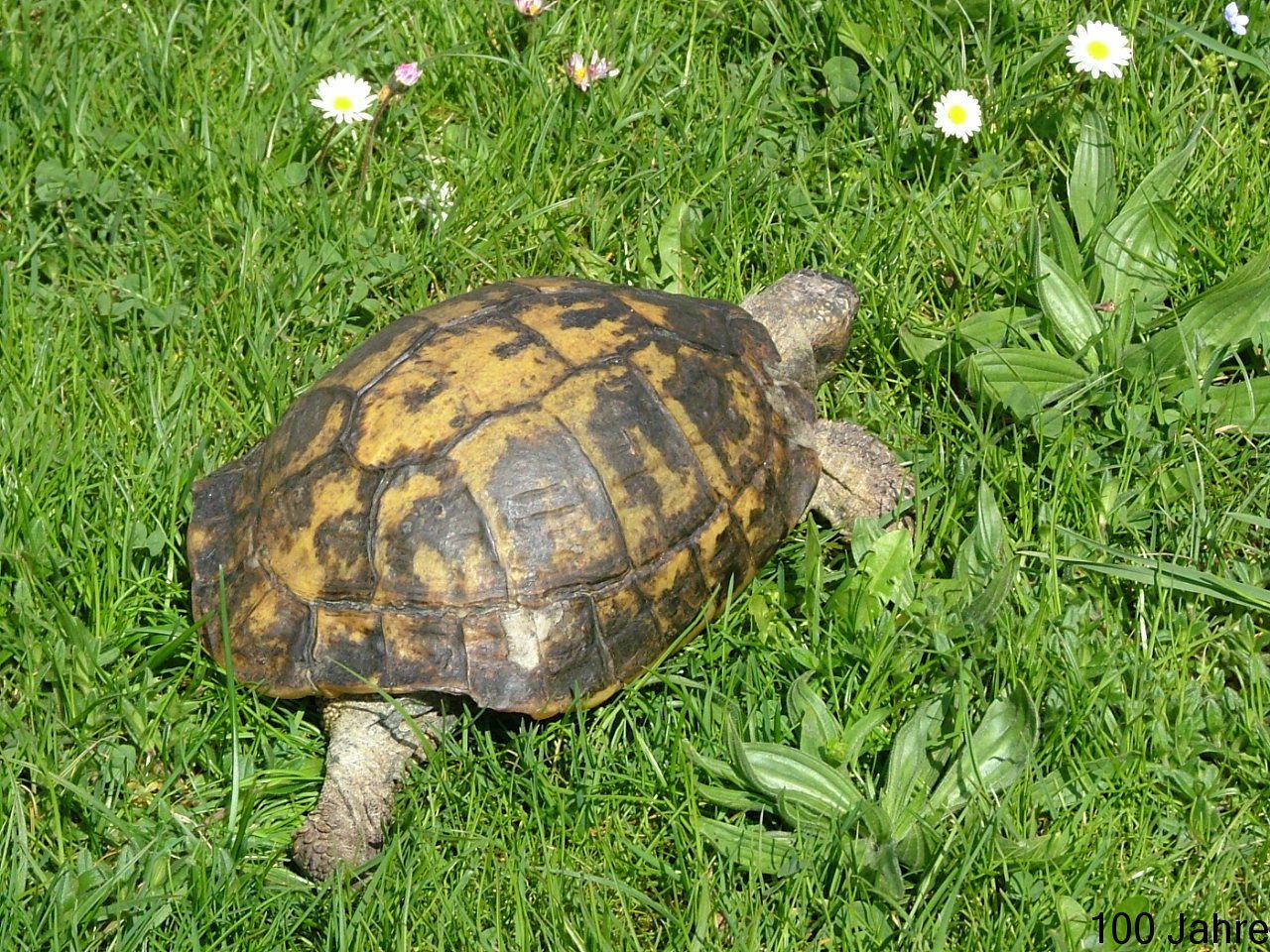
Bringing a Greek tortoise (Testudo graeca) into your home is not merely a hobby choice; it is a multi-generational commitment. These resilient reptiles are known for their incredible longevity, often outliving their original owners when provided with best care.
Understanding the factors that influence the greek tortoise lifespan is essential for any dedicated keeper. This guide explores the biological needs, environmental requirements, and health management strategies necessary to make sure your shelled companion does well for decades.
By mimicking their natural Mediterranean habitats, you can provide a foundation for a healthy, long-lasting life. Let’s go through the specifics of what makes these tortoises such enduring survivors.
At a glance: Tortoises (general) (Family Testudinidae)
- Temperature
- Basking 90–100°F by species
- Adult size
- 4–30 in shell by species
- Enclosure
- Large enclosure or outdoor pen
- Group size
- Usually alone
- Temperament
- Docile
- Diet
- Herbivores: weeds, grasses, leafy greens
- Lifespan
- 40–100+ years
Keeper’s tip: UVB lighting and calcium are essential for healthy shell growth in indoor tortoises.
Factors Influencing Greek Tortoise Lifespan
The longevity of a Greek tortoise is determined by a combination of genetics and environmental stewardship. While wild specimens face threats from predators and habitat loss, captive individuals can reach their full biological potential through controlled husbandry.
The greek tortoise lifespan is significantly influenced by the specific subspecies you are keeping. For example, the Testudo graeca ibera, often called the Asia Minor tortoise, is known for its hardiness and large size, which can contribute to a strong life.
Pro Tip: Always verify the specific subspecies of your tortoise. Northern varieties often require a mandatory brumation period to regulate their metabolic health, while southern varieties may need different humidity levels to prevent dehydration.
Environmental stability is the cornerstone of a long life. Sudden fluctuations in temperature or prolonged exposure to damp, cold conditions can lead to chronic stress, weakening the immune system over time.
The Role of Diet and Nutrition in Longevity
Nutrition is perhaps the most critical variable in determining the long-term health of your tortoise. In the wild, these animals graze on high-fiber, low-protein weeds and grasses that provide a specific calcium-to-phosphorus ratio.
A diet too high in protein can lead to rapid, unhealthy growth and significant strain on the kidneys. This often results in the over-accumulation of waste products and inefficient uric acid excretion, which can be fatal.
| Nutritional Component | Ideal Level | Impact on Lifespan |
|---|---|---|
| Fiber | Very High | Promotes healthy digestion and gut flora. |
| Protein | Very Low | Prevents kidney failure and shell pyramiding. |
| Calcium:Phosphorus | 2:1 or higher | Essential for skeletal and carapace integrity. |
| Sugar/Fruit | Near Zero | Prevents blooms of harmful intestinal parasites. |
Focus on offering a variety of leafy greens such as dandelion, clover, and plantain weeds. Supplementing with a high-quality calcium powder makes sure that the carapace scute development remains smooth and strong throughout the tortoise’s life.
Avoiding Metabolic Bone Disease
A failure to provide adequate calcium and light leads to metabolic bone disease in tortoises. This condition causes soft shells, deformed limbs, and a significantly shortened lifespan.
Making sure your tortoise has access to cuttlebone allows them to self-regulate their calcium intake. This natural behavior is a simple but effective way to bolster their skeletal health over the decades.
Essential Habitat and UVB Requirements
To reach the upper limits of the greek tortoise lifespan, the enclosure must provide a sophisticated thermoregulatory gradient. This allows the tortoise to move between warm and cool zones to regulate its internal body temperature.
Without a basking spot of approximately 95°F (35°C), the tortoise cannot properly digest its food. Conversely, a cool zone of 75°F (24°C) is necessary to prevent overheating and dehydration.
The Necessity of UVB Radiation
UVB radiation is not optional for Greek tortoises. It is the catalyst for Vitamin D3 synthesis, which allows the animal to absorb calcium from its diet.
In captivity, T5 HO (High Output) linear fluorescent bulbs are generally the most effective way to provide consistent UVB. These bulbs must be replaced every 6 to 12 months, even if they still appear to be emitting light.
Pro Tip: Use a UV index meter to regularly check the output of your lamps. A bulb that looks bright to the human eye may have stopped producing the vital UVB wavelengths needed for your tortoise’s survival.
Outdoor enclosures are the “gold standard” for longevity. Natural sunlight provides a full spectrum of light that artificial bulbs can rarely perfectly replicate, while also encouraging natural foraging behaviors.
Hydration and Substrate Management
Proper hydration is a frequently overlooked factor in extending the greek tortoise lifespan. While these tortoises are adapted to arid environments, they still require consistent access to water to flush toxins from their systems.
Chronic dehydration leads to the formation of urate stones in the bladder. These stones can grow quite large, causing pain, infection, and eventually a premature death if not surgically removed.
Using a Hygroscopic Substrate
The choice of bedding is vital for maintaining appropriate micro-humidity levels. A hygroscopic substrate, such as a mix of organic topsoil and coco coir, holds moisture without becoming soggy or molding.
This moisture is particularly important for hatchlings and juveniles. High humidity in the burrowing areas helps make sure that the shell grows smoothly and prevents the “pyramiding” that often plagues captive tortoises.
Providing a shallow water dish is important, but soaking your tortoise two to three times a week is even better. These 15-minute baths encourage the tortoise to drink and defecate, keeping their internal systems clean.
The Significance of Brumation
For many subspecies of Testudo graeca, brumation (the reptilian version of hibernation) is a natural part of their yearly cycle. It serves as a biological reset that can influence hormonal balance and overall longevity.
However, brumation must be handled with extreme care. A tortoise that is underweight or suffering from an underlying illness may not survive the winter months if its immune system is suppressed by low temperatures.
Preparing for a Safe Winter
Before allowing a tortoise to brumate, a “wind-down” period is necessary to help the digestive tract is empty. Any undigested food in the gut can rot during brumation, leading to sepsis.
Monitoring the weight of your tortoise before and during this period is essential. If a tortoise loses more than 1% of its body weight per month of brumation, it should be woken up and checked by a veterinarian.
Properly managed rest periods can contribute to a healthier greek tortoise lifespan by mimicking the natural seasonal rhythms the species evolved to follow. You can learn more about these rest patterns in our natural sleeping cycles guide.
Common Health Challenges to Monitor
Even with perfect care, tortoises can encounter health hurdles. Early detection is the key to preventing a minor issue from becoming a life-threatening crisis.
Respiratory infections are common in tortoises kept in environments that are too cold or too damp. Signs include wheezing, lethargy, and a “runny nose” or bubbles from the nares.
| Symptom | Potential Issue | Urgency |
|---|---|---|
| Nasal Discharge | Respiratory Infection | High – Requires vet care. |
| Soft or Spongy Shell | Metabolic Bone Disease | Critical – Immediate UV/Diet fix. |
| Swollen Eyes | Vitamin A Deficiency | Moderate – Adjust nutrition. |
| Inability to Urinate | Urate Bladder Stones | High – Seek imaging/X-rays. |
Regularly checking the eyes, mouth, and shell of your tortoise will help you spot these issues early. If you suspect your pet is ill, consulting a specialist exotic veterinarian is the best course of action to protect the greek tortoise lifespan.
Longevity Roadmap: Care by Life Stage
The needs of a Greek tortoise shift as they move through different phases of their long lives. Tailoring your approach to their age will maximize their chances of reaching the century mark.
Hatchling and Juvenile Stage (0-10 Years)
During the first decade, growth is most rapid. This is the time when the foundation for shell health is laid. High humidity and consistent calcium supplementation are non-negotiable during these years.
Adult Stage (10-50 Years)
Once they reach adulthood, the focus shifts to weight management and environmental enrichment. Overfeeding is a common mistake during this stage, as a sedentary lifestyle can lead to obesity and liver issues.
Senior Stage (50+ Years)
As tortoises enter their senior years, they may become less active. Regular health screenings and ensuring easy access to food and water become more important. Many seniors continue to flourish and even reproduce well into their 70s and 80s.
A few common questions About Greek Tortoise Lifespan
How long do Greek tortoises live in the wild?
In the wild, many Greek tortoises live between 20 and 40 years. While they have the biological potential to live much longer, they often succumb to predation, harsh weather, or habitat destruction before reaching their maximum age.
Can a Greek tortoise live for 100 years?
Yes, it is well-documented that Greek tortoises can live for over 100 years in captivity. This requires a dedicated owner who provides a perfect diet, correct lighting, and regular veterinary check-ups throughout the animal’s life.
Does the size of the tortoise indicate its age?
Size is a poor indicator of age because growth rates are heavily influenced by diet and temperature. A 5-year-old tortoise that has been overfed may be the same size as a 15-year-old tortoise that has grown at a more natural, slow pace.
How can I tell how old my Greek tortoise is?
You can estimate age by counting the growth rings (annuli) on the carapace scute development, similar to counting rings on a tree. However, this becomes less accurate as the tortoise ages and the scutes wear down or smooth out.
Do Greek tortoises need a companion to live longer?
Greek tortoises are generally solitary animals and do not require companions for emotional well-being. In fact, keeping males together can lead to stress and physical injury due to territorial fighting, which can negatively impact their lifespan.
Final Thoughts on Greek Tortoise Longevity
The greek tortoise lifespan is a sign of the incredible resilience of these ancient reptiles. By committing to high-fiber nutrition, precise environmental controls, and consistent hydration, you are providing your tortoise with the best possible chance at a long, healthy life.
Owning a Greek tortoise is a unique experience that bridges generations. It requires patience, observation, and a willingness to learn the subtle language of a slow-moving but deeply satisfying companion.
As you begin this journey, keep in mind that the small daily choices you make regarding lighting, substrate, and diet are the building blocks of a century of health. Your tortoise depends on your expertise to handle the decades ahead.

- 2003First tank
- 20+Years keeping
- 40+Tanks kept
- 0Sponsored picks
Howard set up his first 10-gallon planted tank in 2003 and lost half of it within six weeks. Two decades and more than forty aquariums later, he writes the guides he wished he had then: clear numbers, the reasons behind them, and what actually goes wrong in home tanks.