How to Help Axolotls – Save This Endangered Species
To help axolotls, support Lake Xochimilco conservation, purchase only from ethical captive breeders, and maintain pristine aquarium water quality. These actions protect wild populations and make sure the long-term survival of this critically endangered species.
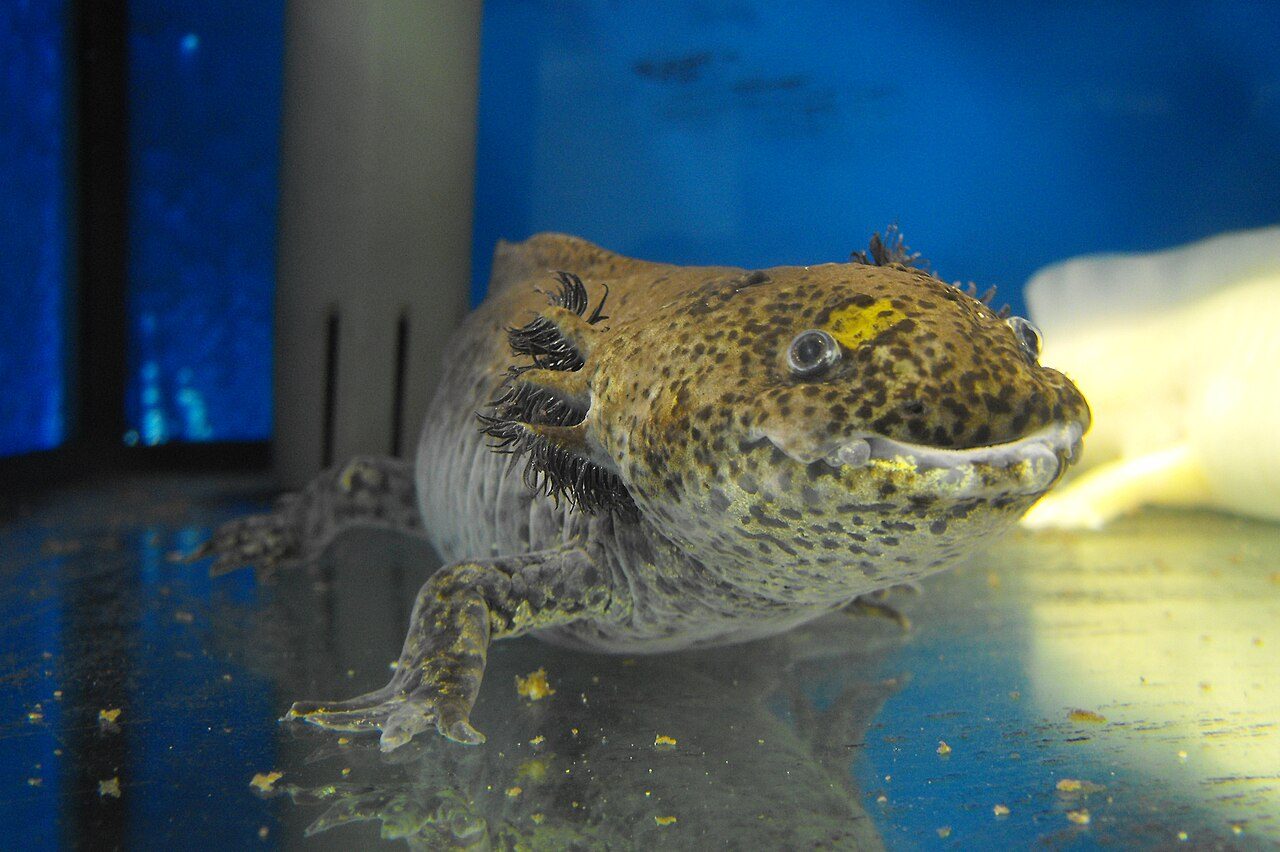
The axolotl, scientifically known as Ambystoma mexicanum, is currently facing a dual reality. While millions of these unique amphibians do well in home aquariums and research laboratories worldwide, their wild counterparts are on the brink of extinction.
Understanding how to help axolotls requires a two-pronged approach that balances high-quality home care with global conservation advocacy. If you focus on ethical practices, you can contribute to the survival of this ancient species while providing a healthy life for your aquatic companions.
This guide explores the most effective ways to support these “water dragons,” from restoring their natural Mexican habitats to preventing common health issues in captivity. Every small action, whether it is improving water filtration or donating to research, makes a significant difference.
At a glance: Axolotl (Ambystoma mexicanum)
- Temperature
- 60–64°F (16–18°C)
- Water pH
- 7.0–8.0
- Adult size
- 9–12 in (23–30 cm)
- Minimum tank
- 20 gal long for one
- Group size
- Alone or same-size adults
- Temperament
- Peaceful, no fish tank mates
- Diet
- Carnivore: earthworms, axolotl pellets, bloodworm
- Lifespan
- 10–15 years
Keeper’s tip: Water above 70°F stresses axolotls quickly; a fan or chiller is often needed in summer.
Understanding the Status of Ambystoma mexicanum
The wild axolotl is native only to the high-altitude lake complex of Xochimilco, near Mexico City. Unfortunately, urbanization, water pollution, and the introduction of invasive species like tilapia and carp have devastated their natural environment.
Current estimates regarding the dwindling numbers in nature suggest that very few individuals remain in the wild. This critical status makes the role of the aquarium hobbyist more important than ever before.
By educating others about their “Critically Endangered” status, you help bring visibility to a species that might otherwise disappear. Raising awareness is the first step toward securing the funding and political will needed for habitat restoration.
how to help axolotls Through Ethical Ownership
One of the most direct ways to help the species is to make sure your own involvement in the hobby does not contribute to ecological damage. This starts with sourcing your pets from reputable, ethical breeders rather than mass-market wholesalers.
Ethical breeders prioritize genetic diversity and health, ensuring that the animals are not suffering from inbreeding or poor early-life conditions. Avoid purchasing from sources that cannot verify the lineage of their animals or those that sell “wild-caught” specimens, which is illegal and highly destructive.
Furthermore, never release a captive axolotl into a local pond or stream. This can introduce diseases to local ecosystems or lead to the death of the animal, as they are not adapted to survive outside their specific Mexican habitat.
Pro Tip: Always ask a breeder for photos of the parents and details about the water parameters the larvae were raised in. This transparency is a hallmark of an ethical seller who cares about the long-term health of the species.
Protecting Wild Populations in Lake Xochimilco
Restoring the natural habitat of the axolotl is the only way to ensure their survival in the wild. Conservationists are currently working with local farmers to restore “Chinampas,” which are traditional floating gardens that provide ideal breeding grounds.
These traditional farming methods create a symbiotic relationship between the land and the water. By supporting organizations that fund Chinampa restoration, you are helping to create a biological refuge where Ambystoma mexicanum can safely reproduce without the threat of invasive predators.
Reducing water pollution is another critical factor. Even from afar, supporting global initiatives that reduce chemical runoff and plastic waste contributes to the overall health of the planet’s freshwater systems, including those in Mexico.
Optimizing Your Aquarium Environment
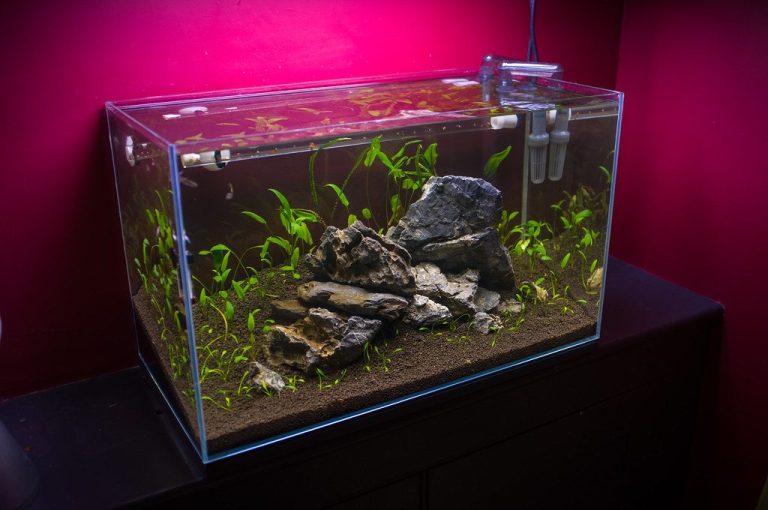
For those who keep these animals at home, providing a perfect environment is a vital form of support. Because of the difficulty of their care, maintaining stable water parameters is the best way to prevent stress and disease.
Axolotls are highly sensitive to water quality due to their permeable skin. High levels of ammonia or nitrite can quickly lead to Ammonia toxicity, which causes visible burns, fraying gills, and eventual death if not corrected immediately.
| Parameter | Ideal Range | Notes |
|---|---|---|
| Temperature | 60°F – 64°F (15°C – 18°C) | Avoid levels above 70°F to prevent heat stress. |
| Ammonia / Nitrite | 0 ppm | Requires a fully established nitrogen cycle. |
| Nitrate | 5 – 20 ppm | Controlled through weekly water changes. |
| pH Level | 7.4 – 7.6 | Axolotls prefer slightly alkaline water. |
The Importance of Proper Filtration
Using Sponge filtration is often the best choice for axolotl tanks. These filters provide excellent biological filtration without creating the strong water currents that stress these bottom-dwelling creatures.
Axolotls have external gills that are easily damaged by heavy flow. A calm environment allows them to move freely and reduces the likelihood of fungal infections caused by chronic stress.
Temperature Control and Cooling
Maintaining a cool temperature is perhaps the most challenging aspect of their care. Many hobbyists utilize Evaporative cooling by placing fans over the surface of the water, which can drop the temperature by several degrees.
In warmer climates, a dedicated aquarium chiller may be necessary. Consistent temperatures prevent the immune system from weakening, which is the primary defense against opportunistic pathogens.
Preventing Health Challenges and Injuries
A healthy axolotl is a resilient one, but they are prone to specific ailments if their environment is neglected. One common issue is Gastrointestinal impaction, which occurs when an axolotl swallows gravel or small stones.
To prevent this, use only fine aquarium sand or keep a bare-bottom tank. Larger river stones are also safe, provided they are significantly larger than the axolotl’s head.
Managing Bacterial and Fungal Infections
If an axolotl becomes ill, it may develop white, cotton-like patches on its skin or gills, often caused by Saprolegnia fungus. This is usually a secondary infection that takes hold when the animal is stressed by poor water quality.
Bacterial infections, such as those caused by Aeromonas, can lead to “Red Leg” or septicemia. Maintaining a clean tank and a sturdy Nitrogen cycle is the most effective way to prevent these dangerous conditions.
Pro Tip: Adding dried Terminalia catappa (Indian Almond Leaves) to the tank releases beneficial tannins. These tannins have mild antibacterial properties and can help soothe the skin of a recovering axolotl.
Using Recovery Solutions
In cases of minor skin irritation or gill damage, some keepers use a diluted Holtfreter’s solution. This specialized salt mix helps maintain the osmotic balance of the water and supports the natural healing processes of the amphibian.
Always consult with a specialized exotic veterinarian before attempting complex medical treatments. Early intervention is key to helping an axolotl recover from injury or illness.
Creating a Stress-Free Habitat
Beyond water chemistry, the physical layout of the tank matters. Axolotls are nocturnal and possess sensitive eyes that lack eyelids, meaning they are easily stressed by bright lights.
Providing plenty of importance of hiding spots allows your pet to retreat from light and feel secure. Large PVC pipes, ceramic pots, and specialized aquarium caves are excellent choices for creating a low-stress environment.
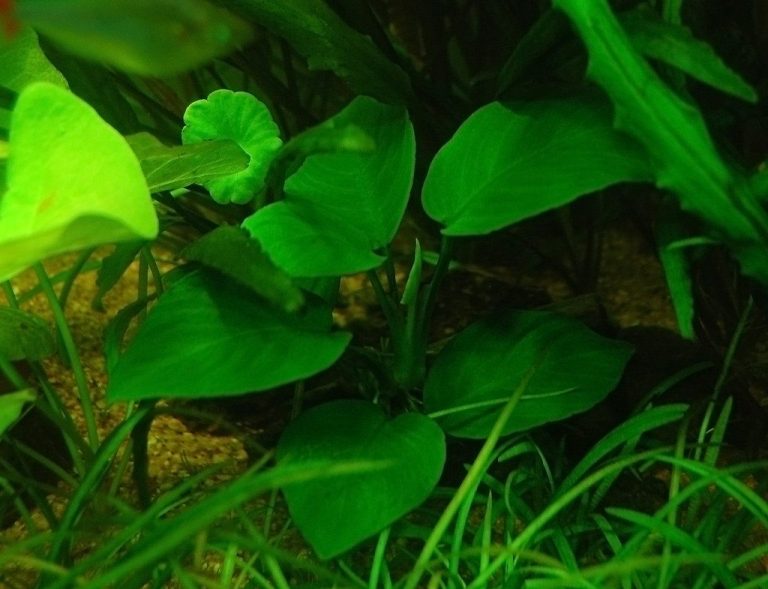
Live plants like Java Fern or Anubias can also provide shade and help absorb excess nitrates. These plants settle in in the cool, low-light conditions that axolotls prefer, making them perfect tank mates.
A few common questions About Axolotl Support
How can I help wild axolotls if I don’t live in Mexico?
You can donate to reputable organizations like the Darwin Initiative or the UNAM (National Autonomous University of Mexico) research programs. These groups work directly on habitat restoration and captive breeding programs designed for reintroduction.
Is it better to adopt or buy from a breeder?
Adopting a “rescue” axolotl from someone who can no longer care for it is a wonderful way to help. However, make sure you have a quarantined setup ready to prevent the spread of any existing illnesses to other aquatic pets.
What is the biggest threat to axolotls today?
In the wild, the biggest threats are habitat loss and water pollution. In captivity, the biggest threat is improper husbandry, specifically high water temperatures and poor waste management.
Can I participate in citizen science?
Yes, by documenting your axolotl’s health and growth and sharing data with community forums, you contribute to a collective understanding of the species. This information helps researchers understand genetic trends and common health issues.
Final Thoughts on Saving the Axolotl
Learning how to help axolotls is a journey that connects the local hobbyist to a global conservation crisis. Whether you are carefully testing your tank’s ammonia levels or sharing educational content about their extinction risk, your efforts contribute to the species’ survival.
If you keep high standards of care and supporting ethical practices, we help that future generations can continue to marvel at these incredible creatures. The axolotl is more than just a pet; it is a biological wonder that deserves our protection and respect.
Through dedicated conservation and responsible ownership, there is still hope for Ambystoma mexicanum. Let us commit to providing the best possible future for these remarkable “water dragons” both in our homes and in their ancestral waters.
- 2003First tank
- 20+Years keeping
- 40+Tanks kept
- 0Sponsored picks
Howard set up his first 10-gallon planted tank in 2003 and lost half of it within six weeks. Two decades and more than forty aquariums later, he writes the guides he wished he had then: clear numbers, the reasons behind them, and what actually goes wrong in home tanks.