Will Axolotls Go Extinct – What You Need to Know
While axolotls face a critical risk of extinction in the wild due to habitat loss and pollution, their well-kept captive populations keep the species survives, though genetic diversity remains a significant concern for conservationists.
The question of whether will axolotls go extinct is one of the most complex topics in modern herpetology and the aquarium hobby. These remarkable creatures, known scientifically as Ambystoma mexicanum, occupy a strange middle ground between biological success and ecological disaster.
While they are incredibly popular in home aquariums and research laboratories, their natural existence is hanging by a thread. To understand their future, we must look at the stark contrast between the millions in captivity and the dwindling few in the wild.
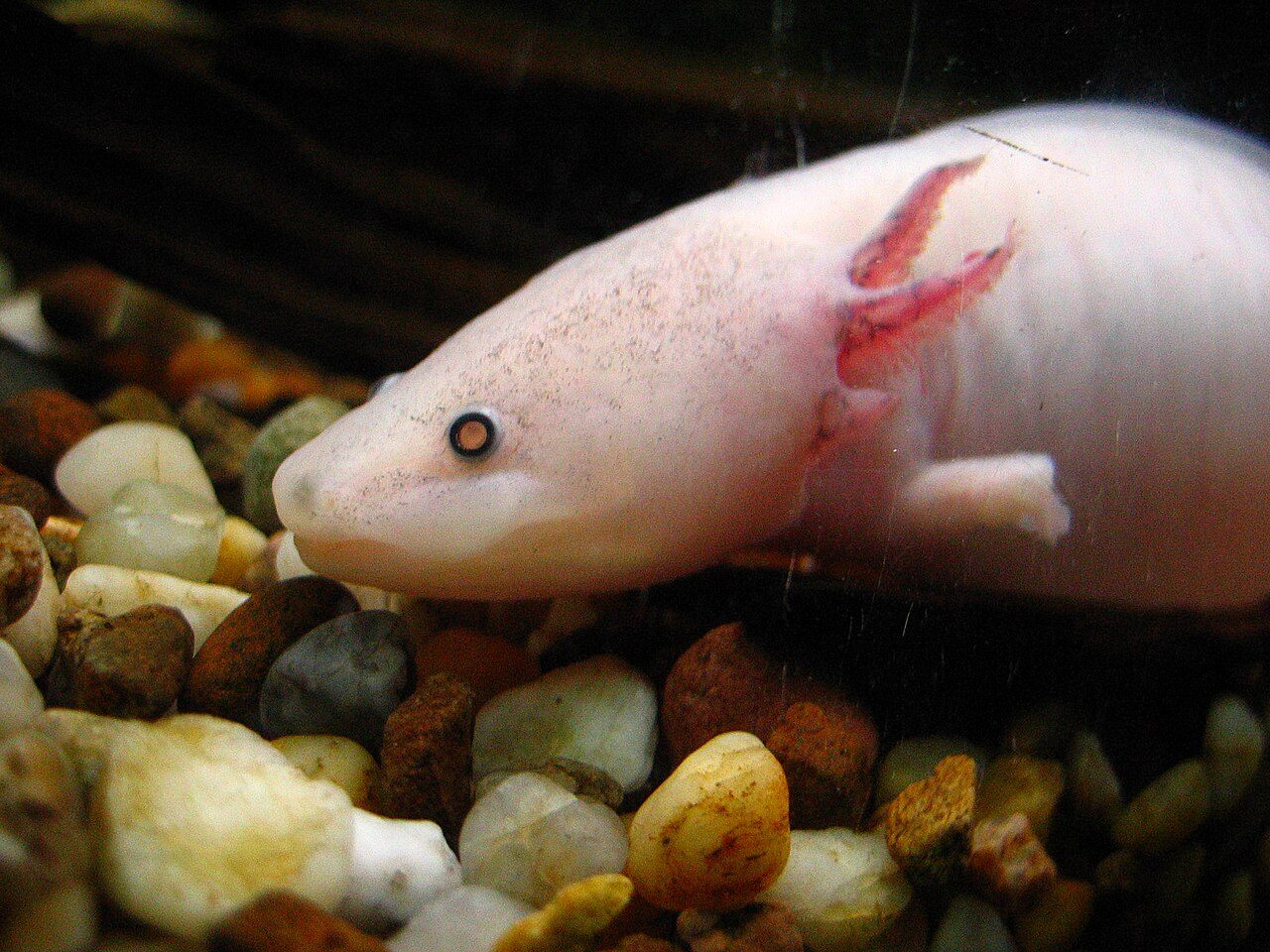
The axolotl is a unique amphibian that exhibits neoteny, meaning it retains its larval features, such as external gills, throughout its entire life. This biological quirk has made them a subject of intense scientific study, but it also makes them highly vulnerable to changes in their specific aquatic environment.
At a glance: Axolotl (Ambystoma mexicanum)
- Temperature
- 60–64°F (16–18°C)
- Water pH
- 7.0–8.0
- Adult size
- 9–12 in (23–30 cm)
- Minimum tank
- 20 gal long for one
- Group size
- Alone or same-size adults
- Temperament
- Peaceful, no fish tank mates
- Diet
- Carnivore: earthworms, axolotl pellets, bloodworm
- Lifespan
- 10–15 years
Keeper’s tip: Water above 70°F stresses axolotls quickly; a fan or chiller is often needed in summer.
The Current State of the Wild Axolotl Population
The natural habitat of the axolotl is restricted to a very small area in the Valley of Mexico. Historically, they thrived in the vast complex of lakes that once covered the region, including Lake Chalco and Lake Xochimilco.
Today, Lake Chalco is almost entirely gone, and Xochimilco has been reduced to a series of canals and artificial islands. This drastic reduction in habitat is the primary reason many scientists fear the population of wild axolotls may never fully recover without massive intervention.
Recent surveys have shown a terrifying decline in density, with some researchers finding fewer than 35 individuals per square kilometer. This is a massive drop from the thousands recorded just a few decades ago, leading to the species being classified as Critically Endangered.
The Impact of Urbanization
Mexico City has expanded rapidly over the last century, placing immense pressure on the surrounding water systems. As the city grew, the demand for water increased, leading to the draining of the very lakes these salamanders call home.
This urbanization has shrunk their territory and also introduced heavy pollutants into the remaining canals. The delicate skin of the Ambystoma mexicanum is highly permeable, making them susceptible to toxins that other species might survive.
Water Quality and Habitat Fragmentation
The remaining canals are often fragmented, preventing different groups of axolotls from meeting and breeding. This isolation further weakens the wild population by limiting the exchange of genetic material across the ecosystem.
When habitats are broken into small, disconnected pieces, the species loses its resilience against localized disasters. A single pollution event or disease outbreak in one canal could wipe out a significant percentage of the remaining wild survivors.
Common Mistake: Many beginners assume that because axolotls are easy to find in pet stores, they must be doing well in nature. In reality, the wild population is nearly extinct, and the “pet” versions are genetically very different from their wild ancestors.
Why will axolotls go extinct in the wild?
Several biological and environmental factors are working against the survival of this species in its native home. One of the most significant issues is eutrophication, which occurs when excess nutrients, often from sewage or fertilizer, enter the water.
This process leads to massive algae blooms that deplete dissolved oxygen levels when they decompose. Since axolotls rely heavily on their external gills to pull oxygen from the water, low oxygen levels cause extreme stress and eventually death.
Beyond chemical changes, the introduction of invasive species has fundamentally altered the food web in Lake Xochimilco. These non-native animals compete for food and directly prey on young salamanders.
The Threat of Invasive Fish
In the 1970s and 80s, the Mexican government introduced fish like the Nile Tilapia (Oreochromis niloticus) and the Common Carp (Cyprinus carpio) to the canals. The goal was to provide a food source for the local human population, but the ecological cost was high.
These fish are highly efficient predators that consume axolotl eggs and juveniles before they have a chance to reach maturity. Because axolotls are slow-moving and lack significant defensive mechanisms, they are easy targets for these aggressive invasive species.
The Problem of Inbreeding Depression
As the wild population shrinks, the risk of inbreeding depression increases significantly. This occurs when closely related individuals mate, leading to a higher frequency of harmful genetic mutations and a weakened immune system.
A population suffering from inbreeding depression is less likely to adapt to changing environments or resist new diseases. This creates a “extinction vortex” where the population becomes smaller and weaker with each passing generation.
Genetic Bottleneck Issues
The wild axolotl population has gone through a severe genetic bottleneck. This means that the current genetic pool is derived from a very small number of survivors, limiting the overall health of the species.
Without a diverse genetic foundation, the wild axolotl lacks the biological “tools” needed to survive future challenges. This is one of the main reasons why scientists are so concerned that the species will axolotls go extinct in their natural environment within our lifetime.
Pro Tip: If you are interested in conservation, support organizations that focus on habitat restoration in Mexico. Simply buying a pet axolotl does not help the wild population; in fact, it can sometimes fuel illegal poaching if not sourced from ethical breeders.
The Role of the Captive Population in Species Survival
While the wild outlook is bleak, the story of axolotls living in home aquariums and labs is quite different. There are likely hundreds of thousands, if not millions, of axolotls in captivity worldwide.
This massive captive population acts as a “genetic insurance policy” for the species. If the wild population does disappear entirely, the species will still exist, even if its original home is lost.
Axolotls in Scientific Research
Axolotls are famous in the scientific community for their incredible ability to regenerate lost limbs, heart tissue, and even parts of their brain. This has led to a massive number of individuals being kept in high-tech laboratories around the globe.
Research colonies are often managed with strict breeding protocols to maintain as much genetic diversity as possible. These lab populations are vital for ensuring that the biological secrets of the axolotl are not lost forever.
The Aquarium Hobbyist Contribution
The popularity of these “water dragons” in the pet trade has ensured that there is a constant demand for captive-bred individuals. Responsible hobbyists who focus on maintaining an axolotl tank correctly help keep the species in the public eye.
However, pet axolotls are often quite different from wild ones, frequently carrying genes from the Tiger Salamander due to past cross-breeding. This means that while they look like axolotls, they might not be suitable for reintroduction into the wild.
Disease Threats and the Chytrid Fungus
A major concern for all amphibians, including the axolotl, is the spread of Batrachochytrium dendrobatidis, commonly known as the chytrid fungus. This pathogen has caused the decline or extinction of hundreds of amphibian species globally.
The fungus affects the keratinized layers of an amphibian’s skin, interfering with their ability to breathe and regulate electrolytes. For a species already stressed by pollution and habitat loss, an outbreak of chytrid could be the final blow.
Monitoring Pathogens in Xochimilco
Conservationists are constantly monitoring the water in Mexico for signs of this fungus and other pathogens. The presence of disease in such a small, concentrated population is a constant threat that requires vigilant management.
In captivity, biosecurity is equally important to prevent the spread of disease between collections. Hobbyists must be careful to quarantine new arrivals and never release captive animals into the wild.
The Risk of Cross-Contamination
When captive axolotls are moved between facilities or sold in the pet trade, there is always a risk of transporting diseases. This is why ethical breeding and sourcing are so critical for the long-term health of the captive population.
If a highly virulent strain of a pathogen were to enter a major breeding facility, it could devastate thousands of individuals. Maintaining diverse and isolated populations across the world is a key strategy for species survival.
Critical Survival Factors for Axolotls
To understand what these animals need to survive, we can look at the ideal conditions they require. These parameters reflect the environment of Lake Xochimilco before it was degraded by human activity.
| Environmental Parameter | Ideal Range | Impact on Survival |
|---|---|---|
| Water Temperature | 60°F – 64°F (15°C – 18°C) | High temperatures cause stress and fungal infections. |
| Dissolved Oxygen | High (7-8 mg/L) | Necessary for gill function and metabolic health. |
| Ammonia / Nitrite | 0 ppm | Highly toxic to permeable amphibian skin. |
| Nitrate | < 20 ppm | Chronic high levels weaken the immune system. |
| pH Level | 7.4 – 7.6 | Makes sure stable water chemistry and skin health. |
Conservation Efforts and the Chinampa System
There is hope for the wild population through innovative conservation projects. One of the most promising is the restoration of the Chinampa system, an ancient Aztec agricultural method.
These “floating gardens” create a network of canals that can be managed specifically for wildlife. By installing filters and barriers, conservationists can create “refugios” (refuges) that are free from invasive fish and pollutants.
Working with Local Farmers
The success of the Chinampa project depends on the cooperation of local farmers in Xochimilco. By encouraging traditional, pesticide-free farming, the water quality in the canals improves, making it habitable for axolotls once again.
These farmers act as guardians of the ecosystem, monitoring the water and protecting the salamanders from poachers. This community-based approach is often more effective than top-down government mandates.
Reintroduction Programs
There have been several experimental reintroductions of axolotls into these protected refuges. While it is still early, these projects provide valuable data on how captive-bred animals adapt to a semi-wild environment.
Reintroduction is a slow and difficult process. It requires making sure that the animals are free of disease and have the necessary instincts to find food and avoid predators in a natural setting.
Common questions About the Extinction of Axolotls
Are axolotls currently extinct?
No, axolotls are not extinct. They are classified as Critically Endangered in the wild, but they exist in large numbers in captivity across the world in labs and homes.
Can I release my pet axolotl to help the wild population?
Absolutely not. Captive axolotls can carry diseases or have different genetics (often mixed with Tiger Salamanders) that could devastate the remaining wild population. Never release any pet into the wild.
Why will axolotls go extinct if they are so popular as pets?
The term “extinct” usually refers to the species as a whole, but “extinct in the wild” is the more immediate threat. Popularity as pets doesn’t save their natural habitat, which is essential for their biological role in the ecosystem.
What is the biggest threat to wild axolotls today?
The combination of habitat loss, water pollution (eutrophication), and predation by invasive species like carp and tilapia are the primary drivers of their decline.
How many wild axolotls are left?
Estimates vary, but many experts believe there are fewer than 1,000 individuals remaining in the wild canals of Xochimilco, and the number may be significantly lower.
Final Thoughts on the Future of the Axolotl
The question of will axolotls go extinct does not have a simple yes or no answer. In terms of the species disappearing from the planet entirely, the answer is likely no, thanks to the massive global captive population.
However, the risk of them becoming “extinct in the wild” is extremely high. Losing the wild Ambystoma mexicanum would be a tragedy, as it means losing the evolutionary context of the species and its unique place in Mexican heritage.
As hobbyists and enthusiasts, our role is to promote ethical breeding, support habitat restoration, and educate others about the difference between pet store axolotls and their wild cousins. By valuing the species both in our tanks and in their native home, we can help help they have a future.
- 2003First tank
- 20+Years keeping
- 40+Tanks kept
- 0Sponsored picks
Howard set up his first 10-gallon planted tank in 2003 and lost half of it within six weeks. Two decades and more than forty aquariums later, he writes the guides he wished he had then: clear numbers, the reasons behind them, and what actually goes wrong in home tanks.