How Many Wild Axolotls Are There – Complete Guide
Estimates suggest fewer than 1,000 wild axolotls remain in their natural habitat, making them critically endangered due to habitat loss, pollution, and invasive species introduction in the Xochimilco canal system.
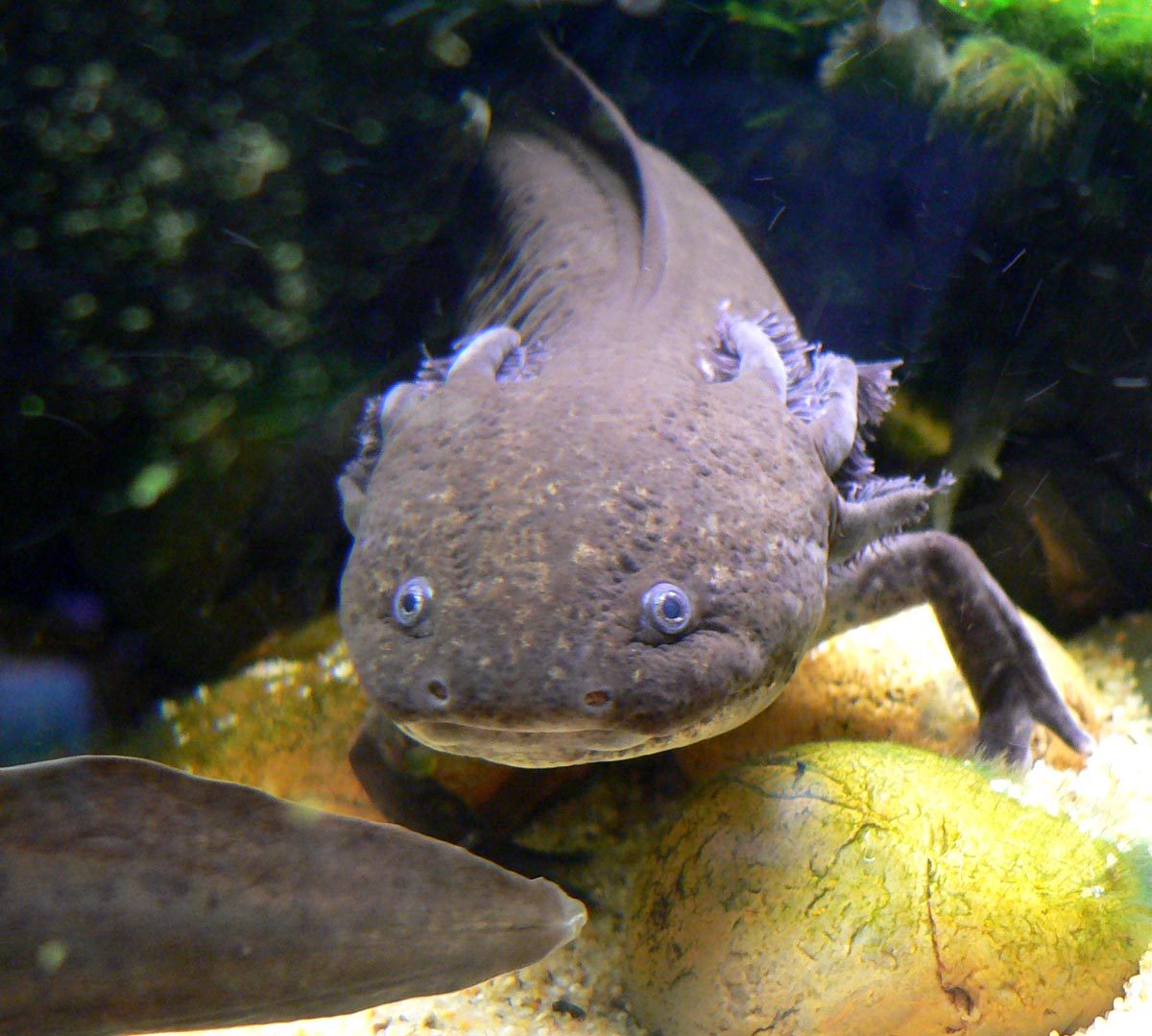
The Ambystoma mexicanum, famously known as the axolotl, has captured the hearts of aquarium enthusiasts worldwide. While these “water dragons” are flourishing in captivity, their story in the wild is a far more somber tale. As someone who has spent over a decade maintaining complex freshwater ecosystems, I often find that the most beautiful species are the ones most vulnerable to human intervention.
Understanding the precarious state of the wild population is essential for any responsible aquarist. When we ask, “how many wild axolotls are there,” we are really asking about the survival of an entire species that exists in only one specific location on Earth.
At a glance: Axolotl (Ambystoma mexicanum)
- Temperature
- 60–64°F (16–18°C)
- Water pH
- 7.0–8.0
- Adult size
- 9–12 in (23–30 cm)
- Minimum tank
- 20 gal long for one
- Group size
- Alone or same-size adults
- Temperament
- Peaceful, no fish tank mates
- Diet
- Carnivore: earthworms, axolotl pellets, bloodworm
- Lifespan
- 10–15 years
Keeper’s tip: Water above 70°F stresses axolotls quickly; a fan or chiller is often needed in summer.
Why Are Wild Axolotl Numbers So Low?
The decline of the axolotl is not a mystery; it is a direct result of environmental degradation. These amphibians are endemic to the Lake Xochimilco complex near Mexico City. Over the last several decades, this area has been drastically altered by urban expansion.
Water quality has plummeted due to agricultural runoff and the release of untreated sewage. Furthermore, the introduction of non-native fish species, such as tilapia and carp, has been devastating. These invasive fish prey on juvenile axolotls and compete for the same food sources, effectively crushing the natural recruitment of the population.
Pro Tip: When keeping captive axolotls, keep in mind that they are extremely sensitive to water quality. Even though your tank is a closed system, the degradation of their natural habitat serves as a constant reminder of why strict adherence to nitrate and ammonia control is non-negotiable for their health.
The Challenges of Counting A Critically Endangered Species
If you search for exact census data, you will find that scientists struggle to provide a definitive headcount. The murky, reed-filled canals of Xochimilco make traditional surveys nearly impossible.
In the 1970s, researchers estimated there were roughly 6,000 axolotls per square kilometer. By 2014, follow-up surveys found that number had plummeted to fewer than 35 individuals per square kilometer. This rapid decline illustrates exactly why the species is listed as critically endangered by the IUCN.
Understanding the Habitat Crisis
The canals are shrinking and becoming increasingly polluted. As the surrounding city grows, the natural filtration systems of the wetlands are overwhelmed. Without a clean, stable environment, these creatures cannot breed successfully, and the wild population continues to age without younger generations replacing them.
A Snapshot of Axolotl Biology vs. Habitat Needs
To understand why they struggle in the wild while healthy in our tanks, we must compare their ideal environment with the current state of the Xochimilco canals.
| Parameter | Captive Requirement | Wild Reality |
|---|---|---|
| Water Temperature | 60°F – 68°F | Highly Fluctuating |
| Nitrate Levels | Below 20 ppm | Often High (Polluted) |
| Predator Presence | None | High (Tilapia/Carp) |
Conservation Efforts and the Future of the Species
There is a glimmer of hope. Several non-profit organizations and government programs in Mexico are working on “axolotl refuges.” These are areas within the canal system that are fenced off to keep invasive fish out.
Local farmers are being encouraged to use organic farming methods to reduce the amount of chemicals entering the water. If we can restore the natural balance of the Xochimilco ecosystem, the axolotl may have a chance to recover. You can learn more about their ancient history to understand just how resilient this species has been throughout time.
Common Mistakes When Caring for Captive Axolotls
Because the wild population is so fragile, it is our duty as hobbyists to make sure every captive axolotl lives its full lifespan. I have seen many beginners make simple errors that lead to health issues.
- Ignoring Water Cooling: Axolotls are cold-water creatures. Using a chiller or specialized fans is often required to keep the water within a safe range.
- Choosing Incorrect Substrate: Never use gravel. Axolotls are suction feeders and will ingest loose substrate, which leads to fatal impaction.
- Inadequate Filtration: While they don’t like high flow, they produce a significant amount of waste. You need a filter that handles biological load without creating a “whirlpool” effect in the tank.
Common Mistake: Many new owners mistakenly treat their axolotl like a tropical fish. Keeping them in temperatures above 70°F for extended periods is a leading cause of stress-related illness and metabolic failure.
Questions I get asked a lot
Is it possible to buy a wild-caught axolotl?
No. It is illegal to capture or trade wild axolotls. All specimens in the hobby are captive-bred, which is vital for the conservation of the species.
Can I help save the wild population?
Yes, by supporting reputable conservation organizations that work directly with the local communities in Xochimilco to improve water quality and protect natural refuges.
How many wild axolotls are there compared to captive ones?
There are exponentially more axolotls in labs and home aquariums than there are in the wild. Some estimates suggest the captive population is in the tens of thousands, while the wild population is likely in the low hundreds.
Why don’t they just breed them and release them?
Reintroduction is incredibly difficult. Without a clean, predator-free environment, released axolotls would likely perish quickly. Habitat restoration must happen before any large-scale repopulation efforts can succeed.
Final thoughts
The question “how many wild axolotls are there” serves as a sobering reminder of our impact on the natural world. While we enjoy these unusual creatures in our living rooms, their wild counterparts are fighting for survival in a changing landscape.
If you provide the best possible care for our own pets and staying informed about conservation efforts, we contribute to the awareness needed to keep this species from disappearing entirely. Every healthy axolotl in an aquarium is a sign of the species’ endurance, but the true victory will be seeing them stay healthy once again in the wild canals of Mexico.

- 2003First tank
- 20+Years keeping
- 40+Tanks kept
- 0Sponsored picks
Howard set up his first 10-gallon planted tank in 2003 and lost half of it within six weeks. Two decades and more than forty aquariums later, he writes the guides he wished he had then: clear numbers, the reasons behind them, and what actually goes wrong in home tanks.