Aquarium Plant Biomass – The Secret To A Balanced And Algae-Free Tank
Aquarium plant biomass refers to the total quantity of living plant material in your tank. High biomass is essential for nutrient competition against algae, providing oxygen, and creating a stable, self-cleaning ecosystem for your fish.
When you first step into planted tanks, it is easy to focus on individual species or the aesthetic of a single “hero” plant.
However, after maintaining dozens of setups over the last decade, I have learned that the most successful tanks share one hidden secret: high aquarium plant biomass.
This concept isn’t just about how many plants you have, but rather the total volume and biological activity of that greenery working together to process waste.
In this guide, we will explore why biomass is the “engine” of your aquarium and how you can manipulate it to achieve a crystal-clear, flourishing environment.
Understanding the Fundamentals of Aquarium Plant Biomass
At its core, biomass is the total mass of living biological organisms in a given area.
In our hobby, we use it to describe the “density” of the forest you have created underwater.
A tank with high aquarium plant biomass acts as a massive biological filter, far more efficient than any sponge or ceramic media you can buy.
Why Volume Matters More Than Variety
Many beginners make the mistake of buying ten different species but only one small stem of each.
In my experience, this “collectoritis” often leads to algae because the total amount of plant tissue is too low to compete with opportunistic spores.
When you start with a high volume of stems, the macronutrient sequestration happens almost immediately, locking away nitrogen and phosphorus before algae can touch them.
The Science of Nitrogen Uptake
Plants do not just look pretty; they are actively feeding on the waste produced by your fish and decaying food.
The nitrogen uptake rate of a tank is directly proportional to the amount of healthy, growing green tissue present.
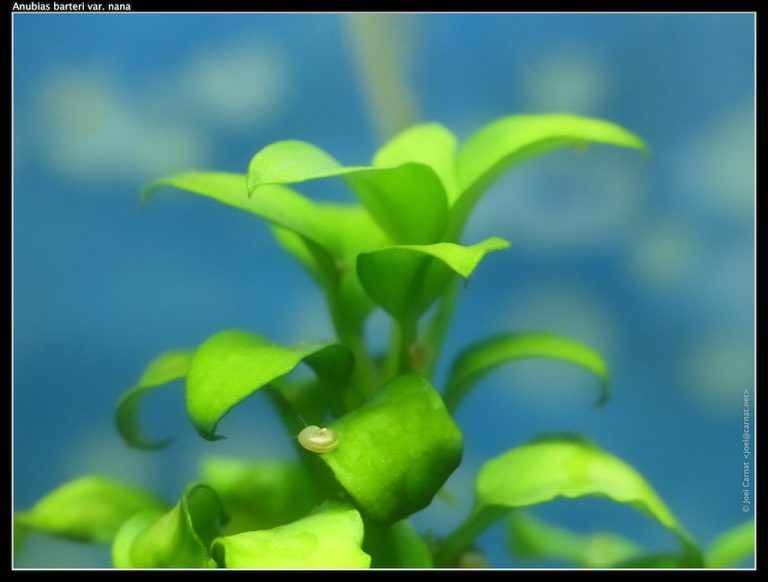
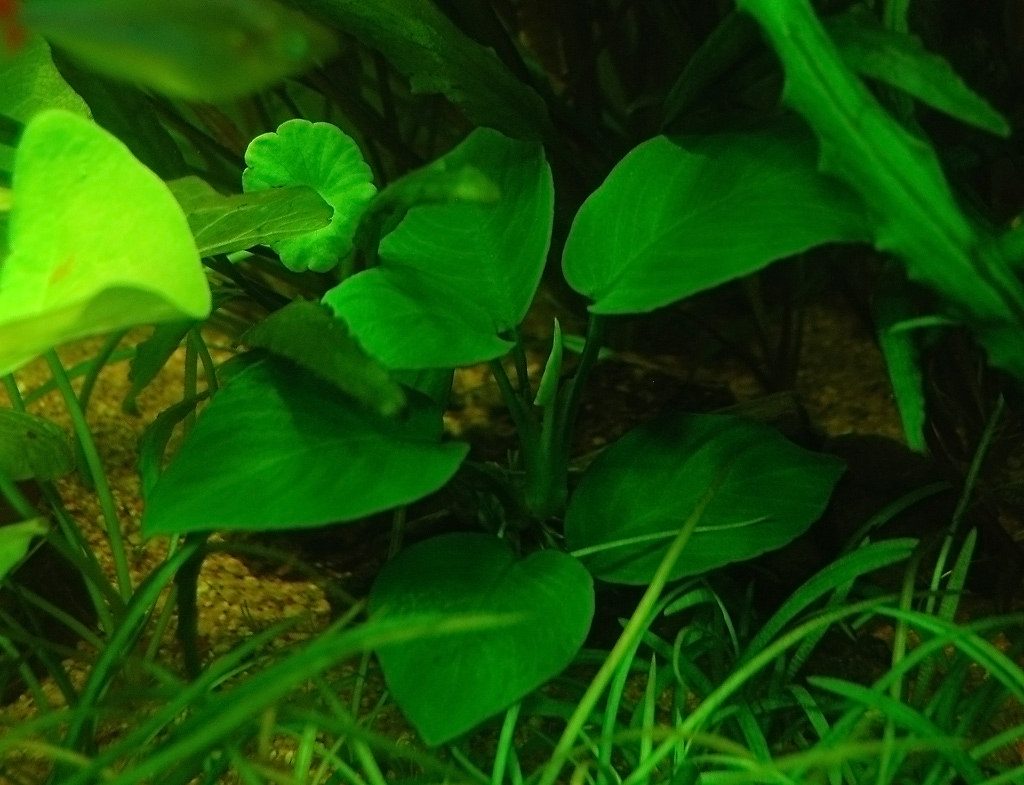
A single large bush of Ceratophyllum demersum (commonly known as Hornwort) can process more ammonia in a day than a dozen slow-growing Anubias leaves.
Pro Tip: The “70% Rule”
When setting up a new tank, try to cover at least 70% of the substrate with plants from day one. This high initial biomass prevents the “new tank syndrome” algae blooms that frustrate so many new keepers.
The Role of Growth Rates and Specific Leaf Area
Not all biomass is created equal when it comes to keeping your water clean.
The efficiency of a plant depends heavily on its specific leaf area, which is the ratio of leaf surface area to its dry mass.
Plants with thin, expansive leaves are often better at absorbing nutrients and light than those with thick, waxy cuticles.
Fast Growers vs. Slow Growers
Fast-growing stem plants are the “workhorses” of the aquarium.
They have a high phytoremediation capacity, meaning they are exceptionally good at removing heavy metals and toxins from the water column.
If you are struggling with nitrates, adding species like Water Sprite or Rotala will increase your biomass and solve the problem faster than any chemical resin.
Light Absorption and PAR
To maintain a high level of aquarium plant biomass, you must provide enough photosynthetically active radiation (PAR).
This is the specific spectrum of light that plants use for photosynthesis.
Without adequate PAR, your plants will “melt” or become “leggy,” effectively reducing your active biomass and leaving the door open for algae.
Balancing the Ecosystem: Biomass and Water Chemistry
High plant density changes the chemistry of your water in interesting ways.
Plants interact with the cation exchange capacity (CEC) of your substrate, pulling nutrients from the ground and releasing oxygen into the root zone.
This process prevents the substrate from becoming “anaerobic” or toxic to your fish over time.
The Carbon-to-Nitrogen Ratio
To keep your plants growing fast, you must maintain a proper carbon-to-nitrogen ratio.
If you have a massive amount of plant tissue but no CO2, the plants will stall.
When growth stalls, the plants may release dissolved organic carbon (DOC) back into the water, which can actually fuel algae growth.
| Parameter | Low Biomass Tank | High Biomass Tank |
|---|---|---|
| Nitrate Stability | Fluctuates wildly; depends on water changes. | Very stable; plants consume waste rapidly. |
| Algae Risk | High; nutrients are readily available for algae. | Low; plants outcompete algae for resources. |
| Oxygen Levels | Moderate; depends on surface agitation. | High; plants produce O2 during the day. |
| Fish Stress | Higher due to lack of hiding spots. | Lower; plenty of natural cover and security. |
Chemical Warfare: Allelopathy
Some plants are smarter than we give them credit for.
They produce allelopathic compounds, which are natural chemicals that inhibit the growth of competing organisms like algae or other plants.
If you keep a diverse and high aquarium plant biomass, you create a chemical environment that is naturally resistant to green water and hair algae.
Strategic Planting for Maximum Impact
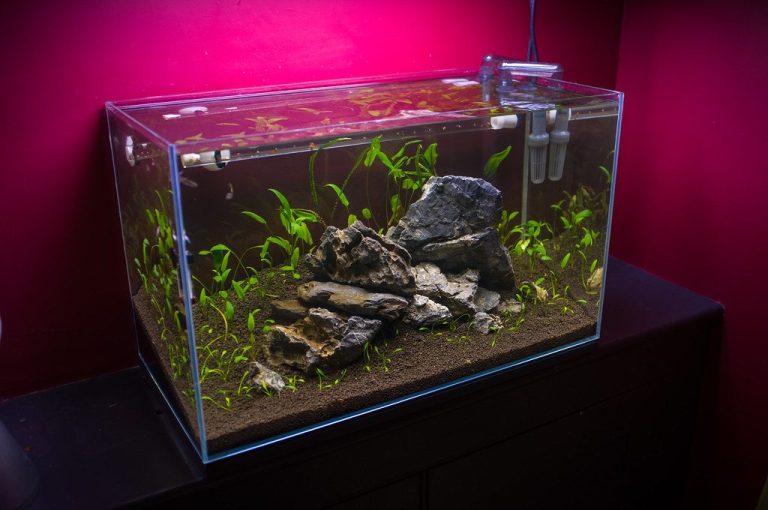
If you want to maximize your biomass without making the tank look like a cluttered mess, you need a plan.
I always recommend a “layered” approach to planting.
This helps make sure that every inch of the water column is being utilized by a different type of plant tissue.
The Importance of Floating Plants
Floating plants are the undisputed champions of nutrient export.
Because they have access to atmospheric CO2, their growth is not limited by the carbon levels in the water.
Adding a layer of Frogbit or Salvinia can triple your total aquarium plant biomass in just a few weeks.
Carpeting Plants and Substrate Health
While they don’t add as much vertical volume, carpeting plants provide a massive surface area for beneficial bacteria.
A healthy “carpet” creates a barrier that prevents waste from settling deep into the substrate where it can rot.
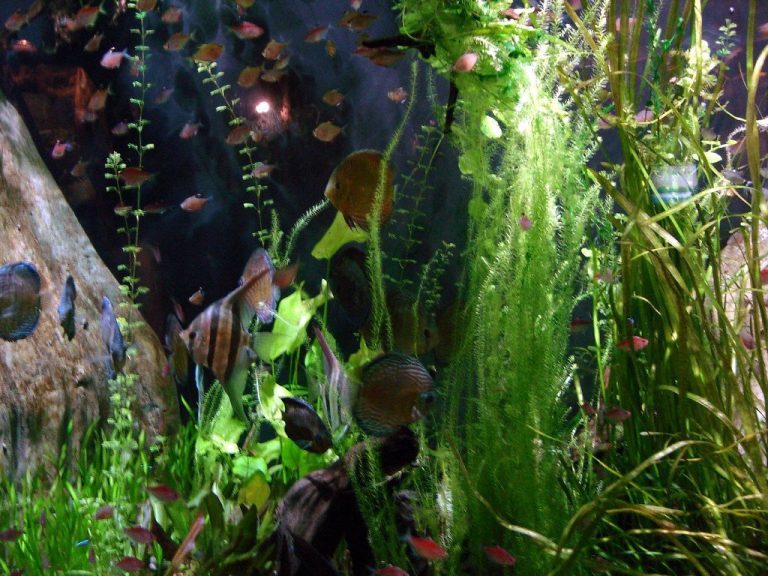
If you are keeping angelfish in a planted aquarium, a dense carpet provides a beautiful contrast to their graceful vertical movement.
Common Mistake: Trimming Too Much at Once
I’ve noticed that many hobbyists panic when their tank looks “overgrown” and trim 50% of the biomass in one day. This sudden drop in nutrient uptake often triggers an immediate algae bloom. Always trim in stages to keep the biomass stable.
Maintaining High Biomass Over the Long Term
As your plants grow, their needs will change.
A tank that was perfectly balanced two months ago might become nutrient-deficient as the biomass doubles.
You must be prepared to adjust your fertilization and gas exchange to keep up with the demand.
CO2 and Biomass Correlation
The more plant mass you have, the more carbon they will demand.
If you are using a pressurized system, you may find that you need to increase your bubble rate as the tank matures.
To help your system is running at peak performance, check out our guide on optimizing aquarium CO2 efficiency.
Pruning for Health, Not Just Aesthetics
Pruning is actually a way to “reset” your biomass.
When you cut a stem, the plant often responds by branching out, which actually increases the total leaf surface area.
By removing old, decaying leaves, you prevent them from releasing nutrients back into the water, keeping the phytoremediation capacity at its peak.
Selecting the Right Fish for a High-Biomass Tank
Not all fish are suited for a jungle-like environment.
Large, boisterous fish might uproot your hard-earned biomass, while others might view it as a salad bar.
For example, if you have a massive amount of soft-leaved plants, you might want to avoid certain species that are known for eating aquarium greenery.
The Benefit for Small Schooling Fish
Small tetras and rasboras stay healthy in high-biomass environments.
The dense foliage provides them with a sense of security, which leads to better coloration and more natural behavior.
In my experience, a heavily planted tank reduces “glass surfing” and stress-related illnesses significantly.
Clean-Up Crews and Plant Health
Shrimp and snails are the perfect partners for a high-biomass setup.
They spend their days cleaning the “biofilm” off the leaves, making sure that the plants can photosynthesize efficiently.
Without a reliable cleaning crew, dust and organic debris can settle on the leaves, choking the plant and reducing its effectiveness.
Troubleshooting Biomass Decline
Sometimes, despite your best efforts, your aquarium plant biomass might start to dwindle.
This is usually a sign that one of the core pillars of plant growth—light, nutrients, or carbon—is missing.
Identifying Nutrient Deficiencies
If your new leaves are pale or distorted, your plants are likely suffering from a lack of macronutrients.
Plants will often “sacrifice” their old leaves to move nutrients to new growth, which actually decreases your total functional biomass.
Always look for signs of yellowing or holes, as these are early warning signals that your “biological filter” is failing.
Managing Light Shadows
As the biomass increases, the top layers of plants will inevitably shade the bottom layers.
If the bottom leaves start to rot, they contribute to the organic load of the tank rather than helping it.
Regular thinning of the upper canopy is essential to make sure light reaches the lower stems.
Worth knowing before you start
- Yellowing older leaves often point to nitrogen or potassium shortage; yellowing new leaves usually point to iron.
- Epiphytes like java fern and anubias should be tied to rock or wood; burying the rhizome rots it.
- Most planted tanks do well with 6–8 hours of light per day; longer photoperiods usually just grow more algae.
- Trim stem plants above a node and replant the tops for denser growth.
Questions I get asked a lot
How much aquarium plant biomass do I actually need?
There is no “perfect” number, but a good rule of thumb is that the plants should occupy at least 50% of the visible space in the tank. If you can see the back glass clearly, you probably don’t have enough biomass to fully combat algae.
Can I have too much biomass?
Yes, but only if it restricts water flow. If the plants are so thick that the water cannot circulate, you may develop stagnant “dead spots” where waste accumulates. Good flow is just as important as the plants themselves.
Does high biomass replace the need for a filter?
While high biomass provides incredible biological filtration, I still recommend using a mechanical filter to remove large particles. However, in a “Walstad” style tank, the plants do become the primary filtration system.
Which plants provide the most biomass quickly?
Stem plants like Hygrophila, Rotala, and Egeria densa are the fastest ways to build biomass. Floating plants like Salvinia and Amazon Frogbit are also incredibly effective.
Does biomass affect the pH of my water?
Yes. During the day, plants consume CO2, which can cause the pH to rise slightly. At night, they release CO2, which can cause the pH to drop. In a high-biomass tank, this fluctuation is normal and usually safe for fish.
Final thoughts
Mastering aquarium plant biomass is the turning point for many hobbyists.
It is the shift from simply “keeping plants” to “managing an ecosystem.”
If you focus on density, growth rates, and nutrient uptake, you create a tank that is beautiful and also resilient and healthy.
A leafy, green tank isn’t just an aesthetic choice; it is the most powerful tool you have for maintaining perfect water quality.
Start by adding more stems than you think you need, keep your light and CO2 balanced, and watch as your aquarium transforms into a flourishing, self-sustaining world.

- 2003First tank
- 20+Years keeping
- 40+Tanks kept
- 0Sponsored picks
Howard set up his first 10-gallon planted tank in 2003 and lost half of it within six weeks. Two decades and more than forty aquariums later, he writes the guides he wished he had then: clear numbers, the reasons behind them, and what actually goes wrong in home tanks.