Are Sulcata Tortoises Easy To Take Care Of? The Ultimate Guide
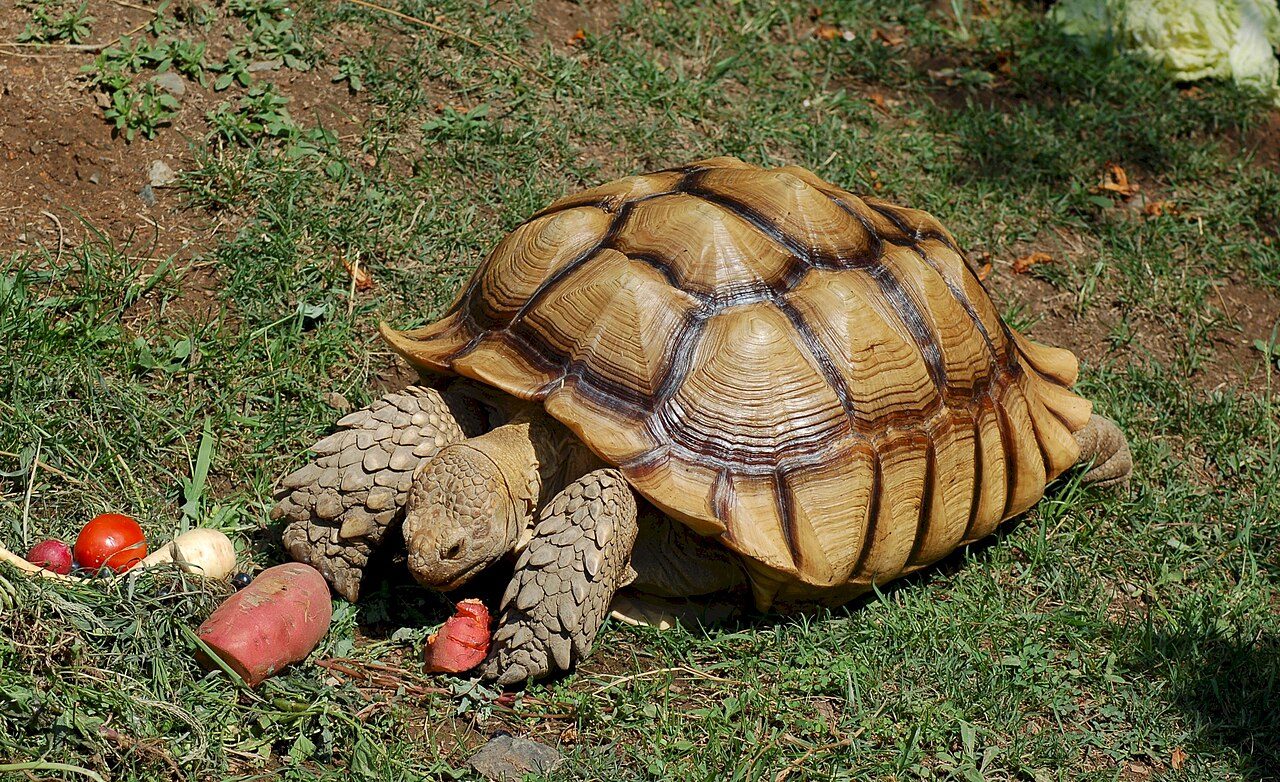
Sulcata tortoises are easy in terms of personality but difficult due to their massive size, 70-year lifespan, and strict environmental needs. They require significant outdoor space and specialized lighting to flourish long-term.
Many enthusiasts who start with the easiest freshwater fish to care for eventually find themselves drawn to reptiles. The African Spurred Tortoise, scientifically known as Centrochelys sulcata, is often one of the first species people consider.
In my experience, the answer to whether are sulcata tortoises easy to take care of is a bit of a double-edged sword. While they are incredibly hardy and have charming, dog-like personalities, their physical requirements are immense.
When I first started keeping larger reptiles alongside my aquariums, I realized that “easy” is a relative term in the hobby. For a hatchling, the care is straightforward, but for an adult weighing 150 pounds, the challenge is entirely different.
At a glance: Sulcata tortoise (Centrochelys sulcata)
- Temperature
- Basking 95–100°F (35–38°C)
- Adult size
- 24–30 in shell (60–76 cm)
- Enclosure
- Outdoor pen for adults
- Group size
- Alone
- Temperament
- Docile, strong diggers
- Diet
- Herbivore: grasses, hay, weeds, low-sugar greens
- Lifespan
- 70+ years
Keeper’s tip: Adults outgrow any indoor enclosure; plan for a secure outdoor pen early.
Understanding the Sulcata Tortoise Growth and Size
The most important factor in determining if are sulcata tortoises easy to take care of is their rapid growth rate. These animals do not stay small for long, and a tiny hatchling can quickly become a literal bulldozer in your backyard.
A hatchling might fit in the palm of your hand, but they are the third-largest tortoise species in the world. Within just a few years, you will need to transition from an indoor enclosure to a massive outdoor habitat.
| Life Stage | Typical Weight | Enclosure Size Needed |
|---|---|---|
| Hatchling (0-2 years) | 1-5 lbs | 40-75 gallon tank or tub |
| Juvenile (3-10 years) | 10-50 lbs | Small outdoor pen (10′ x 10′) |
| Adult (15+ years) | 80-200 lbs | Large backyard (50′ x 50′) |
The Space Challenge
Providing enough room for a mature Centrochelys sulcata is often the hardest part of their care. They are active grazers and need several hours of movement every day to maintain their health.
If you live in a small apartment or a house with a tiny yard, this is not the right pet for you. They are strong enough to knock over fences and dig massive burrows that can undermine garden structures.
Pro Tip: Always reinforce your outdoor fences with a concrete footer. Sulcatas are expert diggers and will easily tunnel under a standard wooden fence if they decide the neighbor’s grass looks greener.
Dietary Needs and Nutrition
The diet of a sulcata is relatively simple, but it must be strictly followed to prevent health issues. They are strict herbivores that require a diet very high in fiber and very low in protein.
In the wild, they spend most of their time grazing on tough, dried grasses and weeds. Replicating this in a home environment is essential for their long-term survival.
The Importance of the Calcium-to-Phosphorus Ratio
One of the most critical aspects of their nutrition is the calcium-to-phosphorus ratio. Their food should ideally have a 2:1 ratio of calcium to phosphorus to support healthy bone and shell growth.
If this balance is off, the tortoise may develop Metabolic Bone Disease (MBD). This condition leads to soft shells, deformed limbs, and a painful, shortened life.
Daily Feeding Essentials
Your tortoise should have constant access to high-quality grasses like Timothy hay, Orchard grass, or Bermuda grass. You can supplement this with occasional leafy greens like dandelion greens, mulberry leaves, and hibiscus flowers.
Avoid feeding them fruit, as the high sugar content can disrupt their gut flora and lead to parasitic blooms. They are not built to process the sugars found in apples or berries.
Environmental Controls and Lighting
Because these animals come from the arid regions of sub-Saharan Africa, they have very specific environmental needs. Proper thermoregulation is vital for their digestion and immune system.
If they cannot reach their preferred body temperature, their metabolism will slow down significantly. This can lead to respiratory infections and other serious health complications.
The Necessity of UVB Lighting
For indoor hatchlings, a UVB 10.0 T5 HO bulb is an absolute requirement. Without high-intensity UVB light, the tortoise cannot synthesize Vitamin D3, which is necessary for calcium absorption.
Even with the best diet, a lack of UVB will inevitably lead to Metabolic Bone Disease. This is a common mistake made by beginners who try to use cheap “all-in-one” bulbs that don’t provide enough output.
Microclimate Humidity
While they are desert animals, hatchlings actually require a microclimate humidity of around 70-80%. In the wild, young tortoises spend most of their time in humid burrows to avoid dehydration.
If the environment is too dry during their first few years, they will develop pyramiding. This is a condition where the carapace scutes grow upward into points rather than staying smooth.
Common Mistake: Many keepers assume “desert species” means “bone dry.” Keeping a hatchling in a dry environment is the number one cause of early death and shell deformities.
Common Health Issues to Monitor
Even if you think are sulcata tortoises easy to take care of, you must be vigilant about their health. Tortoises are masters at hiding illness until it is very advanced.
Regularly checking their behavior, appetite, and waste is the best way to catch problems early. A healthy tortoise is alert, active, and has clear eyes and nostrils.
Identifying Pyramiding and MBD
As mentioned earlier, pyramiding is a permanent deformity of the shell. While it doesn’t always kill the tortoise, it is a sign that the environmental conditions were not ideal during growth.
Metabolic Bone Disease is far more serious and can be fatal. Look for signs like a “soft” shell that gives way under pressure or a tortoise that drags its back legs while walking.
Substrate Impaction and Hydration
Substrate impaction occurs when a tortoise accidentally eats its bedding, such as sand or small gravel. This can block their digestive tract and require veterinary intervention.
I’ve noticed that keeping them hydrated also helps with urate excretion. You should see a white, creamy substance in their waste; if it becomes gritty or hard, the tortoise is likely dehydrated.
Long-Term Commitment and Lifespan
When asking if are sulcata tortoises easy to take care of, you have to look 50 years into the future. These animals can easily live for 70 to 100 years in captivity.
This means a sulcata is not just a pet; it is a family member that you will likely need to include in your will. Many tortoises outlive their original owners, leading to a crisis in reptile rescues.
The “Bulldozer” Phase
As they reach adult size, their sheer strength becomes a factor in their care. They can move heavy patio furniture, break through screen doors, and even damage the siding on your house.
Maintaining their habitat requires physical strength and regular maintenance. You will spend a significant amount of time cleaning up large amounts of waste and repairing “home improvements” made by the tortoise.
Creating the Perfect Habitat
A successful habitat for Centrochelys sulcata must provide a range of temperatures and textures. This allows the animal to choose exactly what its body needs at any given moment.
For outdoor setups, you must provide a heated “night box” or shed. Even in warmer climates, nighttime temperatures can drop too low for a tortoise to safely stay outside without a heat source.
| Parameter | Target Range | Notes |
|---|---|---|
| Basking Temperature | 95°F – 105°F | Essential for digestion |
| Cool Side Temperature | 75°F – 80°F | Allows for cooling down |
| Nighttime Minimum | 65°F | Provide heat if it drops lower |
| Humidity (Hatchlings) | 70% – 80% | Prevents shell pyramiding |
Indoor vs. Outdoor Housing
While hatchlings do well in large tubs or enclosures, adults must live outdoors. The sheer volume of waste they produce makes indoor keeping for adults nearly impossible for the average hobbyist.
Just like maintaining a large tank for a pleco fish, an outdoor tortoise pen requires regular cleaning to prevent odors and pests.
Questions I get asked a lot
Are sulcata tortoises good for beginners?
They are “good” in that they are hardy, but they are “bad” because of their eventual size. I usually recommend a smaller species like a Russian or Greek tortoise for first-time owners.
How often should I soak my sulcata tortoise?
Hatchlings should be soaked in shallow, lukewarm water for 15-20 minutes at least three to four times a week. This ensures they stay hydrated and helps with regular bowel movements.
Can they live with other pets?
Generally, no. Dogs are the number one predator of pet tortoises, often viewing them as a “chew toy.” It is best to keep your tortoise in a secure area where other pets cannot reach them.
What do they eat in the winter?
If grass isn’t growing, you can use hay pellets (soaked in water) and dark leafy greens. However, hay should still make up the vast majority of their caloric intake.
Why is my tortoise’s shell turning bumpy?
This is pyramiding, usually caused by a combination of low humidity and a diet that is too high in protein or sugar. It is irreversible but can be stopped with better care.
Final thoughts
So, are sulcata tortoises easy to take care of? If you have a large backyard, a warm climate, and a lifelong commitment to their well-being, they can be wonderful companions.
However, for the average person, their massive size and specialized needs make them one of the more challenging reptiles to keep successfully over the long term. They are much like a bristlenose pleco in an aquarium—they start small and helpful but eventually require their own dedicated space.
Always do your research and make sure you have the resources to care for a 200-pound animal before bringing a hatchling home. With the right preparation, a sulcata tortoise can be a satisfying and remarkable addition to your life for decades to come.

- 2003First tank
- 20+Years keeping
- 40+Tanks kept
- 0Sponsored picks
Howard set up his first 10-gallon planted tank in 2003 and lost half of it within six weeks. Two decades and more than forty aquariums later, he writes the guides he wished he had then: clear numbers, the reasons behind them, and what actually goes wrong in home tanks.