Small Fish Tank Designs – A Guide To Creating Thriving Nano Ecosystems
Small fish tank designs focus on maximizing biological stability and aesthetic appeal through precise equipment selection, appropriate stocking, and a balanced ecosystem, ensuring long-term success for nano-scale aquariums.
Designing a compact aquatic environment is one of the most satisfying challenges an aquarist can undertake. When you work with a limited volume of water, every decision—from the substrate choice to the flow rate—becomes magnified.
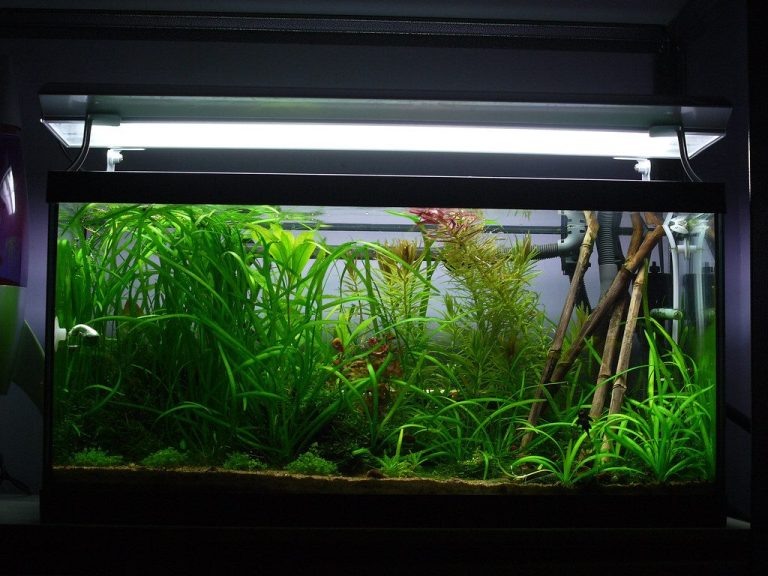
Over the past decade, I’ve found that the what really counts with nano aquariums isn’t just about the hardware; it’s about understanding the delicate balance of the nitrogen cycle in a smaller volume. Whether you are aiming for an Iwagumi layout or a leafy, jungle-style planted tank, the principles of chemistry and biology remain your most important tools.
The Foundation of Nano Success
When planning your layout, the first step is selecting the right equipment to maintain stability. In a small volume, surface agitation is critical to keep proper gas exchange.
I often prefer sponge filtration for these setups. These filters provide excellent biological capacity without creating the strong currents that can stress tiny inhabitants like Boraras brigittae.
Common Mistake: Many beginners underestimate how quickly water parameters fluctuate in a 5 or 10-gallon tank. I always recommend testing your water at least twice a week during the first few months to stay ahead of potential ammonia spikes.
Choosing Your Substrate and Flora
For those looking to grow demanding carpet plants like Hemianthus callitrichoides, an active buffering substrate is non-negotiable. This material helps lower the pH and hardness, creating the soft, slightly acidic water that many delicate nano species stay healthy in.
When you add plants, keep in mind that they are your primary filtration partners. In my experience, a heavily planted tank is far more forgiving than a bare-bones setup because the flora actively competes with algae for nitrates.
| Feature | Nano Requirement | Recommendation |
|---|---|---|
| Filtration | Gentle but consistent | Sponge or nano-canister |
| Lighting | Adjustable spectrum | LED with dimming |
| CO2 | Optional but beneficial | Pressurized CO2 diffusion |
Managing Livestock and Compatibility
Stocking a small tank requires restraint. It is easy to get excited by the variety of available species, but overstocking is the fastest path to failure in a small-volume environment.
If you choose to keep Neocaridina davidi shrimp, focus on providing plenty of hiding spots like moss or cholla wood. These invertebrates are sensitive to sudden changes, so help your maintenance schedule is consistent and gentle.
Pro Tip: When stocking, consider the “bioload per gallon” rule rather than just fish size. Even small fish produce waste that can overwhelm a tiny filter if the population density is too high.
The Role of CO2 in Small Fish Tank Designs
If your goal is to grow high-light plants, you will likely need to implement pressurized CO2 diffusion. This is the difference between plants that merely survive and plants that settle in.
Be mindful that CO2 lowers pH. If you are keeping sensitive species, ensure you have a drop checker to monitor levels constantly, as fluctuations in a small tank happen much faster than in larger aquariums.
Maintenance Schedules for Longevity
The long-term success of your tank depends on your discipline. Because there is less water to dilute toxins, I perform 15-20% water changes weekly.
This keeps nitrates in check and replaces essential minerals depleted by your plants. Always remember to match your new water temperature to the tank water to prevent thermal shock.
Keeper’s notes
- Rinse new substrate and decor in plain water; soap residue is toxic to fish.
- Leave room behind the tank for filter hoses, heater cords and a drip loop on every plug.
- Budget for running costs, not just the tank: food, test kits, water conditioner, electricity and replacement filter media.
- Buy the largest tank your space and budget allow; bigger volumes are more stable and forgiving.
A few common questions
Can I keep a school of fish in a 5-gallon tank?
Most schooling fish require more horizontal swimming space than a 5-gallon tank provides. I recommend sticking to species that exhibit “micro” behaviors, such as shrimp or singular specimen fish, to make sure they have enough room to flourish.
How do I prevent algae in a small tank?
Algae is usually a symptom of an imbalance between light, CO2, and nutrients. Reduce your light duration to 6-7 hours and make sure your plants are growing vigorously to outcompete the algae for available nutrients.
Is a heater necessary for all small tanks?
Not necessarily, but it is highly recommended for tropical species. Even if your room stays warm, temperature swings at night can stress your fish, so a small, adjustable heater provides the thermal stability required for a healthy ecosystem.
In short
Mastering small fish tank designs is an exercise in patience and precision. If you focus on biological filtration, appropriate plant selection, and consistent maintenance, you can create a striking, self-sustaining piece of nature in your home.
Start slow, observe your tank daily, and don’t be afraid to adjust your approach as you learn what works best for your specific setup. The beauty of a well-maintained nano aquarium is a reward that lasts for years.

- 2003First tank
- 20+Years keeping
- 40+Tanks kept
- 0Sponsored picks
Howard set up his first 10-gallon planted tank in 2003 and lost half of it within six weeks. Two decades and more than forty aquariums later, he writes the guides he wished he had then: clear numbers, the reasons behind them, and what actually goes wrong in home tanks.