African Sulcata Tortoise Diet – A Complete Guide To Lifelong Health
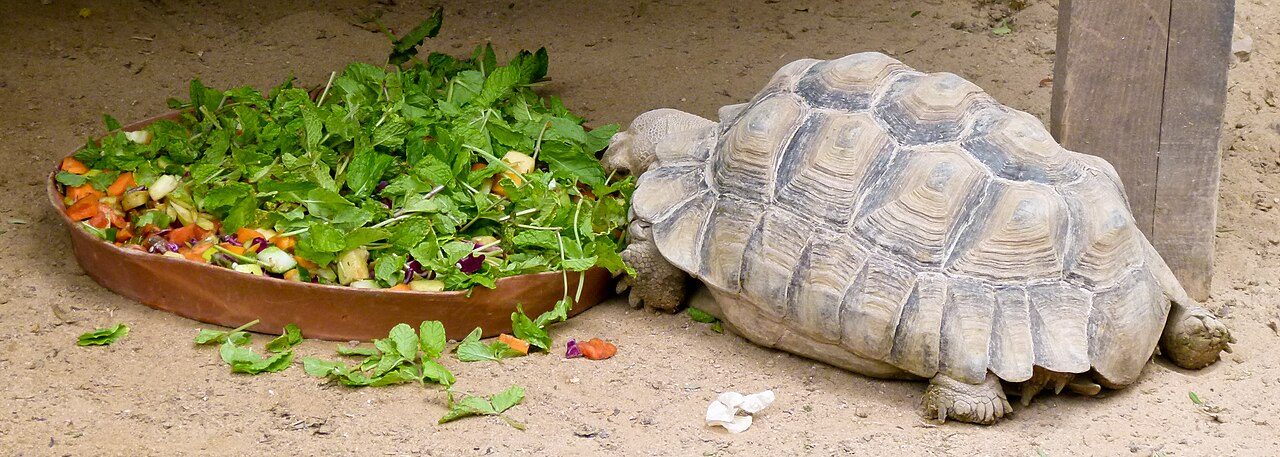
The African Sulcata tortoise diet should consist primarily of high-fiber grasses, weeds, and leafy greens. Focus on a high calcium-to-phosphorus ratio to prevent metabolic bone disease and make sure steady growth.
If you are transitioning from aquatic environments to the satisfying challenge of keeping a Centrochelys sulcata, you are in for a unique experience. While managing water parameters for a sensitive school of tetras is a delicate art, feeding a Sulcata tortoise is an exercise in botanical management.
In my decade of experience keeping various species, I have found that the most common pitfalls in reptile keeping—much like in fish keeping—often boil down to improper nutrition. Providing a high-fiber, low-protein, and low-sugar diet is the cornerstone of keeping these magnificent desert giants healthy.
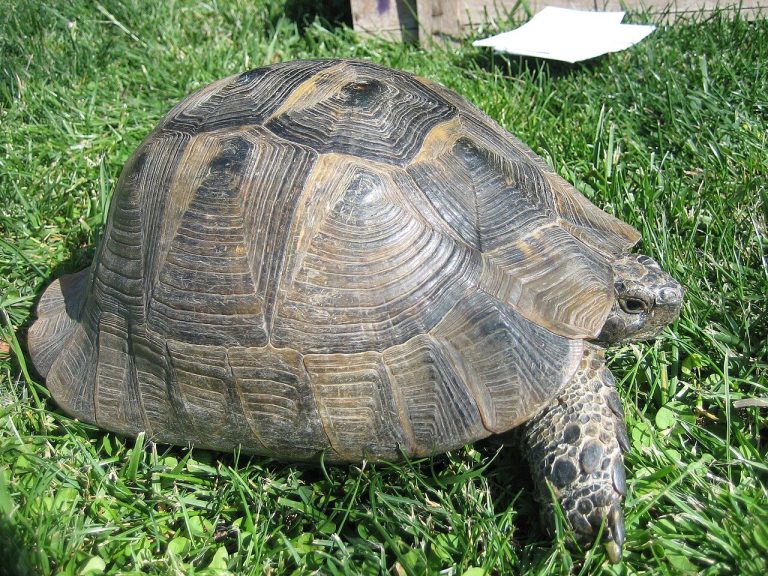
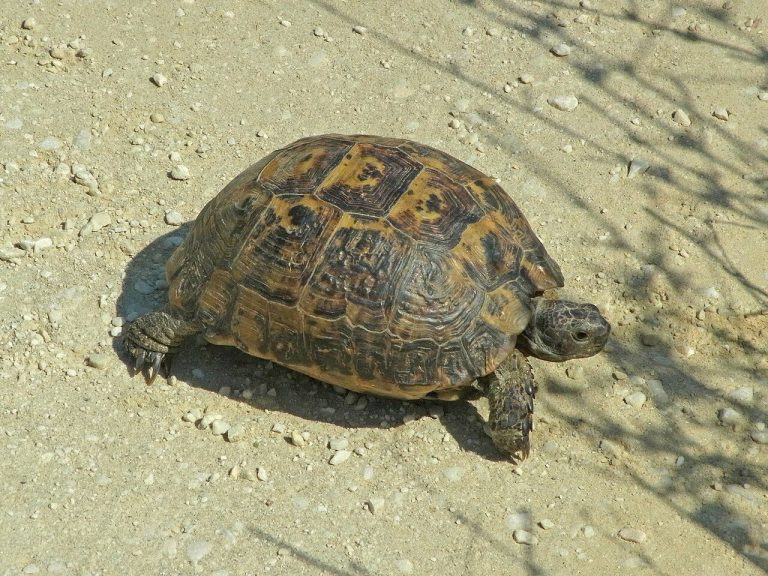
At a glance: Sulcata tortoise (Centrochelys sulcata)
- Temperature
- Basking 95–100°F (35–38°C)
- Adult size
- 24–30 in shell (60–76 cm)
- Enclosure
- Outdoor pen for adults
- Group size
- Alone
- Temperament
- Docile, strong diggers
- Diet
- Herbivore: grasses, hay, weeds, low-sugar greens
- Lifespan
- 70+ years
Keeper’s tip: Adults outgrow any indoor enclosure; plan for a secure outdoor pen early.
Understanding the Nutritional Pillars of the African Sulcata Tortoise Diet
Unlike many omnivorous aquatic turtles, the Sulcata is an obligate herbivore. Their digestive systems are specifically evolved to process massive quantities of fibrous plant material.
When planning an African sulcata tortoise diet, you must prioritize grasses and weeds over fruit or heavy vegetable matter. Think of their gut as a complex fermentation chamber that requires constant replenishment of fiber to maintain healthy microflora.
The Importance of Fiber and Hydration
The digestive tract of a tortoise relies on crude fiber to move food through the system. Without adequate fiber, their digestion stalls, which can lead to impaction or chronic lethargy.
Hydration is equally critical. Even though they are desert-dwelling species, they need access to clean water just as much as your favorite African aquarium fish need high-quality water filtration to stay stress-free.
Pro Tip: Many keepers make the mistake of feeding too much fruit. While a tortoise might eagerly eat a strawberry, the high sugar content can cause rapid bacterial growth in their gut, leading to serious digestive distress.
Essential Plant Groups for Daily Feeding
Building a sustainable menu for your tortoise is easier when you categorize foods by their nutritional profile. You should aim for a variety of grasses and weeds that mimic their natural foraging environment.
Grasses and Hay
Phleum pratense (Timothy hay) and Cynodon dactylon (Bermuda grass) are excellent staples. These grasses are high in the fiber content necessary for proper shell development and weight management.
Safe Leafy Greens and Forage
If you cannot source enough fresh grass, high-quality, pesticide-free weeds are your next best option. Dandelion greens, clover, and hibiscus leaves are generally excellent choices for a balanced meal.
| Food Category | Frequency | Nutritional Notes |
|---|---|---|
| Grasses/Hay | Daily (Staple) | High fiber, essential for gut health. |
| Opuntia (Prickly Pear) | 3-4 times/week | Excellent calcium-to-phosphorus ratio. |
| Dark Leafy Greens | Occasional | Use as variety, monitor oxalic acid levels. |
Managing Mineral Balance and Avoiding Common Health Issues
The most dangerous aspect of a poor diet is the imbalance of essential minerals. You must keep a close eye on the calcium-to-phosphorus ratio in everything you feed.
Preventing Metabolic Bone Disease
Metabolic Bone Disease (MBD) is a devastating condition often caused by a lack of calcium or insufficient UVB exposure. Without proper lighting to synthesize Vitamin D3, calcium cannot be absorbed, leading to soft, deformed shells.
The Risks of Oxalic Acid and Goitrogens
Some greens, such as spinach or kale, contain high levels of oxalic acid or goitrogens. While they aren’t toxic in small amounts, they can bind to calcium or interfere with thyroid function if fed as a sole diet.
Common Mistake: Relying on “tortoise pellets” as a primary food source. These are often processed and lack the long-strand fiber found in natural grasses, which is vital for the physical wear of their intestinal lining.
Feeding Strategies for Growing Tortoises
Young tortoises grow rapidly, and their nutritional requirements are quite specific during their first few years. I have found that providing a “grazing station” is the most effective way to encourage natural behaviors.
Instead of hand-feeding or using a single bowl, scatter their food across a designated area. This mimics the foraging process and keeps the animal active throughout the day, which is essential for their overall development.
A few common questions
Is it safe to feed my tortoise grocery store vegetables?
Store-bought greens like romaine or endive are acceptable in a pinch, but they should never replace grasses. They lack the structural fiber that a Centrochelys sulcata requires for long-term health.
How do I know if my tortoise is getting enough calcium?
Regular, slow growth and a smooth, firm shell are signs of a healthy diet. If you notice pyramiding (the raised scutes on the shell), it is often a sign of excessive protein or improper humidity rather than just a calcium deficiency.
Does Hypervitaminosis D occur in tortoises?
Yes, this occurs when a keeper over-supplements with artificial Vitamin D3. Always consult with a specialized reptile veterinarian before adding concentrated supplements to your feeding routine.
In short
Mastering the African sulcata tortoise diet is not about finding the perfect single food, but about providing a diverse range of high-fiber forage. If you focus on grasses and weeds and maintaining a proper calcium-to-phosphorus balance, you provide the foundation for a long, healthy life.
Just as you carefully monitor the water quality and dietary needs of your colorful aquatic community, taking a methodical approach to your tortoise’s nutrition will pay dividends in their vitality. Observe your tortoise, keep your forage sources pesticide-free, and enjoy the lifelong bond with these gentle desert giants.

- 2003First tank
- 20+Years keeping
- 40+Tanks kept
- 0Sponsored picks
Howard set up his first 10-gallon planted tank in 2003 and lost half of it within six weeks. Two decades and more than forty aquariums later, he writes the guides he wished he had then: clear numbers, the reasons behind them, and what actually goes wrong in home tanks.