Are Axolotls Friendly? A Complete Guide To Their Personality
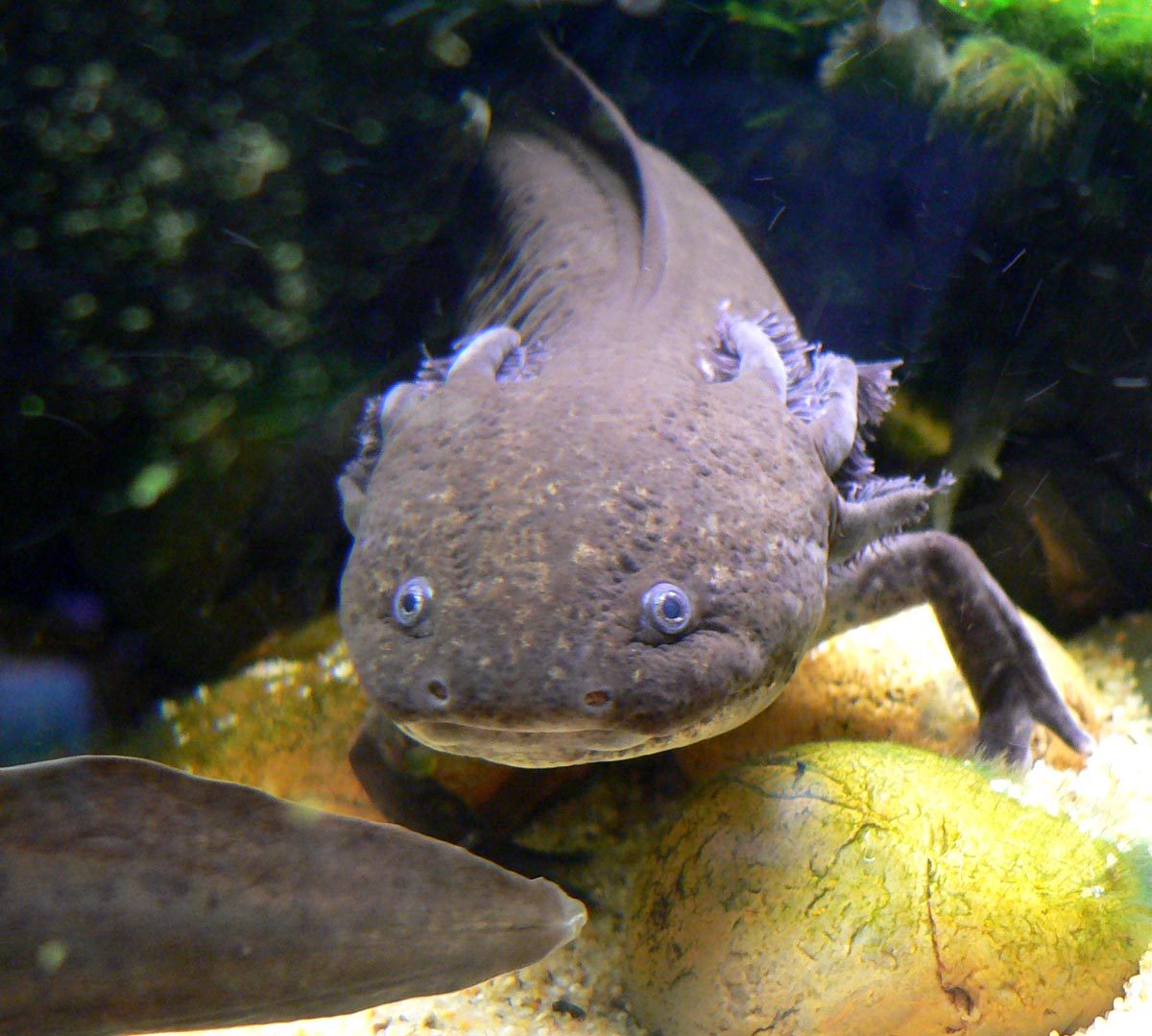
Axolotls are not “friendly” in the way a dog or cat is, but they are docile and curious creatures. They often recognize their owners as food providers and will interact by following movement through the aquarium glass.
When you first see the permanent “smile” on an axolotl, it is easy to wonder, are axolotls friendly? As someone who has spent over a decade maintaining various freshwater setups, I can tell you that these unique amphibians are among the most charismatic pets you can keep.
While they don’t crave cuddles, they possess a quiet, inquisitive nature that draws you in. Known scientifically as Ambystoma mexicanum, these creatures belong to the order Caudata and offer a completely different experience than keeping standard fish.
In this guide, I will share my personal experiences with these “walking fish.” We will explore how they perceive their world, whether they enjoy human company, and how you can encourage a “friendly” relationship with your aquatic companion.
At a glance: Axolotl (Ambystoma mexicanum)
- Temperature
- 60–64°F (16–18°C)
- Water pH
- 7.0–8.0
- Adult size
- 9–12 in (23–30 cm)
- Minimum tank
- 20 gal long for one
- Group size
- Alone or same-size adults
- Temperament
- Peaceful, no fish tank mates
- Diet
- Carnivore: earthworms, axolotl pellets, bloodworm
- Lifespan
- 10–15 years
Keeper’s tip: Water above 70°F stresses axolotls quickly; a fan or chiller is often needed in summer.
Understanding the Axolotl Personality
To answer the question, are axolotls friendly, we have to look at how they interact with their environment. Unlike many other amphibians, axolotls exhibit neoteny, meaning they retain their larval features, like their feathery external branchiae (gills), throughout their entire lives.
In my experience, their personality is best described as “peacefully curious.” They spend much of their time in the benthic zone, which is the very bottom of the tank, scavenging for bits of food or resting in caves.
They don’t have the social complexity of mammals, but they are far from boring. I have noticed that older axolotls often become quite bold, swimming to the front of the glass the moment they see a person enter the room.
Pro Tip: Don’t mistake a lack of movement for boredom. Axolotls are low-energy predators. If your axolotl is sitting still but its gills are flicking occasionally, it is likely just relaxing and observing its surroundings.
Are Axolotls Friendly Toward Humans?
When we ask if an animal is friendly, we usually want to know if it recognizes us. Axolotls do not have traditional ears, but they are incredibly sensitive to vibrations and movement thanks to their lateral line system.
This system allows them to detect tiny changes in water pressure around them. Over time, your axolotl will associate your presence—and the vibration of the aquarium lid opening—with feeding time.
I’ve found that after a few months, many axolotls will actually follow your finger if you trace it along the outside of the glass. While they aren’t looking for “love,” they are certainly displaying a form of interactive recognition that feels very satisfying for the keeper.
Can You Handle or Pet an Axolotl?
This is where the definition of “friendly” becomes important for the animal’s safety. Even if your axolotl seems to want to interact, you should almost never touch them with your bare hands.
Axolotls have a very delicate slime coat that protects them from infections and parasites. The oils, salts, and soaps on human skin can easily damage this protective layer, leading to skin irritation or worse.
If you must move them, always use a soft mesh net or a large container to scoop them up. Keeping your hands out of the water is the best way to be “friendly” back to your axolotl.
The Science of Axolotl “Friendliness”
To keep an axolotl that acts “friendly” and active, you must prioritize their biological needs. A stressed axolotl will hide, refuse food, and appear “unfriendly” or lethargic.
The most critical factor in their behavior is water quality. Axolotls produce a significant amount of waste, which can quickly lead to ammonia toxicity if your tank isn’t properly cycled.
Understanding the nitrogen cycle is the foundation of successful axolotl keeping. Without a sturdy colony of beneficial bacteria, the water becomes toxic, causing the axolotl’s gills to shrink and their behavior to become erratic.
Ideal Water Parameters for a Happy Axolotl
To ensure your pet feels comfortable enough to be interactive, you must maintain specific water conditions. Use the table below as your gold standard for axolotl care.
| Parameter | Ideal Range | Why It Matters |
|---|---|---|
| Temperature | 60°F – 64°F (15°C – 18°C) | High temps cause stress and fungal infections. |
| Ammonia | 0 ppm | Extremely toxic to their permeable skin. |
| Nitrite | 0 ppm | Prevents oxygen transport in the blood. |
| Nitrate | < 20 ppm | Keep low with regular water changes. |
| pH | 7.4 – 7.6 | Axolotls prefer slightly alkaline water. |
Are Axolotls Friendly Toward Tank Mates?
One of the most common questions I get is whether axolotls can live with other fish or even other axolotls. The short answer is: usually no.
Axolotls have very poor eyesight and a “snap at anything that moves” feeding reflex. If a fish is small enough to fit in their mouth, the axolotl will eventually eat it.
Conversely, many fish will find the axolotl’s fluffy external branchiae irresistible and will nip at them, causing injury and stress. For those looking for a community experience, it is better to look into beginner-friendly freshwater fish for a separate setup.
Keeping Axolotls Together
Can axolotls be “friends” with each other? They can be kept together, but only if they are the same size and have plenty of space.
Young axolotls are notoriously cannibalistic. When I first started keeping them, I learned the hard way that even a slight size difference can lead to one axolotl nipping the limbs off another.
While they can regenerate their limbs, it is a stressful process that should be avoided. Adults are generally more peaceful with each other, provided they are well-fed and have enough hides.
Common Mistake: Many new keepers try to use gravel in an axolotl tank. Axolotls suck in water to eat, and they will inevitably swallow gravel, which leads to fatal impaction. Always use fine sand or a bare-bottom tank.
How to “Bond” with Your Axolotl
Since you cannot pet them, you might wonder how to build a relationship. Bonding with an axolotl is all about routine and positive reinforcement.
Feeding is the best time to interact. Using long aquarium tweezers to offer a nightcrawler or a bloodworm cube allows the axolotl to associate your presence with a reward.
I have found that hand-feeding (using tongs) makes them much more “friendly” and less likely to hide when you approach the tank. They will eventually start to “dance” or swim toward the top when they see the feeding tongs.
Using Technology to Keep Them Happy
Because axolotls require such cold water, maintaining the right temperature is key to their temperament. A warm axolotl is a stressed axolotl, and stressed animals are never “friendly.”
In many climates, a simple fan isn’t enough. Investing in a thermoelectric chiller is often the best way to keep the water at a stable, cool temperature year-round.
When the water is consistently cool, the axolotl’s metabolism remains stable, and they are much more likely to be active and engaged with their environment.
Reading Axolotl Body Language
Is your axolotl being “friendly” or are they stressed? Learning to read their body language is a vital skill for any keeper.
1. Curled Gills: If the feathery gills are curled forward tightly (looking like a “C” shape), your axolotl is likely stressed. This is often a sign of poor water quality or too much water flow.
2. Curled Tail Tip: A hook or curl at the very end of the tail is another classic sign of discomfort. Check your parameters immediately if you see this.
3. Floating: While some axolotls enjoy floating occasionally, persistent floating where the animal cannot get back down can indicate gas or impaction.
4. Hovering at the Glass: This is the “friendly” behavior we love. It usually means they are curious about what is happening outside their glass world.
Frequently asked questions
Are axolotls friendly to other pets like snails?
Generally, no. Axolotls will often try to eat snails. Small snails can be a choking hazard or cause internal blockages if the shell is swallowed, while large snails might actually rasp at the axolotl’s skin.
Do axolotls get lonely?
No, axolotls do not have a social requirement for companionship. They are perfectly happy living solo. In fact, keeping them alone often prevents accidental injuries from nipping.
Can axolotls recognize their owners?
Many long-term keepers believe they do. While it’s likely a response to movement and the association with food, axolotls definitely behave differently toward their regular caregivers than they do toward strangers.
Why does my axolotl look like it’s smiling?
The “smile” is simply the natural shape of their mouth and jaw structure. While it makes them look friendly, it doesn’t actually reflect their emotional state.
Is it okay to use a light on their tank?
Axolotls do not have eyelids and are quite sensitive to bright light. If you use a light for plants, make sure there are plenty of dark caves where your axolotl can retreat to feel safe.
My final take
So, are axolotls friendly? They may not be “friendly” in the traditional sense, but they are incredibly docile, unusual, and capable of a unique type of interaction with their keepers.
If you focus on their specific needs—like maintaining a cold temperature with a thermoelectric chiller and making sure the nitrogen cycle is stable—you create an environment where their personality can shine.
If you are looking for a pet that is quiet, beautiful, and full of prehistoric charm, the axolotl is a fantastic choice. Just remember to respect their slime coat, keep their water pristine, and enjoy their “smiling” company from the other side of the glass.
With some patience and the right care, you will find that these amazing creatures are some of the most satisfying inhabitants you can ever have in your home aquarium.

- 2003First tank
- 20+Years keeping
- 40+Tanks kept
- 0Sponsored picks
Howard set up his first 10-gallon planted tank in 2003 and lost half of it within six weeks. Two decades and more than forty aquariums later, he writes the guides he wished he had then: clear numbers, the reasons behind them, and what actually goes wrong in home tanks.