Russian Tortoise Enclosure Ideas – Creative Habitat Designs
The best Russian tortoise enclosure ideas combine solid visual barriers, at least eight square feet of floor space, and deep burrowing zones using repurposed furniture, DIY wooden tables, or predator-proof outdoor garden pens.
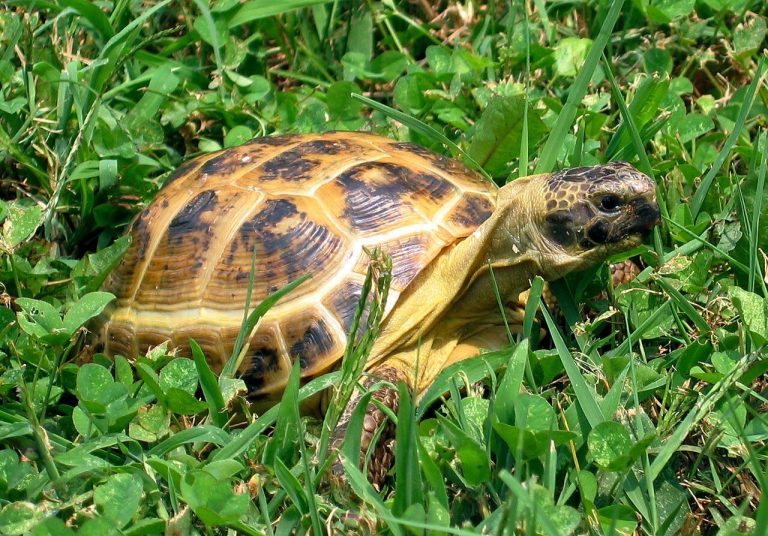
Russian tortoises (Testudo horsfieldii) are among the most active, determined, and inquisitive chelonians kept in home habitats. In the arid steppes of Central Asia, these tortoises travel long distances daily, foraging across sparse vegetation and digging intricate underground burrows to escape temperature extremes. Providing a stimulating, safe home means matching these strong biological drives with creative housing solutions.
Exploring practical russian tortoise enclosure ideas allows you to construct a setup that supports natural instincts without demanding an impossible budget. Whether transforming thrifted furniture indoors or setting up a secure seasonal outdoor run, thoughtful habitat design ensures your shelled companion stays active and healthy.
Essential Dimensions and Environmental Guidelines
Before selecting a specific design or building materials, you must understand the foundational space and microclimate requirements of an adult Russian tortoise. Standard commercial glass aquariums fail because their slick, transparent walls trigger obsessive pacing and their small footprints severely restrict natural foraging runs. A single adult requires a bare minimum of eight square feet of uninterrupted floor space, though twelve square feet or more is strongly recommended.
Russian tortoises thrive under a steep thermal gradient with localized basking warmth, cooler ambient resting zones, and controlled substrate moisture. Ensuring proper microclimates prevents metabolic issues and preserves shell integrity.
| Parameter / Feature | Recommended Specification | Biological Purpose |
|---|---|---|
| Minimum Footprint | 4 ft × 2 ft (8 sq ft); 4 ft × 4 ft preferred | Facilitates constant locomotion and muscle tone maintenance |
| Wall Height | 12 to 18 inches (opaque walls) | Prevents climbing escapes and reduces glass-pacing stress |
| Basking Spot Temperature | 95°F to 100°F (35°C to 38°C) | Drives core digestion and systemic metabolic functions |
| Cool Ambient Temperature | 70°F to 75°F (21°C to 24°C) | Allows thermoregulation and prevents constant heat stress |
| Substrate Depth | 6 to 10 inches | Enables natural burrowing and self-regulated humidity |
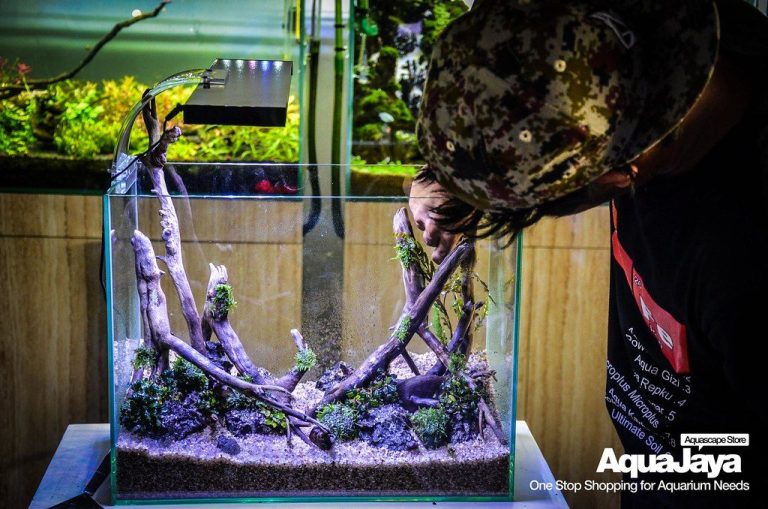
Common Mistake: Never house a Russian tortoise in a standard glass fish tank. Glass does not register as a boundary to a tortoise, leading to chronic wall-scratching, nose abrasions, and elevated stress levels. Learning can you keep tortoise in a fish tank reveals why solid, opaque borders are essential for their welfare.
DIY Wooden Tortoise Table Plans and Layouts
A classic wooden tortoise table remains one of the gold standards for indoor housing. Built from formaldehyde-free plywood, untreated pine lumber, or melamine panels, an open-top wooden table provides maximum airflow while containing deep bedding.
Designing an L-shaped or modular rectangular table allows you to separate the enclosure into distinct functional activity zones. You can mount overhead lighting on adjustable arms or secure wooden crossbeams directly above the frame to maintain exact light heights.
Structuring Functional Zones
A successful tortoise table is not an empty rectangular sandbox. It should incorporate a rocky basking plateau, a dense foraging floor, a sheltered feeding area, and an enclosed sleeping hide box.
Place a rough piece of natural slate directly beneath the basking lamp. The stone absorbs radiant heat, warming the tortoise from beneath while naturally filing down its growing toenails as it feeds.
Water and Food Stations
Set the feeding station far away from the basking bulb to keep leafy greens crisp and palatable throughout the day. A shallow terracotta plant saucer sunk flush with the substrate makes an exceptional, tip-proof water dish.
Tortoises must step in and out of their water saucer effortlessly without flipping onto their carapaces. Ensure the water level never exceeds the bridge where the plastron meets the carapace.
Repurposed Furniture Ideas for Indoor Tortoise Habitats
Building an enclosure from raw lumber is not the only path to a sturdy indoor habitat. Converting pre-existing household furniture is an economical, aesthetically pleasing way to craft a home that blends seamlessly with your living room decor.
Solid wood bookshelves, horizontal dresser frames, and low-profile coffee tables offer outstanding foundational shells. With minimal carpentry skills, these pieces transform into spacious, low-cost reptile sanctuaries.
The Laid-Flat Bookshelf Conversion
A tall, wide bookshelf turned flat on its back instantly creates an expansive, walled tortoise tray. Simply remove all internal shelves, reinforce the thin backing panel with half-inch exterior plywood, and seal all interior seams with 100% aquarium-safe silicone.
Line the interior base with heavy-duty 45-mil EPDM pond liner or waterproof pond sealant paint. This prevents moisture from the substrate from warping the wooden exterior or damaging your household flooring underneath.
Raised Garden Bed Conversions
Prefabricated indoor-safe cedar or pine raised garden beds offer fantastic ergonomics. These elevated planters bring the enclosure up to waist height, making spot cleaning, daily feeding, and visual inspection effortless.
Ensure the structural legs can handle substantial weight before filling the bed with heavy dirt. A four-by-two-foot enclosure containing eight inches of damp substrate can easily exceed 150 pounds.
Pro Tip: When using repurposed furniture, avoid manufactured particle board unless every square inch is fully waterproofed. Constant exposure to damp substrate will cause compressed sawdust to swell, crumble, and release chemical binding agents over time.
Designing Deep-Dig Burrowing Zones and Safe Substrates
Russian tortoises possess spade-like forelimbs designed specifically for heavy excavating. In the wild, their burrows can stretch several feet underground, maintaining steady humidity levels that protect them from respiratory illness and eye irritation.
An enclosure lacking digging depth frustrates your tortoise and often causes joint stiffness. Integrating dedicated deep-dig zones satisfies this instinct while creating humid microclimates that promote smooth shell development.
+—————————————————————+ | OVERHEAD UVB & HEAT | | | | [Basking Slate] [Flat Roaming Area] [Deep Dig Zone] | | Rough surface Moist soil mix 10″ loose dirt | | Warm & dry Shallow water saucer Enclosed hide | | | +—————————————————————+
Formulating the Ideal Substrate Blend
The best indoor substrate mimics compacted arid earth rather than loose, dusty sand or bone-dry wood shavings. Combine 60% organic topsoil free of chemical fertilizers with 40% clean coconut coir or fine play sand.
This mixture packs down firmly enough to support stable burrow entrances without collapsing inward onto your tortoise. Lightly mist the lower substrate layers weekly while allowing the top half-inch to stay dry to the touch.
Adding Multi-Level Lofts and Ramps
If horizontal floor space in your living area is tight, consider adding a secure second-story mezzanine. A gentle wooden ramp with raised side rails and cross-slat treads enables the tortoise to ascend safely to an elevated platform.
Never construct steep ramps exceeding a twenty-degree incline, as tortoises can tumble backward and flip onto their backs. Use the sheltered space underneath the mezzanine as an extra-dark, humid burrow hide.
Stock Tank and Heavy-Duty Tub Builds for Budget Setups
When time, tools, or building materials are limited, agricultural stock tanks provide an unbeatable, ready-to-use alternative. These tanks are completely waterproof, chemically inert, and exceptionally durable.
Oval or circular structural foam stock tanks measuring 100 to 150 gallons offer smooth, opaque interior walls that completely eliminate pacing behaviors. Their seamless construction means zero risk of water leaks or joint rot.
Converting Heavy-Duty Storage Totes
Large commercial holiday tree storage bins or industrial poly tubs provide a functional starter home for juvenile tortoises. Ensure the selected tub measures at least 48 inches in length and features opaque, non-see-through plastic sides.
Cut out a large rectangular portion of the solid plastic snap-on lid and replace it with half-inch galvanized hardware cloth. This screen cutout allows vital UVB and heat rays from external dome lamps to penetrate directly into the tub without melting the plastic frame.
Outdoor Enclosure Ideas: Safe Garden Pens and Predator Proofing
Nothing compares to the health benefits of direct, unfiltered natural sunlight. Natural solar radiation provides higher levels of usable UVB light than any artificial bulb, supercharging vitamin D3 synthesis and promoting vibrant activity levels.
Constructing an outdoor summer pen gives your Russian tortoise room to graze, explore natural topographies, and experience healthy day-night temperature fluctuations. However, outdoor enclosures demand rigorous escape-proofing and predator defenses.
Preventing Escapes: Digging Barriers and Overhangs
Russian tortoises are notorious escape artists that readily tunnel beneath enclosure walls within a single afternoon. You must bury heavy-gauge hardware cloth or concrete pavers at least twelve inches beneath the soil around the entire perimeter.
Alternatively, dig down eight inches, lay a continuous floor of wire mesh across the entire pen footprint, and backfill it with clean garden soil. Install inward-facing wooden lip boards around the top edge of the pen walls to stop corner-climbing attempts.
Securing the Habitat Against Predators
Raccoons, foxes, predatory birds, domestic dogs, and neighborhood cats pose severe threats to outdoor tortoises. Every outdoor habitat must feature a locking, rigid lid constructed of heavy-duty wooden frames and half-inch wire mesh.
For extensive blueprints, security measures, and spatial layouts, review our detailed guide on diy tortoise enclosure ideas for a natural haven to ensure your outdoor run remains entirely predator-proof.
+—————————————————————+ | LOCKED WIRE MESH LID (Predator Proof) | +—————————————————————+ | [Inward Lip] [Inward Lip] | | | | Natural Weeds Shaded Hide Box Basking Rocks | | (Dandelion/Plantain) (Wooden shelter) (Sun-warmed) | | | |======================= GROUND LEVEL ==========================| | | | ////////// 12-INCH BURIED MESH ESCAPE BARRIER ////////////// | +—————————————————————+
Edible Landscaping Options
Planting tortoise-safe forage directly inside an outdoor pen creates an enriching, self-sustaining environment. Russian tortoises actively seek out broadleaf weeds that offer high fiber and rich calcium content.
- Dandelion (Taraxacum officinale): Excellent source of vitamins A and C alongside vital minerals.
- Broadleaf Plantain (Plantago major): Exceptionally high in crude fiber, supporting slow, healthy gut motility.
- Spineless Prickly Pear (Opuntia): Delivers superior hydration and a fantastic calcium-to-phosphorus ratio.
- White Clover (Trifolium repens): Nutritious grazing groundcover, though should be offered alongside fibrous grasses.
- Hibiscus (Hibiscus rosa-sinensis): Both the chemical-free flowers and leaves make nutritious, highly palatable snacks.
A secure pen combined with safe foraging keeps your pet active and prevents poor appetite, a problem explored in detail when addressing a russian tortoise not eating due to environmental stress.
Creative Russian Tortoise Enclosure Ideas Comparison
Selecting the right enclosure design depends entirely on your available floor space, budget, craft skills, and climate. Review this comparison to determine which style aligns best with your home environment.
| Enclosure Style | Estimated Build Cost | Skill Level Required | Key Advantages |
|---|---|---|---|
| Custom Wooden Table | $100 – $250 | Intermediate | Customizable dimensions, exceptional open airflow, easy lamp mounting |
| Repurposed Bookshelf | $30 – $80 | Beginner | Low cost, widely available, minimal assembly tools needed |
| Agricultural Stock Tank | $90 – $160 | Beginner | 100% waterproof, virtually indestructible, no assembly required |
| Predator-Proof Garden Pen | $150 – $350 | Intermediate to Advanced | Natural solar UVB, unlimited digging potential, fresh forage grazing |
Frequently Asked Questions About Russian Tortoise Habitats
Can I house two Russian tortoises together in the same enclosure?
Russian tortoises are fiercely territorial and solitary animals by nature. Housing two or more together in a standard indoor enclosure almost always leads to relentless bullying, food guarding, stress-induced illness, and physical trauma. Always house them individually unless managing a massive outdoor breeding enclosure with extensive visual sight breaks.
How deep should the substrate be in an indoor habitat?
Aim for a minimum substrate depth of six to eight inches, with ten inches being ideal in designated burrowing zones. Russian tortoises rely on underground micro-humidity to prevent dehydration and shell pyramiding. If your container walls are shallow, pile up deep soil within a covered wooden hide box to create a humid burrow.
How do I prevent my tortoise from climbing out of corner walls?
Russian tortoises possess extraordinary climbing skills and can wedge themselves into ninety-degree corners to scale vertical walls. Always maintain at least twelve to fifteen inches of clearance between the top of the substrate and the top edge of the pen wall. Installing horizontal lip caps across every corner effectively blocks these escape attempts.
What type of lighting fixture works best over an open-top table?
A combination of a high-output T5 linear UVB tube (10.0 or 12% strength) and a separate halogen flood bulb for basking heat yields the best results. Linear tubes span the enclosure to create a smooth, natural daylight gradient, unlike compact coil bulbs which create narrow, potentially hazardous beams of uneven radiation.
Final Thoughts on Building Your Tortoise Habitat
Providing an enriching, healthy environment for a Russian tortoise is an immensely rewarding project for any hobbyist. By ditching small glass aquariums in favor of open wooden tables, repurposed furniture, or expansive outdoor pens, you directly honor their natural foraging and burrowing behaviors.
Focus on generous floor space, safe deep substrates, opaque walls, and proper thermal gradients when assembling your habitat. With a well-engineered home that encourages continuous physical exploration, your Russian tortoise will enjoy a thriving, active life for many decades to come.
- 2003First tank
- 20+Years keeping
- 40+Tanks kept
- 0Sponsored picks
Howard set up his first 10-gallon planted tank in 2003 and lost half of it within six weeks. Two decades and more than forty aquariums later, he writes the guides he wished he had then: clear numbers, the reasons behind them, and what actually goes wrong in home tanks.