Adopt A Sulcata Tortoise – Care Guide
To adopt a sulcata tortoise, contact reputable reptile rescues or chelonian sanctuaries that specialize in large species. Help you have a massive outdoor space and a multi-decade commitment before bringing home this heavy-grazing, long-lived desert giant.
Many of us in the aquarium hobby eventually find ourselves looking toward the “dry” side of exotic pet keeping. After years of mastering the nitrogen cycle and perfecting the aquascape of a high-tech planted tank, the challenge of a large terrestrial reptile often feels like the natural next step.
When I first decided to expand my animal room beyond glass tanks, I was drawn to the sheer presence of the African Spurred Tortoise. However, I quickly learned that choosing to adopt a sulcata tortoise is a life-altering decision that requires more preparation than even the most complex reef tank.
These animals are not just pets; they are living legacies that can outlive their owners while growing to weigh over 100 pounds. In this guide, I will share the expertise I have gained transitioning from aquatic environments to managing the specialized needs of these magnificent Chelonians.
At a glance: Sulcata tortoise (Centrochelys sulcata)
- Temperature
- Basking 95–100°F (35–38°C)
- Adult size
- 24–30 in shell (60–76 cm)
- Enclosure
- Outdoor pen for adults
- Group size
- Alone
- Temperament
- Docile, strong diggers
- Diet
- Herbivore: grasses, hay, weeds, low-sugar greens
- Lifespan
- 70+ years
Keeper’s tip: Adults outgrow any indoor enclosure; plan for a secure outdoor pen early.
Why you should adopt a sulcata tortoise
Choosing to adopt a sulcata tortoise rather than purchasing a hatchling from a pet store is one of the most ethical moves an animal lover can make. Because these tortoises grow so large and live so long, many unprepared owners surrender them once they reach a size that a standard indoor enclosure can no longer accommodate.
Rescuing an adult or sub-adult allows you to skip the fragile hatchling stage where mortality rates can be high due to dehydration or improper humidity. You are providing a forever home to an animal that has likely been displaced, which is incredibly rewarding for any dedicated hobbyist.
In my experience, adopted tortoises often come with a known history and established personality. While a hatchling is a blank slate, an older Centrochelys sulcata has already shown its resilience and temperament, making it easier to integrate into your lifestyle.
Pro Tip: When you look to adopt, prioritize rescues that provide veterinary records. Many surrendered tortoises suffer from early-stage Metabolic Bone Disease, and knowing their history helps you adjust their calcium and UVB intake immediately.
Understanding the African Spurred Tortoise (Centrochelys sulcata)
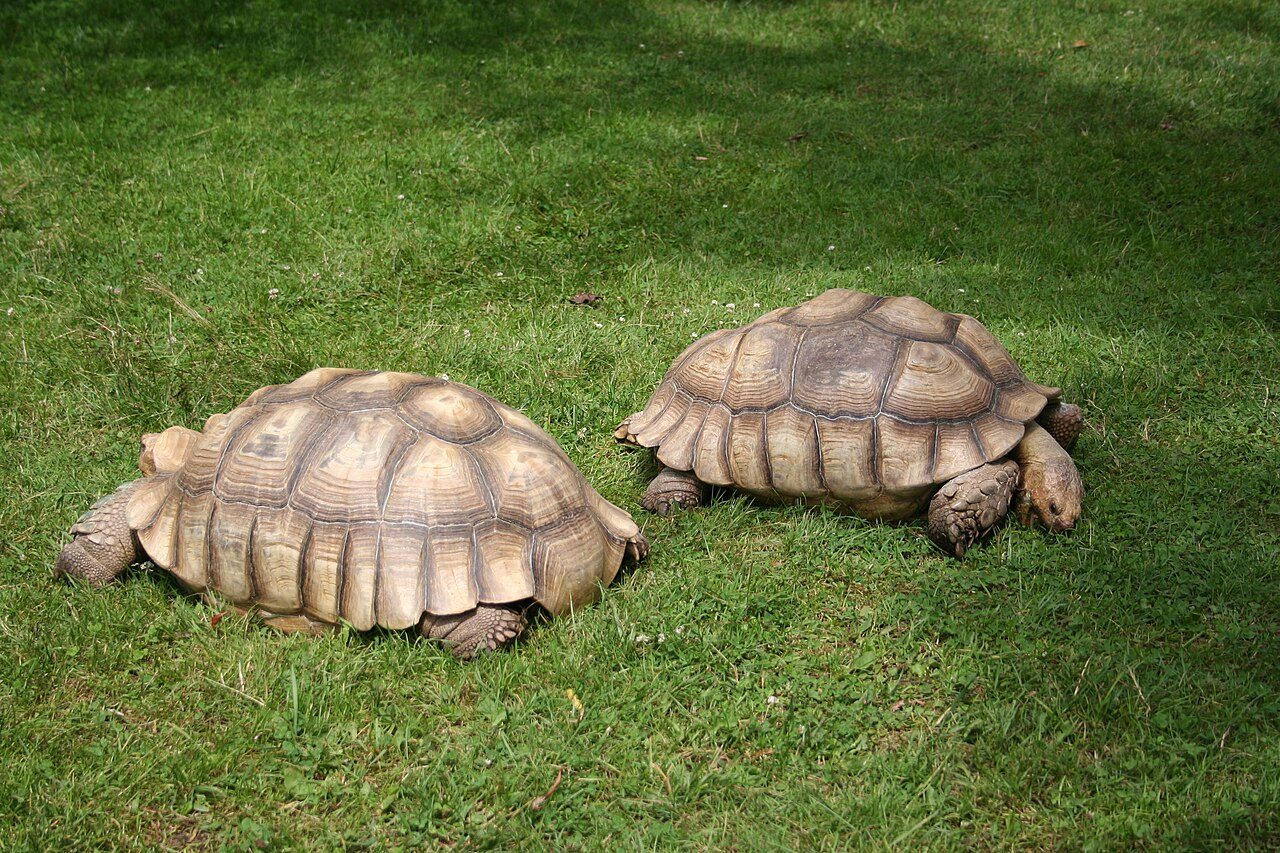
The Sulcata is the third-largest species of tortoise in the world and the largest on the African mainland. They are native to the southern edge of the Sahara Desert, which tells us a lot about their biological requirements for heat and light.
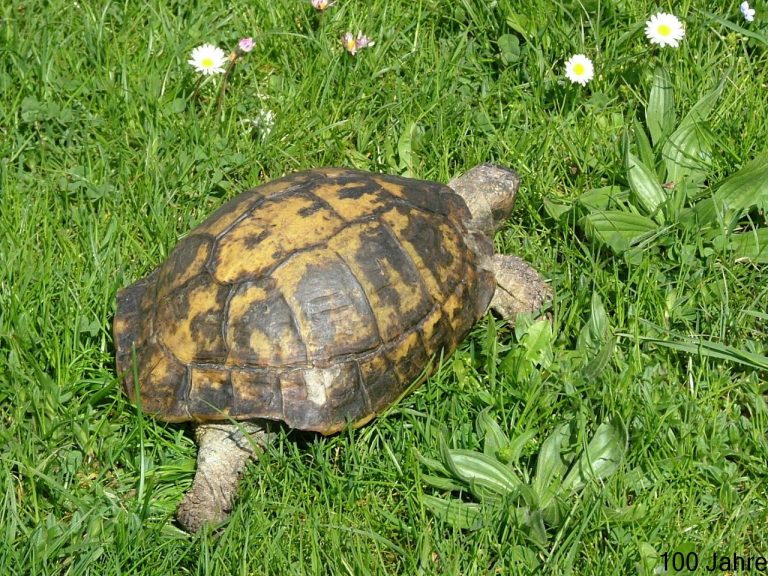
Their carapace (the top shell) is typically a tan or brownish color, which helps them blend into arid environments. On their underside, the plastron is lighter, and you will notice prominent “spurs” on their hind legs, which give them their common name.
Males are generally larger than females and possess a more prominent gular scute. This is the part of the plastron that extends forward under the neck, which males use as a tool for ramming rivals during the breeding season.
Creating a Massive Habitat: Beyond the Glass Tank
If you are used to keeping fish, your first instinct might be to look for a large aquarium. However, a glass tank is almost never suitable for a Sulcata beyond the first year of its life.
These tortoises are active explorers and powerful diggers that need significant floor space to settle in. For a mature adult, a secure outdoor enclosure is the only humane option, as they require hundreds of square feet to roam and graze.
| Life Stage | Minimum Space Requirement | Enclosure Type |
|---|---|---|
| Hatchling (0-2 years) | 4′ x 2′ Enclosure | Closed-chamber tortoise table |
| Juvenile (2-5 years) | 8′ x 4′ Enclosure | Large indoor pen or secure outdoor area |
| Adult (5+ years) | 500+ Square Feet | Dedicated outdoor fenced yard with heated night house |
Temperature and Lighting: The Thermogradient
Just as we maintain stable temperatures in a tropical aquarium, a tortoise requires a specific thermogradient. They need a hot basking spot to digest their food and a cooler area to retreat to when they become too warm.
For indoor setups, you must provide high-quality UVB 10.0 lighting. This mimics the intense African sun and allows the tortoise to synthesize Vitamin D3, which is critical for calcium absorption and shell strength.
Without proper UVB, these animals quickly develop Metabolic Bone Disease. This condition causes the shell to soften and the limbs to weaken, often leading to permanent deformity or death if not caught early.
Diet and Nutrition: Feeding a Grazing Giant
In the wild, Sulcatas are “grassland specialists.” Their digestive systems are designed to process large amounts of high-fiber, low-protein vegetation over many hours of grazing.
I have noticed that many new keepers make the mistake of feeding too many “wet” vegetables like lettuce or fruit. This can cause loose stools and prevent the tortoise from getting the roughage it needs to keep its beak trimmed and its gut healthy.
The bulk of their diet (about 80-90%) should consist of various grasses and hays. Timothy hay, orchard grass, and Bermuda grass are excellent staples that provide the necessary fiber for healthy urate excretion.
Avoiding Pyramiding through Diet and Hydration
Pyramiding is a common shell deformity where the scutes grow upward into cone shapes rather than staying smooth. While genetics play a small role, this is almost always caused by a combination of a high-protein diet and low environmental humidity.
Even though they are desert animals, Sulcatas spend a lot of time in humid burrows in the wild. Making sure your tortoise has access to a humid microclimate and regular soaks is essential for a smooth, healthy shell.
I recommend soaking your tortoise in lukewarm, shallow water at least twice a week. This encourages them to hydrate and helps them pass waste, keeping their internal systems running as efficiently as a well-filtered sump.
Pro Tip: Never use a glass bowl for water inside the enclosure. Sulcatas are surprisingly strong and will likely break the glass or flip the bowl, creating a muddy mess and a potential cutting hazard. Use a heavy, shallow concrete birdbath base instead.
Common Challenges When You Adopt a Sulcata Tortoise
Before you finalize your decision to adopt a sulcata tortoise, you must consider their destructive potential. These are the “bulldozers” of the reptile world, capable of pushing through weak fences and digging massive tunnels.
I once saw a mature Sulcata move a heavy garden bench just because it was in the way of its favorite basking spot. Your fencing must be sturdy and, more importantly, buried at least 12 to 24 inches underground to prevent them from digging out.
You also need to think about winter. If you live in a climate that drops below 60°F (15°C), you must provide a large, insulated, and heated “tortoise shed” where they can stay warm during the colder months.
Healthcare and Maintenance Checklist
Maintaining a Sulcata is less about water chemistry and more about physical observation. You should perform a “head-to-tail” check on your tortoise at least once a week to make sure everything is functioning correctly.
Check the carapace for any signs of softening or fungal growth. Inspect the eyes to make sure they are clear and free of discharge, which could indicate a respiratory infection—a common issue if the environment is too cold and damp.
| Maintenance Task | Frequency | Purpose |
|---|---|---|
| Fresh Water Replacement | Daily | Hydration and cleanliness |
| Waste Removal (Spot Clean) | Daily | Preventing bacterial buildup |
| Shallow Soak/Bath | 2-3 Times Weekly | Hydration and bowel movements |
| UVB Bulb Replacement | Every 6-12 Months | Keeping proper Vitamin D3 synthesis |
| Beak and Nail Check | Monthly | Preventing overgrowth |
The Importance of Calcium and Minerals
Just as coral in a reef tank requires calcium to build their skeletons, a tortoise needs it to maintain its massive shell. Most keepers sprinkle a high-quality calcium powder (without Phosphorus) onto their greens a few times a week.
I also like to leave a “cuttlebone” in the enclosure at all times. This is the same type of cuttlebone used for birds or even for shrimp in freshwater tanks, and it allows the tortoise to self-regulate its calcium intake while grinding down its beak.
Finding a Reputable Rescue
When you are ready to adopt a sulcata tortoise, start by looking for local reptile-specific rescues. General animal shelters often lack the specialized knowledge or space to house these giants properly, so they usually transfer them to experts.
Be prepared for a rigorous application process. A good rescue will want to see photos of your outdoor enclosure, check your fence height, and ensure you have a “tortoise-savvy” veterinarian nearby.
Avoid “free to a good home” ads on social media if possible. These animals often come with hidden health issues or behavioral problems that a professional rescue would have already identified and disclosed to you.
Quick answers
How long do Sulcata tortoises live?
With proper care, a Sulcata can easily live 70 to 100 years. This means you must have a plan for who will care for the tortoise if it outlives you, much like an inheritance.
Can I keep a Sulcata tortoise with other pets?
I strongly advise against keeping them with dogs. Even the most well-behaved dog may view a tortoise as a chew toy, and “tortoise nipping” can lead to severe shell damage or infection.
Do they ever stop growing?
They grow rapidly for the first 10 to 15 years and then slow down, but they never stop growing throughout their lives. Most adults settle between 80 and 120 pounds, though some rare specimens exceed 200 pounds.
Is it expensive to adopt a sulcata tortoise?
The adoption fee is usually modest, often between $50 and $200. However, the cost of building a secure outdoor habitat, heating a shed, and the massive amount of hay they consume can be significant over time.
Can they live indoors year-round?
Only as hatchlings. An adult Sulcata living indoors will likely become depressed, suffer from lack of exercise, and may even cause structural damage to your home by trying to “burrow” through your walls or furniture.
A closing note
Deciding to adopt a sulcata tortoise is a journey that requires patience, physical labor, and a deep love for ancient-looking creatures. It is a commitment that mirrors the dedication of a master aquarist, requiring constant environmental monitoring and a keen eye for detail.
While they may not be as colorful as a school of Discus or as active as a colony of Cherry Shrimp, there is something profoundly grounding about sharing your life with a Sulcata. They teach us to slow down and appreciate the steady, quiet resilience of the natural world.
If you have the space, the resources, and the heart for a lifelong companion, I encourage you to reach out to a rescue today. There is a “bulldozer” out there waiting for a safe place to graze, and you might just be the person to provide it.
- 2003First tank
- 20+Years keeping
- 40+Tanks kept
- 0Sponsored picks
Howard set up his first 10-gallon planted tank in 2003 and lost half of it within six weeks. Two decades and more than forty aquariums later, he writes the guides he wished he had then: clear numbers, the reasons behind them, and what actually goes wrong in home tanks.