Aquarium Plant Nutrient Uptake – The Expert Guide To Vibrant Growth
Aquarium plant nutrient uptake is the biological process where aquatic plants absorb essential elements through their leaves and roots. Success requires balancing light, CO2, and minerals while managing water flow and substrate chemistry to keep healthy growth.
In my ten years of maintaining high-tech aquascapes, I have found that aquarium plant nutrient uptake is the single most important concept to master. It is the invisible engine that drives a beautiful, algae-free tank.
When I first started, I thought plants were just like terrestrial garden plants, but they are far more complex. They have evolved specialized ways to pull minerals directly from the water column and the soil simultaneously.
Understanding how this works allows you to troubleshoot stunted growth and yellowing leaves with confidence. Let’s go through the science and practical application of nutrient assimilation in the home aquarium.
Understanding the Mechanisms of Aquarium Plant Nutrient Uptake
To master your planted tank, you must understand that plants “eat” in two primary ways. They utilize foliar absorption through their leaves and take up minerals through their root systems in the rhizosphere.
Most aquatic plants are opportunistic, meaning they will take nutrients from wherever they are most available. If your water column is rich in minerals, the leaves do the heavy lifting; if the substrate is nutrient-dense, the roots take over.
In my experience, providing nutrients in both locations creates a “safety net” for the plant. This makes sure that if one source runs low, the plant can still settle in by switching its primary uptake method.
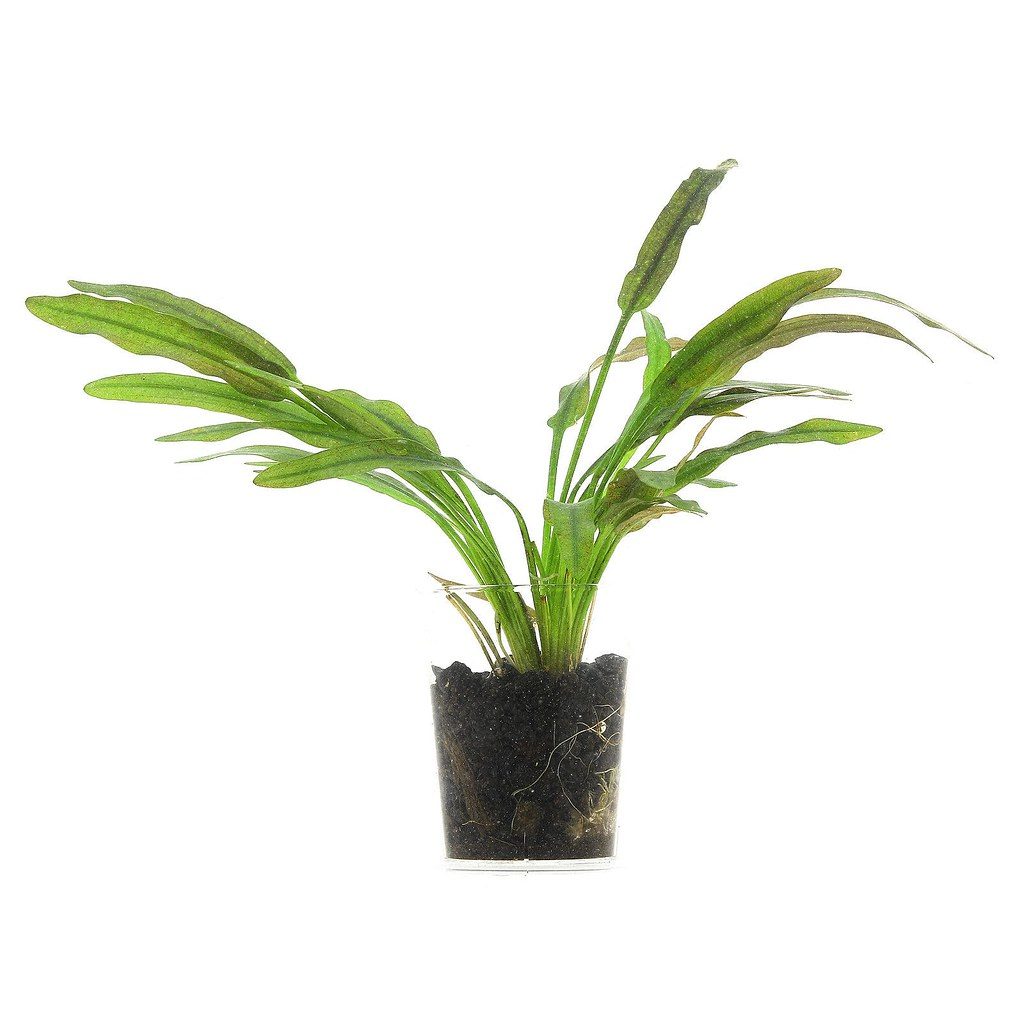
Pro Tip: Don’t rely solely on liquid fertilizers if you have heavy root feeders like Cryptocoryne or Amazon Swords. Using nutrient-rich “root tabs” in the substrate can double your growth rate by targeting the rhizosphere directly.
The Role of Foliar Absorption
Foliar absorption allows plants to pull ions like potassium and magnesium directly from the water. This is incredibly efficient for fast-growing stem plants that have a high surface-area-to-volume ratio.
However, this process is often limited by something called boundary layer thickness. This is a thin film of still water that surrounds the leaf surface, acting as a physical barrier to nutrient movement.
To overcome this, you need gentle but consistent water movement. This helps keep a fresh supply of minerals is always in contact with the leaf, maximizing aquarium plant nutrient uptake.
Root Uptake and the Rhizosphere
The area around a plant’s roots is a hive of chemical activity. Plants actually pump oxygen down into the substrate through specialized tissues called aerenchyma.
This oxygenation prevents the soil from becoming “sour” or anaerobic. It also helps maintain a healthy redox potential, which is essential for keeping nutrients in a form the plant can actually use.
Some minerals, like iron, are much easier for plants to absorb through their roots than through their leaves. This is why a high-quality “active” substrate is often the secret behind world-class aquascapes.
The Science of Nutrient Availability
Not all nutrients are created equal, and their availability changes based on your water chemistry. One of the most unusual parts of this hobby is seeing how pH and hardness dictate what your plants can “eat.”
For example, many plants use an enzyme called carbonic anhydrase to help them capture CO2 from the water. This enzyme is particularly important in harder water where CO2 doesn’t dissolve as easily.
You also have to consider active transport. This is when a plant uses its own energy to “pump” a nutrient into its cells against a concentration gradient.
| Nutrient Type | Primary Uptake Method | Common Deficiency Sign |
|---|---|---|
| Nitrogen (N) | Leaves & Roots | Yellowing of older leaves |
| Potassium (K) | Foliar Absorption | Small pinholes in leaves |
| Iron (Fe) | Rhizosphere (Roots) | Pale or white new growth |
| Phosphorus (P) | Roots & Leaves | Stunted growth/dark leaves |
Liebig’s Law of the Minimum
This is a vital concept for any aquarist to understand. Liebig’s Law of the Minimum states that growth is dictated not by total resources available, but by the scarcest resource.
If you have intense lighting and plenty of CO2, but zero potassium, your plants will stop growing. When growth stops, algae usually takes over because the plants are no longer competing for resources.
I often see beginners adding more and more light to “fix” their plants, only to cause an algae bloom. In reality, they usually just needed to fix a bottleneck in their aquarium plant nutrient uptake.
Cation Exchange Capacity (CEC)
When choosing a substrate, you will often hear the term Cation Exchange Capacity. This refers to the substrate’s ability to hold onto positively charged nutrients like calcium, magnesium, and potassium.
Substrates with a high CEC act like a battery. They “charge up” by pulling nutrients from the water and hold them near the roots for the plant to use later.
Using a high-CEC soil is one of the best ways to support long-term stability. It prevents nutrient spikes in the water while keeping a steady supply available for the rhizosphere.
Optimizing the Environment for Nutrient Uptake
Having the nutrients present in the tank is only half the battle. You must also help the environment allows the plants to process those nutrients efficiently.
Light is the fuel for the engine of photosynthesis. Without enough light, the plant won’t have the energy required for active transport of minerals into its tissues.
However, too much light without enough CO2 causes the plant’s internal systems to “overheat.” This leads to oxidative stress and can actually damage the plant’s ability to absorb food.
Pro Tip: If you see “pearling” (bubbles of oxygen on leaves), your plants have reached a saturation point of oxygen. This is a great sign that your aquarium plant nutrient uptake and photosynthesis are at their peak.
The Importance of Water Flow
As mentioned earlier, boundary layer thickness is a major hurdle. In a stagnant tank, a “dead zone” of nutrient-depleted water forms around every leaf.
I’ve found that adding a small powerhead or ensuring your filter output creates a gentle sway in the leaves can dramatically improve health. You want to see every leaf in the tank moving just a tiny bit.
This movement effectively “scrubs” the leaves, bringing fresh minerals and CO2 directly to the plant’s surface. It also helps with nitrogenous waste assimilation, as the plants can more easily pull ammonia and nitrates from the moving water.
CO2 and Carbon Availability
Carbon is the backbone of all plant life. While some plants can survive without added CO2, they will never reach their full potential or uptake nutrients as quickly.
By optimizing carbon dioxide levels, you essentially increase the plant’s “appetite.” This allows them to pull more nitrates and phosphates from the water, which helps keep the tank clean.
Even in “low-tech” tanks, you can improve carbon availability by making sure good surface agitation. This allows atmospheric CO2 to dissolve into the water naturally.
Common Problems and Troubleshooting
When aquarium plant nutrient uptake fails, the signs are usually visible on the plants themselves. Learning to read these signs is like learning a new language.
If you notice that your benefits of live plants are being overshadowed by holes or yellowing, it’s time to check your dosing. Mobile nutrients (like Nitrogen) show symptoms on old leaves, while immobile ones (like Iron) show on new growth.
Sometimes, the problem isn’t a lack of nutrients, but an “antagonism.” For example, too much calcium can actually block a plant’s ability to take up magnesium.
Dealing with Algae and Uptake
Algae is often a symptom of poor aquarium plant nutrient uptake. When plants are healthy and growing fast, they release natural biochemicals that inhibit algae growth.
If your plants are struggling, they may start leaking sugars and amino acids into the water. This is like a dinner bell for algae spores, which will quickly coat your leaves and further block light and nutrients.
I always tell people: “Grow the plants, and the algae will take care of itself.” Focus on the needs of the higher plants first, and the ecosystem will find its balance.
Fish and Plant Compatibility
Some fish can actually interfere with your plants’ ability to do well. For instance, you might find fish that eat plants can strip the foliage before the plant can even establish its root system.
When the leaf surface is damaged, the plant has to divert energy from aquarium plant nutrient uptake to tissue repair. This can stall growth for weeks and lead to a decline in overall tank health.
Always research your fish species to make sure they won’t treat your expensive aquascape like a salad bar. A peaceful tank is one where the fish provide the fertilizer (nitrates) and the plants provide the filtration.
Maintenance for Better Nutrient Flow
Regular maintenance is the only way to keep the system running smoothly. Over time, the rhizosphere can become compacted, or the substrate can lose its redox potential.
I recommend a gentle “fluffing” of the top layer of substrate during water changes to prevent gas buildup. You should also prune dead or dying leaves immediately.
Decaying matter consumes oxygen and can lower the pH locally around the plant. This shift can disrupt the delicate balance of active transport and mineral availability.
The Impact of Water Changes
Water changes do more than just remove nitrates; they reset the mineral balance. Over time, certain minerals can build up while others are depleted.
By changing 25-50% of the water weekly, you ensure that the ratios of calcium, magnesium, and trace elements remain stable. This consistency is key for steady aquarium plant nutrient uptake.
In my experience, plants hate “swings” in water chemistry more than they hate low nutrient levels. Stability is the foundation of a successful planted aquarium.
Practical notes
- Add plants before fish in a new tank; they start using ammonia and nitrate right away.
- Remove melting or dead leaves promptly so they do not break down into ammonia.
- Yellowing older leaves often point to nitrogen or potassium shortage; yellowing new leaves usually point to iron.
- Epiphytes like java fern and anubias should be tied to rock or wood; burying the rhizome rots it.
FAQ: Frequently Asked Questions
Why are my plant leaves turning yellow?
This is usually a sign of nitrogen deficiency. The plant is moving nitrogen from its old leaves to its new growth, causing the older leaves to pale and die.
Can I have too many nutrients in my tank?
Yes, extremely high levels of certain minerals can be toxic to fish and shrimp. It can also cause “nutrient lockout,” where an excess of one element prevents the uptake of another.
How does water flow affect my plants?
Water flow reduces the boundary layer thickness around leaves. This allows for faster CO2 and mineral absorption, leading to healthier growth.
Do I need a special substrate for all plants?
While some plants like Anubias or Java Fern don’t need substrate, most “root feeders” require a high-CEC soil to reach their full potential.
Is liquid fertilizer enough for a planted tank?
For many tanks, yes. However, if you have heavy-rooting species, liquid fertilizer alone may not be enough to sustain long-term aquarium plant nutrient uptake.
My final take
Mastering aquarium plant nutrient uptake is a journey of observation and adjustment. Once you understand the roles of the rhizosphere, foliar absorption, and Liebig’s Law, you can transform a struggling tank into a dense underwater forest.
Provide a balance of light, CO2, and minerals. Don’t forget the importance of water flow and substrate health to keep those biological processes running at peak efficiency.
In my decade of fish keeping, I’ve found that the most successful aquarists are the ones who pay attention to the small details. Keep your water stable, your substrate “charged,” and your plants will reward you with incredible beauty and a healthy environment for your fish.

- 2003First tank
- 20+Years keeping
- 40+Tanks kept
- 0Sponsored picks
Howard set up his first 10-gallon planted tank in 2003 and lost half of it within six weeks. Two decades and more than forty aquariums later, he writes the guides he wished he had then: clear numbers, the reasons behind them, and what actually goes wrong in home tanks.