Dry Start Method Mold – Step-by-Step Guide
Dry start method mold is typically caused by excessive moisture and poor air circulation. You can manage it by increasing ventilation, removing infected plant matter, and applying targeted hydrogen peroxide treatments.
Starting a new aquascape using the dry start method is an incredibly satisfying experience. It allows slow-growing carpet plants like Hemianthus callitrichoides to establish sturdy root systems before the tank is flooded.
However, many hobbyists encounter a frustrating hurdle: the appearance of fuzzy, white, or gray patches on their substrate or plant leaves. This is almost always an outbreak of saprotrophic fungi.
Understanding Why Mold Occurs in Your Tank
When you seal your aquarium to maintain high humidity, you are creating a perfect microclimate. Unfortunately, this climate is just as hospitable to mold spores as it is to your aquatic plants.
In my experience, the problem usually stems from a lack of proper gas exchange. When the air inside the tank becomes stagnant, moisture condenses excessively, providing the perfect medium for mycelium to spread.
Common Mistake: Many beginners keep their tanks wrapped in plastic wrap 24/7. This prevents necessary oxygen from entering, leading to anaerobic conditions in the substrate that invite fungal growth. Always make sure you are removing the cover for at least 15 to 20 minutes daily to refresh the internal air.
Identifying the Symptoms of an Outbreak
Not every white spot is a cause for alarm, but you must distinguish between beneficial biological activity and harmful fungal growth. Saprotrophic fungi typically appear as cotton-like, white webs.
If you see these webs spreading rapidly across your substrate, you need to act quickly. If left unchecked, this mold can smother delicate plant shoots and eventually kill them.
Best Practices for Managing and Removing Mold
If you spot mold, do not panic. It is a common part of the learning curve for many aquascapers. The goal is to balance moisture levels without letting your plants dry out.
First, physically remove as much of the visible mold as possible using long tweezers. Be gentle, as you do not want to pull up the roots of your newly planted specimens.
Next, you can use a diluted solution of hydrogen peroxide to spot-treat affected areas. Use a small syringe or pipette to apply it directly to the moldy patch.
| Treatment Method | Effectiveness | Caution Level |
|---|---|---|
| Increased Ventilation | High (Preventative) | Low |
| Hydrogen Peroxide | High (Active) | Medium |
| Glutaraldehyde | Moderate | High |
Optimizing Your Dry Start Method Mold Prevention
Prevention is far easier than cure. The most important factor in your setup is achieving the right balance of relative humidity.
You want the soil to be moist, not swampy. If you see water pooling at the bottom of your tank, you have added too much water.
Pro Tip: If you struggle with persistent mold, consider introducing Collembola, commonly known as springtails. These tiny, beneficial arthropods feed on decaying matter and fungi. They are a natural, organic way to keep your tank’s ecosystem clean during the dry start phase.
The Role of Substrate Saturation
Substrate saturation is a delicate science. The soil should be dark and damp to the touch, but there should never be a standing layer of water above the soil line unless you are specifically growing marginal plants that require it.
If your substrate is overly saturated, it creates anaerobic conditions. These pockets are prime real estate for unwanted pathogens.
Reader questions
Does mold mean I have to restart my tank? Absolutely not. Minor outbreaks are very common and rarely require a full teardown. Simply treat the area and improve your airflow.
Will the mold go away when I flood the tank? Yes, most terrestrial fungi will die off once the tank is filled with water. However, it is best to remove as much as possible before flooding to prevent an ammonia spike from the decaying organic matter.
How often should I mist my plants? Mist your plants only when the leaves look dry or the substrate surface begins to lighten in color. If you have a tight seal on your tank, you may only need to mist once every few days.
Before you go
Successfully working through the dry start method mold challenges is all about observation and adjustment. If you watch your humidity levels and ensuring consistent airflow, you can create a stable environment for your aquatic plants.
Patience is the most essential tool in any aquarist’s kit. Keep your tank clean, watch your parameters, and enjoy the process of watching your underwater garden take root.
Practical notes
- Add plants before fish in a new tank; they start using ammonia and nitrate right away.
- Remove melting or dead leaves promptly so they do not break down into ammonia.
- Yellowing older leaves often point to nitrogen or potassium shortage; yellowing new leaves usually point to iron.
- Epiphytes like java fern and anubias should be tied to rock or wood; burying the rhizome rots it.
- 2003First tank
- 20+Years keeping
- 40+Tanks kept
- 0Sponsored picks
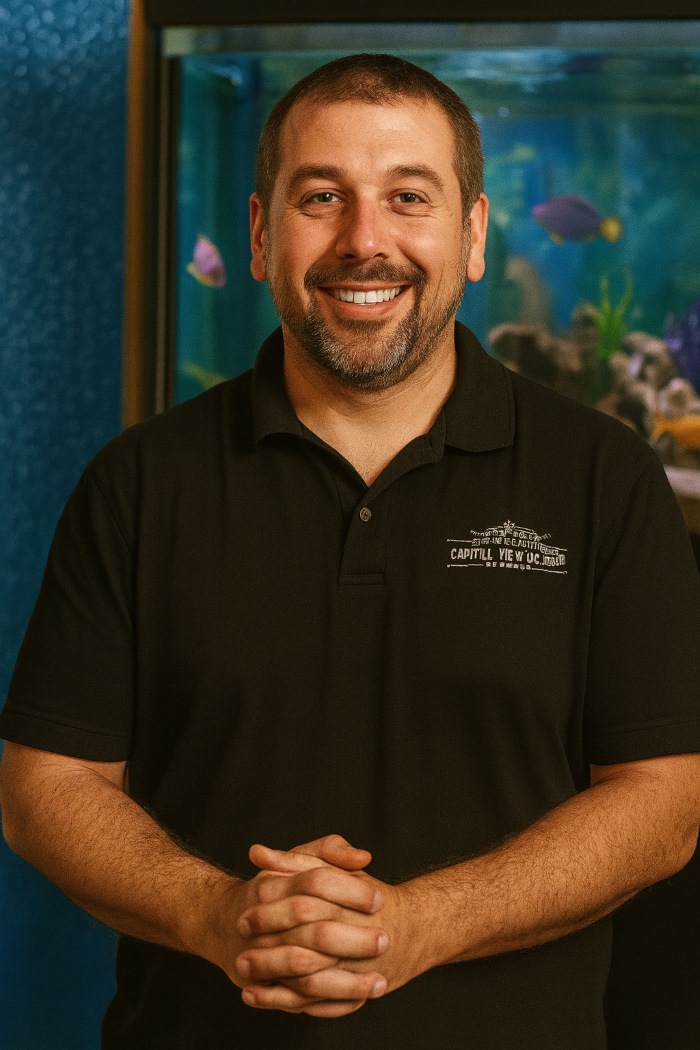
Howard set up his first 10-gallon planted tank in 2003 and lost half of it within six weeks. Two decades and more than forty aquariums later, he writes the guides he wished he had then: clear numbers, the reasons behind them, and what actually goes wrong in home tanks.