Emersed Aquarium Plant Conversion – Explained Simply
Emersed aquarium plant conversion is the process of transitioning plants grown above the water line to fully submerged aquatic conditions, requiring gradual adaptation to differences in CO2 availability and gas exchange mechanisms.
Transitioning plants from a terrestrial or “emersed” state to a fully submerged environment is one of the most satisfying skills an aquarist can develop. Many of the high-quality plants you purchase from tissue cultures or specialized nurseries are grown in humid, greenhouse-like conditions to maximize growth rates.
When you bring these plants home, they are often perfectly adapted to life with direct access to atmospheric air. Moving them into your aquarium requires a biological shift, as they must adjust their physiology to settle in in a denser, water-filled environment.
Understanding the Biological Shift
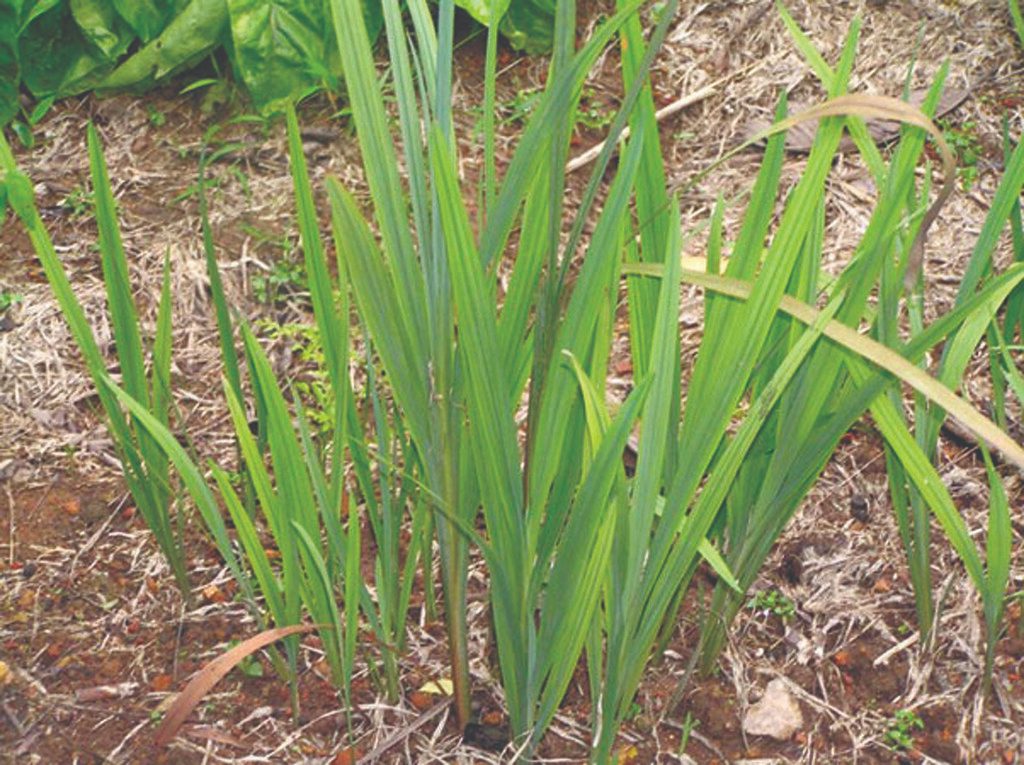
Plants grown above the water line have distinct anatomical features designed for high-oxygen environments. They typically possess thicker, more rigid leaves protected by a layer of epicuticular wax to prevent desiccation.
Because atmospheric air contains significantly higher concentrations of CO2 than water, these plants do not need to rely on specialized internal structures for gas exchange. Once submerged, the plant must begin to develop new, thinner leaves that are better suited for aquatic life.
This process is a prime example of heterophylly, where a single plant species exhibits different leaf morphologies depending on its environment. During this adjustment, the plant redirects energy away from its old, terrestrial leaves to produce new growth that can maximize gaseous CO2 diffusion in your tank.
Pro Tip: Don’t panic if your plants lose their original leaves shortly after planting. This is a natural stage of leaf senescence. As long as you see new, smaller, or differently shaped leaves emerging from the crown or nodes, the conversion is likely a success.
Preparing Your Environment for Success
When planning for emersed aquarium plant conversion, stability is your best friend. Your aquarium’s water parameters should be optimized to reduce stress on the plant while it redirects its metabolic resources.
Proper nutrient levels are essential, as the plant will be working hard to build new cellular structures. If you notice early signs of nutrient deficiency, you may need to adjust your dosing strategy, as described in our guide on opening up flourishing growth.
| Parameter | Target Range | Importance |
|---|---|---|
| CO2 Concentration | 20–30 ppm | High; aids rapid adaptation |
| Lighting Intensity | Moderate | Prevents photoinhibition |
| Substrate Depth | 2–3 inches | Facilitates root anchorage |
Managing the Transition: Step-by-Step
Start by making sure your plants are healthy before they even hit the water. If you are working with tissue cultures, rinse the nutrient gel off carefully to prevent bacterial blooms in your tank.
Plant your specimens carefully using aquascaping tweezers to avoid crushing the stems. For species like Echinodorus amazonicus, ensure the crown is slightly above the substrate line to prevent rot.
Provide stable lighting and avoid massive fluctuations in water chemistry. If you are using CO2 injection, make sure it is consistent, as the plant’s stomatal conductance—the rate at which it exchanges gases—will be in a state of flux during the first few weeks.
Common Pitfalls and Troubleshooting
The most common issue hobbyists face is the dreaded “melt.” This is particularly prevalent with Cryptocoryne species, often referred to as Cryptocoryne melt.
This occurs when the plant sheds its emersed leaves faster than it can grow submerged ones. While it looks alarming, it is often just a symptom of the plant resetting its metabolic clock.
Common Mistake: Many beginners increase light intensity to “force” plants to grow faster during the conversion. This often backfires, leading to algae outbreaks or plant stress. Keep your light duration and intensity moderate until you see consistent new growth.
Monitor your water chemistry closely. If you see signs of necrosis, refer to our expert advice on managing plant health to keep your parameters are not contributing to the issue.
The Role of Aerenchyma and Internal Gas Transport
Aquatic plants have evolved brilliant ways to survive in low-oxygen environments. They develop aerenchyma, which are specialized air-filled tissues that allow the plant to transport gases from the leaves down to the roots.
During the conversion process, the plant is essentially “rewiring” these internal channels. This is why patience is the most important tool in your kit. The plant is not just growing; it is literally reinventing its internal plumbing.
A few common questions
Does every plant need to convert? Not necessarily. Some plants are grown hydroponically and are already adapted to submerged life. However, most “carpet” plants and stem plants sold in stores start as emersed crops.
How long does the conversion take? It depends on the species. Fast-growing stem plants can adapt in 1–2 weeks, while slower-growing species may take a month or more to fully establish.
Should I trim the emersed leaves immediately? It is generally better to leave them until they show signs of decay. They still provide a small amount of energy to the plant until the new, submerged foliage takes over the workload.
Is there a way to speed up the process? Optimizing your carbon availability through efficient CO2 diffusion is the single most effective way to help plants transition faster.
In short
Successfully mastering emersed aquarium plant conversion comes down to understanding the plant’s need for time and stability. If you respect the physiological changes these organisms undergo, you move from being just a tank owner to a true aquatic gardener.
Focus on providing consistent nutrition, stable light, and patience. Your plants will reward you with well-grown, bright growth that signals a healthy, balanced ecosystem. Keep observing, keep learning, and your aquarium will continue to stay healthy.
Quick checklist
- Root feeders such as swords, crypts and vallisneria need root tabs or a nutrient-rich substrate, not only liquid fertiliser.
- Add plants before fish in a new tank; they start using ammonia and nitrate right away.
- Remove melting or dead leaves promptly so they do not break down into ammonia.
- Yellowing older leaves often point to nitrogen or potassium shortage; yellowing new leaves usually point to iron.

- 2003First tank
- 20+Years keeping
- 40+Tanks kept
- 0Sponsored picks
Howard set up his first 10-gallon planted tank in 2003 and lost half of it within six weeks. Two decades and more than forty aquariums later, he writes the guides he wished he had then: clear numbers, the reasons behind them, and what actually goes wrong in home tanks.