Dark Start Aquarium Cycling – Step-by-Step Guide
Dark start aquarium cycling is a specialized method for establishing a solid nitrogen cycle in new planted aquariums without light or livestock. It leverages the ammonia-leaching properties of active substrates to build beneficial nitrifying bacteria, creating a stable biological filter for future plants and aquatic life.
Embarking on a new planted aquarium keeping is incredibly exciting. The vision of leafy greenery and bright aquatic life motivates us all. However, the key first step, establishing a mature biological filter, often presents challenges. Traditional cycling methods can be slow, fraught with algae outbreaks, and sometimes stressful if rushed.
That’s where dark start aquarium cycling comes into play. It’s a technique I’ve used with great success in many of my own planted tanks over the past decade. This method has transformed how I approach new setups, particularly those heavy on aquatic plants.
It’s a powerful strategy for building a stable and healthy environment right from the start. Once you understand and implementing the dark start, you’ll set your aquarium up for long-term success. You’ll bypass many common early-stage issues, paving the way for stable plants and eventually, happy fish and shrimp.
Understanding Dark Start Aquarium Cycling: What It Is and Why It Works
At its core, the dark start method involves setting up a new aquarium with substrate, hardscape, and water, but without any lighting or livestock for an initial period. This period allows the biological filter to develop in a controlled, algae-free environment.
The primary driver behind the dark start’s effectiveness is the nature of active, nutrient-rich substrates. These substrates, often clay-based or baked soil products, are designed to release ammonia into the water column. This ammonia acts as the food source for the beneficial bacteria.
Without light, algae growth is suppressed, allowing nitrifying bacteria to colonize surfaces without competition. This focused development of the nitrogen cycle is what makes this method so appealing for planted tank enthusiasts.
The Problem with Traditional Cycling and Algae
In a typical fish-in or fish-less cycle with light, the ammonia and nitrites spike, leading to conditions ripe for algae blooms. Algae compete with newly planted aquatic plants for nutrients and light. This can stunt plant growth and create a visually unappealing tank.
A dark start circumvents this issue entirely. By excluding light, we prevent photosynthetic organisms like algae from establishing a foothold. This gives your nascent bacterial colonies a head start and ensures a cleaner slate for your plants.
Pro Tip: Don’t Rush the Darkness!
While it might be tempting to peek or turn on the lights, resist the urge. Every moment of darkness contributes to preventing algae spores from germinating. Consistency is key for a successful dark start aquarium cycling process.
The Science Behind a Successful Dark Start
The success of the dark start hinges on encouraging a sturdy nitrogen cycle. This natural process converts harmful nitrogenous waste into less toxic forms. It’s driven by specific types of bacteria.
When you introduce active substrate, it begins a process of ammonia leaching. This initial release of ammonia is important. It provides the necessary fuel for the first wave of beneficial bacteria, primarily Nitrosomonas species.
These bacteria oxidize ammonia into nitrite. Subsequently, another group of bacteria, mainly Nitrobacter species, converts nitrite into much safer nitrate. This entire process is known as nitrogenous waste oxidation.
Bacterial Colonization and Biofilm Development
The dark, nutrient-rich environment encourages the rapid colonization of surfaces by these bacteria. They form dense communities known as biofilms on the substrate, hardscape, and filter media.
This biofilm development is vital for efficient filtration. It creates a vast surface area for the bacteria to stay healthy, making your biological filter highly effective. The absence of light means less competition from diatoms or green spot algae for these prime colonization sites.
Substrate Chemistry and Nutrient Release
Active substrates also play a role beyond just providing ammonia. Many have a high cation exchange capacity. This means they can absorb and release nutrients, like essential plant fertilizers, based on the water chemistry.
Initially, some substrates might also release dissolved organic compounds and even some humic acid concentration. While these can slightly tint the water, they generally contribute to a more stable ecosystem in the long run. They can also support a diverse microbial community.
Setting Up Your Dark Start Aquarium: A Step-by-Step Guide
Proper preparation is key to a smooth dark start. This process helps make sure your tank environment is primed for beneficial bacterial growth and minimal issues later on.
1. Tank Preparation and Hardscape
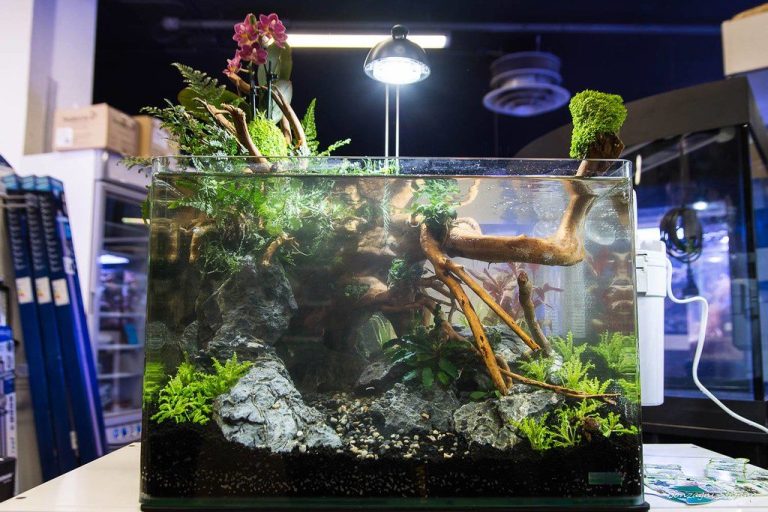
Begin by thoroughly cleaning your aquarium. Rinse all hardscape, rocks and driftwood, to remove any loose debris. Arrange your hardscape to create the desired aquascape layout.
Help everything is stable and won’t shift once water and substrate are added. This is your last chance to easily adjust the foundational elements of your tank’s design.
2. Adding Substrate and Water
Carefully add your chosen active substrate. Aim for a depth that supports healthy plant root systems, typically 2-3 inches, with deeper areas for larger plants if desired. Gently smooth it out.
Slowly add dechlorinated water to the tank. Use a plate or plastic bag to break the stream and prevent disturbing the substrate. Fill the tank completely. This makes sure full active substrate saturation.
3. Filtration and Heating
Install your filter media. If possible, use seeded media from an established tank to jumpstart the process. Otherwise, new media will suffice. Turn on your filter and heater.
Set your heater to the desired temperature for your future inhabitants. For many tropical setups, this is typically between 74-78°F (23-26°C). Stable temperatures are important for bacterial activity.
Common Mistake: Forgetting Dechlorinator!
Always use a good quality dechlorinator when adding tap water. Chlorine and chloramines are toxic to beneficial bacteria and will halt your cycling process before it even begins. This is one of the most fundamental steps in any aquarium setup.
4. The Dark Period Begins
Once filled, immediately cover your aquarium to block out all light. This could be a blanket, cardboard, or even black plastic sheeting. Keep no ambient light penetrates the tank.
Run your filter and heater continuously. Do not add any plants, fish, or other inhabitants at this stage. The tank needs to be completely dark for the cycling process to happen effectively.
Dark Start Setup Checklist
| Item | Action | Notes |
|---|---|---|
| Aquarium Tank | Clean and position | Help level and stable surface. |
| Hardscape (Rocks/Wood) | Rinse and arrange | Create desired layout, ensure stability. |
| Active Substrate | Add to tank | 2-3 inches deep, gently smooth. |
| Dechlorinated Water | Fill tank | Use a plate to minimize substrate disturbance. |
| Filter (with media) | Install and run | Seeded media is a bonus, but not essential. |
| Heater | Install and set temp | Maintain stable temperature (e.g., 74-78°F). |
| Light Blockage | Cover tank completely | Use blanket, cardboard, or sheeting. |
| Test Kit | Prepare for monitoring | Liquid test kit for Ammonia, Nitrite, Nitrate, pH. |
Monitoring and Managing Your Dark Start
Even though the tank is dark, it’s not a set-it-and-forget-it situation. Regular water testing is important to track the progress of your dark start aquarium cycling. This helps you understand when your biological filter is ready.
Water Parameter Testing
You’ll need a reliable liquid test kit that measures ammonia, nitrite, and nitrate, as well as pH. Begin testing your water parameters every few days, starting about a week into the dark period.
Initially, you’ll see ammonia levels rise as the substrate leaches it. Then, ammonia will drop as Nitrosomonas bacteria proliferate, leading to a spike in nitrite. Finally, nitrite will fall as Nitrobacter bacteria establish, resulting in rising nitrate levels.
The cycle is complete when both ammonia and nitrite consistently read zero, and nitrates are detectable. This typically takes 3-6 weeks, though it can vary.
Addressing a Heterotrophic Bacterial Bloom
Sometimes, particularly in the first week, you might notice cloudy or milky water. This is often a heterotrophic bacterial bloom, caused by a rapid increase in bacteria feeding on dissolved organic compounds released from the substrate.
This is usually harmless and will clear on its own as the tank matures. Avoid the temptation to do large water changes during this phase, as it can disrupt the beneficial bacteria establishing themselves.
Water Changes During the Dark Start
During the dark start, water changes are generally minimal or unnecessary. If nitrates climb excessively high (e.g., >50 ppm) towards the end of the cycle, a small water change (10-20%) can be performed. Make sure you use dechlorinated water.
The goal is to allow the bacterial colonies to establish without interruption. Excessive water changes can dilute the ammonia source and prolong the cycling process.
Transitioning from Dark Start to a Well-kept Planted Tank
Once your ammonia and nitrite levels consistently read zero for several consecutive days, and you have measurable nitrates, your dark start is complete. Now it’s time to introduce light and plants.
Introducing Plants and Lighting
Uncover your tank and immediately begin planting. Choose healthy aquatic plants that suit your desired aesthetic and tank conditions. Root tabs can be added under heavy root feeders for additional nutrients.
Start your lighting schedule conservatively. I’ve noticed that a common mistake is immediately blasting the tank with full light. Begin with 4-6 hours a day and gradually increase over several weeks. This eases plants into their new environment and minimizes the risk of algae resurgence.
Consider linking to an article on diagnosing plant deficiencies if you encounter issues.
Initial Fertilization and CO2
After planting, you can begin a lean fertilization regimen. Your active substrate will still be providing nutrients, but plants will benefit from additional macro and micronutrients as they grow. Monitor your plants for signs of nutrient deficiency.
If you plan to use CO2 injection, now is the time to set it up. Start with a low flow rate and gradually increase it while observing your plants and any future livestock. Proper optimizing CO2 efficiency is essential for plant growth.
Adding Livestock (Fish and Shrimp)
Wait at least another week after introducing plants and lights before adding any fish or shrimp. This allows the plants to settle in and the tank’s biological filter to stabilize further with the added bioload from plant decay.
When you do introduce livestock, do so slowly and in small batches. This prevents overwhelming your newly established biological filter. Start with hardy, beginner-friendly freshwater fish. Monitor water parameters closely for the first few weeks after stocking.
Common Challenges and Troubleshooting
While dark start cycling is highly effective, you might encounter a few minor hurdles. Knowing how to address them helps keep your success.
Persistent Ammonia or Nitrite Spikes
If ammonia or nitrite levels remain high for an unusually long time (beyond 6-8 weeks), it could indicate an insufficient bacterial population. This might happen if your water source contains chloramines that weren’t fully neutralized, or if the initial ammonia source was too weak.
Consider adding a bacterial starter product or a small amount of pure ammonia (without surfactants) to boost the process. Ensure consistent temperature and filtration.
Algae After the Dark Period
If algae emerge quickly after you introduce light, it usually means your initial light period was too intense or too long. It could also indicate an imbalance of nutrients.
Reduce your lighting duration and intensity. Perform a small water change to lower nitrates if they are very high. Make sure your plants are healthy and growing, as they are your best defense against algae.
Cloudy Water Persisting
While an initial bacterial bloom is normal, persistent cloudy water could signal an ongoing imbalance. This is often due to an excess of dissolved organic compounds or a lack of mechanical filtration.
Check your filter for blockages and keep it’s functioning optimally. Consider adding a small amount of activated carbon to your filter to absorb excess organics. Avoid overfeeding once fish are introduced, as this is a common cause of cloudy water.
Worth knowing before you start
- Yellowing older leaves often point to nitrogen or potassium shortage; yellowing new leaves usually point to iron.
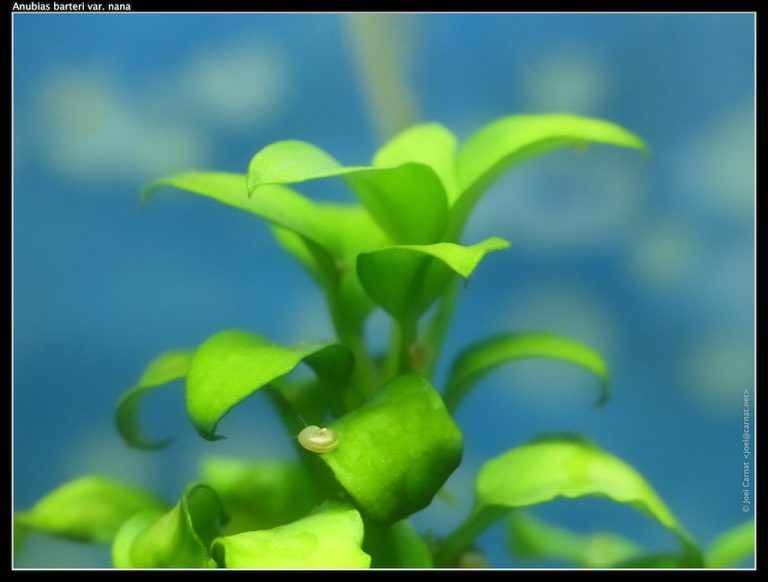
- Epiphytes like java fern and anubias should be tied to rock or wood; burying the rhizome rots it.
- Most planted tanks do well with 6–8 hours of light per day; longer photoperiods usually just grow more algae.
- Trim stem plants above a node and replant the tops for denser growth.
Quick answers About Dark Start Cycling
How long does a dark start aquarium cycling typically take?
Generally, a dark start cycle takes between 3 to 6 weeks. The duration can vary depending on the specific substrate used, water temperature, and whether you seeded your filter with beneficial bacteria.
Can I add plants during the dark start?
No, it’s not recommended. The purpose of the dark period is to prevent algae growth by excluding light. Adding plants, which require light for photosynthesis, during this phase would defeat the primary benefit of the method. Wait until ammonia and nitrite are zero.
Do I need to dose ammonia during a dark start?
Usually, no. The active substrate itself is designed to leach ammonia, providing the necessary food source for the nitrifying bacteria. Dosing additional ammonia is generally not required and could even lead to excessively high levels.
What type of substrate is best for a dark start?
Active, nutrient-rich substrates specifically designed for planted aquariums are ideal. Brands like ADA Aqua Soil,
- 2003First tank
- 20+Years keeping
- 40+Tanks kept
- 0Sponsored picks
Howard set up his first 10-gallon planted tank in 2003 and lost half of it within six weeks. Two decades and more than forty aquariums later, he writes the guides he wished he had then: clear numbers, the reasons behind them, and what actually goes wrong in home tanks.