Do Tortoises Have Scales – What You Need to Know
Yes, all tortoises possess scales. These hardened structures, made of keratin, cover their limbs, head, and tail, providing essential protection against injury, dehydration, and environmental stressors.
If you are an aquarium hobbyist transitioning into semi-aquatic or terrestrial chelonians, you might be surprised by how much your fish-keeping knowledge overlaps with reptile care. Many of us started with tropical fish before falling in love with the prehistoric charm of turtles and tortoises.
Understanding the anatomy of these animals is the first step toward becoming a responsible keeper. Whether you are curious about the differences between land-dwelling tortoises or their water-loving cousins, the question “do tortoises have scales” is a fundamental starting point for understanding their biology.
In my experience, many beginners assume that because a tortoise has a shell, the rest of its body is just soft skin. However, that couldn’t be further from the truth. Their integumentary system is a complex barrier that keeps them healthy and safe.
At a glance: Tortoises (general) (Family Testudinidae)
- Temperature
- Basking 90–100°F by species
- Adult size
- 4–30 in shell by species
- Enclosure
- Large enclosure or outdoor pen
- Group size
- Usually alone
- Temperament
- Docile
- Diet
- Herbivores: weeds, grasses, leafy greens
- Lifespan
- 40–100+ years
Keeper’s tip: UVB lighting and calcium are essential for healthy shell growth in indoor tortoises.
The evolutionary purpose of tortoise scales
Scales are not just an aesthetic feature of the tortoise; they are a critical survival mechanism. These structures are made of the same protein as our fingernails: keratin.
By forming a tough, overlapping armor, scales protect the tortoise from abrasive terrain, insect bites, and minor physical trauma. In the wild, this integument allows them to crawl through dense underbrush without sustaining cuts or infections.
Pro Tip: Always observe your animal’s legs and neck during routine health checks. If you notice persistent redness or swelling, it could indicate an underlying issue with their environment that requires an immediate change in habitat parameters.
For those of us coming from an aquarium background, think of these scales as the biological equivalent of a fish’s slime coat or hard scales. They are the first line of defense against pathogens.
Do tortoises have scales everywhere on their body?
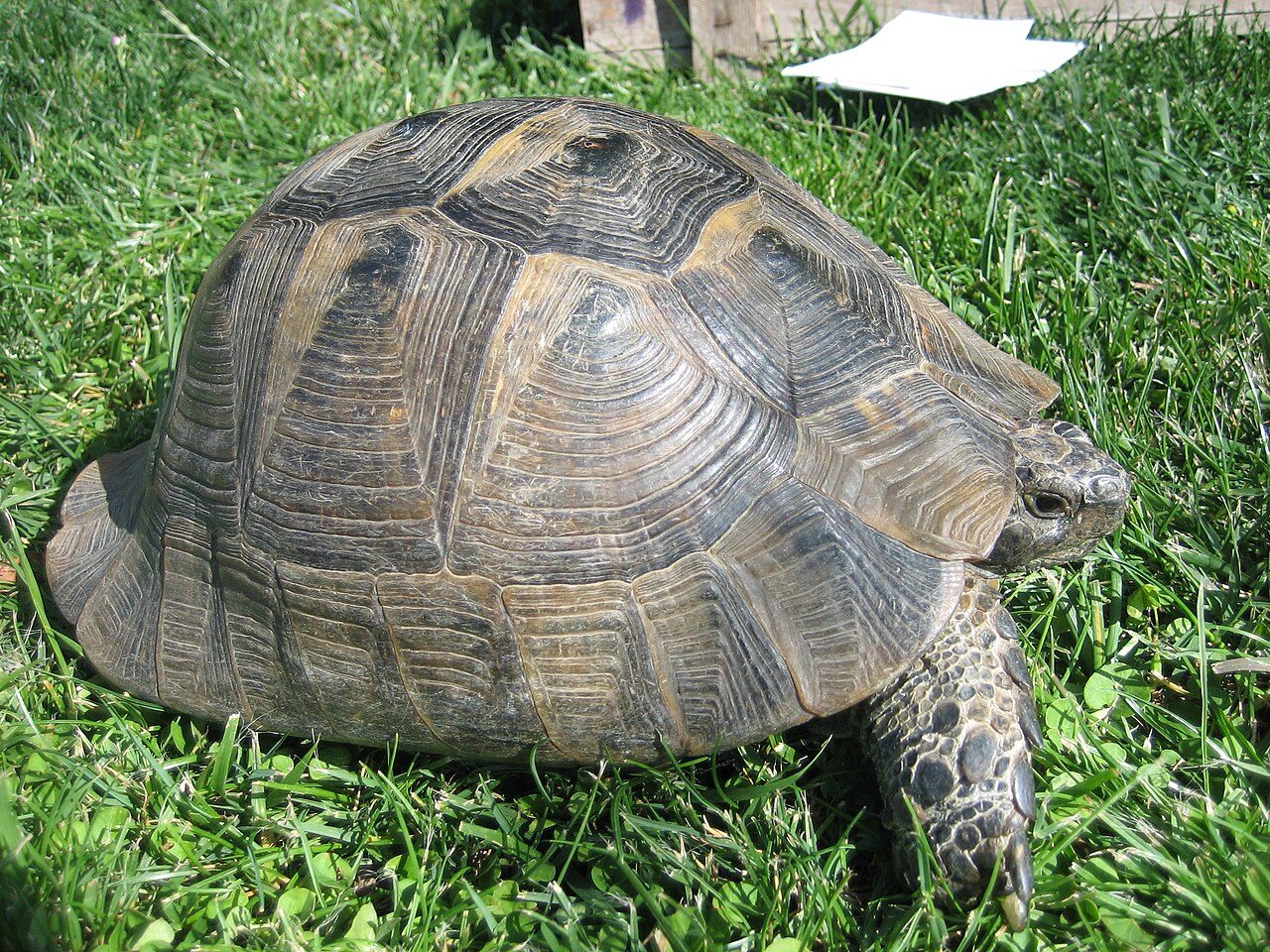
When people ask “do tortoises have scales,” they are usually referring to the visible, leathery skin on the legs and head. While the shell—or carapace—is composed of scutes, the skin is also covered in smaller, often overlapping scales.
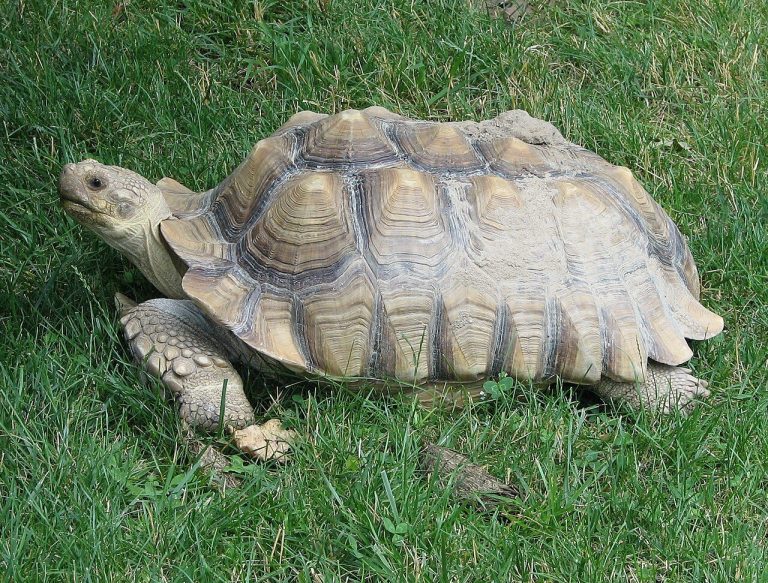
In contrast, aquatic species like the African spurred tortoise or semi-aquatic turtles have evolved slightly different integumentary adaptations. Aquatic turtles often have softer skin between their scales to allow for better range of motion while swimming.
If you are keeping a semi-aquatic species, you must monitor for conditions similar to shell rot. Maintaining high water quality is just as important for reptiles as it is for freshwater fish to prevent bacterial infections.
Comparing integumentary health: Fish vs. Reptiles
While fish and reptiles are vastly different, they share a vulnerability to environmental stressors. In the aquarium hobby, we focus on nitrate levels and pH. In the tortoise world, we focus on humidity and UVB exposure.
| Feature | Aquatic Fish | Tortoise/Turtle |
|---|---|---|
| Protective Layer | Mucus/Scales | Keratinized Scales |
| Primary Threat | Ammonia/Ich | Fungal/Dehydration |
| Health Indicator | Active swimming/Color | Scale luster/Shell firmness |
Just as amphibians or fish can suffer from skin ailments if the water is poor, tortoises can develop dermatological issues if their enclosure is too damp or lacks proper ventilation. Keeping a clean, dry environment is essential to preventing scale necrosis.
The role of the UVB spectrum lamp
You might wonder how scales relate to lighting. In the wild, tortoises rely on the sun to synthesize Vitamin D3, which is essential for healthy scale and shell growth.
In captivity, a quality UVB spectrum lamp is non-negotiable. Without it, the keratin structures can become brittle or deformed. Think of it like providing the right lighting for high-end aquatic plants; without the right spectrum, the biological processes simply stall.
Common Mistake: Many new keepers fail to replace their UVB bulbs every 6–12 months. Even if the light still turns on, the UVB output often drops significantly, which can lead to metabolic bone disease and poor skin health.
Potential health risks to watch for
Even with the best care, you should be aware of common problems. Fungal dermatitis and scale rot are the “ich” of the reptile world. They often occur when the animal is kept in conditions that are too humid without proper basking spots.
If you see white, fuzzy patches or dark, pitting lesions on the scales, it is time to reassess your husbandry. Much like checking for signs of dropsy in fish, early detection is key.
If you suspect an infection, avoid self-medicating with aquarium chemicals. Reptile skin is highly sensitive, and substances intended for water treatment can be toxic if applied directly to a tortoise’s skin.
Still wondering?
Do tortoises shed their scales?
Yes, tortoises shed their skin and the scales on their legs in small patches as they grow. This is a normal, healthy process and is not a cause for concern unless the shedding is excessive or reveals raw, bleeding skin underneath.
Is there a difference between a scale and a scute?
Yes, there is. Scutes are the large, flat, bony plates that make up the outer layer of the shell. Scales are the smaller, flexible, keratinized structures found on the neck, tail, and limbs.
Can I use aquarium water conditioners for my turtle’s skin?
Generally, no. Unless the product is specifically labeled as safe for reptiles, you should avoid it. Always prioritize clean, dechlorinated water and proper habitat maintenance instead of additives.
How do I know if my tortoise’s scales are healthy?
Healthy scales should look smooth, firm, and consistent in color. They should not feel soft or mushy to the touch. If you notice flaky, peeling, or discolored patches, it may be a sign of poor nutrition or inadequate humidity.
Final thoughts on tortoise care
Understanding that tortoises possess scales is more than just a trivia fact; it is a gateway to understanding their environmental needs. By treating their skin health with the same level of attention you give your aquarium water parameters, you keep a long and happy life for your chelonian.
Always research the specific species you are keeping, as environmental requirements vary wildly between desert-dwelling tortoises and tropical box turtles. With the right setup, you will find that these creatures are just as satisfying to keep as the most bright reef tank.

- 2003First tank
- 20+Years keeping
- 40+Tanks kept
- 0Sponsored picks
Howard set up his first 10-gallon planted tank in 2003 and lost half of it within six weeks. Two decades and more than forty aquariums later, he writes the guides he wished he had then: clear numbers, the reasons behind them, and what actually goes wrong in home tanks.