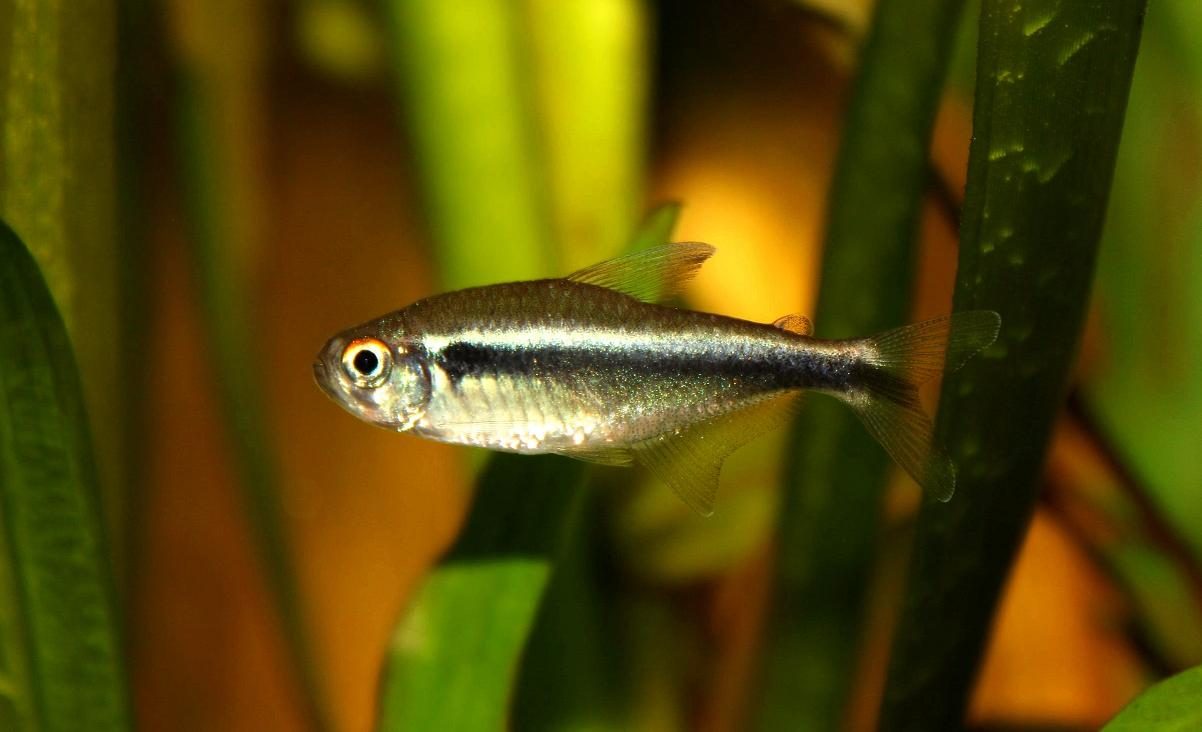
How to Add Ammonia to Fish Tank – Master Fishless Cycling
To add ammonia to a fish tank for cycling, use pure ammonium chloride or unscented household ammonia. Target a concentration of 2 to 4 ppm and monitor daily using a reliable liquid test kit.
Establishing a healthy biological filter is the most critical step in setting up a new aquarium. This process, known as the nitrogen cycle, requires a consistent source of food for beneficial bacteria to grow.
Learning how to add ammonia to fish tank environments allows you to complete this cycle without risking the lives of live fish. This method, called fishless cycling, is the gold standard for modern aquarium keeping.
By manually introducing ammonia, you provide the fuel necessary for Nitrosomonas and Nitrobacter colonies to flourish. This guide will walk you through the precise steps to dose your tank safely and effectively.
The Science Behind the Nitrogen Cycle
Before you begin dosing, it is essential to understand the biological transformation occurring in your water. Ammonia is the primary waste product produced by aquatic life, and it is highly toxic even in small concentrations.
In an established aquarium, biological filtration media houses colonies of beneficial bacteria that process these toxins. The first group of bacteria converts ammonia into nitrites, which are also dangerous to inhabitants.
The second group then converts those nitrites into nitrates, which are much less harmful. This entire process is known as nitrification and is the foundation of a stable ecosystem.
Understanding Total Ammonia Nitrogen
When you test your water, you are measuring Total Ammonia Nitrogen (TAN). This value includes both un-ionized ammonia (NH3) and ammonium (NH4+).
Un-ionized ammonia is the toxic form that we aim to eliminate through cycling. The balance between these two forms depends heavily on the temperature and pH of your aquarium water.
The Role of Beneficial Bacteria
Two primary genera of bacteria are responsible for the nitrogen cycle. Nitrosomonas bacteria handle the initial stage of converting ammonia into nitrite.
Nitrobacter and Nitrospira then take over to finalize the conversion into nitrate. For these colonies to grow, they require a steady supply of ammonia, oxygen, and a surface to attach to.
Pro Tip: Surface area is everything when it comes to filtration. Always choose high-quality ceramic rings or sponges to maximize the space available for bacterial colonization.
How to Add Ammonia to Fish Tank Safely
There are several ways to introduce ammonia into a new setup, but precision is key. Using pure chemical sources is often preferred because it allows for exact measurements and faster results.
When you learn how to add ammonia to fish tank systems, you avoid the unpredictability of using decaying organic matter. This controlled approach helps make sure that your bacteria have exactly what they need without creating a mess.
When setting up a new environment, understanding managing ammonia in temporary setups can prevent common pitfalls during the early stages.
Using Liquid Ammonium Chloride
Ammonium chloride is a specialized product designed specifically for aquarium cycling. It is highly concentrated and lacks the surfactants or perfumes found in household cleaners.
Most aquarium-specific brands provide clear instructions on how many drops are needed per gallon. This eliminates the guesswork and helps prevent accidental overdosing of the system.
Pure Household Ammonia
If you choose to use household ammonia, you must make sure it is 100% pure. Shake the bottle; if it foams like dish soap, it contains surfactants and is unsafe for your aquarium.
Avoid any products with “lemon scent,” “fresh scent,” or “cloudy” formulas. These additives will leave toxic residues that can prevent your biofilter maturation and harm future inhabitants.
| Ammonia Source | Pros | Cons |
|---|---|---|
| Ammonium Chloride | Highly precise, no additives, safe. | More expensive, may require shipping. |
| Pure Household Ammonia | Inexpensive, widely available. | Risk of surfactants, harder to dose. |
| Fish Food / Shrimp | Natural, no chemicals needed. | Messy, unpredictable levels, smells. |
Calculating the Correct Dosage
To start the cycle, you typically want to reach an ammonia concentration of 2 to 4 parts per million (ppm). Concentrations higher than 5 ppm can actually inhibit the growth of beneficial bacteria.
If you are using a 10% pure ammonia solution, the general rule is to add approximately 0.5 ml per 10 gallons of water. However, concentrations vary by brand, so testing is mandatory.
Always start with a half-dose and test the water after 20 minutes of circulation. This allows the ammonia to mix thoroughly before you take your salicylate method reading.
Dosage Estimation Table
The following table provides a starting point for dosing a 10% ammonia solution. Always verify these levels with a liquid test kit immediately after application.
| Tank Size (Gallons) | Target Concentration | Approximate Dose (10% Solution) |
|---|---|---|
| 5 Gallons | 2 ppm | 0.25 ml |
| 10 Gallons | 2 ppm | 0.50 ml |
| 20 Gallons | 2 ppm | 1.00 ml |
| 55 Gallons | 2 ppm | 2.75 ml |
The Step-by-Step Dosing Process
Once you have your source and your test kit ready, the process of how to add ammonia to fish tank water becomes a daily routine. Consistency is the key to encouraging bacterial growth.
Start by filling your tank and setting up all equipment, including the filter and heater. Bacteria grow faster in warmer water, so setting your heater to 80-82°F (27-28°C) during the cycle is beneficial.
Make sure you have dechlorinated the water using a high-quality water conditioner. Chlorine and chloramine will kill the very bacteria you are trying to build.
Initial Dosing and Testing
Add your calculated dose of ammonia to the tank. Wait at least 30 minutes for the filter to circulate the water, then perform an ammonia test.
If the level is below 2 ppm, add a few more drops and test again. Once you reach the target, record the date and the exact amount of ammonia used for future reference.
Monitoring the Nitrite Spike
After a few days, you should begin to see ammonia levels drop and nitrites appear. This nitrite spike indicates that the first stage of your biological filter is functioning.
Continue to add a small “maintenance” dose of ammonia every day or two. This keeps the Nitrosomonas bacteria fed while the Nitrobacter colonies begin to form.
Achieving Biofilter Maturation
The cycle is complete when you can dose the tank to 2 ppm of ammonia and have both ammonia and nitrite read zero within 24 hours. At this point, your nitrates will likely be very high.
Properly cycled tanks still require routine water maintenance to keep nitrate levels within a safe range. Perform a large water change before adding your first fish.
Common Mistake: Many beginners stop adding ammonia as soon as they see nitrites. If you stop dosing, the first colony of bacteria will starve before the second colony is fully established.
Factors That Affect Cycling Speed
Several environmental factors can speed up or slow down the rate at which your bacteria process ammonia. Controlling these variables can reduce the cycling time from six weeks down to two or three.
Oxygen levels are the top priority during the cycle. Nitrifying bacteria are aerobic and require significant amounts of dissolved oxygen to function and reproduce.
If you notice the cycle slowing down, consider increasing oxygen levels through an air stone or increased surface agitation. This provides the bacteria with the energy they need to expand.
Temperature and pH Impact
Nitrifying bacteria are most active in alkaline conditions with a pH between 7.5 and 8.5. If your pH drops below 6.5, the nitrification process can slow down significantly or stop entirely.
Keep the water warm during the cycle. While 82°F is too warm for some fish, it is the “sweet spot” for bacterial reproduction during the fishless cycling phase.
Using Bacterial Starters
Many hobbyists use “bottled bacteria” to jumpstart the process. These products contain live cultures of the necessary bacteria to seed your filter media quickly.
While these products can be effective, they still require an ammonia source to survive. Dosing ammonia alongside a bacterial starter is the fastest way to achieve a stable tank.
Troubleshooting Common Issues
Sometimes, despite your best efforts, the ammonia levels refuse to budge. This is often caused by a lack of carbonate hardness (KH) in the water, which the bacteria use as a carbon source.
If your cycle stalls, test your pH and KH. Adding a small amount of crushed coral or a specialized buffer can provide the necessary minerals to get the process moving again.
| Problem | Possible Cause | Solution |
|---|---|---|
| Ammonia Not Dropping | Chlorine in water or low pH. | Dechlorinate water; check pH levels. |
| Nitrites Stuck High | Overdosing ammonia (>5 ppm). | 50% water change to lower levels. |
| Cloudy Water | Bacterial bloom. | Normal; wait for the cycle to finish. |
Worth knowing before you start
- Change pH slowly. A swing of more than 0.3 units in a day stresses most fish more than a steady, slightly off value.
- A full fishless cycle usually takes 4–6 weeks; adding bottled bacteria can shorten it but still test daily.
- Test ammonia, nitrite and nitrate weekly; ammonia and nitrite should always read 0 ppm in a cycled tank.
- Use a dechlorinator that also neutralises chloramine if your water supplier uses it.
Quick answers About Dosing Ammonia
Can I use fish food instead of pure ammonia?
Yes, you can use fish food, but it is much less precise. As the food decays, it releases ammonia, but it also creates a mess of mold and waste that can be difficult to clean later.
How long does it take for ammonia to drop?
In a brand-new tank, it may take 7 to 14 days before you see the first significant drop in ammonia levels. Once the bacteria are established, the drop will happen much faster.
Is 4 ppm of ammonia too much?
While 4 ppm is generally safe for cycling, 2 ppm is often sufficient for most beginner setups. Higher levels like 5 or 6 ppm can become toxic to the beneficial bacteria themselves.
Should I leave the lights on during the cycle?
There is no biological need for light during the nitrogen cycle. In fact, leaving the lights off can help prevent massive algae blooms fueled by the high nutrient levels in the water.
What if I accidentally add too much ammonia?
If your test kit shows a deep green color (off the charts), perform a 50% water change immediately. High ammonia concentrations can stall the cycle by “pickling” the bacteria.
Final Success Tips for Your New Aquarium
Mastering how to add ammonia to fish tank systems is a rite of passage for every successful aquarist. It demonstrates a commitment to the health and well-being of your future pets.
Patience is your most valuable tool during this phase. It can be tempting to rush the process, but a fully matured biofilter is the only way to help long-term success.
Once your tank can process ammonia and nitrite overnight, you are ready for your first inhabitants. Start with a few hardy species and continue to monitor your water parameters weekly.
If you follow these precise dosing and monitoring steps, you are building a stable foundation. Your fish, shrimp, and plants will do well in the healthy, toxin-free environment you have carefully prepared.

- 2003First tank
- 20+Years keeping
- 40+Tanks kept
- 0Sponsored picks
Howard set up his first 10-gallon planted tank in 2003 and lost half of it within six weeks. Two decades and more than forty aquariums later, he writes the guides he wished he had then: clear numbers, the reasons behind them, and what actually goes wrong in home tanks.