How Many Axolotls Are Left – Complete Guide
Fewer than 1,000 mature axolotls (Ambystoma mexicanum) are estimated to remain in their native habitat, Lake Xochimilco, Mexico, making them critically endangered. Their wild population continues to decline rapidly due to habitat loss, pollution, and the introduction of invasive species.
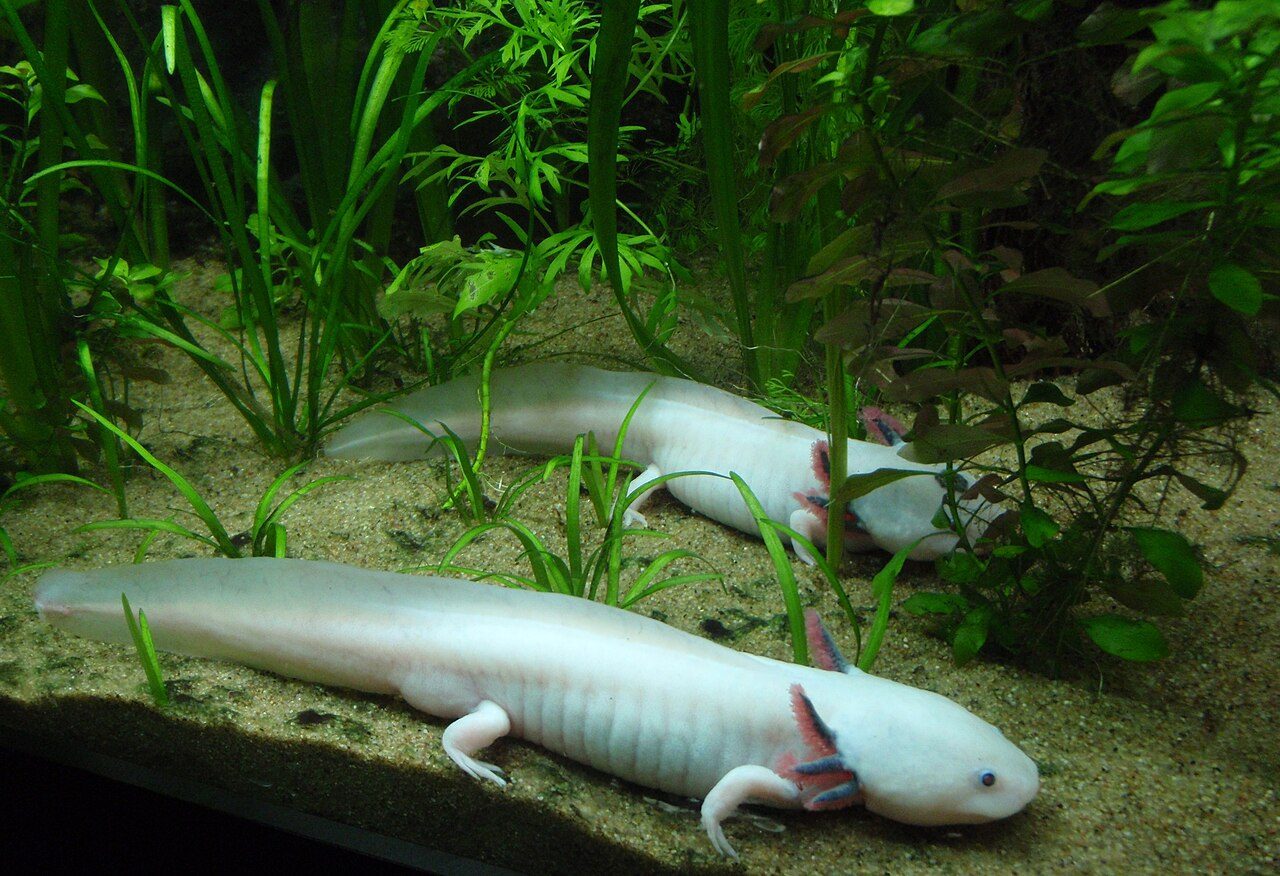
As dedicated aquarists, we often marvel at the unique beauty and unusual biology of the creatures we keep. Among them, the axolotl stands out as a true marvel of the aquatic world. With their perpetually smiling faces, feathery gills, and incredible regenerative abilities, these aquatic salamanders capture the hearts of hobbyists globally.
However, beyond the comfort of our home aquariums, the story of the axolotl in its natural habitat is a stark reminder of the environmental challenges facing our planet. Many enthusiasts, myself included, often wonder: how many axolotls are left in the wild, and what can we do to help?
In this comprehensive guide, we’ll look closely at the precarious state of the wild axolotl population. We’ll explore the factors contributing to their decline, the vital conservation efforts underway, and how responsible aquarists can play a vital role in their survival. My goal is to provide you with not just information, but actionable insights born from years of experience nurturing aquatic life.
At a glance: Axolotl (Ambystoma mexicanum)
- Temperature
- 60–64°F (16–18°C)
- Water pH
- 7.0–8.0
- Adult size
- 9–12 in (23–30 cm)
- Minimum tank
- 20 gal long for one
- Group size
- Alone or same-size adults
- Temperament
- Peaceful, no fish tank mates
- Diet
- Carnivore: earthworms, axolotl pellets, bloodworm
- Lifespan
- 10–15 years
Keeper’s tip: Water above 70°F stresses axolotls quickly; a fan or chiller is often needed in summer.
The Axolotl’s Plight: Understanding Their Wild Numbers
The axolotl, or Ambystoma mexicanum, is an iconic amphibian renowned for its neoteny—a interesting trait where it retains its larval characteristics, including external gills, into adulthood. This unique salamander is endemic, meaning it is found naturally in only one specific place on Earth.
Historically, the axolotl thrived in the ancient lake systems underlying Mexico City, particularly in Lake Xochimilco and Lake Chalco. These colorful aquatic environments, characterized by their traditional “chinampas” or floating gardens, once provided an ideal habitat.
In recent decades, however, the wild population has suffered a catastrophic decline. Scientific surveys paint a grim picture. Early 2000s estimates indicated a dramatic drop, with some studies suggesting as few as 700 to 1,200 individuals per square kilometer.
More recent assessments are even more alarming. Experts now believe that the total number of mature axolotls in their native habitat is likely fewer than 1,000. This places them firmly in the “Critically Endangered” category on the IUCN Red List.
This drastic reduction is a stark contrast to their once-abundant numbers, highlighting the urgent need for intervention. It’s a sobering thought that a creature so popular in the pet trade is on the brink of extinction in its natural home.
Pro Tip: Understanding Endemism
Endemism means a species is unique to a defined geographic location. For the axolotl, this means Lake Xochimilco. While this makes them special, it also makes them incredibly vulnerable to localized threats. If their only habitat is destroyed, the entire wild population is at risk.
A Historical Perspective on Axolotl Discovery
To appreciate the axolotl’s current status, it helps to understand its history. These creatures have been culturally significant to the Aztec people for centuries, featuring in their mythology and cuisine. Their unique biology has also fascinated scientists for generations.
If you’re curious about their journey through history, learning when were axolotls discovered by Western science offers a deeper appreciation for their long-standing presence and importance.
Why Are Axolotls Disappearing? Key Threats to Survival
The decline in the wild axolotl population isn’t due to a single factor but rather a complex interplay of environmental degradation and human impact. Understanding these threats is essential for appreciating the challenges of conservation.
Habitat Loss and Degradation
The most significant threat to the axolotl is the destruction and degradation of its natural habitat. Lake Xochimilco, once a vast system of interconnected canals and lagoons, has been severely impacted by Mexico City’s urban expansion.
Water extraction for the growing metropolis has caused water levels to drop dramatically. Many canals have been filled in or paved over, fragmenting the remaining aquatic areas. The traditional “chinampas” agricultural system, which historically helped maintain the ecological balance, has also suffered decline.
Water Pollution and Eutrophication
What remains of Lake Xochimilco is heavily polluted. Untreated sewage, agricultural runoff, and industrial waste flow directly into the canals. This pollution introduces harmful chemicals and excess nutrients.
The overload of nutrients leads to eutrophication, a process where excessive plant and algal growth depletes oxygen levels in the water. This creates hypoxic conditions that are lethal for aquatic life, including axolotls, which require clean, well-oxygenated water.
Invasive Species
The introduction of non-native species has wreaked havoc on the axolotl’s ecosystem. Two particularly problematic invaders are the Nile tilapia (Oreochromis niloticus) and common carp (Cyprinus carpio).
These invasive fish were introduced to Xochimilco in the 1980s as a food source. They are highly adaptable and prolific breeders. Tilapia and carp directly compete with axolotls for food resources and, more critically, prey on young axolotls and their eggs.
Disease
Like many amphibian populations worldwide, axolotls are vulnerable to diseases. The chytrid fungus, Batrachochytrium dendrobatidis (Bd), which has decimated amphibian populations globally, is a potential threat. While its direct impact on wild axolotl populations is still being studied, any disease outbreak in an already stressed and fragmented population can be catastrophic.
To summarize these critical threats, here’s a breakdown of the major factors contributing to the precarious state of how many axolotls are left in the wild:
| Threat Category | Specific Impact on Axolotls | Relevant Keywords/Concepts |
|---|---|---|
| Habitat Loss | Reduction and fragmentation of Lake Xochimilco, loss of breeding grounds. | Lake Xochimilco, Chinampas, Urbanization |
| Water Pollution | Introduction of toxins, depletion of oxygen, creation of uninhabitable zones. | Eutrophication, Untreated Sewage, Agricultural Runoff |
| Invasive Species | Predation on eggs and juveniles, competition for limited food resources. | Oreochromis niloticus (Tilapia), Cyprinus carpio (Carp) |
| Disease | Increased vulnerability to fungal infections in stressed populations. | Batrachochytrium dendrobatidis (Chytrid Fungus) |
The Role of Neoteny and Endemism in Axolotl Vulnerability
The axolotl’s unique biological traits, while unusual, also contribute to its vulnerability. Its famous neoteny, or paedomorphosis, means it typically remains in its aquatic larval form throughout its life, never undergoing metamorphosis into a terrestrial salamander.
This adaptation allows it to flourish in stable aquatic environments but makes it entirely dependent on clean, permanent water bodies. If its aquatic habitat disappears or becomes severely degraded, the axolotl has no terrestrial alternative for survival.
Furthermore, its extreme endemism to Lake Xochimilco means there are no other natural populations to fall back on. This lack of geographical spread significantly amplifies the risk of extinction from localized threats.
In my experience, working with various aquatic species, those with highly specialized habitat requirements are always the most challenging to conserve when their environment is under pressure. The axolotl is a prime example of this ecological principle.
Conservation Efforts: A Glimmer of Hope for Ambystoma mexicanum
Despite the grim outlook, dedicated conservationists, scientists, and local communities are fighting tirelessly to save the axolotl. Their efforts are multi-faceted, focusing on habitat restoration, captive breeding, and community engagement.
Habitat Restoration and Protection
One of the most critical conservation strategies involves restoring and protecting the remaining areas of Lake Xochimilco. Projects are underway to improve water quality through filtration systems, wastewater treatment, and the creation of “refugios”—protected, clean areas within the canals where axolotls can do well.
Efforts also include removing invasive species like tilapia and carp from these protected zones. Restoring the chinampas ecosystem is also vital, as these traditional farming methods can naturally filter water and provide shelter.
Community Engagement and Ecotourism
Engaging local communities, particularly those who have lived alongside the axolotl for generations, is essential. Educational programs aim to raise awareness about the axolotl’s importance and the impact of pollution.
Some initiatives promote responsible ecotourism to generate income for local residents, providing an economic incentive for conservation. This approach helps create a shared sense of responsibility for the axolotl’s future.
Common Mistake: Thinking Captive Populations Solve the Wild Problem
While captive breeding programs are vital for maintaining a genetic reservoir, they do not replace the need for wild conservation. Releasing captive-bred axolotls into an unhealthy wild habitat is often unsuccessful. True conservation requires addressing the root causes of habitat degradation.
The Importance of Captive Breeding and Responsible Pet Ownership
While the focus must remain on saving the wild population, captive breeding programs play an indispensable role in the axolotl’s long-term survival. Zoos, aquariums, and research institutions around the world maintain healthy, genetically diverse populations of Ambystoma mexicanum.
These captive populations serve several key purposes:
- Genetic Reservoir: They act as an “ark” to preserve the species’ genetic diversity, safeguarding against total extinction should wild populations disappear.
- Research: Captive axolotls are invaluable for scientific research, particularly in regeneration and developmental biology, which indirectly informs conservation strategies.
- Education: They allow millions of people to learn about axolotls, encouraging appreciation and support for conservation efforts.
Responsible Pet Ownership
For aquarists, responsible pet ownership is essential. If you keep axolotls, you are part of their story. This means making sure they receive proper care, living in appropriately sized and maintained aquariums with correct water parameters, and never releasing them into local waterways.
Releasing a captive-bred axolotl into a non-native environment can introduce diseases or disrupt local ecosystems, potentially harming native species. It’s a mistake that can have far-reaching consequences.
How You Can Help Protect the Axolotl
Even if you’re thousands of miles away from Lake Xochimilco, your actions can make a difference. Here’s how you can contribute to axolotl conservation:
Support Conservation Organizations
Many reputable organizations are working directly on axolotl conservation in Mexico. Donating to or supporting their work provides vital funds for habitat restoration, research, and community programs.
Be a Responsible Axolotl Owner
If you own an axolotl, commit to providing it with the best possible care. This includes appropriate tank size, proper diet, and maintaining pristine water quality. Never release your pet into the wild, especially if it’s a captive-bred animal that may carry pathogens or lack the genetic fitness for survival in a complex ecosystem.
Understanding their temperament, for example, by asking are axolotls friendly, can also help you provide a better environment for them.
Educate Yourself and Others
Spread awareness about the axolotl’s critically endangered status and the threats it faces. Share information with friends, family, and fellow hobbyists. The more people understand the plight of this unique amphibian, the more support there will be for its conservation.
Learning fun facts about axolotls for kids can be a great way to introduce younger generations to their importance and inspire future conservationists.
Reduce Your Environmental Footprint
While seemingly indirect, reducing your overall environmental impact can help. Support sustainable practices, minimize pollution, and be mindful of your water consumption. These actions contribute to a healthier planet, which ultimately benefits all species, including the axolotl.
Quick answers About Axolotl Conservation
How many axolotls are left in the wild today?
Current estimates suggest there are likely fewer than 1,000 mature axolotls left in their native habitat of Lake Xochimilco, Mexico, classifying them as Critically Endangered.
What is the main reason axolotls are endangered?
The primary reasons are severe habitat loss and degradation in Lake Xochimilco due to urban development, water pollution (including eutrophication), and the introduction of invasive species like tilapia and carp.
Are axolotls extinct in the wild?
No, they are not extinct in the wild, but they are critically endangered. Their numbers are extremely low and continue to decline, making them one of the most threatened amphibian species.
Can axolotls be released back into the wild?
Releasing captive-bred axolotls directly into the wild is generally not advisable without careful scientific consideration. The wild habitat is often too degraded, and captive animals may lack natural defenses or carry diseases that could harm the remaining wild population.
What is neoteny, and how does it affect axolotls?
Neoteny (also called paedomorphosis) is a biological trait where an animal retains its juvenile features into adulthood, such as the axolotl’s external gills. This means axolotls are entirely aquatic and cannot survive if their water habitat disappears or becomes too polluted, making them highly vulnerable to habitat loss.
Is it legal to own an axolotl as a pet?
The legality of owning an axolotl varies by region and country. In many places, it is legal, but it’s vital to check your local laws and make sure you acquire them from reputable breeders who do not source from the wild.
Where that leaves you
The question “how many axolotls are left” carries a heavy weight, revealing a species teetering on the brink of extinction in its natural habitat. The wild axolotl population, once abundant in the intricate waterways of Lake Xochimilco, has dwindled to critically low numbers, primarily due to human-induced pressures like pollution, habitat destruction, and invasive species.
As aquarists, we have a unique connection to these incredible creatures. Our appreciation for their unique biology and charm must extend to an understanding of their plight in the wild. By supporting conservation efforts, practicing responsible pet ownership, and raising awareness, we can all contribute to a future where the axolotl does well both in our tanks and, crucially, in its ancestral home.
Let’s use our passion for aquatic life to become advocates for species like the axolotl, ensuring their perpetual smile doesn’t fade from the wild forever. Every action, no matter how small, counts towards their survival.
- 2003First tank
- 20+Years keeping
- 40+Tanks kept
- 0Sponsored picks
Howard set up his first 10-gallon planted tank in 2003 and lost half of it within six weeks. Two decades and more than forty aquariums later, he writes the guides he wished he had then: clear numbers, the reasons behind them, and what actually goes wrong in home tanks.