Fun Facts About Axolotls For Kids – Complete Guide
Axolotls are unique salamanders that stay in their larval form their whole lives, possess incredible healing abilities, and live exclusively in the cool, dark waters of Mexico.
If you have ever visited a pet store or scrolled through aquatic social media, you have likely encountered the wide, smiling face of an axolotl. Scientifically known as Ambystoma mexicanum, these creatures are not just cute; they are biological marvels.
As someone who has spent over a decade maintaining various aquatic ecosystems, I have always been fascinated by how these animals challenge our traditional understanding of amphibian life. While they are often called “water dragons,” they are actually a specialized type of salamander that never grows up.
Learning fun facts about axolotls for kids is a wonderful way to introduce young enthusiasts to the complexities of aquatic biology. Let’s look at what makes these critters so special for your home aquarium.
At a glance: Axolotl (Ambystoma mexicanum)
- Temperature
- 60–64°F (16–18°C)
- Water pH
- 7.0–8.0
- Adult size
- 9–12 in (23–30 cm)
- Minimum tank
- 20 gal long for one
- Group size
- Alone or same-size adults
- Temperament
- Peaceful, no fish tank mates
- Diet
- Carnivore: earthworms, axolotl pellets, bloodworm
- Lifespan
- 10–15 years
Keeper’s tip: Water above 70°F stresses axolotls quickly; a fan or chiller is often needed in summer.
Understanding the Marvel of Neoteny
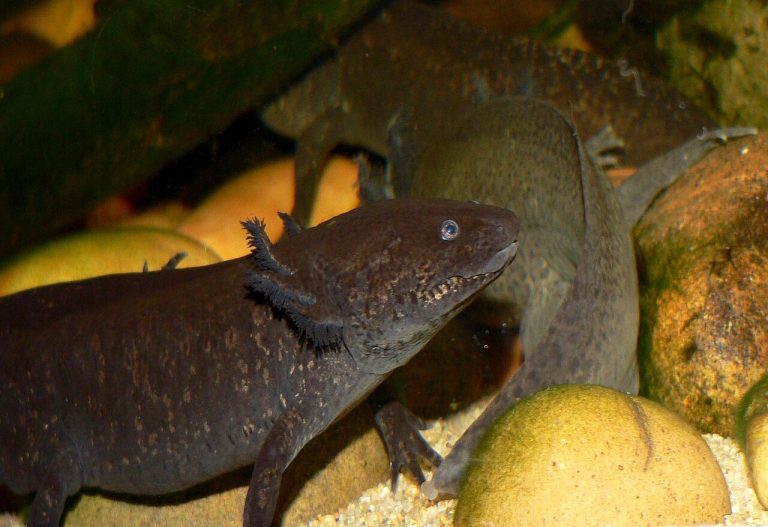
The most mind-blowing aspect of an axolotl is a biological process called neoteny. Unlike frogs that start as tadpoles and eventually grow legs to leave the water, axolotls retain their youthful features throughout their entire lives.
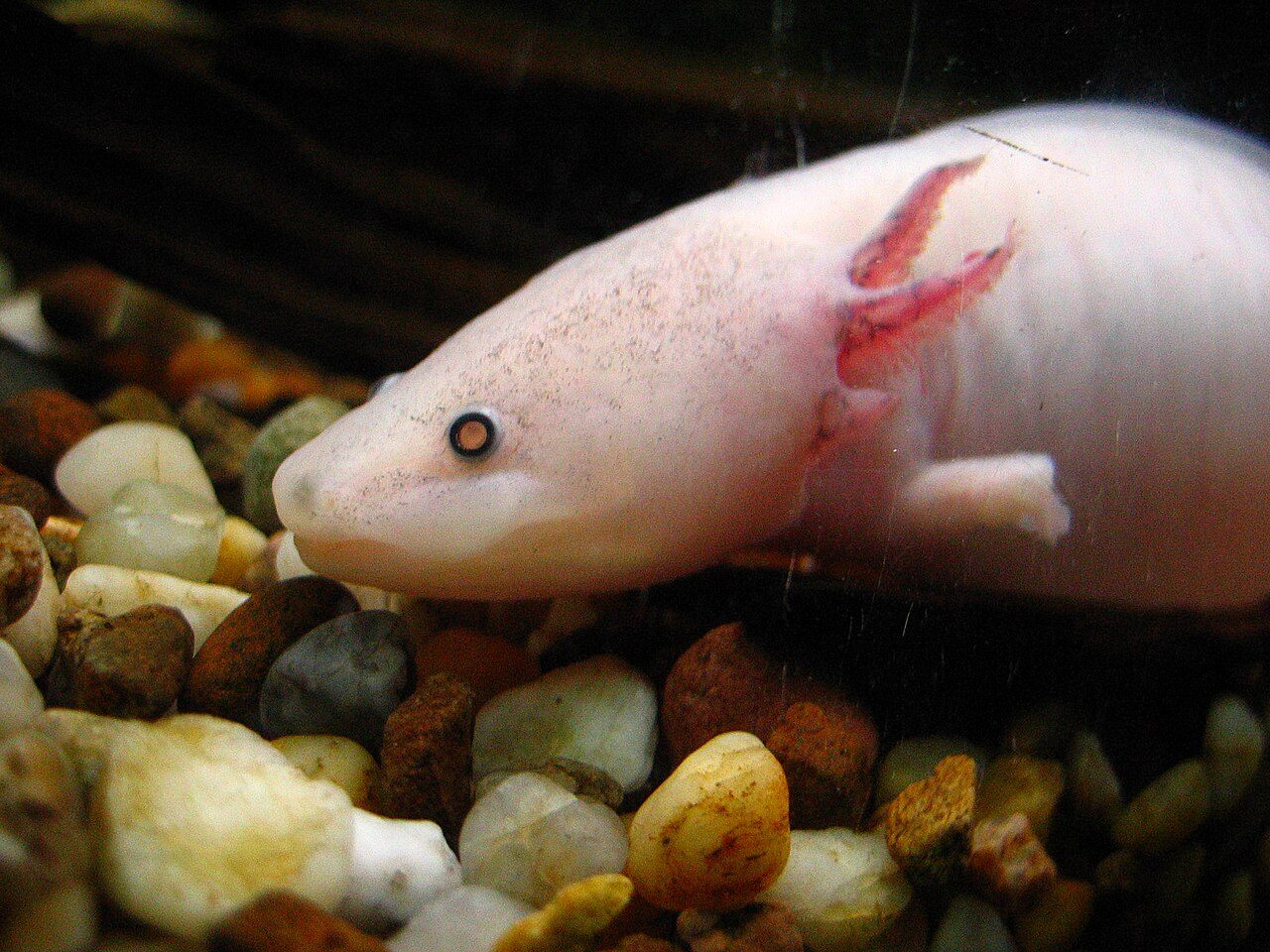
They keep their feathery external gills, which look like little crowns on the sides of their heads. Even as they reach adulthood and become ready to reproduce, they remain fully aquatic.
In my experience, this makes them one of the most satisfying species to keep, as you don’t have to worry about them climbing out of the tank. However, their paedomorphosis—the retention of juvenile traits—means they require very specific, stable water conditions to stay healthy.
Pro Tip: Because axolotls rely on their external gills to breathe, it is vital to use a sponge filter. High-flow filters can stress them out and damage those delicate, feathery gills.
The Incredible Power of Regeneration
If you ask any hobbyist why they love these animals, they will almost always mention their ability to heal. Axolotls possess the biological “superpower” of regeneration.
They can regrow not just their limbs, but also parts of their heart, spinal cord, and even brain tissue without any scarring. Scientists study them extensively to understand how this process works in hopes of someday applying it to human medicine.
In a home aquarium setting, this does not mean you should ever be careless with their environment. While they are resilient, a poor environment leads to stress, which suppresses their immune system and leaves them vulnerable to disease.
Where in the World Do They Come From?
Axolotls are native to a very specific, restricted area: the ancient lake system of Lake Xochimilco near Mexico City. Unfortunately, their wild habitat is under immense pressure due to urbanization and water pollution.
Most of the axolotls you see in the hobby are captive-bred, which is a massive success story for conservation. It is vital for us as aquarium keepers to support responsible breeding rather than taking them from the wild.
When setting up a tank, try to mimic their natural preference for cool, still water. They are bottom-dwellers that appreciate soft, sandy substrates rather than sharp gravel, which they might accidentally swallow.
Essential Water Parameters for Your Axolotl
Keeping an axolotl is a long-term commitment that requires a focus on chemistry. Unlike many tropical fish, they prefer cool water temperatures and specific mineral balances.
| Parameter | Target Range |
|---|---|
| Temperature | 60°F – 68°F (16°C – 20°C) |
| pH Level | 7.4 – 7.6 |
| Water Hardness | 7 – 14 dGH |
| Ammonia/Nitrite | 0 ppm (Absolute Zero) |
Why Colors Matter: The Science of Iridophores
Axolotls come in various colors, from the classic “wild type” (greenish-brown) to the snow-white Leucistic and the golden “Albino” morphs. These colors are dictated by special cells in their skin called iridophores, melanophores, and xanthophores.
These cells allow them to display shimmering, reflective qualities that make them stand out in a planted aquarium. I’ve noticed that kids are often fascinated by the “glow” of certain morphs under low-light aquarium conditions.
It is a great way to talk about genetics and biology in a way that is visual and engaging. Just keep in mind that they are sensitive to bright lights, so providing plenty of hiding spots is essential for their comfort.
Common Mistake: Many beginners make the mistake of using standard aquarium gravel. Axolotls forage for food by suction, and they will ingest loose pebbles, which can lead to life-threatening intestinal blockages. Always use fine-grain sand or bare-bottom tanks.
Understanding the Order Caudata
Axolotls belong to the order Caudata, which includes all salamanders and newts. Being part of this group means they are highly sensitive to toxins, heavy metals, and chlorine in tap water.
Always use a high-quality water conditioner that removes chlorine and heavy metals before adding water to the tank. Because they are so sensitive, making sure a consistent maintenance schedule is non-negotiable.
If you enjoy learning about the unique evolutionary paths of different species, you might also find the secret lives of aquatic creatures equally eye-catching. The more we learn about their evolutionary history, the better we can provide for their needs in captivity.
A few common questions
Can axolotls live with other fish?
In my experience, it is best to keep axolotls in a species-only tank. Most fish will nip at their delicate gills, and the axolotl may accidentally try to eat fish that are small enough to fit in their mouths.
Do axolotls need a heater?
No, they actually require a chiller. They stay healthy in cool water and can become stressed or ill if the temperature consistently rises above 70°F (21°C).
How long do they live in captivity?
With excellent water quality and a proper diet, axolotls can easily live for 10 to 15 years. They are a long-term commitment, not a short-term pet.
Are they difficult for beginners?
They are “intermediate” pets. While they aren’t complex in behavior, they are very sensitive to water quality, requiring a fully cycled tank and strict adherence to maintenance routines.
In short
Exploring fun facts about axolotls for kids is the perfect gateway into responsible fish keeping. These “water dragons” are not just beautiful; they are living examples of evolution, biology, and resilience.
Whether you are fascinated by their ability to regenerate limbs or their permanent juvenile state, they offer a unique perspective on the natural world. If you provide them with a cool, clean, and safe environment, you can enjoy these remarkable creatures for many years.
If you are just starting your journey, keep in mind that patience and research are your best tools. Keep your parameters stable, observe their behavior, and enjoy the process of becoming an expert caretaker for these extraordinary animals.
- 2003First tank
- 20+Years keeping
- 40+Tanks kept
- 0Sponsored picks
Howard set up his first 10-gallon planted tank in 2003 and lost half of it within six weeks. Two decades and more than forty aquariums later, he writes the guides he wished he had then: clear numbers, the reasons behind them, and what actually goes wrong in home tanks.