Tank Transfer Method Marine Ich – Step-by-Step Protocol
The tank transfer method marine ich treatment is a 12-day, chemical-free process that exploits the life cycle of Cryptocaryon irritans by moving fish between clean tanks to prevent reinfection during the parasite’s free-swimming stage.
Marine ich, scientifically known as Cryptocaryon irritans, is arguably the most common and frustrating adversary every saltwater aquarist faces. When you notice those dreaded white, salt-like specks on your fish, panic is a natural response.
However, over my years in the hobby, I have found that the tank transfer method marine ich protocol remains one of the most effective, albeit labor-intensive, ways to clear an infestation without relying on copper or other harsh medications. It works because it physically removes the parasite before it can complete its reproductive cycle.
Understanding the Life Cycle of Cryptocaryon irritans
To successfully treat your fish, you must understand what you are fighting. Cryptocaryon irritans has three distinct life stages, and each requires a different approach to make sure total eradication.
First, there are the trophonts, which are the feeding parasites attached to the fish. These drop off after a few days to become tomonts, which settle on surfaces and divide into hundreds of theronts.
These theronts are the free-swimming, infectious stage. The tank transfer method marine ich process works by moving the fish to a new, sterile environment every 72 hours—well before the tomonts can divide and release a new wave of theronts.
The 12-Day Protocol: How to Execute
The process requires two identical tanks. You will move your fish from Tank A to Tank B on day 3, then scrub and sterilize Tank A. Then, you move them back to the freshly cleaned Tank A on day 6, and so on.
| Day | Action |
|---|---|
| Day 1 | Move fish into clean Tank A. |
| Day 4 | Transfer fish to clean Tank B. Sterilize Tank A. |
| Day 7 | Transfer fish to clean Tank A. Sterilize Tank B. |
| Day 10 | Transfer fish to clean Tank B. Sterilize Tank A. |
| Day 13 | Treatment complete; fish can return to observation. |
Essential Tools and Maintenance
Because this method relies on hygiene, you cannot skip the sterilization step. After you move the fish, the previous tank must be completely drained, rinsed with a diluted bleach solution, and allowed to dry entirely.
Drying is the most critical part, as moisture can harbor tomonts. I always keep a few simple plastic egg-crate pieces or PVC pipes in the tanks to provide shelter for the fish.
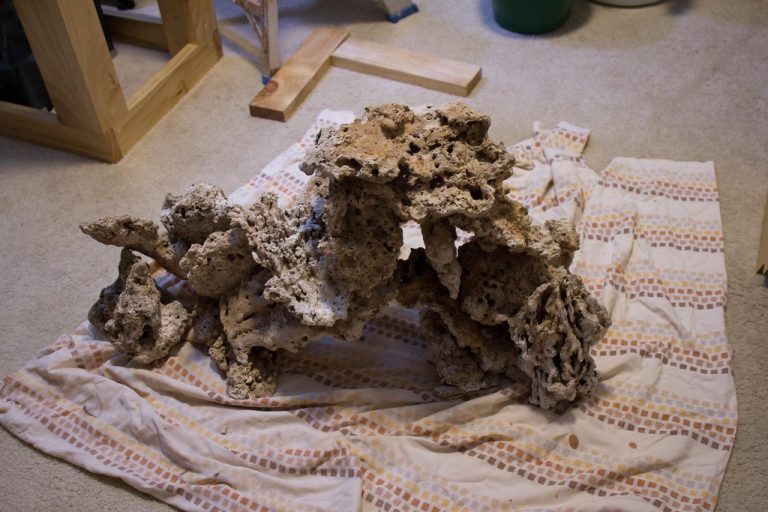
Pro Tip: Never use porous rocks or sand during the transfer process. These materials act as a reservoir for parasites, making it impossible to keep a sterile environment between transfers. Stick to bare-bottom tanks with simple PVC fittings.
Avoiding Cross-Contamination
One of the most frequent mistakes I see is the accidental transfer of water. When you move the fish, use a dedicated net for each tank or a clean specimen container.
Even a single drop of water from the “infected” tank can contain enough theronts to restart the entire cycle. Furthermore, keep your tanks separated by at least a few feet to help no splashing occurs between them.
Comparing Treatment Methods
When deciding on a quarantine protocol, you might wonder why you should choose this over copper or hyposalinity. Copper is highly effective but can be toxic to sensitive species, while hyposalinity requires precise control of specific gravity and can be stressful for some invertebrates or fish.
| Method | Pros | Cons |
|---|---|---|
| Tank Transfer | No chemicals, fast results. | Labor intensive. |
| Copper | High success rate. | Toxic to many species. |
| Hyposalinity | Gentle on fish. | Risk of osmotic shock. |
Still wondering?
Can I use the tank transfer method marine ich treatment for all fish?
Most marine fish handle the stress of moving well, but some delicate species may find frequent handling difficult. Always observe your fish closely for signs of stress or abnormal behavior.
Do I need a heater in both tanks? Yes, consistency is key. Ensure both tanks are kept at the same temperature to prevent temperature-related stress during the transfer.
What happens if I miss a transfer window? If you miss a window, the life cycle of the parasite may reset. It is safest to restart the 12-day clock to make sure no viable parasites remain.
Common Mistake: Rushing the drying process. I’ve seen many hobbyists fail because they didn’t let the tank dry out for at least 24 hours. If it isn’t bone dry, the parasite can survive in the remaining biofilm.
Wrapping up
The tank transfer method marine ich protocol is a disciplined approach that rewards the hobbyist with a healthy, parasite-free display. While it requires 12 days of commitment, the peace of mind knowing your fish are clean without the use of chemical additives is worth the effort.
If you keep sterile conditions and adhering strictly to the schedule, you can effectively eliminate this common marine parasite. The goal is always to provide the best possible environment for your inhabitants to do well. Stay patient, stay diligent, and your aquarium will be all the better for it.
Keeper’s notes
- Keep a written log of dates, doses and symptoms while a fish is in quarantine.
- Watch new arrivals for clamped fins, rapid breathing, white spots and flashing before they ever join the main tank.
- For marine ich, leaving the display tank fishless (fallow) for 76 days breaks the parasite life cycle.
- Quarantine new fish for at least 2–4 weeks in a separate tank with its own net, heater and filter.
- 2003First tank
- 20+Years keeping
- 40+Tanks kept
- 0Sponsored picks
Howard set up his first 10-gallon planted tank in 2003 and lost half of it within six weeks. Two decades and more than forty aquariums later, he writes the guides he wished he had then: clear numbers, the reasons behind them, and what actually goes wrong in home tanks.