Therapeutic Quarantine Fish – Care Guide
A therapeutic quarantine for fish is a dedicated, medicated holding period designed to eliminate pathogens like parasites and bacteria before new arrivals are introduced to your main display tank.
Bringing a new inhabitant home is always an exciting milestone. However, in my experience, the biggest mistake hobbyists make is skipping a proper isolation period. Relying on “luck” often leads to a tank-wide outbreak that can wipe out your entire collection.
What is a therapeutic quarantine?
Unlike a simple observation tank, a therapeutic quarantine fish setup involves active, proactive treatment. We aren’t just watching the fish to see if they get sick; we are assuming they might be carriers of common ailments.
By using specific, targeted treatments during this period, you can eradicate invisible threats before they enter your main ecosystem. This approach is the single most effective way to support long-term success.
Setting up your quarantine environment
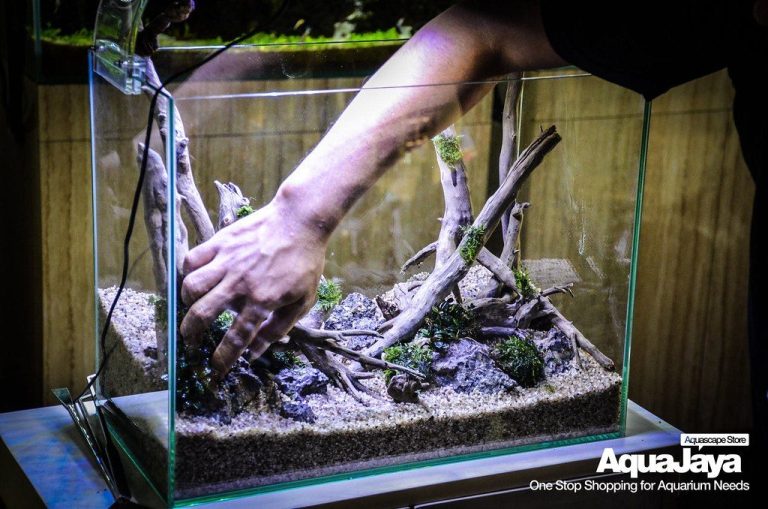
You don’t need a massive, expensive system to run a successful quarantine. A simple 10 to 20-gallon tank is usually sufficient for most community species. The goal is simplicity and ease of cleaning.
| Equipment | Purpose |
|---|---|
| Sponge Filter | Provides gentle bio-filtration and flow. |
| Adjustable Heater | Essential for maintaining stable temperatures. |
| PVC Pipe Sections | Provides necessary hiding spots to reduce stress. |
| Bare Bottom | Allows for easy waste removal and observation. |
Core components of a therapeutic protocol
When performing a therapeutic quarantine fish routine, you must balance efficacy with safety. Many beginners rush the process, but patience is your best tool.
Managing water chemistry
You must prioritize ammonia toxicity suppression during this time. Because quarantine tanks are often smaller and less established, I always keep a bottle of prime or a similar conditioner on hand.
Regular water changes are non-negotiable. I typically perform 25% changes every other day to keep water quality pristine while monitoring for signs of stress.
Addressing parasites and infections
If you are dealing with potential Cryptocaryon irritans or other protozoan parasites, a prophylactic formalin treatment or a controlled copper sulfate concentration might be necessary. However, never dose blindly.
Always use a test kit to verify your levels. If you are treating for internal parasites, a praziquantel dosage administered via food is often safer and more effective than water column dosing.
Pro Tip: Never mix different medications unless you have explicit confirmation they are compatible. I’ve seen many hobbyists accidentally create toxic chemical reactions by combining incompatible treatments. Always research the interaction between your specific medications first.
Avoiding common mistakes in quarantine
The most common failure point is “cross-contamination.” If you use the same net, siphon, or bucket for your quarantine tank and your display tank, you have defeated the purpose of the isolation.
Always keep dedicated equipment for your quarantine setup. Label these items clearly so they never touch your main display.
Common Mistake: Rushing the timeline. Many hobbyists “clear” their fish after only a few days. I recommend a minimum of 3 to 4 weeks of observation and treatment to help the entire lifecycle of any potential parasites has been interrupted.
When to use specialized baths
Sometimes, an incoming fish requires a more immediate intervention. A methylene blue bath is excellent for fish that arrive showing signs of transport stress or minor fin damage.
Similarly, if you are moving fish between tanks with different water chemistry, focus on osmotic shock mitigation. Slowly drip-acclimate your fish over several hours to ensure they adjust to the new pH and TDS levels without internal distress.
Why this is the best investment for your hobby
Taking the time to implement a therapeutic quarantine fish strategy saves you money and heartache. It prevents the need for expensive medications later and stops you from having to tear apart your main tank to catch a sick fish.
When you start with healthy, pathogen-free livestock, you can focus on the joy of aquascaping and observing your fish. It allows you to build a collection of healthy aquatic animals that stay healthy for years.
Questions and answers
How long should I keep a fish in quarantine? A minimum of 30 days is the industry standard. This duration covers the typical incubation and life cycles of most common external and internal parasites.
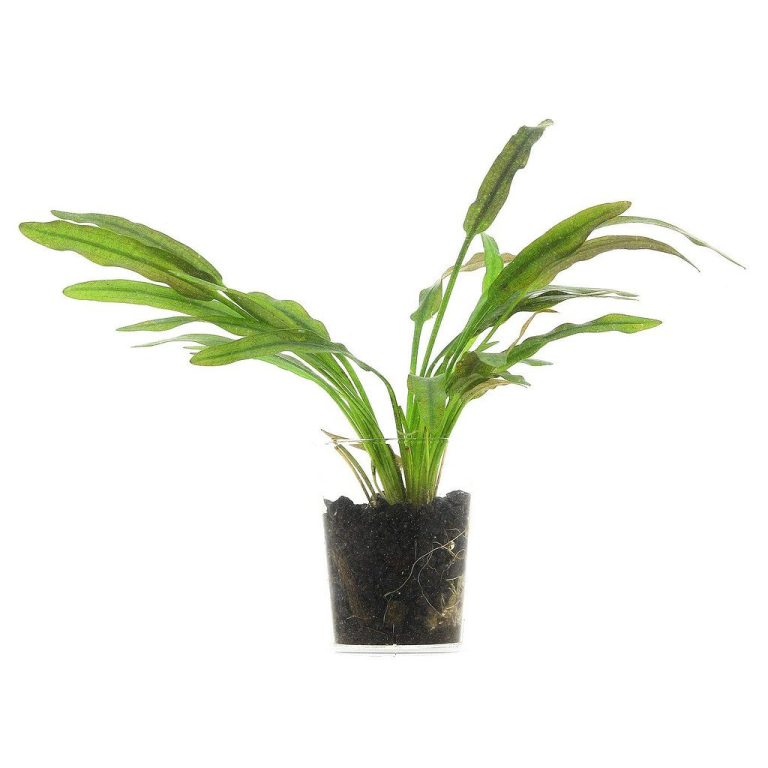
Can I use plants in my quarantine tank? I advise against it. Plants can trap medications and make it difficult to maintain a sterile environment. Use PVC pipes or ceramic pots for hiding spots instead; they are easy to disinfect.
What is the best way to handle bio-filtration in a new quarantine tank? Keep a spare sponge filter running in your main display tank at all times. When you need to set up an emergency quarantine, the filter is already “cycled” and ready to handle the bio-load.
Is therapeutic quarantine necessary for every fish? Yes, regardless of the source. Even reputable breeders or stores can have an accidental outbreak. Treating every new arrival as a potential risk is the hallmark of an expert aquarist.
Where that leaves you
A therapeutic quarantine fish approach might seem like an extra step that slows down your hobby, but it is actually the fastest path to a stable aquarium. By controlling the environment and proactively treating potential threats, you protect your investment and make sure the welfare of your fish.
Start small, keep your equipment dedicated, and never skip the observation period. Your future self—and your fish—will thank you for the extra effort.
Practical notes
- Quarantine new fish for at least 2–4 weeks in a separate tank with its own net, heater and filter.
- Never share nets, siphons or buckets between quarantine and display tanks without disinfecting them first.
- Medicate only in a bare-bottom quarantine tank; substrate, rock and carbon absorb or interfere with many treatments.
- Seed the quarantine filter from your main tank or keep a spare sponge running in the display so the QT starts cycled.

- 2003First tank
- 20+Years keeping
- 40+Tanks kept
- 0Sponsored picks
Howard set up his first 10-gallon planted tank in 2003 and lost half of it within six weeks. Two decades and more than forty aquariums later, he writes the guides he wished he had then: clear numbers, the reasons behind them, and what actually goes wrong in home tanks.