Sulcata Tortoise Lifespan – How to Help Them Live Longer
The average sulcata tortoise lifespan in captivity is typically between 70 and 100 years, though many individuals exceed a century. Achieving this longevity requires careful attention to diet, hydration, and specialized environmental conditions.
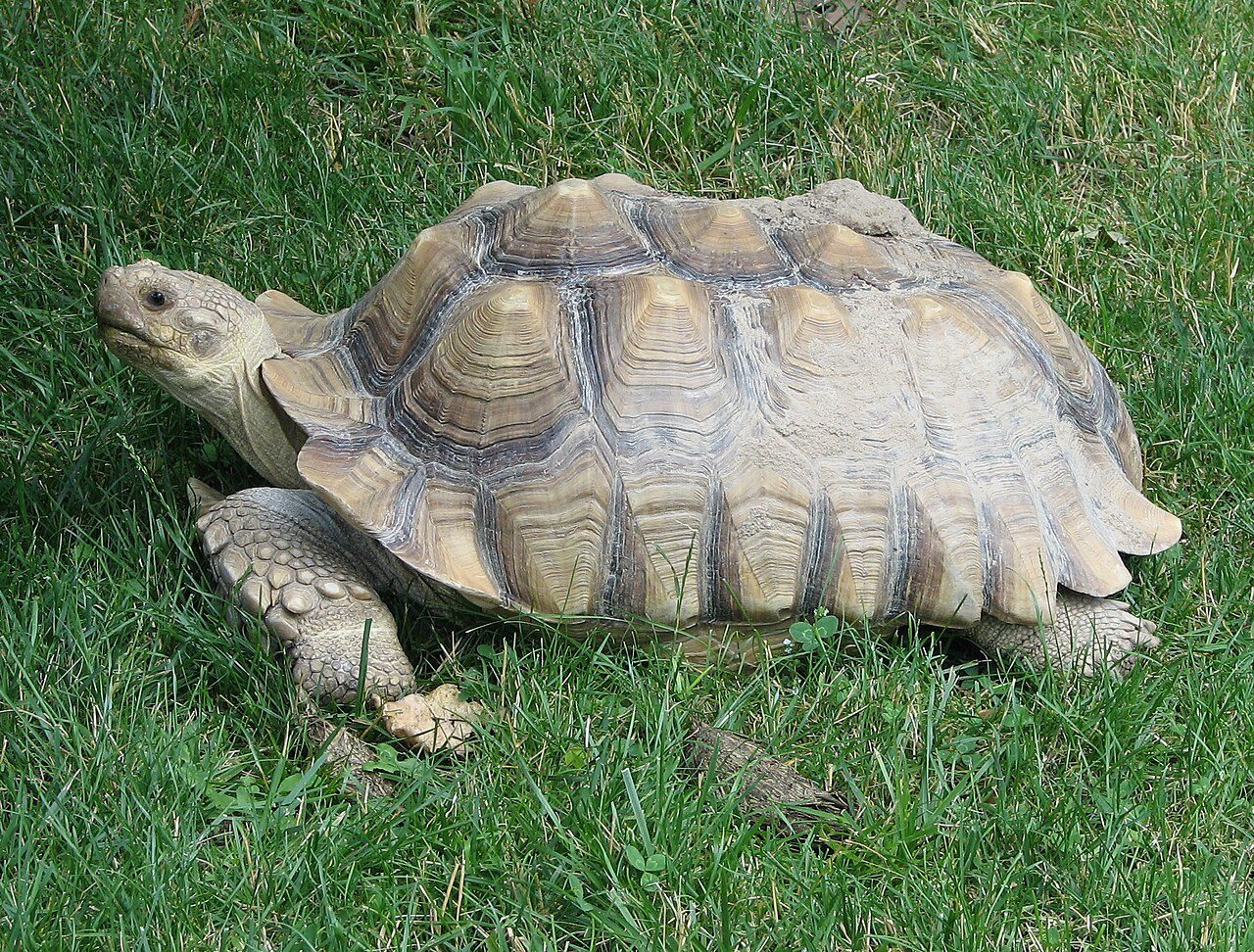
Bringing a Centrochelys sulcata into your home is not just a hobby; it is a multi-generational commitment. In my ten years of working with these magnificent creatures, I have seen how quickly they grow from tiny hatchlings into massive, prehistoric-looking giants.
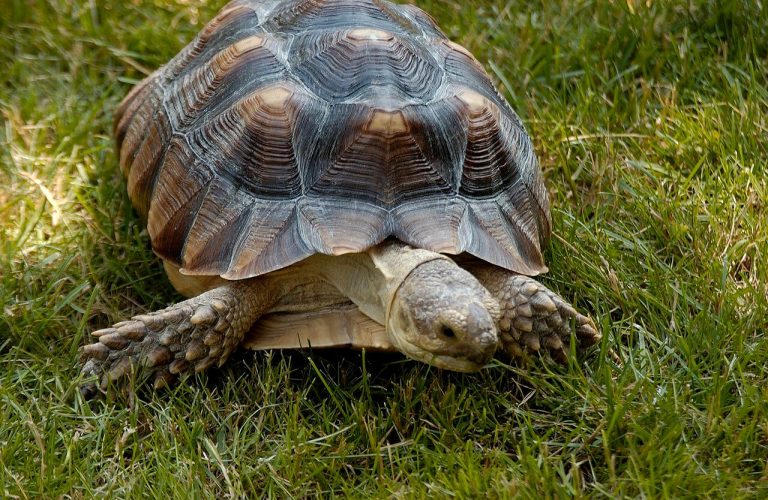
Understanding the sulcata tortoise lifespan is the first step in preparing for a pet that may very well outlive you. These tortoises are the third-largest species in the world and possess a resilience that is awe-inspiring.
When I first started keeping reptiles, I was struck by the sheer presence of an adult African Spurred tortoise. They are more than just pets; they are living legacies that require a specific roadmap to reach their full potential.
At a glance: Sulcata tortoise (Centrochelys sulcata)
- Temperature
- Basking 95–100°F (35–38°C)
- Adult size
- 24–30 in shell (60–76 cm)
- Enclosure
- Outdoor pen for adults
- Group size
- Alone
- Temperament
- Docile, strong diggers
- Diet
- Herbivore: grasses, hay, weeds, low-sugar greens
- Lifespan
- 70+ years
Keeper’s tip: Adults outgrow any indoor enclosure; plan for a secure outdoor pen early.
The Biological Potential of the African Spurred Tortoise
The sulcata tortoise lifespan is deeply rooted in their biology as survivors of the harsh African Sahel. In the wild, they face predators and extreme droughts, which often limits their years.
However, in a controlled environment, we can remove those threats and provide the stability they need to flourish. I have noticed that tortoises kept in ideal conditions show significantly fewer signs of aging compared to those in suboptimal setups.
Their metabolism is slow, and their bodies are designed for endurance. This slow pace of life is exactly what allows them to reach such incredible ages when their needs are met.
Pro Tip: Always keep a dedicated logbook for your tortoise. Tracking growth rates and behavioral changes over decades is the best way to catch health issues before they impact their total life expectancy.
Essential Factors Influencing sulcata tortoise lifespan
To maximize the sulcata tortoise lifespan, you must focus on the pillars of chelonian health. It isn’t just about providing food and water; it is about replicating a complex ecosystem.
I often tell new keepers that consistency is the most important factor. Rapid changes in temperature or diet can cause stress, which weakens the immune system over time.
The following table outlines the critical environmental parameters that directly influence how long your tortoise will live.
| Parameter | Best Range | Impact on Longevity |
|---|---|---|
| Basking Temperature | 95°F – 105°F | Essential for digestion and immune function. |
| Ambient Humidity | 40% – 60% (Higher for babies) | Prevents dehydration and kidney issues. |
| UVB Exposure | 12-14 hours daily | Prevents Metabolic Bone Disease. |
| Dietary Fiber | High (Grasses/Hay) | Ensures proper gut motility and health. |
Nutrition: Fueling a Century of Growth
Diet is perhaps the most significant variable under your control. A poor diet is the leading cause of premature death in captive tortoises.
In my experience, many keepers offer too many “wet” vegetables or fruits. These tortoises are designed to process tough, fibrous grasses and weeds that are low in sugar.
The specific dietary needs of a sulcata revolve around high-fiber intake. Without this, they can develop serious digestive complications that shorten their lives.
The Importance of Calcium and Phosphorus
A proper calcium-to-phosphorus ratio is non-negotiable for shell development. If phosphorus levels are too high, it inhibits calcium absorption, leading to a soft shell.
I recommend dusting food with a high-quality calcium supplement at least twice a week for adults. This makes sure their massive skeletal structure remains dense and strong throughout their long lives.
Avoiding Dangerous Oxalates
You must be careful with greens high in oxalates, such as spinach or beet greens. These compounds bind to calcium and can lead to the formation of urate calculi, or bladder stones.
I have seen several cases where bladder stones required expensive surgery. Preventing these through a balanced diet is a much better strategy for keeping a long life.
Environmental Management and Thermoregulation
Because they are ectothermic, these tortoises rely on their environment to regulate body temperature. Thermoregulation is the process by which they move between hot and cold zones.
In a large outdoor enclosure, they will naturally seek shade or burrows. Providing a deep, hygroscopic substrate allows them to dig and find the moisture they need.
If you are nurturing young hatchlings, this moisture is even more critical. Dry environments for babies often lead to shell deformities and failure to do well.
The Role of UVB Radiation
Without UVB radiation, a tortoise cannot synthesize Vitamin D3. This vitamin is the “key” that opens up the body’s ability to use calcium.
I always suggest using high-output T5 linear bulbs for indoor enclosures. Mercury vapor bulbs are also popular, but they must be replaced regularly to make sure the UV output remains effective.
Creating a Microclimate Humidity
One of the biggest mistakes I see is keeping the environment too dry. While they come from arid regions, they spend much of their time in humid burrows.
Maintaining microclimate humidity within their hiding spots prevents “pyramiding.” This is a condition where the shell scales grow upward in peaks, which can eventually restrict lung capacity.
Pro Tip: Use a mix of topsoil and coco coir as a substrate. Mist it daily to keep the lower layers damp while the surface remains dry to prevent shell rot.
Common Health Challenges Affecting Longevity
To help your tortoise reaches its maximum sulcata tortoise lifespan, you must be vigilant about common ailments. Early detection is often the difference between a quick recovery and a chronic decline.
Metabolic Bone Disease (MBD) is a frequent threat. It results from a lack of calcium or UVB and causes the bones and shell to become brittle or misshapen.
Another concern is respiratory infections, often caused by keeping the tortoise too cold and damp. If you notice bubbling at the nose or gasping, a visit to a specialized reptile vet is mandatory.
Managing Bladder Stones
As mentioned earlier, urate calculi can be life-threatening. These stones form when the tortoise is chronically dehydrated or fed an improper diet.
I recommend soaking your tortoise in lukewarm water at least three times a week. This encourages them to drink and flush their system of excess urates, keeping their kidneys healthy.
To better understand their development, you can estimate their age by looking at growth rings and overall size. This helps in tailoring their healthcare as they transition into different life stages.
The Long-Term Commitment: A Legacy Pet
Knowing the sulcata tortoise lifespan means understanding that this animal will likely be passed down through your family. It is a unique responsibility that few other pets require.
They are incredibly strong and can be destructive as they grow. An adult sulcata can easily walk through a wooden fence or move heavy patio furniture.
I’ve noticed that the most successful keepers are those who have a plan for the tortoise’s care 50 years into the future. This includes legal provisions and a dedicated “tortoise fund” for veterinary care.
Quick answers about Sulcata Longevity
How long do sulcata tortoises live in the wild vs captivity?
In the wild, many tortoises die young due to predation and harsh weather, often living 30-50 years. In captivity, they frequently reach 80-100 years because they have access to consistent food and medical care.
What is the oldest recorded sulcata tortoise?
While records for sulcatas specifically can be spotty, some individuals in zoological collections are documented to be well over 100 years old. They are among the longest-lived vertebrates on the planet.
Can a sulcata tortoise live indoors its whole life?
Technically yes, but it is extremely difficult. Once they reach adult size (over 100 pounds), providing enough space and proper lighting indoors becomes a massive logistical challenge that most homes cannot accommodate.
Does “pyramiding” shorten their life?
Mild pyramiding is mostly cosmetic, but severe pyramiding can indicate past metabolic issues. If it is severe enough to deform the spine or compress internal organs, it can definitely reduce their total lifespan.
How do I know if my tortoise is healthy?
A healthy sulcata should have clear eyes, a dry nose, and be very active and alert. They should also have a strong appetite and a hard, heavy-feeling shell for their size.
The short version
The sulcata tortoise lifespan is proof of the incredible endurance of nature. If you provide a diet rich in fiber, maintaining the correct calcium-to-phosphorus ratio, and keeping access to high-quality UVB radiation, you can enjoy a century of companionship.
These giants require space, patience, and a deep understanding of their biological needs. They are not “low maintenance” pets, but rather high-reward companions for those willing to put in the work.
In my experience, the bond you form with a tortoise that grows with you over the decades is unlike any other. If you are ready for the commitment, the African Spurred tortoise is a satisfying species to keep.

- 2003First tank
- 20+Years keeping
- 40+Tanks kept
- 0Sponsored picks
Howard set up his first 10-gallon planted tank in 2003 and lost half of it within six weeks. Two decades and more than forty aquariums later, he writes the guides he wished he had then: clear numbers, the reasons behind them, and what actually goes wrong in home tanks.