Can You Do Aquaponics Indoor? A Complete Guide To Home Ecosystems
Yes, you can absolutely do aquaponics indoor by utilizing grow lights and compact system designs like media beds or tower gardens to create a self-sustaining ecosystem between your fish and plants.
Bringing the outdoors inside is a dream for many aquarium enthusiasts and gardeners alike.
In my ten years of maintaining various aquatic setups, I have found that merging fish keeping with hydroponics is one of the most satisfying challenges you can undertake.
It transforms a standard fish tank into a living, breathing filtration system that puts fresh herbs or greens on your dinner table.
Many beginners often ask, can you do aquaponics indoor without a massive greenhouse or a commercial-grade budget?
The answer is a resounding yes, provided you understand the delicate balance of light, biology, and water chemistry required to keep both your fish and your plants stable.
In this guide, I will walk you through the essential components and the hard-earned lessons I have learned while building indoor systems.
Can you do aquaponics indoor: The Basics of Home Systems
When people first consider this hobby, they often worry about the complexity of the nitrogen cycle.
In an indoor setting, you are essentially mimicking a natural pond environment where fish waste becomes the fuel for plant growth.
This process is remarkably efficient and can be scaled down to fit even a small apartment or a dedicated fish room.
The primary benefit of an indoor setup is the ability to control the environment year-round.
You do not have to worry about frost, heavy rain, or pests that typically plague outdoor gardens.
However, you must become the “sun” and the “wind” for your system, which requires a bit of technical knowledge regarding lighting and aeration.
Pro Tip: When starting your first indoor system, I always recommend beginning with a 20-gallon long aquarium. This size provides enough water volume to maintain stable chemistry while remaining manageable enough to fit on a sturdy dresser or a dedicated shelving unit.
Understanding the Biological Engine
At the heart of every successful system are two types of beneficial bacteria: Nitrosomonas and Nitrobacter.
These microscopic heroes perform the heavy lifting by converting toxic fish waste into plant-available nutrients.
Nitrosomonas first convert the total ammonia nitrogen produced by the fish into nitrites, which are still quite toxic to your aquatic inhabitants.
Next, Nitrobacter take those nitrites and turn them into nitrates, which are the primary food source for your vegetables.
Without this biological conversion, your fish would quickly succumb to ammonia poisoning, and your plants would starve.
In my experience, the most common reason for failure in new systems is rushing this “cycling” process before adding a full load of fish.
The Role of Solids Mineralization
One aspect often overlooked by beginners is solids mineralization.
Not all fish waste is immediately dissolved into the water; some of it remains as solid particles.
In a well-designed indoor system, these solids are broken down by heterotrophic bacteria into inorganic minerals that plants need for long-term health.
If you ignore this process, your grow bed can become clogged, leading to anaerobic pockets that smell like rotten eggs and harm your fish.
Choosing the Right System Design for Indoors
There is no one-size-fits-all approach when it comes to indoor aquaponics.
The design you choose will depend on the space you have available and the types of plants you wish to grow.
You might wonder how well these systems actually perform when compared to traditional soil gardening, and the results are often surprising.
| System Type | Best For | Pros | Cons |
|---|---|---|---|
| Media Bed | Large plants, beginners | Acts as both filter and grow space | Heavy and can be messy |
| Deep Water Culture (DWC) | Leafy greens, lettuce | Very high growth rates | Requires high aeration |
| Nutrient Film Technique (NFT) | Small herbs, strawberries | Saves space, lightweight | Channels can clog easily |
Media Beds: The Beginner’s Gold Standard
For most indoor hobbyists, the media bed system is the most reliable starting point.
It involves a container filled with expanded clay pebbles or similar inert media positioned above or beside the aquarium.
The media provides a massive surface area for the beneficial bacteria to colonize, effectively serving as the system’s primary biological filter.
In these systems, a bell siphon is often used to create an ebb-and-flow effect.
This mechanical device automatically drains the grow bed once it reaches a certain water level, pulling fresh oxygen into the root zone.
I have found that this oxygenation is vital for preventing root rot, especially in the stagnant air often found inside homes.
Advanced Indoor Techniques: DWC and NFT
If you are looking to maximize your harvest in a small footprint, deep water culture (DWC) might be your best bet.
In a DWC setup, plants float on rafts with their roots dangling directly into the nutrient-rich water.
This method requires a separate filtration stage to remove solids, as you do not have a media bed to trap them.
The nutrient film technique (NFT) uses narrow channels where a thin film of water constantly flows over the roots.
This is excellent for vertical gardening along a sunny wall or under LED strips.
However, I’ve noticed that NFT systems can be unforgiving if the pump fails, as the roots have very little water reserve and can dry out within hours.
Selecting Fish and Plants for Indoor Environments
Choosing your livestock is perhaps the most exciting part of the process.
While many commercial systems use Oreochromis niloticus (Nile Tilapia) due to their fast growth and hardiness, they are often too large for average indoor aquariums.
For home setups, you need to consider the adult size of the fish and their temperature requirements.
Indoor systems usually stay at room temperature, which is perfect for fancy goldfish or tropical species like Tilapia if you use a heater.
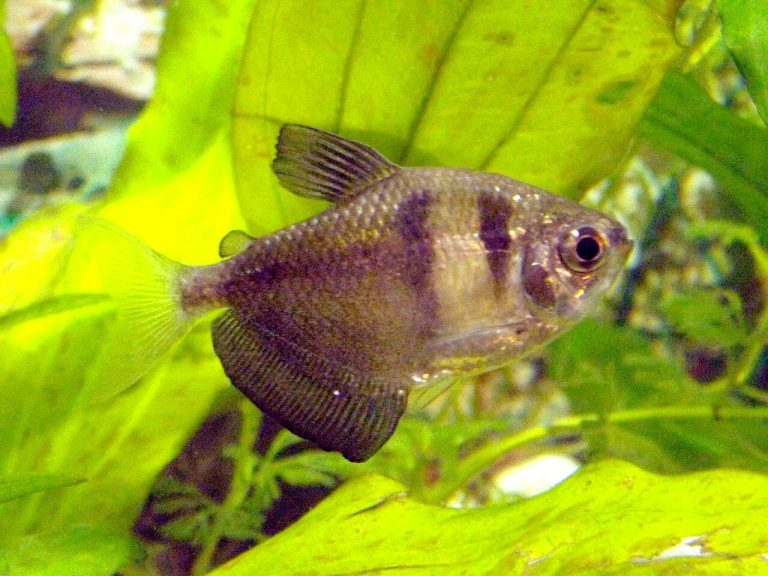
However, if you are an aquarium hobbyist first, you might prefer ornamental fish like Bettas, Tetras, or even ornamental shrimp.
These species still produce the nitrogen needed for your plants, though you may need a higher stocking density to support a large grow bed.
Best Plants for Indoor Aquaponics
Indoor lighting is the main limiting factor for plant choice.
Leafy greens and herbs are generally the easiest to grow because they require less light energy than fruiting plants like tomatoes or peppers.
Basil, mint, lettuce, and kale are all fantastic choices that flourish in the nitrate-rich environment of an indoor system.
Pro Tip: If you notice your plants looking pale or “leggy” (long, thin stems), they are likely starving for light. When people ask can you do aquaponics indoor successfully, the secret is almost always in the quality of the LED grow lights you choose.
Essential Equipment and Water Parameters
Maintaining high dissolved oxygen levels is critical for both your fish and the nitrifying bacteria.
In an indoor tank, surface agitation is usually not enough, so I always recommend adding a high-quality air stone.
Oxygen-rich water helps make sure that the Nitrosomonas and Nitrobacter can work at peak efficiency to process waste.
Monitoring your water parameters is the only way to ensure the health of your ecosystem.
You should invest in a liquid test kit to measure ammonia, nitrites, nitrates, and pH.
Indoor systems are prone to pH swings because the nitrification process naturally acidifies the water over time.
Target Water Parameters for Indoor Systems
Keeping the balance between fish, plants, and bacteria requires a “sweet spot” in water chemistry.
- Ammonia: 0 ppm (Anything higher is toxic)
- Nitrites: 0 ppm
- Nitrates: 10–50 ppm (This is the food for your plants)
- pH: 6.8–7.2 (A compromise between fish and plant needs)
- Temperature: 72°F–78°F (Ideal for most tropical fish and greens)
Common Challenges of Indoor Aquaponics
One of the most frequent hurdles I see people face is managing humidity.
A large aquarium combined with a grow bed can significantly increase the moisture levels in a room.
I recommend using a small dehumidifier or making sure the room has good ventilation to prevent mold growth on your walls.
Another issue is light spill.
High-intensity grow lights can be distracting in a living room or bedroom.
I have found that using “blackout” shields or placing the system in a closet or a dedicated corner with reflective film can help contain the light and improve plant growth.
Dealing with Pests Indoors
You might think that being indoors protects you from bugs, but aphids and fungus gnats can still find their way in.
Because you have fish in the system, you cannot use traditional chemical pesticides.
I have successfully used Neem oil or introduced beneficial insects like ladybugs to manage small outbreaks without harming my aquatic pets.
Step-by-Step: Setting Up Your First Indoor System
If you are ready to start, follow this basic workflow that I’ve refined over the years.
First, select your location.
It needs to be near a power outlet and away from direct drafts or heaters that could cause temperature fluctuations.
Make sure the floor or stand can handle the significant weight of water and media.
- Assemble the Tank and Stand: Help everything is level.
- Install the Plumbing: Set up your pump and bell siphon if using a media bed.
- Add Media: Rinse your expanded clay pebbles thoroughly to remove dust before adding them to the grow bed.
- Dechlorinate Water: Fill the system and add a water conditioner to remove chlorine.
- Cycle the System: Add a source of ammonia (fish-less cycling is safest) to build up your bacteria colonies.
- Add Plants: Once nitrites are zero and nitrates are appearing, add your seedlings.
- Introduce Fish: Start with a small number of fish and monitor the total ammonia nitrogen daily.
Quick checklist
- Cycle an aquaponics system just like an aquarium; nitrifying bacteria must be established before plants can use fish waste.
- Never use pesticides on aquaponics plants; most are toxic to fish even in small amounts.
- Test ammonia and nitrite weekly in new systems and after adding fish.
- Keep aquaponics water near pH 6.8–7.2, a compromise between fish, plants and nitrifying bacteria.
FAQ
Does an indoor aquaponics system smell?
If the system is healthy and well-maintained, it should have a pleasant, earthy scent, much like a forest after rain. A foul smell usually indicates poor aeration, overfeeding, or a dead fish that needs to be removed immediately.
How much electricity does it use? The main power consumers are the grow lights and the water pump. Modern LED lights and high-efficiency pumps have made indoor aquaponics very affordable, often costing less than a few dollars a month to operate.
Can I use any fish from the pet store? Most freshwater fish will work, but avoid species that are overly sensitive to pH changes. Goldfish are excellent producers of waste for plants, while Tilapia are great if you eventually want to harvest the fish for food.
How often do I need to clean the system? Unlike a standard aquarium, you won’t need to do frequent water changes because the plants are cleaning the water for you. You will, however, need to “top off” the water lost to evaporation and occasionally clean the pump intake.
Putting it all together
So, can you do aquaponics indoor?
The answer is a definitive yes, and it is perhaps one of the most fulfilling ways to enjoy the aquarium hobby.
Once you understand the relationship between Nitrosomonas, Nitrobacter, and your plants, you can create a healthy slice of nature inside your home.
It requires patience, especially during the initial cycling phase, but the reward of harvesting fresh basil while watching your fish swim is well worth the effort.
Start small, focus on the biological basics, and don’t be afraid to experiment with different plant and fish combinations.
With the right lighting and a bit of attention to water chemistry, your indoor ecosystem will become the centerpiece of your home.

- 2003First tank
- 20+Years keeping
- 40+Tanks kept
- 0Sponsored picks
Howard set up his first 10-gallon planted tank in 2003 and lost half of it within six weeks. Two decades and more than forty aquariums later, he writes the guides he wished he had then: clear numbers, the reasons behind them, and what actually goes wrong in home tanks.