Sulcata Tortoise Healthy Shell – Care Guide
Achieving a sulcata tortoise healthy shell requires a balance of high-fiber nutrition, consistent UVB exposure for Vitamin D3, and maintaining 70-80% relative humidity in burrows to prevent pyramiding and metabolic bone disease.
Keeping a Centrochelys sulcata is one of the most satisfying experiences a reptile enthusiast can have. These “African Spurred” tortoises are famous for their size, personality, and impressive longevity.
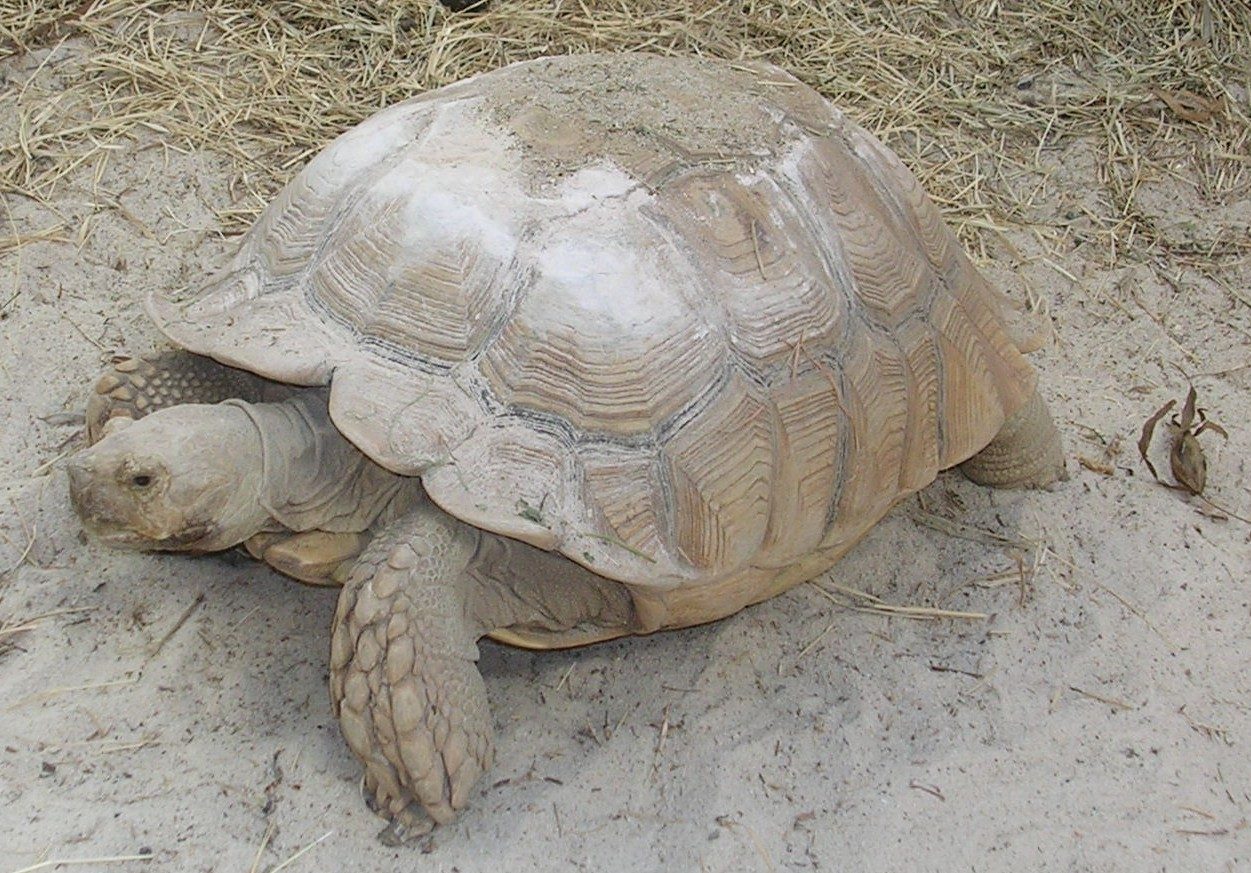
In my ten years of maintaining various reptiles and aquatic systems, I have found that shell health is the primary indicator of a tortoise’s overall well-being. A sulcata tortoise healthy shell should be smooth, hard, and free of abnormal bumps or soft spots.
When I first started, I mistakenly believed that because they come from arid regions, they needed to be kept bone-dry. I quickly learned that environmental moisture is the “secret sauce” for a beautiful, smooth carapace.
At a glance: Sulcata tortoise (Centrochelys sulcata)
- Temperature
- Basking 95–100°F (35–38°C)
- Adult size
- 24–30 in shell (60–76 cm)
- Enclosure
- Outdoor pen for adults
- Group size
- Alone
- Temperament
- Docile, strong diggers
- Diet
- Herbivore: grasses, hay, weeds, low-sugar greens
- Lifespan
- 70+ years
Keeper’s tip: Adults outgrow any indoor enclosure; plan for a secure outdoor pen early.
Understanding the Anatomy of a Sulcata Tortoise Healthy Shell
The shell of a tortoise is not just a shield; it is a living part of their skeletal system. It is comprised of the carapace (top) and the plastron (bottom), which are fused to the tortoise’s spine and ribs.
Each individual plate on the shell is called a scute. These scutes are made of keratin, the same protein found in human fingernails and hair.
The process of keratinization allows the shell to grow and harden over time. For this process to function correctly, the tortoise needs a steady supply of minerals and the right environmental cues.
Pro Tip: Never use oily shell “conditioners” or waxes sold in pet stores. These can clog the pores of the scutes and interfere with the tortoise’s ability to thermoregulate or absorb UV rays.
The Role of Nutrition in Promoting a Sulcata Tortoise Healthy Shell
Diet is the foundation of any healthy reptile. For a sulcata, this means a diet that is extremely high in fiber and very low in animal protein and sugar.
In the wild, these tortoises graze on tough, sun-bleached grasses. This high-fiber intake ensures that growth occurs at a steady, manageable pace rather than in rapid, unhealthy bursts.
The calcium-to-phosphorus ratio in their food is perhaps the most critical metric for shell development. You should aim for a ratio of at least 2:1 to make sure the body can actually utilize the calcium it consumes.
| Nutritional Component | Ideal Source | Benefit to Shell |
|---|---|---|
| Calcium Carbonate | Cuttlebone, Calcium Powder | Provides the raw material for bone and scute density. |
| Dietary Fiber | Timothy Hay, Orchard Grass | Slows growth to prevent shell deformities. |
| Vitamin D3 | Natural Sunlight, UVB Bulbs | Allows the gut to absorb calcium effectively. |
| Hydration | Fresh Water, Leafy Greens | Prevents scutes from becoming brittle and cracking. |
I’ve noticed that many keepers rely too heavily on grocery store greens. While kale and collards are okay in moderation, they cannot replace the silica and fiber found in a proper nutritional requirements plan based on grasses.
Environmental Factors: Humidity and Hydration
One of the most persistent myths in tortoise keeping is that Sulcatas must be kept in desert-like conditions. While they are hardy, hatchlings and juveniles require significant moisture to grow correctly.
In nature, young tortoises spend the heat of the day in deep, moist burrows. The relative humidity inside these burrows can often exceed 70%, even when the surface air is bone-dry.
This moisture keeps the growing scutes flexible. If the environment is too dry, the scutes harden prematurely, causing them to pull upward and create the “peaks” known as pyramiding.
I always recommend providing a “humid hide” filled with damp sphagnum moss or soil. This allows the tortoise to choose its own microclimate throughout the day.
Pro Tip: If you notice your tortoise’s eyes look sunken or the skin on the neck looks wrinkled, they are likely dehydrated. Increase the frequency of their soaks immediately.
To further support a sulcata tortoise healthy shell, you should perform regular soaking sessions at least three times a week. Use lukewarm water that reaches just up to the bridge where the top and bottom shells meet.
The Importance of UVB Radiation and Sunlight
Without sunlight, a sulcata tortoise cannot survive. Specifically, they require UVB radiation to produce cholecalciferol (Vitamin D3) in their skin.
D3 acts as the “key” that opens up the door for calcium to move from the digestive tract into the bloodstream. If a tortoise has plenty of calcium but no D3, its body will begin to pull calcium from its own bones and shell.
This leads to a condition called Metabolic Bone Disease (MBD). In the early stages, you may notice the shell feels slightly flexible or “spongy” when pressed gently.
Whenever possible, allow your tortoise to spend time outdoors in natural, unfiltered sunlight. Even the best artificial bulbs cannot perfectly replicate the full spectrum of the sun.
If you must keep your tortoise indoors, use high-quality T5 HO (High Output) linear UVB bulbs. These provide a much wider and more consistent “sun zone” than the small screw-in coil bulbs.
Identifying and Preventing Pyramiding and MBD
Pyramiding is the most common shell deformity in captive Sulcatas. It is characterized by the scutes growing vertically into cone shapes rather than horizontally and flat.
While some believe this is caused solely by too much protein, modern research suggests it is a combination of low humidity and overfeeding. Once pyramiding occurs, it cannot be reversed, but it can be stopped with better care.
MBD is much more serious and can be life-threatening. Symptoms include a softened carapace, “rubber jaw,” and lethargy.
Maintaining a sulcata tortoise healthy shell during the first five years of life is critical. This is the period of most rapid growth where hatchling husbandry mistakes are most likely to manifest as permanent deformities.
Check your tortoise’s shell weekly for any signs of “shell rot.” This is a fungal or bacterial infection that looks like white, flaky patches or pitted areas on the scutes.
Creating a Shell-Health Maintenance Schedule
Consistency is the hallmark of a successful keeper. Establishing a routine helps make sure that your tortoise’s environmental and nutritional needs are met without fail.
I have found that keeping a simple logbook helps track growth and identifies potential issues before they become emergencies. A healthy tortoise should show steady weight gain without a “puffy” appearance around the legs.
Below is a practical maintenance schedule you can follow to ensure your tortoise stays on the right track.
Daily Tasks
- Provide fresh, high-fiber grasses and weeds.
- Check that the basking spot is between 95°F and 105°F.
- Mist the humid hide to maintain moisture levels.
- Remove any uneaten food or waste to prevent bacterial growth.
Weekly Tasks
- Soak the tortoise in lukewarm water for 20-30 minutes.
- Gently scrub the shell with a soft toothbrush to remove dirt.
- Inspect the scutes for any signs of softening or pitting.
- Add a calcium carbonate supplement to at least two feedings.
Monthly and Yearly Tasks
- Weigh and measure your tortoise to track growth rates.
- Replace artificial UVB bulbs, as they lose their potency over time.
- Check the outdoor enclosure for safety and predator-proofing.
- Perform a deep clean of the indoor habitat and replace substrate.
Common questions
Why is my sulcata tortoise’s shell turning white?
A slight whitish haze can be caused by hard water deposits from soaking or misting. However, if the white areas are soft, smelly, or flaky, it could be a sign of shell rot or a fungal infection.
Can a cracked shell heal on its own?
Minor chips in the keratin can often grow out over time. Deep cracks that expose the bone or cause bleeding require immediate veterinary attention to prevent sepsis.
How fast should a sulcata tortoise grow?
Growth rates vary, but a “smooth” growth rate is more important than a fast one. Overfeeding leads to rapid growth and increased risk of pyramiding.
Does my tortoise need a heater at night?
If your home drops below 65°F, you should provide a non-light-emitting heat source like a ceramic heat emitter. Making sure a tortoise too cold can slow its metabolism and hinder shell development.
What is the best substrate for shell health?
A mix of topsoil and coco coir is excellent because it holds moisture well. Avoid sand, as it is abrasive and can cause impaction if swallowed.
A last word
Making sure a sulcata tortoise healthy shell is a marathon, not a sprint. It requires a deep commitment to understanding the biological needs of these magnificent creatures.
If you focus on high-fiber nutrition, proper calcium-to-phosphorus ratios, and high humidity during the early years, you can prevent the most common captive ailments. Your tortoise is an individual, and observing their behavior is the best tool you have.
In my experience, the keepers who succeed are those who treat their tortoise’s habitat like a living ecosystem. When the environment is right, the shell will naturally reflect that health and vitality.
Stay diligent with your soaking routine and never underestimate the power of natural sunlight. Looked after properly, your sulcata will grow into a massive, smooth-shelled giant that can be a companion for a lifetime.

- 2003First tank
- 20+Years keeping
- 40+Tanks kept
- 0Sponsored picks
Howard set up his first 10-gallon planted tank in 2003 and lost half of it within six weeks. Two decades and more than forty aquariums later, he writes the guides he wished he had then: clear numbers, the reasons behind them, and what actually goes wrong in home tanks.