How To Bath Your Tortoise – Step-by-Step Guide
To bath your tortoise, place it in a shallow container with lukewarm water (85-95°F) reaching only up to its chin. Let it soak for 15-20 minutes to keep proper hydration and hygiene.
In my decade of keeping aquatic life and terrestrial reptiles, I’ve found that water quality is the single most important factor for any cold-blooded creature. Whether you are managing a high-tech reef tank or a simple tortoise enclosure, the principles of hydration remain strikingly similar.
Proper soaking is not just about cleanliness; it is a vital biological necessity for your reptilian companion. When I first started keeping tortoises alongside my planted aquariums, I was surprised by how much they rely on external water sources for internal balance.
Learning how to bath your tortoise correctly will help they stay healthy, active, and colorful for decades to come. Unlike mammals, these animals use a process called osmoregulation to maintain their electrolyte levels through various means.
At a glance: Tortoises (general) (Family Testudinidae)
- Temperature
- Basking 90–100°F by species
- Adult size
- 4–30 in shell by species
- Enclosure
- Large enclosure or outdoor pen
- Group size
- Usually alone
- Temperament
- Docile
- Diet
- Herbivores: weeds, grasses, leafy greens
- Lifespan
- 40–100+ years
Keeper’s tip: UVB lighting and calcium are essential for healthy shell growth in indoor tortoises.
The Biological Importance of Soaking
Many new keepers assume that a water bowl in the enclosure is enough for a tortoise to stay hydrated. However, in my experience, many species are reluctant to drink standing water and prefer to hydrate while submerged.
Tortoises have a unique anatomical feature that allows for cloacal drinking. This means they can actually take in water through their vent while soaking, which directly hydrates their internal organs.
This process is essential for flushing out urates, which are the concentrated waste products of their kidneys. If a tortoise becomes dehydrated, these urates can solidify, leading to painful bladder stones or kidney failure.
Preventing Common Health Issues
Regular baths are the first line of defense against several common reptilian ailments. For instance, consistent hydration is one of the best ways to prevent pyramiding, which is the abnormal upward growth of the shell scutes.
While diet and UV lighting play a role, humidity and hydration are often the missing pieces of the puzzle. A well-hydrated tortoise will have a smoother carapace and a much higher activity level.
In the aquarium hobby, we often use a parasite treatment to clear external issues on fish. Similarly, a tortoise bath acts as a preventative measure to keep the skin and shell free of debris and potential pathogens.
Pro Tip: If you notice your tortoise’s urates are thick, gritty, or yellow, it is a sign of mild dehydration. Increase the frequency of your baths immediately to help them flush their system.
Preparation: Setting Up the Perfect Soak
Before you begin the process of how to bath your tortoise, you need to gather the right supplies. You do not need expensive equipment, but the parameters must be precise to avoid shocking the animal.
I always recommend using a dedicated plastic bin rather than your kitchen sink or bathtub. This prevents the spread of Salmonella and helps make sure that any waste produced during the bath is easily contained and sanitized.
Water quality is just as important for tortoises as it is for my sensitive crystal red shrimp. I suggest using a dechlorinator containing sodium thiosulfate to remove harsh chlorine and chloramines from your tap water.
| Parameter | Ideal Range | Reasoning |
|---|---|---|
| Water Temperature | 85°F – 95°F (29°C – 35°C) | Prevents thermal shock and encourages activity. |
| Water Depth | Up to the “Chin” line | Prevents accidental drowning while allowing cloacal drinking. |
| Soak Duration | 15 – 30 Minutes | Allows enough time for the tortoise to hydrate and defecate. |
| Frequency | 2-4 Times per Week | Varies based on age and species (hatchlings need more). |
Choosing the Right Container
The container should have high enough sides that the tortoise cannot climb out. However, it should be small enough that the tortoise feels secure and the water temperature remains stable.
I’ve noticed that if the container is too large, the tortoise may pace nervously. A snug, opaque plastic tub usually works best to keep them calm during the procedure.
Step-By-Step: how to bath your tortoise
Now that you have your supplies ready, it is time to perform the soak. Follow these steps carefully to make sure a stress-free experience for your pet.
First, fill your container with lukewarm water according to the specifications in the table above. Always test the water with a digital thermometer; what feels “warm” to a human can sometimes be too hot for a reptile.
Gently place your tortoise into the water. You may notice them immediately dip their head to take a long drink, or they might begin to splash around.
Monitoring the Soak
Keep a close eye on the water temperature during the 20-minute session. If the water cools down too much, your tortoise’s metabolism will slow down, and they may become lethargic.
It is very common for tortoises to defecate during their bath. This is actually a good thing, as the warm water stimulates their digestive tract and helps prevent impaction.
If they do soil the water, I recommend changing it immediately and continuing the soak in fresh, clean water. This prevents them from soaking in bacteria-laden waste which could lead to shell rot.
Drying and Post-Bath Care
Once the time is up, lift your tortoise out and gently pat them dry with a soft towel. Do not forget to dry the plastron (the bottom of the shell) to prevent moisture from being trapped against the substrate.
Place them back into their enclosure directly under the basking light. This allows them to warm back up to their preferred operating temperature and prevents them from catching a chill.
Common Mistake: Never leave your tortoise unattended in the bath. They are surprisingly good climbers and can flip over in the water, which can lead to drowning in just a few inches of liquid.
Addressing Shell Health and Hygiene
The shell is a living part of the tortoise’s body, containing nerves and blood vessels. Keeping the carapace clean is essential for the absorption of UVB rays, which are necessary to prevent metabolic bone disease.
During the bath, you can use a very soft-bristled toothbrush to gently scrub away any stuck-on dirt or substrate. Be very careful not to apply too much pressure, especially on younger tortoises whose shells are still hardening.
Identifying Potential Issues
While you are bathing your tortoise, take the opportunity to perform a quick health check. Look for any soft spots, discoloration, or foul odors coming from the shell.
White, flaky patches can sometimes be simple mineral deposits from hard water, but they can also indicate a fungal infection. If the shell feels “spongy” or has a pitted appearance, you may be dealing with shell rot.
Early detection during a bath can save you a lot of trouble and expensive vet bills later on. A clean shell is a healthy shell, and the bath is the perfect time for this inspection.
Species-Specific Considerations
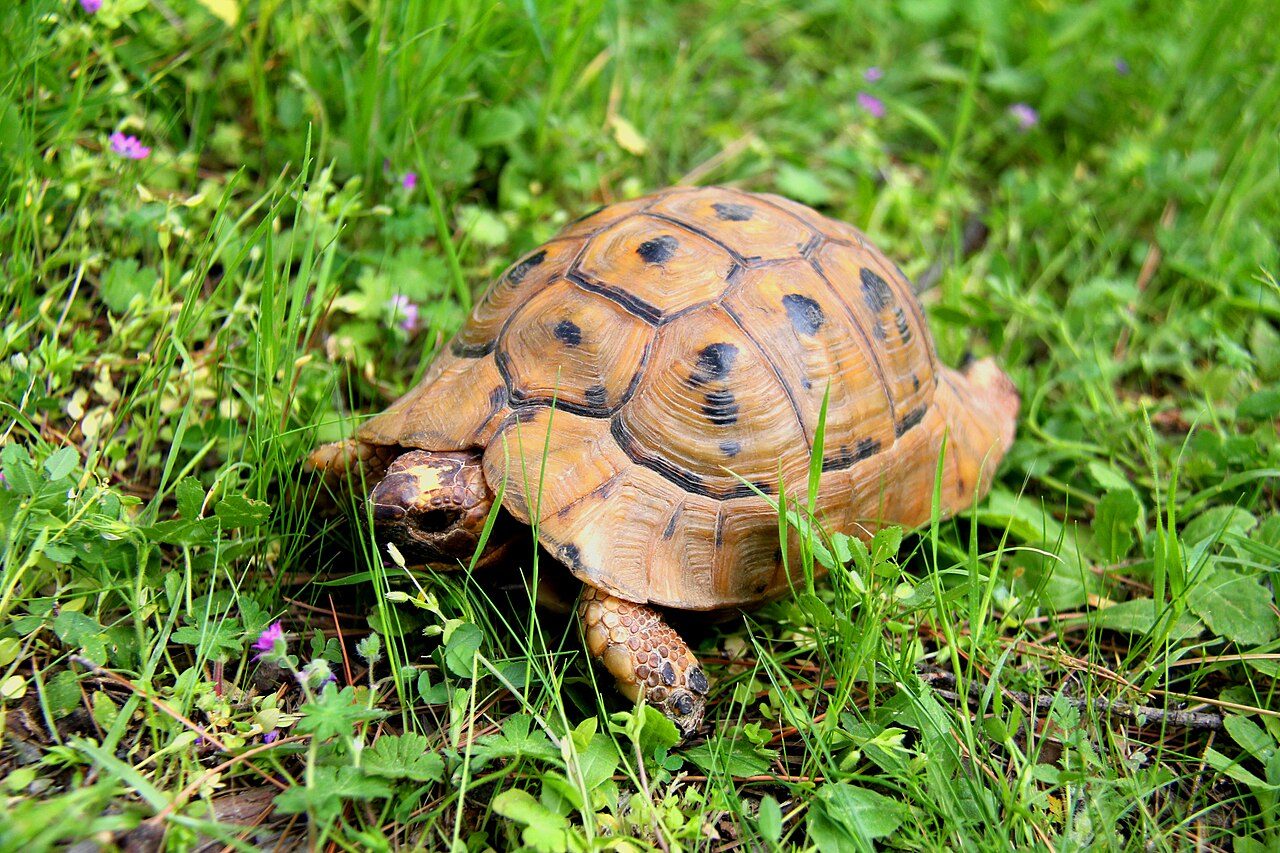
Not all tortoises have the same hydration requirements. For example, a Testudo hermanni (Hermann’s Tortoise) comes from a Mediterranean climate and may require different humidity levels than a tropical species.
Hatchlings of any species are much more prone to dehydration than adults. I recommend bathing hatchlings every single day for the first six months of their lives to make sure they grow without shell deformities.
Desert vs. Tropical Species
Desert species like Sulcatas or Leopards still need regular baths, even though they come from arid regions. In the wild, they would utilize morning dew and seasonal rain puddles to hydrate.
Tropical species, such as Red-footed tortoises, require much higher humidity. For these guys, the bath is not just a drink; it is a way to keep their skin supple and prevent respiratory issues.
Understanding the natural history of your specific tortoise will help you fine-tune your bathing schedule. Always research the specific locale of your pet to mimic their environmental needs.
Advanced Tips for Success
If you want to go the extra mile, there are several “pro” techniques you can use during the bath. These are especially helpful for tortoises that are recovering from illness or are particularly stubborn drinkers.
You can add a small amount of reptile-safe electrolytes to the water. This is a common practice in the aquarium world for stressed fish, and it works wonders for dehydrated reptiles as well.
The Role of Diet in Hydration
Remember that how to bath your tortoise is only one half of the hydration equation. Feeding high-moisture foods like cucumber, cactus pears, or soaked greens can supplement their water intake.
However, never use diet as a total replacement for soaking. The mechanical action of being in the water is what triggers the cloacal drinking and waste elimination reflexes.
I have found that tortoises who are bathed regularly are much more enthusiastic eaters. The hydration boost kickstarts their metabolism and makes them feel much more comfortable in their environment.
Questions and answers
Can I use soap when I bath my tortoise?
No, you should never use soap, shampoo, or detergents. A tortoise’s skin and shell are porous, and chemicals can be absorbed into their bloodstream. Plain, dechlorinated water is all they need.
How often should I bath a baby tortoise?
Baby tortoises should be bathed daily or at least five times a week. Their small body mass means they lose moisture much faster than adults, putting them at high risk for kidney issues.
My tortoise hates being bathed, what should I do?
It is normal for some tortoises to be flighty at first. Help the water is the correct temperature and use an opaque container so they feel “hidden.” Over time, most tortoises learn to relax and enjoy the soak.
Is it okay if my tortoise puts its head underwater?
Yes, tortoises often submerge their entire heads to drink. As long as the water is not deeper than their mid-shell and they can easily lift their head to breathe, there is no cause for concern.
Should I apply shell oil after the bath?
Most experts recommend against shell oils or “glosses.” These products can clog the pores of the shell and trap bacteria underneath, potentially leading to infections or rot.
Where that leaves you
Mastering the art of how to bath your tortoise is a fundamental skill for any keeper. It is a simple, low-cost way to ensure your pet lives a long, healthy life free from the complications of dehydration.
If you keep a regular schedule, monitoring water temperatures, and using the soak as a time for health inspections, you are providing top-tier care. Your tortoise will reward you with years of companionship and the steady, majestic growth that makes these creatures so interesting.
Keep those shells clean, those systems hydrated, and your tortoise will settle in in your care for decades to come.

- 2003First tank
- 20+Years keeping
- 40+Tanks kept
- 0Sponsored picks
Howard set up his first 10-gallon planted tank in 2003 and lost half of it within six weeks. Two decades and more than forty aquariums later, he writes the guides he wished he had then: clear numbers, the reasons behind them, and what actually goes wrong in home tanks.