Aquarium Plant Iron Deficiency – Causes and Fixes
Aquarium plant iron deficiency manifests as yellowing leaves (interveinal chlorosis), particularly on new growth, due to insufficient iron for chlorophyll synthesis. Addressing it involves proper water parameters, targeted iron supplementation with chelated forms, and nutrient-rich substrates to restore bright growth.
Welcome, fellow aquarists, to “Successful Aquarium”! If you’ve ever stared at your once-leafy aquatic plants, wondering why their colorful green is fading to a sickly yellow, you’re not alone. In my decade-plus experience building stable planted tanks, aquarium plant iron deficiency is one of the most common, yet often misunderstood, hurdles hobbyists face. It’s a silent struggle for your plants, one that can quickly turn your beautiful aquascape into a lackluster display.
This comprehensive guide will equip you with the knowledge to identify and treat iron deficiency and also to prevent it, making sure your aquatic flora flourishes. We’ll look at the science behind why iron is so important, the tell-tale signs to look for, and the most effective strategies for maintaining best iron levels. Get ready to transform your understanding and bring back that eye-catching greenery.
Understanding Aquarium Plant Iron Deficiency
Iron is a vital micronutrient for all plant life, and aquatic plants are no exception. It plays a critical role in numerous physiological processes, making its availability non-negotiable for healthy growth. Without adequate iron, your plants simply cannot flourish.
The Vital Role of Iron in Aquatic Plants
The primary function of iron within plant cells is its involvement in chlorophyll synthesis. Chlorophyll is the green pigment responsible for photosynthesis, the process by which plants convert light energy into chemical energy. Iron acts as a cofactor in several enzymes directly involved in this process.
It also plays a key role in respiration, nitrogen fixation, and various metabolic reactions. Essentially, iron is the backbone of your plant’s energy production and overall health. A lack of it will directly impact their ability to grow, absorb other nutrients, and even fend off algae.
Early Warning Signs to Watch For
Spotting the signs of iron deficiency early can save your plants from significant stress. It typically manifests as a yellowing of the leaves, a condition known as chlorosis. This isn’t just a cosmetic issue; it indicates a severe metabolic problem.
Pay close attention to the newest growth, as this is where symptoms often appear first. The plant prioritizes sending what little iron it has to older, established leaves, leaving the emerging shoots vulnerable.
Pro Tip: Many new aquarists confuse general yellowing with iron deficiency. While yellowing is a symptom, the pattern of yellowing is key. Always observe which leaves are affected first and how the discoloration spreads before drawing conclusions.
Identifying the Symptoms: A Visual Guide to Iron Deficiency
Recognizing the specific signs of aquarium plant iron deficiency is the first step toward successful treatment. While general yellowing can indicate many issues, iron deficiency has a distinct presentation. Learning to differentiate it from other nutrient deficiencies is important.
Decoding Interveinal Chlorosis
The hallmark symptom of iron deficiency is interveinal chlorosis. This means the tissue between the leaf veins turns yellow, while the veins themselves remain distinctly green. Imagine a tiny green roadmap laid over a yellow background; that’s interveinal chlorosis.
This pattern is most evident on the plant’s newest leaves and growth tips. As the deficiency progresses, the entire leaf may eventually turn pale yellow or even white, and growth will become stunted. Leaves may also appear smaller than usual or develop necrotic (dead) spots along the edges.
Differentiating from Other Deficiencies
It’s easy to mistake iron deficiency for a lack of other nutrients like nitrogen or magnesium. Nitrogen deficiency, for example, also causes yellowing, but it usually starts on older leaves and affects the entire leaf, veins and all. Magnesium deficiency can also cause interveinal chlorosis, but often on older leaves first.
Understanding these subtle differences helps you provide the correct treatment. Here’s a quick guide to help you identify iron deficiency specifically:
| Symptom | Description | Key Differentiator |
|---|---|---|
| Interveinal Chlorosis | Yellowing between the veins, while veins remain green. | Primarily affects new growth. |
| Stunted Growth | Overall slower growth, smaller leaves, or distorted new leaves. | Accompanies chlorosis on new foliage. |
| Pale White Leaves | Severe deficiency can cause new leaves to emerge almost white. | An advanced stage of chlorosis. |
| Necrotic Spots | Dark, dead patches on leaves, often starting at the edges. | Less common but indicates severe, prolonged deficiency. |
Root Causes: Why Your Aquarium Plants Lack Iron
Understanding why your plants are suffering from aquarium plant iron deficiency is as important as recognizing the symptoms. It’s rarely just about not adding enough iron; often, it’s about the iron not being available to the plants.
pH Levels and Iron Bioavailability
Water pH is perhaps the most significant factor influencing iron’s bioavailability to plants. In higher pH (alkaline) water, iron precipitates out of solution very quickly. This renders it insoluble and unavailable for root or leaf uptake. Even if you dose iron, if your pH is too high, it effectively vanishes.
Most aquatic plants prefer slightly acidic to neutral water (pH 6.0-7.5) where iron remains more stable and soluble. If your tank runs at pH 7.8 or higher, iron deficiency is almost guaranteed unless specific measures are taken.
Substrate Matters: From Laterite to Inert Sands
The type of substrate you use profoundly impacts iron availability. Nutrient-rich substrates, like those containing laterite substrate or specialized aqua soils, are designed to slowly release essential micronutrients, including iron, directly to plant roots.
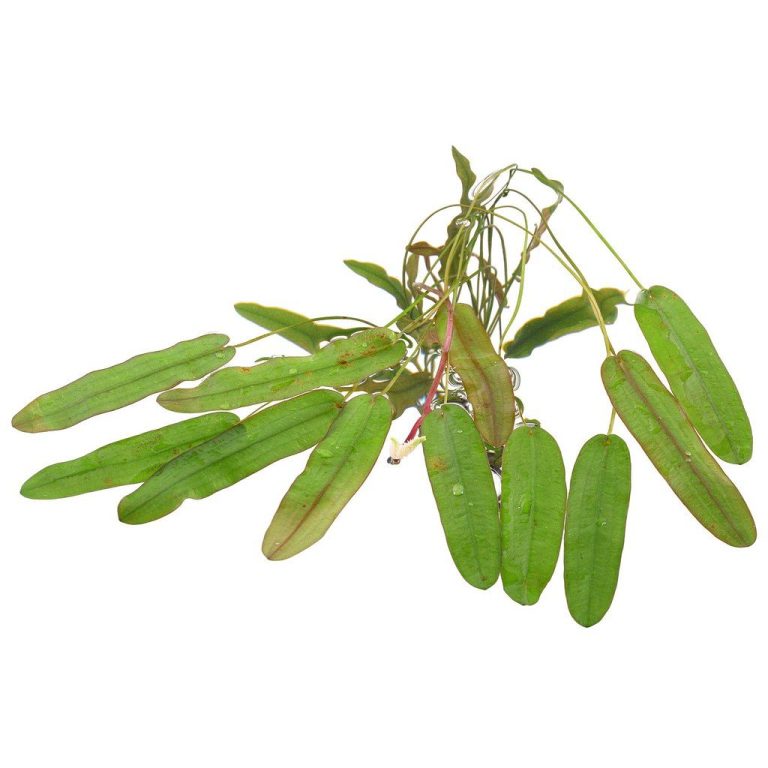
Inert substrates like sand or gravel offer no inherent nutritional value. Plants in such setups are entirely dependent on liquid fertilizers for their iron supply. Without a rich substrate, root-feeding plants like many Echinodorus species (e.g., Echinodorus bleheri) are particularly susceptible to deficiencies.
The Impact of Other Nutrients (Manganese Antagonism)
Nutrient balance is delicate in a planted aquarium. An excess of certain other metals can actually hinder iron uptake, a phenomenon known as antagonism. For instance, high levels of manganese can lead to manganese antagonism, where it competes with iron for absorption sites in the plant.
Similarly, an excess of phosphates can bind with iron, making it unavailable. This highlights the importance of a balanced fertilization regimen rather than simply adding more of one nutrient.
Water Parameters and Chelated Iron
Hard water, often high in carbonates, can also contribute to iron precipitation. This is why many iron supplements come in a “chelated” form. Chelates are organic molecules that bind to the iron, protecting it from reacting with other elements in the water and keeping it soluble and available to plants.
Understanding the different types of chelation is key to effective treatment. We’ll explore this further in the next section.
Solving the Problem: Effective Iron Supplementation Strategies
Once you’ve diagnosed aquarium plant iron deficiency, the next step is to implement an effective treatment plan. This involves choosing the right type of iron supplement and applying it correctly.
Choosing the Right Iron Form
Not all iron supplements are created equal, especially when it comes to planted aquariums. The effectiveness largely depends on the iron’s chelation type and your tank’s water parameters.
- `Ferrous gluconate`: This is a common and effective form of iron, particularly in liquid fertilizers. It’s often found in “all-in-one” plant fertilizers. It’s readily absorbed by plants but can oxidize quickly in high pH or high oxygen environments, becoming unavailable.
- `EDTA chelation`: Iron chelated with EDTA (ethylenediaminetetraacetic acid) is stable in a pH range of roughly 4.0-6.5. It’s suitable for tanks with slightly acidic to neutral pH. Above pH 7.0, its stability decreases significantly.
- `DTPA iron`: Iron chelated with DTPA (diethylenetriaminepentaacetic acid) is more stable than EDTA in slightly higher pH ranges, generally up to about pH 7.5. This makes it a good choice for many average community tanks.
- `EDDHA iron`: This is the most stable form of chelated iron, remaining effective even in very high pH water (up to pH 9.0-10.0). It’s often darker in color and pricier but is invaluable for tanks with persistently high pH.
Dosing Guidelines and Best Practices
Always start by following the manufacturer’s recommended dosage for any iron supplement. Overdosing iron can lead to algae outbreaks and can potentially be harmful to sensitive fish and invertebrates. It’s often better to start with half the recommended dose and gradually increase if symptoms persist.
Consistency is key. Regular, small doses are generally more effective than infrequent, large doses. This provides a steady supply of iron for your plants. A good schedule might be dosing 2-3 times per week during water changes or daily for heavily planted tanks.
Common Mistake: Many hobbyists assume more is better when it comes to fertilizers. With iron, too much can quickly lead to green spot algae or black beard algae, especially if other nutrients like nitrates and phosphates are out of balance. Always monitor your tank closely after increasing any nutrient dosage.
The Role of Root Tabs and Liquid Fertilizers
For plants that primarily feed through their roots, such as sword plants (Echinodorus species), cryptocorynes, and some anubias, root tabs are an invaluable source of iron. These tabs are inserted directly into the substrate near the plant’s roots, providing a localized, slow-release supply of nutrients.
Liquid fertilizers are key for water column feeders like stem plants (e.g., Rotala, Ludwigia) and mosses. A balanced liquid fertilizer containing chelated iron makes sure these plants get the nutrients they need directly from the water column. Many aquarists use a combination of both for a diverse planted tank. For best plant health, especially in tanks with demanding plants, considering supplementary CO2 can also make a significant difference, as discussed in our guide on aquarium CO2 efficiency.
Preventing Future Iron Deficiency: Long-Term Solutions
Treating `aquarium plant iron deficiency` is one thing; preventing its recurrence is another. Long-term success in a planted aquarium hinges on creating a stable, nutrient-rich environment that consistently supports plant health.
Maintaining Stable Water Chemistry
Regular water testing is your best friend here. Monitor your pH, GH (general hardness), and KH (carbonate hardness) consistently. Understanding how these parameters influence iron’s bioavailability will guide your choices in supplements. If you have naturally high pH water, consider specialized substrates or more robustly chelated iron forms like DTPA or EDDHA.
Performing regular, small water changes also helps replenish trace elements and prevent nutrient imbalances. Consistent parameters reduce stress on your plants, making them more resilient.
The Power of a Rich Substrate
For root-feeding plants, a high-quality, nutrient-rich substrate is foundational. Substrates containing ingredients like laterite substrate or specialized aqua soils provide a long-lasting reservoir of iron and other micronutrients. Over time, even these substrates become depleted, so supplementing with iron-rich root tabs every few months is essential.
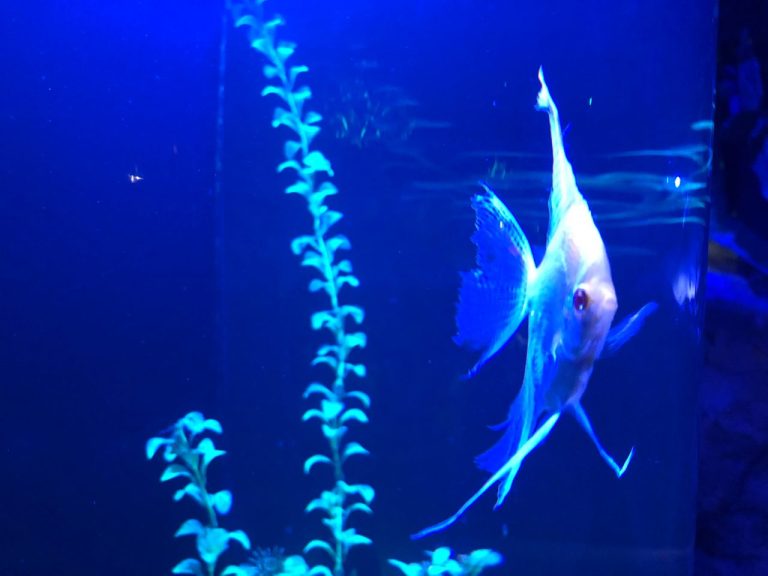
When setting up a new tank, investing in a good substrate layer can significantly reduce the effort required for liquid dosing later on. It creates a stable, consistent nutrient source for your plants. Angelfish, for example, settle in in well-planted aquariums, making a good substrate even more important if you’re keeping them. You can learn more about how to create such an environment in our article on angelfish in a planted aquarium.
Regular Plant Nutrition Regimens
Establish a consistent fertilization schedule. Whether you use an all-in-one liquid fertilizer or dose individual components (macro and micro-nutrients), sticking to a routine prevents deficiencies from developing. Many hobbyists use a “lean dosing” approach (EI method variations) that ensures a slight excess of all nutrients, preventing any single deficiency.
Always keep in mind that light, CO2, and nutrient levels must be balanced. If one factor is limiting, adding more of another won’t necessarily help. For instance, too much light without adequate CO2 and nutrients can lead to algae, not better plant growth.
Monitoring Oxidation-Reduction Potential
For advanced aquarists, monitoring the oxidation-reduction potential (ORP) can provide insights into water quality and nutrient availability. ORP measures the water’s ability to break down contaminants. While not a direct measure of iron, a stable ORP suggests a healthy, balanced aquatic environment where nutrients are more likely to remain in a bioavailable form.
Extremely low ORP can indicate an oxygen-depleted environment, which can affect iron’s solubility. Tools for measuring ORP are typically more advanced but can offer another layer of insight for dedicated plant keepers.
Keeper’s notes
- Trim stem plants above a node and replant the tops for denser growth.
- Change one variable at a time (light, CO2 or fertiliser) and wait two weeks to judge the result.
- Root feeders such as swords, crypts and vallisneria need root tabs or a nutrient-rich substrate, not only liquid fertiliser.
- Add plants before fish in a new tank; they start using ammonia and nitrate right away.
A few common questions About Aquarium Plant Iron Deficiency
Here are some common questions I hear from aquarists regarding iron deficiency in their planted tanks.
Q: Can too much iron harm my fish or shrimp?
A: Yes, excessive iron can potentially be harmful. While fish and shrimp tolerate moderate levels, very high concentrations can be toxic. More commonly, an overdose of iron contributes significantly to algae outbreaks, particularly green spot algae or black beard algae, which can indirectly stress aquatic life by disrupting tank balance.
Q: How quickly can I expect to see results after adding iron?
A: You should start to see improvements in new growth within 1-2 weeks. Existing yellow leaves may not fully recover their green color, but new leaves should emerge healthy and rich. It’s important to be patient and consistent with your dosing.
Q: Is it possible for my plants to have too much iron?
A: Yes, iron toxicity is possible, though less common than deficiency. Symptoms can include stunted growth, darkening of leaves, or even necrosis, particularly around leaf margins. The most common sign of excess iron for hobbyists is often a sudden surge in algae growth.
Q: Do all aquatic plants require the same amount of iron?
A: No, iron requirements vary significantly between plant species. Red-leaved plants, for example, often require higher levels of iron to develop their intense coloration. Fast-growing stem plants generally have higher demands for all nutrients, including iron, compared to slow-growing epiphytes like Java Fern.
Q: Can my tap water provide enough iron for my aquarium plants?
A: Rarely. While tap water contains some trace elements, the concentration of iron is usually insufficient to meet the demands of a well-kept planted aquarium. Furthermore, the form of iron in tap water may not be readily bioavailable to plants, especially in higher pH conditions. Supplementation is almost always necessary.
In short
Tackling `aquarium plant iron deficiency` doesn’t have to be a frustrating guessing game. Once you understand iron’s critical role, learning to identify the precise symptoms of interveinal chlorosis, and implementing targeted solutions, you can transform your ailing plants into a well-grown, green underwater paradise. Consistency in water parameter monitoring, appropriate iron supplementation, and a nutrient-rich substrate are the pillars of success.
In my years of keeping planted tanks, I’ve seen firsthand the dramatic difference proper iron management makes. It’s not just about aesthetics; it’s about encouraging a healthy and balanced ecosystem for all your aquatic inhabitants. Keep observing, keep learning, and your dedication will be rewarded with an aquarium that stays healthy. Happy planting.

- 2003First tank
- 20+Years keeping
- 40+Tanks kept
- 0Sponsored picks
Howard set up his first 10-gallon planted tank in 2003 and lost half of it within six weeks. Two decades and more than forty aquariums later, he writes the guides he wished he had then: clear numbers, the reasons behind them, and what actually goes wrong in home tanks.