Aquarium Plant Internode Spacing – Explained Simply
Aquarium plant internode spacing refers to the distance between two nodes on a stem. Short spacing creates a dense, well-grown look, while long gaps usually indicate insufficient light, low CO2, or nutrient imbalances.
Understanding the science behind your greenery is what separates a struggling tank from a showpiece. After spending over a decade scaping various layouts, I have learned that aquarium plant internode spacing is one of the most reliable “languages” plants use to speak to us.
When you look at a stem plant, the nodes are the points where leaves and new branches emerge. The space between these points tells a detailed story about your light intensity, nutrient availability, and overall tank health.
In this guide, I will help you decode these signals so you can grow thick, bright bushes rather than thin, “leggy” stems. We will explore how to manipulate growth patterns to achieve the professional aesthetic found in high-end Dutch and Nature Style aquariums.
What is Aquarium Plant Internode Spacing?
To a botanist, the internode is simply the segment of a plant stem between two successive nodes. In the hobby, we focus on this distance because it dictates the “fullness” of our underwater forests.
When aquarium plant internode spacing is tight, the leaves overlap, hiding the stem and creating a wall of color. This is the hallmark of a healthy, high-energy system where the plant does not feel the need to “stretch” for resources.
Conversely, long internodes lead to a sparse appearance. This often happens when the plant is prioritizing height over leaf production, a biological response to various environmental stressors.
Pro Tip: When you first bring home new plants, they often have long internodes from being grown in low-light nurseries. Don’t worry; with the right light, the new growth in your tank will be much more compact.
The Impact of Lighting and PAR
Light is the primary driver of the stem elongation rate. If your light is too dim, the plant will engage in a process called etiolation, where it rapidly extends its stem to reach the surface.
In my experience, the most important metric to understand is Photosynthetically Active Radiation (PAR). This measures the specific light wavelengths that plants use for photosynthesis.
If the PAR at the substrate is low, species like Rotala rotundifolia will develop long, spindly stems. They are essentially “searching” for more energy, which ruins the dense look most aquarists desire.
Red to Far-Red Light Ratio
The quality of light matters just as much as the quantity. Plants have sensors called phytochromes that detect the ratio of red to far-red light.
In a crowded tank, taller plants might shade shorter ones, filtering out the red light but letting far-red light pass through. This signals to the shaded plant that it is under a canopy, triggering Photomorphogenesis to stretch the stem and escape the shade.
If you provide a full-spectrum LED with a strong red peak, you can mimic direct sunlight. This encourages the plant to stay low and produce more lateral branches, resulting in tighter spacing.
CO2 and Nutrient Ratios
While light provides the signal for growth, CO2 and nutrients provide the building blocks. If you have high light but low carbon dioxide, the plant cannot keep up with the energy it is receiving.
A significant CO2 concentration gradient within the water column can lead to uneven growth. Plants near the diffuser might look great, while those in “dead spots” with low flow may start stretching toward the surface where gas exchange is higher.
I have found that improving your gas exchange is often the missing piece for those struggling with leggy plants. When carbon is abundant, the plant can focus on building dense tissue rather than just reaching for the air.
The Nitrogen-to-Phosphorus Ratio
Nutrients also play a subtle role in how stems develop. High levels of nitrogen relative to phosphorus can sometimes lead to rapid, soft growth with longer internodes.
Maintaining a balanced fertilization schedule ensures the plant has the structural materials needed for thick stems. If you notice your plants are very tall but the stems are thin and brittle, you may need to increase your micro-nutrient dosing.
Pro Tip: If your plants are growing too fast to manage, try slightly reducing your nitrate dosing. This can “lean out” the growth, slowing the stem elongation rate without causing deficiencies.
Comparing Growth Patterns in Popular Species
Different plants react differently to their environment. Some are naturally “leggier” than others, and knowing what to expect is key for planning your scape.
For example, Hygrophila polysperma is a notorious “space-filler” that can grow very quickly. Without enough light, it can look quite messy, but under high PAR, it becomes a dense, bronze-colored bush.
| Plant Species | Ideal Internode Spacing | Main Growth Driver |
|---|---|---|
| Rotala rotundifolia | 0.5 – 1.0 cm | High Light & Low Nitrates |
| Ludwigia palustris | 1.0 – 2.0 cm | Iron & Strong Lighting |
| Hygrophila polysperma | 1.5 – 3.0 cm | General Hardness & Light |
| Bacopa caroliniana | 0.5 – 1.5 cm | CO2 Stability |
The Role of Plant Hormones
Inside the plant, hormones like Gibberellic acid control how much the cells between the nodes expand. When a plant is stressed or in low light, it produces more of this hormone to stretch its cells.
By optimizing your tank parameters, you are essentially telling the plant to produce less Gibberellic acid. This keeps the cells compact and the leaves close together.
This is why “high-tech” tanks with pressurized CO2 often have much prettier plants. It isn’t just that they grow faster; it’s that the biological signals they receive encourage a more aesthetic growth form.
Trimming Techniques for Density
Even with perfect light, you must train your plants. In my 10+ years of scaping, I’ve found that the first trim is the most important for establishing good aquarium plant internode spacing.
When you cut a stem, the plant typically sends out two new shoots from the node just below the cut. If you cut the stem very low—about 2 inches from the substrate—you force the plant to start branching early.
This creates a “base” of dense growth. As these new shoots grow, you trim them again, slightly higher than the last cut. This “topping” method creates a massive, bushy effect over time.
The “Cut and Replant” Strategy
If your stems have already become too leggy at the bottom, don’t try to save them. The best move is to pull them out, cut off the healthy, compact tops, and replant those.
The bottom portion of a leggy stem rarely recovers its aesthetics. Replanting the tops makes sure that your visible “forest” starts with the best possible internode spacing.
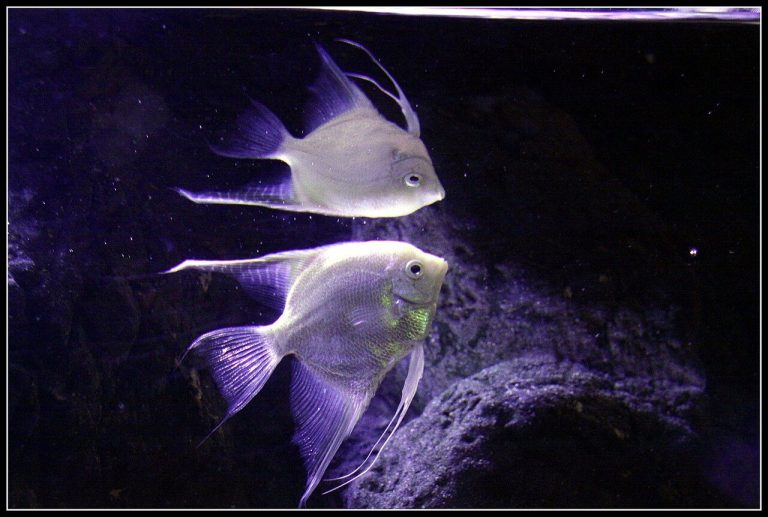
This is especially helpful when keeping sensitive fish like those found in an angelfish planted setup, as they appreciate the dense cover for hiding and spawning.
Troubleshooting Common Growth Issues
If you notice your plants are struggling, use this checklist to identify why the aquarium plant internode spacing is wider than you’d like.
| Symptom | Probable Cause | Recommended Fix |
|---|---|---|
| Long gaps, pale leaves | Low Light (Etiolation) | Increase light intensity or duration |
| Small leaves, long gaps | CO2 Deficiency | Check CO2 levels and water flow |
| Leggy bottom, bushy top | Self-Shading | Trim more often to allow light to the base |
| Rapid growth, thin stems | Excess Nitrogen | Balance N-P-K ratios in fertilizer |
Why Substrate Matters
While we often focus on the water and light, the roots play a role in stem strength. A nutrient-rich aquasoil provides the minerals needed for thick cell walls.
I’ve noticed that plants grown in inert sand often have longer internodes because they are relying entirely on water-column fertilization. This can lead to “ups and downs” in nutrient availability.
A steady supply of nutrients at the root zone helps make sure that the stem elongation rate remains consistent. This prevents the “accordion effect” where a stem has tight spacing in some areas and wide gaps in others.
Managing the “Leggy” Look in Low-Tech Tanks
Not everyone wants a high-maintenance, high-light tank. If you are running a low-tech system, you have to accept that aquarium plant internode spacing will naturally be a bit wider.
However, you can still improve the look by choosing the right species. Plants like Cryptocoryne or Anubias don’t have long stems, so they always look compact.
If you must use stems, look for “slow-growers” like Bacopa monnieri. These plants have a naturally lower metabolism and are less likely to stretch aggressively toward the surface.
Worth knowing before you start
- Yellowing older leaves often point to nitrogen or potassium shortage; yellowing new leaves usually point to iron.
- Epiphytes like java fern and anubias should be tied to rock or wood; burying the rhizome rots it.
- Most planted tanks do well with 6–8 hours of light per day; longer photoperiods usually just grow more algae.
- Trim stem plants above a node and replant the tops for denser growth.
FAQ: Aquarium Plant Internode Spacing
Why are my plants only growing leaves at the very top? This is usually caused by self-shading. The top leaves are so thick that they block light from reaching the bottom of the stem, causing the lower leaves to die off. Regular trimming prevents this.
Can I fix a stem that has already stretched? No, once the stem has elongated, the distance between those specific nodes is permanent. You must prune the plant and allow new, more compact growth to take its place.
Does water temperature affect internode spacing? Yes, higher temperatures generally increase a plant’s metabolism. If you have high heat but don’t increase light and CO2 to match, the plant may grow leggy as it exhausts its energy reserves.
Is there a specific light spectrum that prevents stretching? Blue light is known to inhibit stem elongation in many plants, while far-red light promotes it. A balanced “Daylight” spectrum (6500K) is usually the best bet for compact growth.
How often should I trim to maintain density? In a high-tech tank, I recommend trimming every 2-3 weeks. In a low-tech tank, you might only need to trim once every 1-2 months.
My final take
Mastering aquarium plant internode spacing is a journey of observation and adjustment. It requires you to balance the “accelerator” (light) with the “fuel” (CO2 and nutrients).
By paying close attention to the distance between nodes, you can diagnose issues before they ruin your scape. Remember that compact growth is a sign of a happy plant that has everything it needs.
Don’t be afraid to get aggressive with your scissors. Trimming is the “secret sauce” of every beautiful aquarium you see online. With patience and the right environment, you can turn a few spindly stems into a dense, underwater showpiece.
Keep experimenting with your light height and CO2 levels until you find that “sweet spot” where your plants grow thick and vivid. Your fish and shrimp will thank you for the extra cover and the cleaner water that healthy plants provide.

- 2003First tank
- 20+Years keeping
- 40+Tanks kept
- 0Sponsored picks
Howard set up his first 10-gallon planted tank in 2003 and lost half of it within six weeks. Two decades and more than forty aquariums later, he writes the guides he wished he had then: clear numbers, the reasons behind them, and what actually goes wrong in home tanks.