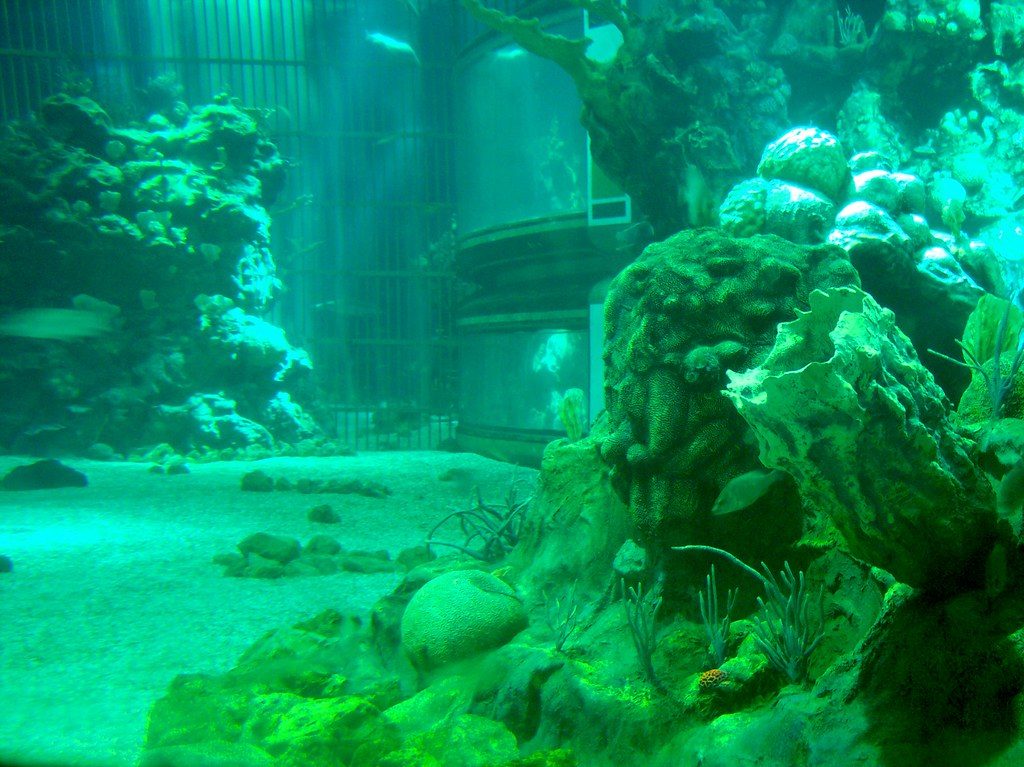
Distilled Water For Hydroponics – Cultivating Thriving Plants
Distilled water for hydroponics provides a clean slate, free of contaminants and minerals, allowing precise control over nutrient solutions for right plant growth in integrated aquarium systems, keeping healthier aquatic life.
Welcome to “Successful Aquarium,” where we explore innovative ways to improve your aquatic ecosystems. Today, we’re diving deep into a topic that bridges the gap between well-grown plant growth and pristine water conditions: using distilled water for hydroponics.
For those of us passionate about both aquariums and building plants, integrating hydroponic setups with our fish tanks offers incredible benefits. It’s a fantastic way to naturally filter water and provide a visually beautiful display.
However, the foundation of any successful hydroponic system, especially one connected to an aquarium, is the water itself. Getting your water parameters right is absolutely critical for both your aquatic inhabitants and your plants.
Understanding Distilled Water: The Clean Slate for Your System
When we talk about water quality in aquariums or hydroponic systems, we often focus on what’s in the water. With distilled water, the primary focus is on what’s not in it.
What Exactly is Distilled Water?
Distilled water is water that has been boiled into vapor and then condensed back into liquid. This process effectively removes nearly all impurities, minerals, and contaminants, leaving behind almost pure H₂O.
It’s essentially a blank canvas. This purity is what makes it so appealing for specific applications in both hydroponics and advanced aquarium keeping.
Why Purity Matters: Beyond Just Plants
In a typical tap water supply, you’ll find a cocktail of dissolved solids: chlorine, chloramines, heavy metals, nitrates, phosphates, calcium, magnesium, and other trace elements. While some of these are benign or even beneficial in certain contexts, others can be problematic.
For hydroponic plants, these unknown variables in tap water can throw off your carefully balanced nutrient solutions. For fish and shrimp, certain contaminants or inconsistent mineral levels can lead to stress, disease, or even death.
Pro Tip: The “Clean Slate” Advantage
In my experience, starting with distilled water gives you unparalleled control. Instead of constantly reacting to your tap water’s fluctuating parameters, you build your ideal water chemistry from scratch. This predictability is a big help for sensitive plants and aquatic species.
The Benefits of Distilled Water for Hydroponics in Aquarium-Integrated Systems
Using distilled water in your hydroponic setup, particularly when it’s part of an aquaponics or integrated aquarium system, offers distinct advantages that contribute to overall ecosystem health and stability.
Precision Nutrient Control
One of the most significant advantages of using distilled water is the ability to precisely control your nutrient solution. Since distilled water contains no dissolved minerals, you start with a Total Dissolved Solids (TDS) reading of near zero.
This means every nutrient you add is intentionally introduced. You can tailor your plant’s diet to its exact needs, preventing nutrient lockout or deficiencies caused by unknown elements in your source water.
Eliminating Harmful Contaminants
Tap water can contain chlorine, chloramines, heavy metals, and pesticides, all of which are detrimental to both aquatic life and plant health. While water conditioners remove chlorine and chloramines, they don’t address everything.
Distillation removes virtually all of these nasties. This provides a much safer environment, reducing stress on fish and shrimp while allowing plants to absorb beneficial nutrients without interference from toxins.
The benefits of hydroponics extend to cleaner water, which is vital for the inhabitants of your aquarium.
Stabilizing pH and Water Hardness
Tap water often has varying levels of carbonates and bicarbonates, which act as buffers, influencing its pH and hardness (GH/KH). These fluctuations can be challenging to manage in a balanced ecosystem.
Distilled water has no buffering capacity, making it easy to adjust pH and hardness to your desired levels. This stability is incredibly beneficial for plants, which prefer specific pH ranges for best nutrient absorption, and for aquatic animals that do well in consistent water parameters.
Common Mistake: Assuming “Pure” is “Complete”
A frequent error I’ve seen beginners make is using distilled water directly without remineralization. While pure, it lacks essential minerals for both plants and fish. This can lead to severe mineral deficiencies in plants and osmotic shock or electrolyte imbalance in aquatic life. Always remineralize!
Working through the Challenges: Potential Downsides and Solutions
While the purity of distilled water is a major asset, it also presents challenges that require careful management. Understanding these potential disadvantages of hydroponics when using distilled water is biggest factor.
The Lack of Essential Minerals
The very purity that makes distilled water attractive is also its biggest drawback. It lacks all the essential minerals and trace elements that plants need to grow and that fish and shrimp need to stay healthy.
Calcium, magnesium, potassium, and various trace elements are vital for metabolic processes in all living organisms. Without them, plants will exhibit deficiencies, and aquatic life will suffer from osmotic stress and mineral depletion.
Cost and Accessibility Considerations
Purchasing large quantities of distilled water regularly can become quite expensive. For smaller hydroponic setups or nano aquariums, it might be manageable, but for larger systems or frequent water changes, the cost adds up quickly.
Accessibility can also be an issue, as not all stores stock it in large volumes. This might necessitate making your own, which requires specialized equipment like a water distiller, adding to the initial investment.
Remineralization: The Key to Success
The solution to the mineral deficiency is remineralization. This involves adding back the necessary minerals in controlled amounts.
For hydroponic plants, you’ll use a complete hydroponic nutrient solution designed for inert water. For the aquarium portion, you’ll need specialized GH/KH boosters and trace element supplements to create the ideal water parameters for your specific fish and shrimp species.
Practical Application: Preparing and Using Distilled Water Effectively
Once you understand the ‘why,’ let’s go through the ‘how’ of incorporating distilled water into your integrated aquarium and hydroponic system. This process requires a systematic approach to help everything does well.
Sourcing Your Distilled Water
You have a few options for obtaining distilled water:
- Store-bought: Convenient but can be costly for large volumes. Ensure it’s 100% distilled and not just “purified” or “spring” water, which can still contain minerals.
- Home distiller: A one-time investment that pays off over time if you need large quantities. It gives you complete control over your water source.
- Reverse Osmosis (RO) system: While not technically distilled, an RO system produces water that is very low in TDS, similar to distilled water, and is often a more cost-effective and practical choice for aquarists. We’ll discuss this more in the FAQ.
Step-by-Step Remineralization for Hydroponics and Aquariums
This is where your chemistry skills come into play. Always test your water before and after adding anything.
1. Start with Pure Distilled Water
Make sure your water has a TDS reading close to 0 ppm (parts per million).
2. Remineralize for the Aquarium (if integrated)
If your hydroponic system is directly connected to your aquarium, the water parameters must be suitable for your fish and shrimp first. Use a high-quality GH (General Hardness) and KH (Carbonate Hardness) booster. Follow the product instructions carefully, aiming for the specific parameters your aquatic species require.
For example, many common tropical fish like tetras prefer soft to moderately hard water. Cardinal Tetra water parameters, for instance, lean towards very soft, acidic conditions, which distilled water helps achieve after careful remineralization.
3. Add Hydroponic Nutrients
Once your base water parameters are stable for your fish, you can add your hydroponic nutrient solution. Choose a nutrient blend specifically designed for hydroponics and for the type of plants you are growing.
Add nutrients gradually, following the manufacturer’s recommendations, and monitor your TDS/EC (Electrical Conductivity) levels. The plants will absorb these nutrients directly from the water.
Monitoring Your Water Parameters
Regular testing is non-negotiable when using distilled water. You’ll need:
- TDS/EC Meter: To measure total dissolved solids and nutrient concentration.
- pH Test Kit/Meter: To make sure the pH is within the ideal range for both your plants and fish.
- GH/KH Test Kit: To monitor general and carbonate hardness, important for aquatic life stability.
Consistency is key. I’ve found that daily spot checks for pH and TDS, with weekly comprehensive tests, keep everything on track. This proactive approach helps you catch and correct issues before they become problems.
Distilled Water vs. Other Water Sources: A Comparative Look
To help you make an informed decision, let’s compare distilled water with other common water sources used in aquariums and hydroponics. Each has its pros and cons, and the best choice depends on your specific setup and goals.
| Water Source | Key Characteristics | Pros for Hydroponics/Aquariums | Cons for Hydroponics/Aquariums |
|---|---|---|---|
| Distilled Water | Pure H₂O, virtually no minerals/contaminants. | Complete control over water chemistry; no harmful contaminants; ideal for sensitive species. | No minerals (requires remineralization); can be expensive/inconvenient; no buffering capacity. |
| RO Water | Reverse osmosis filtered; very low TDS, few contaminants. | Similar to distilled, excellent control; more accessible for home production than distillation. | Requires remineralization; produces wastewater; initial equipment cost. |
| Tap Water | Varies widely by location; contains minerals, chlorine, chloramines, potential contaminants. | Convenient, inexpensive; some minerals can be beneficial for plants/fish (if suitable). | Inconsistent quality; unknown contaminants; requires dechlorination; harder to control nutrient balance. |
| Spring Water | Natural source, contains minerals; quality varies. | May contain beneficial trace elements; often readily available. | Inconsistent mineral content; potential contaminants; not suitable for precise control. |
Keeper’s notes
- Start with easy crops such as lettuce, basil and spinach before moving on to tomatoes or peppers.
- Keep reservoir water at 65–72°F (18–22°C). Warmer water holds less oxygen and invites root rot.
- Light-proof reservoirs and tubing; any light reaching the solution grows algae that competes for nutrients.
- Keep nutrient solution pH at 5.5–6.5 for most leafy greens; check it every day or two, because it drifts quickly.
A few common questions About Distilled Water for Hydroponics
Let’s address some common questions that arise when considering distilled water for hydroponics and aquarium use.
Is RO water the same as distilled water?
No, they are not exactly the same, though they are very similar in their application for aquarists and hydroponic growers. Distilled water is produced by boiling and condensation, removing virtually all impurities. Reverse Osmosis (RO) water is produced by forcing water through a semi-permeable membrane, which filters out most dissolved solids, salts, and contaminants.
RO water typically has a slightly higher TDS than distilled water, but it’s still considered a “blank slate” and is often more practical for home use due to the availability of home RO systems. Both require remineralization for living organisms.
Can I use distilled water directly in my aquarium?
No, you should never use pure distilled water directly in an aquarium without remineralization. As discussed, distilled water lacks essential minerals like calcium, magnesium, and trace elements that fish, shrimp, and even beneficial bacteria need to survive and stay healthy.
Using un-remineralized distilled water will lead to severe osmotic stress, electrolyte imbalance, and eventually death for your aquatic inhabitants. Always remineralize it to your target GH and KH levels before adding it to your tank.
How often should I check water parameters when using distilled water?
When you first set up your system with distilled water and begin remineralization and nutrient dosing, daily checks for pH, TDS/EC, GH, and KH are highly recommended for at least the first week. This helps you understand how your specific system stabilizes and consumes nutrients.
Once your system is stable, you can typically scale back to every 2-3 days for pH and TDS/EC, and weekly for GH and KH. However, if you notice any changes in plant growth or fish behavior, immediate testing is essential. Consistent monitoring is a cornerstone of a successful hydroponics guide within an aquarium context.
Conclusion: Harnessing Purity for a Flourishing Ecosystem
Embracing distilled water for hydroponics in your aquarium-integrated system opens up a world of precision and control. While it requires a bit more effort in remineralization and monitoring, the benefits are undeniable: healthier, more rich plants, and a more stable, contaminant-free environment for your cherished fish and shrimp.
Once you understand the nature of distilled water, its advantages, and how to properly manage its purity, you’re not just growing plants; you’re building a successful and balanced aquatic ecosystem., and

- 2003First tank
- 20+Years keeping
- 40+Tanks kept
- 0Sponsored picks
Howard set up his first 10-gallon planted tank in 2003 and lost half of it within six weeks. Two decades and more than forty aquariums later, he writes the guides he wished he had then: clear numbers, the reasons behind them, and what actually goes wrong in home tanks.