African Spurred Tortoise Lifespan – A Century of Care
The African spurred tortoise lifespan typically ranges from 70 to over 100 years in captivity. Achieving this longevity requires careful attention to high-fiber diets, consistent UVB radiation, and maintaining proper hydration to prevent common health issues.
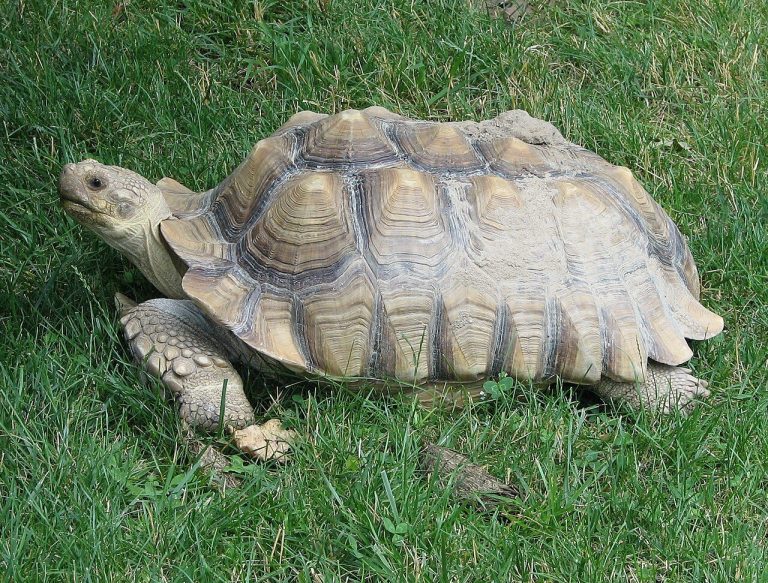
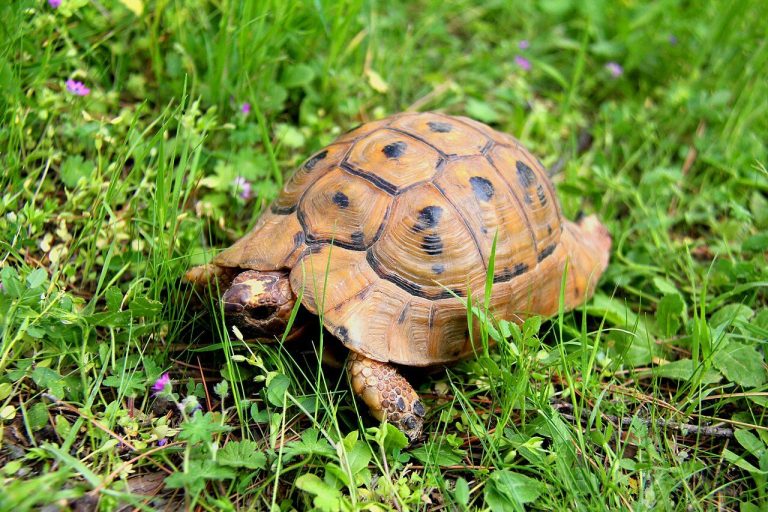
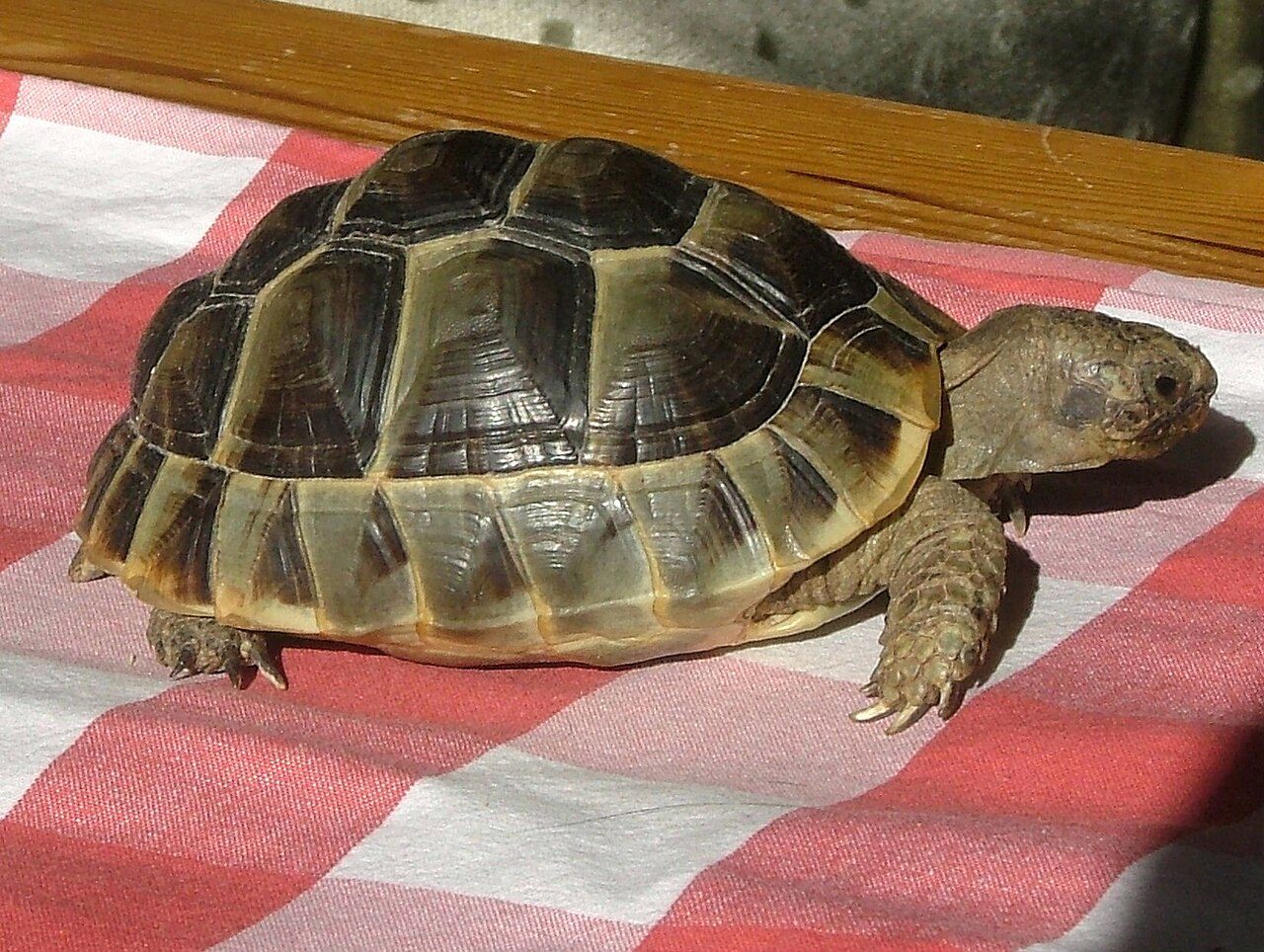
The African spurred tortoise, scientifically known as Centrochelys sulcata, is one of the most impressive reptiles in the hobby. While many enthusiasts start with fish or shrimp, the allure of a “legacy pet” often leads them to these desert giants.
Understanding the african spurred tortoise lifespan is the first step in committing to their care. These animals are not short-term commitments; they are companions that can live for several human generations.
In this guide, we will explore the biological and environmental factors that contribute to a long, healthy life. If you focus on evidence-based husbandry, you can make sure your tortoise does well well into its golden years.
At a glance: Tortoises (general) (Family Testudinidae)
- Temperature
- Basking 90–100°F by species
- Adult size
- 4–30 in shell by species
- Enclosure
- Large enclosure or outdoor pen
- Group size
- Usually alone
- Temperament
- Docile
- Diet
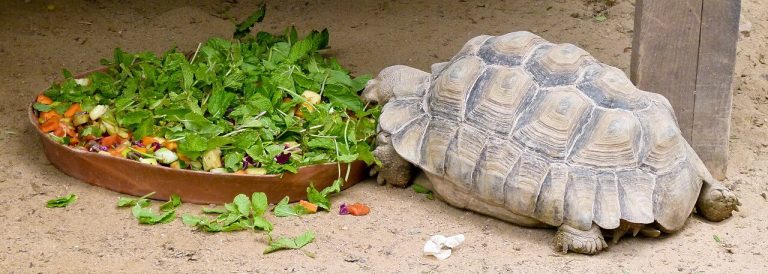
- Herbivores: weeds, grasses, leafy greens
- Lifespan
- 40–100+ years
Keeper’s tip: UVB lighting and calcium are essential for healthy shell growth in indoor tortoises.
Understanding the African Spurred Tortoise Lifespan
The potential african spurred tortoise lifespan is often underestimated by beginners. In the wild, harsh conditions and predation often limit their years, but in a controlled environment, they are remarkably resilient.
Captive specimens regularly reach 70 years of age, with many well-documented cases exceeding a century. This longevity is tied to their slow metabolism and specialized physiological adaptations to arid environments.
To reach these milestones, a tortoise must have its specific biological needs met from day one. Neglect in the early years often leads to irreversible damage that shortens their overall life expectancy.
The Role of Genetics and Origin
Genetics play a foundational role in how long a tortoise might live. Healthy parents are more likely to produce strong offspring with strong immune systems.
The hatchling mortality rate in the wild is naturally high, but captive breeding has improved these odds. Starting with a healthy, captive-bred individual is the best way to keep a long-lived pet.
Life Stages and Longevity
A Sulcata tortoise goes through several distinct life stages. Each stage requires different care focuses to help the animal reaches the next milestone.
| Life Stage | Age Range | Primary Care Focus |
|---|---|---|
| Hatchling | 0 – 3 Years | Hydration and Humidity |
| Juvenile | 4 – 10 Years | Rapid Growth and Shell Strength |
| Sub-Adult | 11 – 20 Years | Space and Outdoor Transition |
| Adult | 20+ Years | Weight Management and Maintenance |
Nutritional Requirements for a Long Life
Diet is perhaps the most critical factor in determining the african spurred tortoise lifespan. These tortoises are “grazers” designed to process large amounts of low-quality, high-fiber vegetation.
In captivity, the most common mistake is providing a diet that is too rich. High protein and high sugar levels can lead to organ failure and a significantly shortened life.
Focusing on a grass-based diet mimics their natural foraging behavior in the Sahel region of Africa. This supports steady growth rather than dangerous, rapid spikes in size.
The Importance of Fiber
Fiber is the engine that drives a tortoise’s digestive system. It ensures that nutrients are absorbed slowly and that the gut microbiome remains balanced.
Timothy hay, orchard grass, and fresh Bermuda grass should make up about 80% of their intake. This prevents obesity and keeps the digestive tract moving efficiently.
Common Mistake: Feeding too many grocery store greens like romaine or iceberg lettuce. These lack the necessary fiber and minerals, leading to “soft” growth and potential digestive upset.
Managing the Calcium-to-Phosphorus Ratio
For a tortoise to live a long life, its skeletal structure must be impeccable. This requires a precise calcium-to-phosphorus ratio in their food, ideally 2:1 or higher.
Calcium is necessary for bone density and shell hardness. If phosphorus levels are too high, it binds to the calcium, making it unavailable to the tortoise.
Regular supplementation with calcium carbonate powder is essential, especially for growing juveniles. Without this balance, tortoises are at high risk for Metabolic Bone Disease, which is often fatal.
Environmental Control and Thermoregulation
As ectotherms, African spurred tortoises rely entirely on their environment to regulate their body temperature. This process, known as thermoregulation, is vital for digestion and immune function.
If a tortoise cannot reach its ideal operating temperature, its metabolism slows down. This can lead to undigested food rotting in the gut and a suppressed immune system.
Providing a thermal gradient allows the tortoise to choose the temperature it needs at any given moment. This mimicry of natural patterns is a cornerstone of longevity.
The Necessity of UVB Radiation
Without adequate UVB radiation, a tortoise cannot synthesize Vitamin D3. This vitamin is the “key” that allows the body to absorb calcium from the diet.
Indoor enclosures must use high-quality UVB bulbs that are replaced every 6 to 12 months. Sunlight through glass does not count, as glass filters out the necessary UVB wavelengths.
Ideally, adult tortoises should spend significant time outdoors. Natural sunlight is far more powerful and effective than any artificial bulb at supporting healthy shell development.
Creating a Microclimate
In the wild, Sulcatas spend the hottest parts of the day in deep, humid burrows. This microclimate provides relief from the sun and prevents dehydration.
In captivity, providing a “humid hide” is essential for all ages, but particularly for hatchlings. This helps maintain shell smoothness and prevents the tortoise from drying out internally.
Pro Tip: Use a mixture of topsoil and peat moss inside a hide box and keep it slightly damp. This allows the tortoise to self-regulate its hydration levels through its skin and respiratory system.
Common Health Challenges Affecting Lifespan
Even with great care, certain health issues can arise that threaten the african spurred tortoise lifespan. Early detection is the key to successful treatment.
Many reptilian illnesses are “silent” and only show symptoms once they have reached an advanced stage. Consistent observation of behavior and appetite is the best defense.
Preventing Pyramiding
Pyramiding is the abnormal upward growth of the shell scutes. While once thought to be purely dietary, research now shows it is heavily linked to low ambient humidity during the first few years of life.
While pyramiding itself may not be immediately fatal, it often indicates underlying metabolic issues. A smooth shell is a hallmark of a tortoise that has received proper environmental care.
Urolithiasis and Hydration
Urolithiasis, or the formation of bladder stones, is a major killer of captive tortoises. These stones form when a tortoise is chronically dehydrated and urates crystallize in the bladder.
If these stones become too large, they can block the cloaca or cause internal damage. Providing constant access to fresh water and regular “soaks” in shallow tubs can prevent this condition entirely.
| Health Issue | Primary Cause | Prevention Method |
|---|---|---|
| Pyramiding | Low humidity/Poor diet | Humid hides and high fiber |
| Bladder Stones | Chronic dehydration | Weekly shallow soaks |
| Respiratory Infection | Damp/Cold conditions | Proper basking temperatures |
The Impact of Habitat Size on Longevity
A cramped tortoise is a stressed tortoise. Stress has a direct, negative impact on the african spurred tortoise lifespan by suppressing the immune system.
Sulcatas are active, roaming animals that can cover significant distances daily. Providing an expansive habitat encourages exercise, which maintains muscle tone and prevents obesity.
As they grow, these tortoises require more than just a large tank; they eventually need a secure outdoor yard. This space allows them to engage in natural behaviors like digging and grazing.
Indoor vs. Outdoor Housing
While hatchlings do well in large indoor enclosures, adults almost always require outdoor space. The sheer size of a 100-pound tortoise makes indoor keeping difficult for most households.
Outdoor housing provides the best possible environment for longevity. It offers variable terrain, natural sunlight, and the ability to graze on live plants that meet their nutritional requirements.
Safety and Security
A long life can be cut short by accidents or predators. Enclosures must be “tortoise-proofed” to prevent the animal from flipping over or escaping.
Barriers should be solid rather than see-through, as tortoises will constantly try to walk through glass or wire. Digging-prevention measures are also necessary, as Sulcatas are powerful burrowers.
Maximizing the African Spurred Tortoise Lifespan Through Routine Care
Consistency is the secret to reaching the 100-year mark. Reptiles settle in on routine and stable environmental conditions.
Establishing a weekly and monthly maintenance schedule helps make sure that nothing falls through the cracks. This proactive approach identifies problems before they become life-threatening.
The Importance of Regular Weighing
Tracking a tortoise’s weight is the best way to monitor its growth and health. A sudden drop in weight is often the first sign of illness.
Conversely, a tortoise that grows too quickly is at risk for shell and bone deformities. Aim for steady, slow growth rather than reaching maximum size as fast as possible.
Veterinary Checkups
Finding a qualified exotics veterinarian is essential for anyone serious about the african spurred tortoise lifespan. Annual wellness exams and fecal tests for parasites can add decades to a tortoise’s life.
Parasites are common in tortoises and can sap nutrients, leading to lethargy and stunted growth. A simple deworming protocol can resolve these issues quickly if caught early.
A few common questions About Sulcata Longevity
How long do African spurred tortoises live in the wild?
In the wild, they typically live 30 to 50 years due to environmental pressures, dehydration, and predators. In captivity, they can easily double this age.
Can a Sulcata tortoise live in an apartment?
Only as a hatchling. Within a few years, they will outgrow any standard apartment space. Their long lifespan means you must plan for their future size.
Do Sulcatas hibernate?
No, African spurred tortoises do not hibernate. They come from a tropical arid region and require warm temperatures year-round to stay healthy.
Why is my tortoise’s shell bumpy?
This is likely pyramiding, caused by low humidity during its developmental years. While the bumps won’t disappear, correcting the environment can help new growth is smooth.
How big will my tortoise get?
Males can reach over 100 pounds and 30 inches in length. Their massive size is a significant factor in how you must design their long-term habitat.
Final Thoughts on the Sulcata Journey
The african spurred tortoise lifespan is proof of the incredible resilience of these ancient creatures. If you provide a high-fiber diet, proper UV exposure, and a secure environment, you are gifting them a century of life.
Owning a Sulcata is more than just keeping a pet; it is a commitment to a living legacy. These tortoises often become family heirlooms, passed down through generations with care and respect.
As you begin this journey, keep in mind that patience is your greatest tool. Slow growth, steady care, and a watchful eye will ensure your tortoise does well for many decades to come.

- 2003First tank
- 20+Years keeping
- 40+Tanks kept
- 0Sponsored picks
Howard set up his first 10-gallon planted tank in 2003 and lost half of it within six weeks. Two decades and more than forty aquariums later, he writes the guides he wished he had then: clear numbers, the reasons behind them, and what actually goes wrong in home tanks.