Sulcata Tortoise Care Guide – Diet, Enclosure and Health
This sulcata tortoise care guide provides essential instructions on housing, high-fiber nutrition, and UV lighting for Centrochelys sulcata. Following these expert standards helps make sure your tortoise maintains a healthy shell and does well for decades.
Welcome to the ultimate sulcata tortoise care guide, designed for keepers who are ready to host one of the most impressive reptiles on the planet. The African Spurred Tortoise, scientifically known as Centrochelys sulcata, is a creature of immense size and personality.
While they are satisfying to keep, they require a specific environment and a long-term commitment to remain healthy. This guide will walk you through every necessary step to make sure your giant friend stays healthy in your care.
Owning a sulcata is a journey that can last a lifetime, as these animals are known for living for many decades with proper husbandry. Understanding their biology is the first step toward successful ownership.
At a glance: Sulcata tortoise (Centrochelys sulcata)
- Temperature
- Basking 95–100°F (35–38°C)
- Adult size
- 24–30 in shell (60–76 cm)
- Enclosure
- Outdoor pen for adults
- Group size
- Alone
- Temperament
- Docile, strong diggers
- Diet
- Herbivore: grasses, hay, weeds, low-sugar greens
- Lifespan
- 70+ years
Keeper’s tip: Adults outgrow any indoor enclosure; plan for a secure outdoor pen early.
Understanding the African Spurred Tortoise
The sulcata tortoise is the third-largest tortoise species in the world and the largest mainland species. They originate from the arid regions of the Sahara Desert and the Sahel, which dictates their need for heat and specific humidity levels.
As hatchlings, they are small and adorable, often fitting in the palm of your hand. However, they grow rapidly and can eventually weigh over 100 pounds, requiring significant space and sturdy enclosures.
Because of their size and strength, they are often referred to as “living tanks.” They are active burrowers and grazers, which means their environment must be able to withstand constant exploration and digging.
Designing the Ideal Habitat
Creating a proper home is perhaps the most challenging part of this sulcata tortoise care guide. While indoor enclosures work for hatchlings, adults almost always require spacious outdoor habitats to stay healthy.
The enclosure must be secure, as sulcatas are notorious for pushing through weak fences or digging underneath them. Walls should be solid so the tortoise cannot see through them, which helps prevent constant pacing and stress.
Inside the habitat, you must provide a microclimate. This is a smaller area, like a humid burrow or a shaded retreat, where the tortoise can escape the heat and maintain hydration levels.
Pro Tip: When building an outdoor fence, bury the perimeter at least 12 to 24 inches underground. This prevents your tortoise from accidentally tunneling out of the yard during their natural digging sessions.
| Habitat Factor | Requirement for Adults | Requirement for Hatchlings |
|---|---|---|
| Enclosure Size | Minimum 50′ x 50′ (Outdoor) | Minimum 4′ x 2′ (Indoor) |
| Substrate | Native soil and grass | Cypress mulch or soil/sand mix |
| Humidity | 40% – 50% (with humid burrow) | 60% – 80% (to prevent pyramiding) |
Essential Lighting and Heat Requirements
Proper thermoregulation is vital for a tortoise’s digestion and immune system. They are ectothermic, meaning they rely on external heat sources to regulate their internal body temperature.
In an indoor setup, you must provide a basking spot that reaches 95°F to 105°F. The cooler end of the enclosure should remain around 75°F to 80°F, allowing the tortoise to move between zones as needed.
UVB lighting is non-negotiable for indoor tortoises. A UVB 10.0 high-output fluorescent tube is generally recommended to help the tortoise synthesize Vitamin D3, which is necessary for calcium absorption.
The Importance of Natural Sunlight
Whenever possible, provide your tortoise with access to natural, unfiltered sunlight. Even the best artificial bulbs cannot fully replicate the broad spectrum of the sun.
Sunlight is the most effective way for a tortoise to maintain its scutes and overall shell density. Just a few hours of supervised outdoor time each week can make a significant difference for indoor-kept juveniles.
Be cautious of glass or plastic barriers, as these materials filter out the beneficial UV rays. Always help there is a shaded area available so the tortoise does not overheat while outdoors.
Essential Components of a Sulcata Tortoise Care Guide
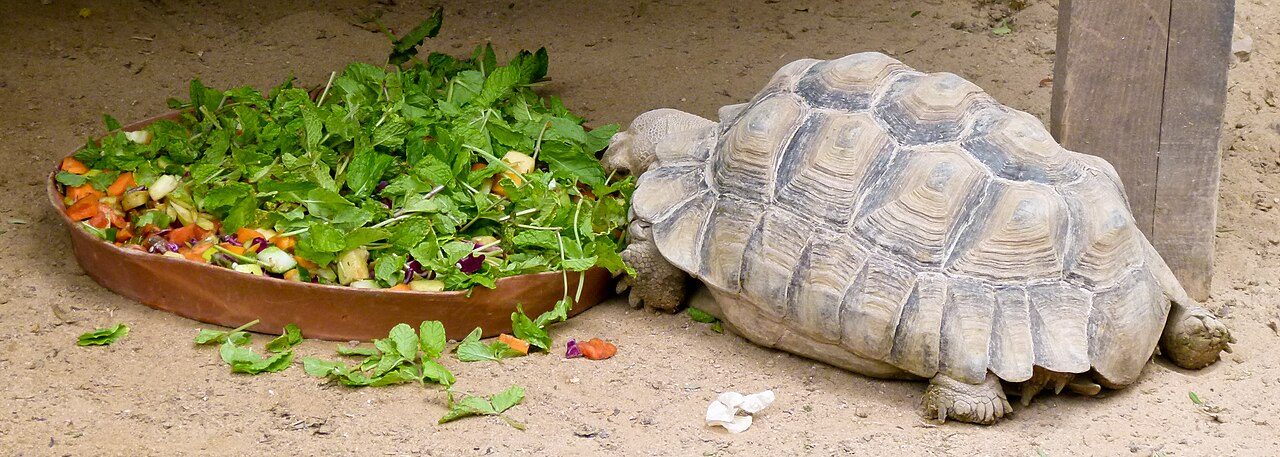
A major part of any sulcata tortoise care guide focuses on the delicate balance of nutrition. These tortoises are specialized grass-eaters, and their digestive systems are designed for high-fiber, low-protein foods.
In the wild, they spend the majority of their day grazing on tough, dried grasses and weeds. Replicating this diet in captivity is the best way to prevent rapid, unhealthy growth and internal organ stress.
Avoid feeding large amounts of “wet” vegetables like iceberg lettuce or fruits. These items lack the fiber necessary for proper gut motility and can cause chronic diarrhea or bloom of harmful parasites.
Pro Tip: Supplement your tortoise’s diet with a high-quality calcium powder twice a week. This is especially important for growing hatchlings to ensure their bones and shell develop sufficient strength.
Managing the Calcium-to-Phosphorus Ratio
The calcium-to-phosphorus ratio in their food should ideally be 2:1. Calcium is the building block of the shell, while phosphorus can inhibit its absorption if present in too high a concentration.
Greens like dandelion, mulberry leaves, and hibiscus flowers are excellent choices. They provide the necessary nutrients while maintaining a safe mineral balance for the tortoise.
You should also be wary of oxalates found in plants like spinach or beet greens. Oxalates bind to calcium, making it unavailable to the tortoise and potentially leading to kidney stones or shell issues.
Hydration and Shell Health
While they are desert animals, hydration is a critical pillar of tortoise health. Hatchlings, in particular, are prone to dehydration, which is a leading cause of early mortality and shell pyramiding.
Pyramiding is the abnormal upward growth of the shell scutes, resulting in a bumpy appearance. While genetics play a small role, it is primarily caused by low humidity and chronic dehydration during the first few years of life.
Soaking your tortoise in shallow, lukewarm water for 15 to 20 minutes several times a week is highly recommended. This encourages them to drink and helps them expel urates, which are waste products from the kidneys.
Identifying Healthy Urates
When a tortoise urinates, you may notice a white, creamy substance. These are urates, and their consistency is a great indicator of the animal’s hydration status.
If the urates are soft and like toothpaste, the tortoise is likely well-hydrated. If they are gritty or hard like small stones, it is a sign that you need to increase the frequency of soaks and improve humidity.
Monitoring these waste products allows you to catch potential health issues before they become severe. Consistent hydration supports kidney function and ensures the tortoise can process its high-fiber diet efficiently.
Preventing Metabolic Bone Disease
One of the most serious threats to a tortoise is Metabolic Bone Disease (MBD). This condition occurs when the tortoise does not receive enough calcium or UVB light, causing the body to pull calcium from the bones and shell.
MBD leads to soft shells, deformed limbs, and a general inability to move or eat properly. It is a painful condition that often results from a lack of research into a proper sulcata tortoise care guide.
If you notice a softening of the shell or “rubber jaw,” seek veterinary care immediately. These are signs of serious calcium deficiencies that require professional intervention.
| Maintenance Task | Frequency | Why It Matters |
|---|---|---|
| Fresh Water Replacement | Daily | Prevents bacterial growth and makes sure hydration. |
| Soaking (Juveniles) | 3-4 Times Weekly | Prevents pyramiding and kidney issues. |
| Enclosure Spot Clean | Daily | Removes waste and old food to prevent pests. |
| Calcium Supplementation | 2-3 Times Weekly | Supports shell and bone development. |
| UVB Bulb Replacement | Every 6-12 Months | UVB output decays even if the bulb still glows. |
Sulcata tortoises are surprisingly intelligent and can learn to recognize their keepers. They often associate certain people with food and may even follow you around the yard.
However, they are not “social” animals in the way dogs or cats are. They do not need a companion and, in many cases, keeping two males together will lead to aggressive fighting and injury.
If you choose to keep multiple tortoises, help you have a massive area with plenty of visual barriers. This allows each animal to establish its own territory without constant conflict.
Handling and Stress
While it is tempting to pick up your tortoise, most do not enjoy being lifted off the ground. This can cause significant stress, which may lead to a weakened immune system over time.
It is better to interact with them at their level. Sit on the ground and offer a piece of hibiscus or a rose petal to build trust without causing the animal to feel vulnerable.
Always wash your hands before and after handling any reptile. Like many animals, tortoises can carry salmonella, so maintaining good hygiene is essential for both your health and theirs.
A few common questions About Sulcata Tortoise Care
How big will my sulcata tortoise get?
Adult males can grow up to 30 inches in length and weigh over 100 to 150 pounds. Females are slightly smaller but still reach significant sizes that require outdoor housing.
Can I keep a sulcata tortoise in an aquarium?
While a large glass tank might work for a very young hatchling for a few months, it is generally discouraged. Aquariums have poor ventilation and do not offer enough floor space for this active species.
What is the best substrate for a sulcata?
For indoor hatchlings, a mix of organic topsoil and cypress mulch works well to hold humidity. For outdoor adults, natural grass and dirt are ideal, provided the area is free of pesticides.
Why is my tortoise’s shell bumpy?
Bumpy growth, known as pyramiding, is usually caused by a combination of low humidity and a diet that is too high in protein. Improving hydration and fiber intake can help new growth come in smoother.
Do sulcata tortoises hibernate?
No, sulcata tortoises do not hibernate. Because they are from tropical Africa, they require warm temperatures year-round. If you live in a cold climate, you must provide a heated indoor space for the winter.
Final Thoughts on Raising Sulcatas
Following a sulcata tortoise care guide is a commitment to a living legacy. These animals are resilient, unusual, and capable of forming a unique bond with their keepers over many decades.
The biggest factor lies in the details: high-fiber grazing, consistent UVB exposure, and maintaining proper hydration. If you respect their specialized needs, you provide them with the best chance at a long and healthy life.
Whether you are starting with a tiny hatchling or adopting a mature adult, the rewards of making sure a sulcata are immense. They are the giants of the tortoise world, and with the right care, they will be a part of your family for a lifetime.

- 2003First tank
- 20+Years keeping
- 40+Tanks kept
- 0Sponsored picks
Howard set up his first 10-gallon planted tank in 2003 and lost half of it within six weeks. Two decades and more than forty aquariums later, he writes the guides he wished he had then: clear numbers, the reasons behind them, and what actually goes wrong in home tanks.