Sulcata Tortoise Enclosure Ideas – Build a Thriving Habitat
Effective sulcata tortoise enclosure ideas focus on providing vast space, high-quality UVB lighting, and controlled thermal gradients. Successful habitats utilize hygroscopic substrates and secure outdoor grazing areas to promote healthy shell development and longevity.
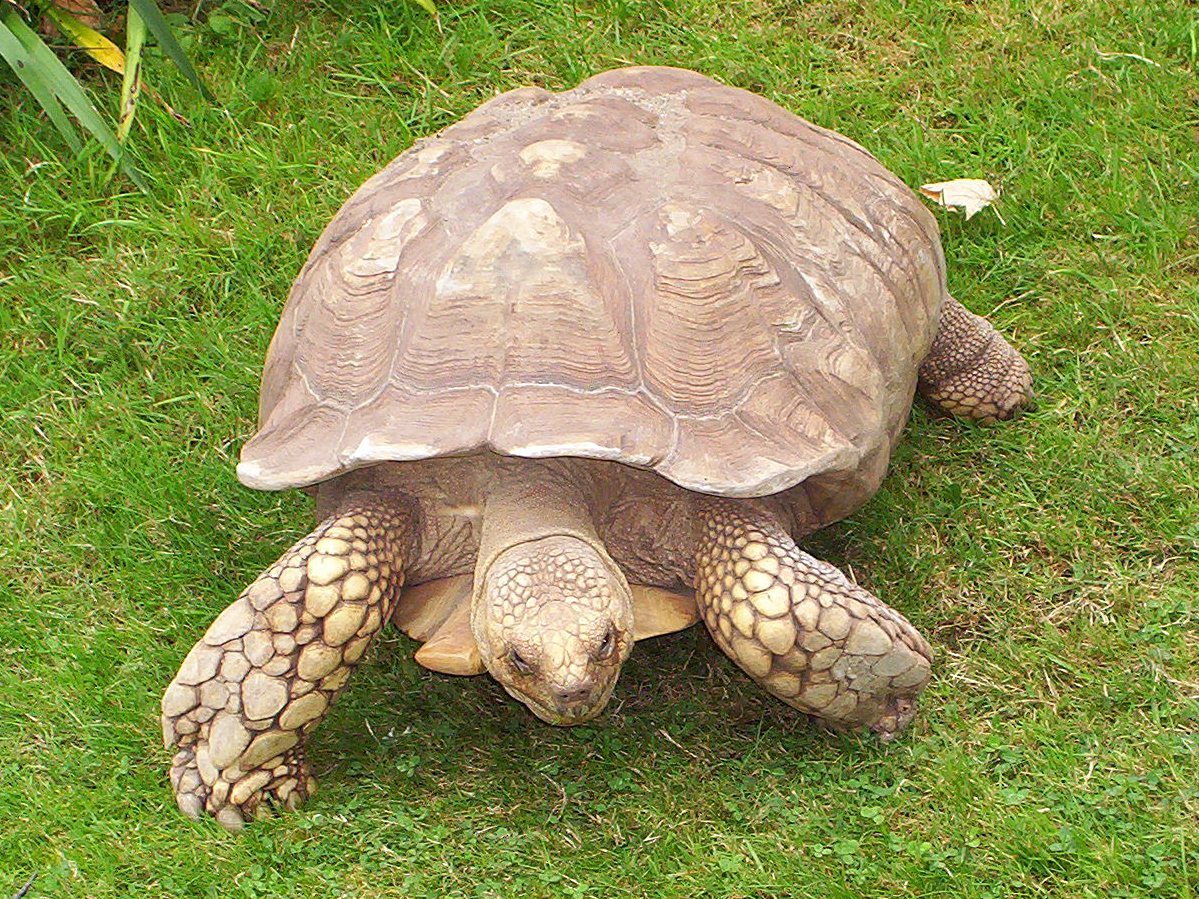
The African spurred tortoise, scientifically known as Centrochelys sulcata, is a giant among land-dwelling reptiles. Because they can grow to weigh over 100 pounds, planning their habitat requires a blend of creativity and heavy-duty engineering.
When exploring various sulcata tortoise enclosure ideas, keepers must prioritize the animal’s physical needs over aesthetic appeal. These tortoises are active foragers and powerful diggers that require specialized environments to stay healthy throughout their long lives.
Whether you are starting with a hatchling or managing a massive adult, the enclosure must facilitate natural behaviors. Proper housing is the most significant factor in maintaining a healthy shell and ensuring overall well-being.
At a glance: Sulcata tortoise (Centrochelys sulcata)
- Temperature
- Basking 95–100°F (35–38°C)
- Adult size
- 24–30 in shell (60–76 cm)
- Enclosure
- Outdoor pen for adults
- Group size
- Alone
- Temperament
- Docile, strong diggers
- Diet
- Herbivore: grasses, hay, weeds, low-sugar greens
- Lifespan
- 70+ years
Keeper’s tip: Adults outgrow any indoor enclosure; plan for a secure outdoor pen early.
Essential Concepts for Sulcata Tortoise Enclosure Ideas
Creating a functional habitat begins with understanding the scale of the project. Unlike smaller species, a sulcata will eventually outgrow almost any standard commercial terrarium within its first few years of life.
The primary goal is to replicate the arid and semi-arid environments of sub-Saharan Africa. This involves balancing high daytime temperatures with specific humidity levels to prevent dehydration and shell deformities.
Effective sulcata tortoise enclosure ideas often involve “thinking outside the box” by repurposing large items or building custom structures. Space is the most valuable resource you can provide to this roaming species.
Indoor vs. Outdoor Considerations
For most keepers, a combination of indoor and outdoor housing is necessary depending on the tortoise’s age and the local climate. Young tortoises are often kept indoors to protect them from predators and environmental extremes.
Adults, however, almost always require a permanent outdoor setup due to their sheer size and strength. A mature sulcata can easily walk through drywall or push over flimsy indoor furniture.
Managing the Thermal Gradient
A thermal gradient is critical for cold-blooded reptiles to regulate their body temperature. This means one side of the enclosure should be significantly warmer than the other, allowing the tortoise to move as needed.
In a large enclosure, this gradient is easier to maintain. You should aim for a basking spot of around 95-100°F, while the cooler end remains in the high 70s or low 80s.
Pro Tip: Use a high-quality proportional pulse thermostat to manage your heating elements. This device makes sure temperatures remain stable without the “on-off” fluctuations that can stress your tortoise.
Creative Indoor Enclosure Ideas for Juveniles
While hatchlings are small, they grow rapidly, requiring owners to update their sulcata tortoise enclosure ideas frequently. Standard glass aquariums are generally discouraged because they restrict airflow and don’t provide enough floor space.
One popular idea is the “tortoise table,” which is essentially a large, shallow wooden box. This setup allows for excellent ventilation and makes it easy to mount the necessary lighting and heating fixtures.
Another cost-effective option is using a heavy-duty plastic stock tank or a large “tuff tub.” These are durable, easy to clean, and provide the footprint needed for a growing juvenile to exercise.
Utilizing Hygroscopic Substrates
The choice of bedding is vital for humidity retention, which is a major factor in preventing scute pyramiding. A hygroscopic substrate, such as coco coir or a topsoil and sand mix, helps maintain moisture levels.
Keeping the lower layers of the substrate damp while the surface remains dry mimics the natural burrows these tortoises use in the wild. This microclimate is essential for healthy growth during the first five years of life.
Lighting and Heat for Indoor Setups
Indoor tortoises rely entirely on artificial sources for their physiological needs. You must provide a high-output UVB 10.0 T5 HO bulb to facilitate D3 synthesis and calcium absorption.
For supplemental heat, a deep heat projector is an excellent choice. These provide infrared-A and infrared-B, which penetrate deep into the muscle tissue, much like the natural sun.
| Equipment Type | Function | Best For |
|---|---|---|
| UVB 10.0 T5 HO | Vitamin D3 Synthesis | Daytime Lighting |
| Deep Heat Projector | Deep Tissue Warming | Basking Areas |
| Radiant Heat Panel | Ambient Background Heat | Nighttime/Hidden Areas |
| Pulse Thermostat | Temperature Regulation | All Heat Sources |
Outdoor Sulcata Tortoise Enclosure Ideas for Adults
Transitioning a sulcata to an outdoor lifestyle is a milestone for any keeper. Outdoor sulcata tortoise enclosure ideas must focus on security, as these animals are remarkably strong and capable of escaping.
The perimeter of the enclosure should be made of solid materials like cinder blocks or pressure-treated wood. It is often recommended to bury the fencing at least 12 to 24 inches underground to prevent the tortoise from digging out.
A large outdoor space also allows the tortoise to graze naturally. This reduces the workload for the owner and provides the high-fiber diet necessary for preventing preventing bone disease.
Building a Secure Night Box
Even in warmer climates, an adult sulcata needs a dedicated “night box” or shed. This structure should be insulated and equipped with a radiant heat panel to keep the tortoise warm during cool nights.
The night box acts as a safe retreat from predators and extreme weather. It should be large enough for the tortoise to turn around comfortably and have a sturdy, lockable door.
Planting for Foraging and Shade
A well-designed outdoor enclosure includes edible landscaping. Planting spineless cactus like Opuntia humifusa provides both hydration and essential nutrients.
You should also include large bushes or low-hanging trees to provide natural shade. Sulcatas will often spend the hottest part of the day resting in these shaded spots to avoid overheating.
Pro Tip: Avoid using “see-through” fencing like chain link at the tortoise’s eye level. If they can see through a barrier, they will spend all day trying to push through it, often causing shell abrasions.
Advanced Features for Modern Enclosures
As your expertise grows, you can incorporate more advanced sulcata tortoise enclosure ideas to improve the quality of life for your pet. One such feature is the inclusion of a “mud wallow” or a shallow soaking pool.
Sulcatas enjoy occasional soaking, which helps with hydration and bowel movements. The pool should have a very shallow, non-slip entry to ensure the tortoise can easily get in and out without flipping over.
Another great addition is a variety of terrain levels. Adding small mounds of dirt or large, flat rocks encourages climbing and helps keep their nails worn down naturally.
Monitoring with Technology
Modern keepers often use smart technology to monitor their habitats. WiFi-enabled thermometers and hygrometers allow you to check the conditions of the enclosure from your phone.
This is especially useful for outdoor night boxes during the winter. You can set alerts to notify you if the temperature drops below a safe threshold, ensuring your tortoise stays warm and healthy.
Visual Barriers and Enrichment
Large enclosures can sometimes feel empty, but adding visual barriers can make the space feel larger to the tortoise. Large logs, boulders, and clusters of hardy plants break up the line of sight.
This encourages the tortoise to explore and “patrol” its territory. Enrichment can also include “food puzzles,” such as hanging a head of lettuce just out of reach to encourage stretching and movement.
Safety Measures and Common Pitfalls
When implementing sulcata tortoise enclosure ideas, safety must always come first. The most common mistake is underestimating the strength of a motivated adult tortoise.
Make sure all electrical wiring for heating and lighting is completely inaccessible to the tortoise. They are curious animals and may try to bite or pull on loose cables, leading to dangerous situations.
Another pitfall is the use of small pebbles or gravel as substrate. Sulcatas are prone to accidental ingestion, which can lead to life-threatening intestinal impaction.
Preventing Escapes and Predation
While adults have few natural predators, hatchlings and juveniles are vulnerable to birds, raccoons, and even neighborhood dogs. Indoor enclosures or outdoor pens with secure wire lids are mandatory for younger tortoises.
For adults, the main threat is their own ability to bulldoze through weak spots in a fence. Regularly inspect the perimeter for signs of digging or loose boards that might give way under pressure.
Managing Waste in Large Habitats
A large tortoise produces a significant amount of waste. When designing your enclosure, consider how easy it will be to spot-clean and remove soiled substrate or uneaten food.
In outdoor enclosures, a well-planted area can help manage some waste through natural decomposition. However, regular manual cleaning is still required to maintain a hygienic environment.
Common questions About Sulcata Enclosures
How much space does an adult sulcata really need?
An adult should ideally have at least 50 to 100 square feet of outdoor space. If you are keeping them indoors, a dedicated room or a very large custom-built pen is necessary.
Can I keep two sulcatas in the same enclosure?
It is generally not recommended, especially for two males. They are territorial and can be very aggressive, often leading to injuries or constant stress for the submissive individual.
What is the best flooring for an indoor enclosure?
A mix of organic topsoil and coconut coir is excellent. It holds moisture well to support humidity but provides a stable footing for the tortoise to walk on.
Do I need a permit for a sulcata enclosure?
This depends on your local laws. Some regions have restrictions on large tortoises or require specific permits, so always check with your local wildlife agency before choosing these tortoises as pets.
How often should I change the UVB bulbs?
Most T5 HO bulbs should be replaced every 6 to 12 months. Even if the bulb still looks bright, the UVB output degrades over time and will eventually become ineffective.
Final Thoughts on Habitat Design
Implementing the right sulcata tortoise enclosure ideas is a long-term commitment that evolves as the tortoise grows. If you focus on space, thermal regulation, and safety, you create a foundation for a pet that can live for many decades.
Remember that a happy sulcata is an active one. Providing a stimulating environment with plenty of room to roam and graze will help your tortoise remains a healthy and impressive part of your household for years to come.
Whether you are building a simple tortoise table or a complex outdoor sanctuary, the effort you put into the habitat is the greatest gift you can give your reptile companion.

- 2003First tank
- 20+Years keeping
- 40+Tanks kept
- 0Sponsored picks
Howard set up his first 10-gallon planted tank in 2003 and lost half of it within six weeks. Two decades and more than forty aquariums later, he writes the guides he wished he had then: clear numbers, the reasons behind them, and what actually goes wrong in home tanks.