How to Get Crystal Clear Aquarium Water – Step-by-Step Tips
To get crystal clear aquarium water, combine fine mechanical filtration with chemical media like activated carbon, maintain a strict water change schedule, and help your biological filter is fully cycled to prevent bacterial blooms.
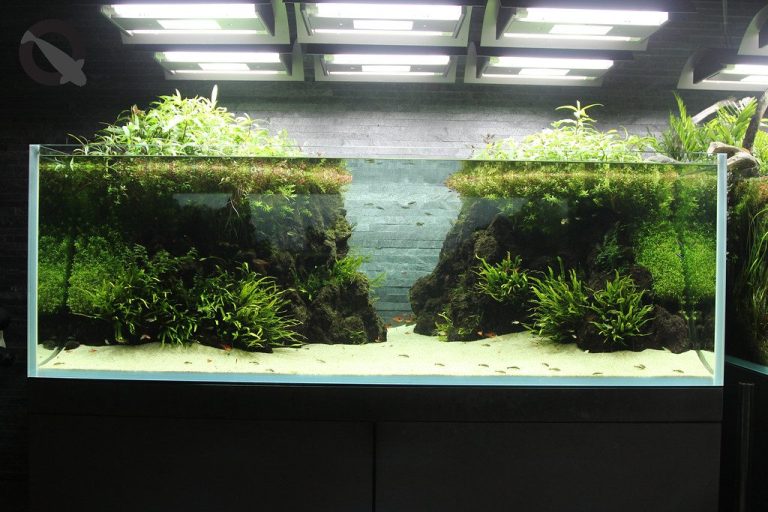
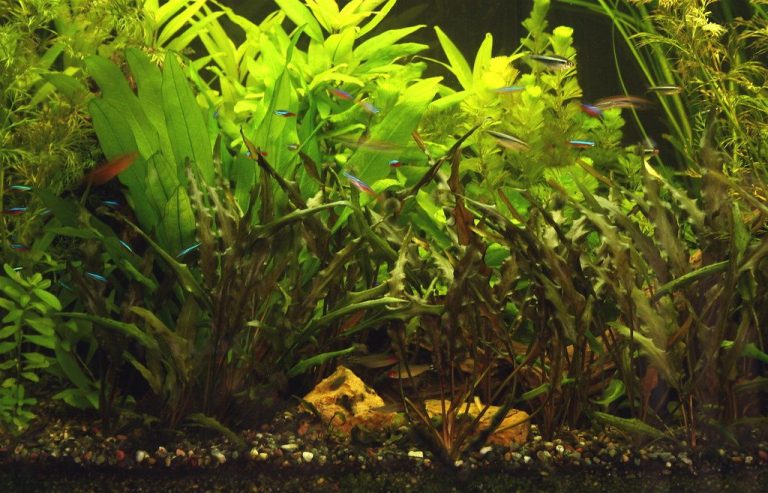
Achieving that “fish floating in air” look is the ultimate goal for many aquarists. While a healthy tank doesn’t always have to be perfectly transparent, a high level of clarity often indicates a well-balanced ecosystem.
Pristine water quality boosts the colors of your fish and the vibrancy of your plants. It also provides a better viewing experience, allowing you to notice the small details of your aquatic world.
Understanding the factors that influence water transparency is the first step toward improvement. This guide explores the various methods and tools used to eliminate cloudiness and yellow tints effectively.
Understanding the Three Pillars of Clarity
To master the art of maintaining a transparent environment, one must look at the three types of filtration: mechanical, biological, and chemical. Each plays a specific role in removing different types of “cloudiness” from the water column.
Mechanical filtration removes physical debris, such as uneaten food and fish waste. Biological filtration handles invisible toxins like ammonia and nitrites through the nitrogen cycle.
Chemical filtration targets dissolved substances that color the water or create odors. When all three systems work in harmony, the result is a polished, healthy environment for your livestock.
Pro Tip: Always prioritize biological stability before chasing perfect clarity. A tank that is “too clean” too quickly can sometimes crash its beneficial bacteria colony, leading to dangerous ammonia spikes.
Common Causes of Cloudy Aquarium Water
Identifying the root cause of your water issues is essential before applying a solution. Not all cloudiness is the same, and using the wrong treatment can sometimes make the problem worse.
White or milky water is often a sign of a heterotrophic bacterial bloom. This usually happens in new tanks or after a significant disruption to the biological filter.
Green water is caused by an explosion of single-celled algae. This typically results from an imbalance between light duration and nutrient levels in the water column.
| Cloudy Water Type | Primary Cause | Recommended Fix |
|---|---|---|
| White/Milky Cloud | Bacterial Bloom | Time, Aeration, and Stability |
| Green Tint | Algae Bloom | UV Sterilization or Blackout |
| Yellow/Brown Tint | Tannic Acid Leaching | Activated Carbon or Purigen |
| Grey/Dusty Particles | Suspended Detritus | Fine Micron Polishing Pads |
How to Get Crystal Clear Aquarium Water with Mechanical Polishing
Mechanical filtration is your first line of defense against floating debris. Standard sponges catch large pieces of waste, but they often let microscopic particles pass right through.
To achieve superior clarity, you need to incorporate micron filter polishing pads into your filter tray. These dense pads are designed to trap even the tiniest fragments of dust and organic matter.
Because these pads are so fine, they can clog rapidly. It is important to place them as the final stage of your filtration so that larger debris is caught by coarse sponges first.
Utilizing Diatomaceous Earth Filtration
For those seeking the absolute highest level of clarity, diatomaceous earth filtration is a powerful option. Diatom filters use a powder made of fossilized remains of diatoms to screen out particles as small as one micron.
This method is typically used as a temporary “polishing” treatment rather than a permanent filter. It can clear a murky tank in just a few hours, leaving the water looking like glass.
However, these filters require careful setup and maintenance. They are highly effective at removing even certain types of parasites and free-floating algae cells from the water.
Managing Substrate and Detritus
Substrate choice significantly impacts water clarity. Fine sands or specialized plant soils can release dust if they are not thoroughly rinsed or if they are disturbed by bottom-dwelling fish.
Using a gravel vacuum during your regular water changes helps remove trapped detritus. If waste accumulates in the substrate, it eventually breaks down into fine particles that stay suspended.
Maintaining a clean substrate prevents these particles from being kicked up into the water column. This simple maintenance step is often overlooked but is vital for long-term clarity.
Chemical Filtration and Adsorption Techniques
Sometimes, water looks cloudy even when there are no physical particles. This is often due to dissolved organic compounds (DOCs) that accumulate over time from fish waste and decaying plant matter.
Chemical media works through a process called activated carbon adsorption. Carbon has microscopic pores that trap dissolved contaminants, odors, and yellowing agents.
Carbon is highly effective, but it has a limited lifespan. Once the pores are filled, it can no longer clean the water and must be replaced, usually every three to four weeks.
The Power of Macroporous Synthetic Polymers
A modern alternative to carbon is a macroporous synthetic polymer, such as Seachem Purigen. Unlike carbon, these resins specifically target nitrogenous organic waste.
They excel at removing the tints caused by tannic acid leaching from driftwood. They can also be “regenerated” using a bleach solution, making them a cost-effective choice for many hobbyists.
Using these resins provides a level of clarity that carbon alone often cannot match. They help control ammonia and nitrates by removing the organic waste before it has a chance to break down.
Using Flocculation Agents
If you have extremely fine particles that refuse to settle, flocculation agents can help. These liquid water clarifiers work by clumping small particles together into larger masses.
Once these particles are clumped, they become heavy enough to sink or large enough to be caught by your mechanical filter. This is a “quick fix” that works best when paired with fine filter floss.
Be cautious when using these chemicals in tanks with sensitive invertebrates. Always follow the dosage instructions precisely to avoid stressing your livestock.
Pro Tip: When using a flocculant, make sure you have strong surface agitation. The clumping process can sometimes temporarily reduce oxygen levels, so extra aeration is a smart safety measure.
Biological Solutions and Advanced Equipment
A healthy biological filter is the foundation of clear water. When your beneficial bacteria are stable, they outcompete the “bad” bacteria that cause cloudy blooms.
Maintaining a high aquarium plant biomass can also help. Plants absorb excess nutrients that would otherwise fuel algae growth or bacterial explosions.
In high-tech setups, specialized equipment can take water polishing to the next level. These tools are designed to handle specific issues that standard filters might miss.
Ultraviolet Germicidal Irradiation
An ultraviolet (UV) sterilizer is one of the most effective tools for combating green water and pathogens. It works through ultraviolet germicidal irradiation, which destroys the DNA of free-floating organisms.
As water passes through the UV chamber, algae cells and harmful bacteria are neutralized. This does not affect the beneficial bacteria living on your filter media or substrate.
UV sterilizers are excellent for maintaining consistent clarity in tanks with high light levels. They provide an extra layer of protection against sudden algae outbreaks.
Protein Skimming in Saltwater and Freshwater
While protein skimming is a staple in marine tanks, the concept of removing organics before they decompose is universal. Skimmers use air bubbles to lift organic molecules out of the water and into a collection cup.
In freshwater, traditional skimmers are less effective due to surface tension differences. However, surface skimmers can be used to remove the oily film that often accumulates at the top of the tank.
Removing this surface film improves gas exchange and allows more light to penetrate. This simple addition can significantly improve the “top-down” clarity of your aquarium.
A Comprehensive Maintenance Schedule for Pristine Results
Consistency is the secret to getting and keeping your water clear. Use the following checklist to make sure you are covering all the necessary steps for a polished tank.
| Frequency | Maintenance Task | Impact on Clarity |
|---|---|---|
| Daily | Remove uneaten food | Prevents organic buildup |
| Weekly | 25% Water change and vacuum | Reduces dissolved wastes |
| Bi-Weekly | Clean glass and intake pre-filters | Improves visual transparency |
| Monthly | Replace filter floss and carbon | Removes trapped fine particles |
| Quarterly | Deep clean filter housing/pipes | Maintains best flow rates |
Troubleshooting Persistent Cloudiness
If you have tried the steps above and your water is still not clear, you may need to look deeper. Sometimes, small mistakes in daily care can counteract your filtration efforts.
Overfeeding is the most common culprit for chronic cloudiness. Any food that isn’t eaten within two minutes will break down and feed the very bacteria and algae you are trying to avoid.
Check your stocking levels as well. A tank that is over capacity produces more waste than the filtration can reasonably handle, leading to a permanent “haze” in the water column.
Evaluating Your Source Water
The quality of the water you add during changes matters. If your tap water contains high levels of phosphates or silicates, you may be inadvertently feeding algae blooms.
Using a high-quality water conditioner is part of standard biosecurity measures to protect your tank. In some cases, switching to Reverse Osmosis (RO) water can solve persistent clarity issues.
RO water is stripped of all minerals and contaminants. By remineralizing it yourself, you have total control over what enters your aquarium environment.
The Impact of Driftwood and Decor
Natural driftwood is a beautiful addition to many tanks, but it is a major source of tannic acid leaching. This can turn your water a tea-like brown color.
While tannins are beneficial for many tropical fish, they clash with the goal of “crystal clear” water. Boiling the wood for several hours before adding it can help remove a large portion of these acids.
If the wood is already in the tank, using specialized resins is your best bet. These resins will pull the color out of the water without removing the beneficial properties of the wood.
Quick checklist
- Stock slowly, a few fish at a time, so the filter bacteria can keep up with the extra waste.
- Fill different levels of the tank: top dwellers, mid-water schools and bottom dwellers spread the bioload and reduce competition.
- Buy from shops with clean tanks and healthy fish; ask how long new stock has been in store.
- Choose tank mates by water needs first (temperature, pH, hardness), then by temperament and size.
Reader questions About Achieving Crystal Clear Water
Why is my water cloudy after a water change?
This is usually caused by air bubbles or disturbed substrate. If you pour water in too quickly, it can kick up fine silt and debris that takes several hours to settle back down.
Can I use too much activated carbon?
Generally, you cannot “overdose” on carbon, but using excessive amounts is unnecessary. It is more important to replace a small amount regularly than to use a massive amount that stays in the tank for months.
How long does a bacterial bloom last?
A typical heterotrophic bacterial bloom lasts between 48 hours and a week. The best approach is to wait it out rather than performing massive water changes, which can actually prolong the bloom.
Will a UV sterilizer kill my beneficial bacteria?
No, the beneficial bacteria responsible for the nitrogen cycle live on surfaces like your filter media and substrate. They are not free-floating, so they do not pass through the UV chamber.
Is clear water always “healthy” water?
Not necessarily. Water can be crystal clear but contain lethal levels of ammonia or nitrites. Always use a liquid test kit to verify the chemical safety of your water, regardless of how clear it looks.
Final Thoughts on Maintaining a Polished Aquarium
Learning how to get crystal clear aquarium water is a journey of understanding the balance between your livestock and your filtration. It requires a combination of the right tools and a disciplined maintenance routine.
By integrating fine mechanical polishing, high-quality chemical resins, and ensuring a sturdy biological cycle, you can achieve professional-level results. Patience is often the most important tool in an aquarist’s kit.
Keep your glass clean, your filters maintained, and your feeding habits in check. With these steps, you will enjoy a beautiful, transparent view into your aquatic world for years to come.

- 2003First tank
- 20+Years keeping
- 40+Tanks kept
- 0Sponsored picks
Howard set up his first 10-gallon planted tank in 2003 and lost half of it within six weeks. Two decades and more than forty aquariums later, he writes the guides he wished he had then: clear numbers, the reasons behind them, and what actually goes wrong in home tanks.