Metabolic Bone Disease In Tortoise – The Essential Guide
Metabolic Bone Disease (MBD) in tortoises is a debilitating and often irreversible condition caused by inadequate calcium, insufficient vitamin D3, or improper UVB exposure, leading to severe bone and shell deformities.
As dedicated aquarists and animal enthusiasts, we strive to provide the best possible care for our well-loved pets, whether they swim in our tanks or roam their enclosures. While “Successful Aquarium” primarily focuses on aquatic life, the principles of creating a flourishing, healthy environment extend beyond water to encompass all pet husbandry. Today, we’re diving into a critical topic for many reptile keepers: metabolic bone disease in tortoise. This is a condition that, in my experience, is tragically common but entirely preventable with the right knowledge and commitment.
Understanding MBD is essential for any tortoise owner. It’s not just a minor ailment; it’s a systemic failure that can lead to immense suffering and a significantly shortened lifespan. My goal here is to equip you with the deep understanding needed to prevent this devastating disease or to recognize its signs early for effective intervention.
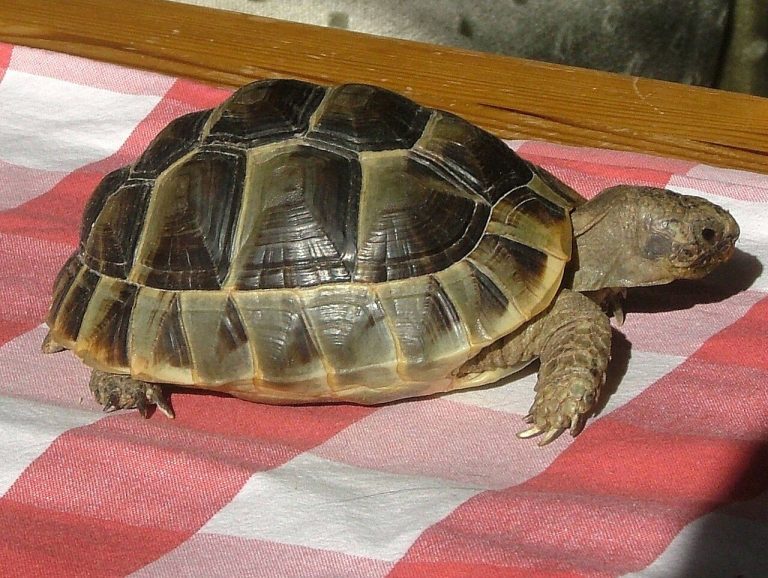
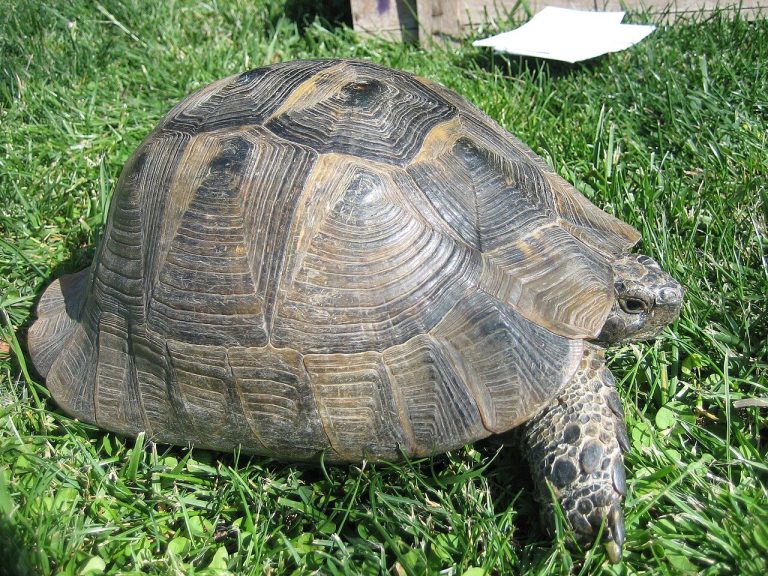
At a glance: Tortoises (general) (Family Testudinidae)
- Temperature
- Basking 90–100°F by species
- Adult size
- 4–30 in shell by species
- Enclosure
- Large enclosure or outdoor pen
- Group size
- Usually alone
- Temperament
- Docile
- Diet
- Herbivores: weeds, grasses, leafy greens
- Lifespan
- 40–100+ years
Keeper’s tip: UVB lighting and calcium are essential for healthy shell growth in indoor tortoises.
Understanding Metabolic Bone Disease in Tortoises
Metabolic Bone Disease, often abbreviated as MBD, is a complex and progressive nutritional disorder that affects the skeletal system of tortoises. It’s not a single disease but rather a syndrome resulting from an imbalance in the key elements required for proper bone formation and maintenance: calcium, phosphorus, and vitamin D3.
When these elements are out of whack, the tortoise’s body can’t properly calcify its bones and shell. Instead, the bones remain soft or become demineralized, leading to a host of painful and often disfiguring symptoms. This condition can manifest as secondary nutritional hyperparathyroidism, where the parathyroid glands overcompensate for low calcium by leaching it from the bones.
What Actually Happens to the Bones?
At a cellular level, MBD causes the bones to lose their density and structural integrity. Instead of strong, rigid bone tissue, the body might produce softer, fibrous tissue to try and compensate, a condition known as fibrous osteodystrophy. This leaves the tortoise’s skeleton weak and prone to fractures.
In severe cases, the bones can become incredibly pliable, resembling rubber. This is particularly noticeable in the shell, which can become soft and malformed, a condition sometimes referred to as osteomalacia in adults or rickets in growing juveniles. The underlying issue is often profound hypocalcemia, a dangerously low level of calcium in the blood.
Pro Tip: Early Detection is Key
In my years of keeping various animals, I’ve learned that subtle behavioral changes often precede visible physical symptoms. If your tortoise seems less active, has a decreased appetite, or struggles with movement, don’t wait for shell deformities to appear. Consult a vet immediately. Early intervention significantly improves prognosis for conditions like metabolic bone disease in tortoise.
The Root Causes of Metabolic Bone Disease in Tortoise
MBD is almost always a result of improper husbandry, meaning the way the tortoise is cared for. There are several primary culprits, often working in conjunction, that lead to this debilitating condition.
Inadequate Calcium-to-Phosphorus Ratio
This is arguably the most critical dietary factor. Tortoises require a specific calcium-to-phosphorus ratio in their diet, ideally around 2:1 or even higher (e.g., 4:1 calcium to phosphorus). Many common greens and vegetables are high in phosphorus and low in calcium.
When phosphorus levels are too high relative to calcium, it binds with calcium, making it unavailable for absorption. This imbalance tricks the body into thinking it’s not getting enough calcium, triggering the parathyroid hormone to draw calcium from the bones, weakening them over time.
Insufficient UVB Radiation Exposure
UVB light is absolutely non-negotiable for most tortoise species. It’s essential for the synthesis of vitamin D3 in their skin. Specifically, UVB radiation converts a precursor molecule, 7-dehydrocholesterol, into pre-vitamin D3, which then isomerizes into active vitamin D3, or cholecalciferol.
Without adequate UVB, tortoises cannot produce enough vitamin D3 internally. This vitamin is key because it facilitates the absorption of dietary calcium from the gut into the bloodstream. Even if your tortoise is eating a calcium-rich diet, without vitamin D3, that calcium simply passes through its system unabsorbed, leading directly to MBD.
Lack of Dietary Vitamin D3 Supplementation
While natural UVB is ideal, sometimes a tortoise’s diet needs supplemental vitamin D3, especially for indoor tortoises or those with limited access to unfiltered sunlight. However, it’s a delicate balance; too little is problematic, but too much can also be toxic. Supplementation should always be done carefully and ideally under veterinary guidance.
Poor Diet and Nutritional Deficiencies
A diet lacking in calcium-rich foods or consisting primarily of nutrient-poor options is a direct pathway to MBD. Many commercial tortoise foods alone are not sufficient. Tortoises need a varied diet of appropriate leafy greens, weeds, and grasses. Avoid feeding fruits excessively, as they often have poor calcium-to-phosphorus ratios and can lead to other health issues.
For more detailed information on feeding your tortoise, you might find our guide on African Sulcata tortoise diet helpful, as many principles apply broadly to other herbivorous species.
Recognizing the Signs of Metabolic Bone Disease
Identifying MBD early is essential for successful treatment and preventing irreversible damage. The symptoms can vary depending on the severity and duration of the disease, but many are quite distinctive.
Shell Deformities
One of the most noticeable signs is abnormal shell growth. This can include a soft, spongy, or pliable shell, especially in juveniles. The shell might also become misshapen, with an uneven texture or bumps.
A common symptom is scute pyramiding, where the individual scutes (the plates covering the shell) become raised and pyramid-shaped instead of remaining smooth and flat. While often linked to humidity issues, severe pyramiding can also be a sign of MBD or rapid, unnatural growth due to an inappropriate diet.
Limb and Jaw Abnormalities
The bones in the limbs can become weak, leading to bowing, swelling, or even fractures from minor trauma. The tortoise may appear reluctant to move or struggle to lift itself off the ground. The jaw can also be affected, becoming soft and receding, sometimes referred to as “rubber jaw,” making it difficult for the tortoise to eat.
Behavioral Changes
Affected tortoises often show a significant decrease in activity levels. They may become lethargic, lose their appetite, and exhibit weakness. Tremors or twitching can also occur, particularly during severe calcium deficiencies or hypocalcemia.
Common Mistake: Assuming Sunlight is Enough
Many new tortoise owners mistakenly believe placing their enclosure near a window provides adequate UVB. Glass filters out almost all beneficial UVB rays. Your tortoise needs direct, unfiltered sunlight or a high-quality, coil or mercury vapor UVB bulb that is replaced regularly (every 6-12 months, depending on the manufacturer) because UVB output diminishes over time, even if the bulb still emits visible light.
Diagnosis and Early Intervention
If you suspect your tortoise has MBD, the first and most important step is to consult a veterinarian experienced in reptile care. They can provide an accurate diagnosis and develop a tailored treatment plan.
Veterinary Examination
A vet will perform a thorough physical examination, checking the shell for softness, examining the limbs for deformities or swelling, and assessing the jaw. They will also inquire extensively about your tortoise’s diet, lighting, and general husbandry.
Diagnostic Tests
To confirm MBD, your vet may recommend blood tests to check calcium and phosphorus levels. X-rays are also invaluable, as they can reveal bone density, fractures, and deformities that aren’t visible externally. In advanced cases, the bones may appear translucent on an X-ray due to severe demineralization.
Treatment Strategies for Metabolic Bone Disease
Treating MBD involves addressing the underlying causes and providing supportive care to help the tortoise recover. The extent of recovery often depends on the severity of the disease when diagnosed.
Correcting Husbandry
This is the cornerstone of treatment. Immediate changes to diet and lighting are essential. This includes providing appropriate general tortoise husbandry: a proper UVB light source, correct temperatures, and a suitable diet with adequate calcium.
Dietary Adjustments and Supplementation
The diet must be immediately improved to make sure a high calcium-to-phosphorus ratio. This means offering a variety of calcium-rich greens like collard greens, turnip greens, dandelion greens, and timothy hay. Calcium powder without D3 (unless specifically advised by your vet) should be dusted onto food daily.
Vitamin D3 supplementation, in the form of oral drops, might be prescribed by your vet, especially if the tortoise has severe MBD or is unable to synthesize D3 effectively. However, precise dosing is critical to avoid vitamin D toxicity.
Supportive Care
In severe cases, a tortoise may require injectable calcium or fluids to stabilize its condition. Pain management may also be necessary if fractures or severe discomfort are present. The tortoise’s environment should be made as comfortable and accessible as possible, perhaps with softer bedding to prevent further injury to weakened limbs.
Prevention is Key: Ensuring a Healthy Future
Preventing metabolic bone disease in tortoise is far easier and more humane than treating it. It boils down to providing a species-appropriate environment and diet from day one.
Ideal Diet and Nutrition
A varied diet of leafy greens, weeds, and grasses should form the bulk of your tortoise’s meals. Always ensure a positive calcium-to-phosphorus ratio. Here’s a quick comparison of good vs. bad food choices:
| Category | Good Examples (High Ca:P Ratio) | Avoid/Feed Sparingly (Poor Ca:P Ratio or Oxalates) |
|---|---|---|
| Leafy Greens | Collard greens, turnip greens, dandelion greens, mustard greens, endive, escarole | Spinach, kale (high oxalates), iceberg lettuce (low nutrition) |
| Weeds/Forage | Dandelion, plantain, clover, mallow, hibiscus leaves | Lawn grasses treated with pesticides, toxic plants |
| Other | Timothy hay, orchid flowers, edible flowers | Fruits (high sugar, low Ca:P), peas, corn, cat/dog food |
Supplement daily with a high-quality calcium powder (plain calcium carbonate) dusted on food. A multivitamin supplement containing preformed vitamin D3 can be used 1-2 times a week, but always make sure it’s specifically formulated for reptiles and follow dosage instructions carefully.
Proper UVB Lighting and Heat
Provide a high-quality UVB bulb that emits adequate UVB rays, vital for 7-dehydrocholesterol conversion to cholecalciferol. This bulb should cover a significant portion of the enclosure and be positioned at the correct distance according to the manufacturer’s recommendations. Replace UVB bulbs every 6-12 months, even if they still light up, as their UVB output degrades.
Maintaining appropriate ambient and basking temperatures is also vital for proper digestion and metabolic function. A basking spot allows the tortoise to absorb heat efficiently, which aids in vitamin D3 synthesis and calcium metabolism.
Environmental Enrichment and Hydration
A spacious enclosure with appropriate substrate, hiding spots, and opportunities for exercise contributes to overall health. Don’t forget the importance of hydration; providing a shallow water dish for soaking and drinking is essential. I’ve found that providing regular tortoise baths can significantly help with hydration, especially for species prone to dehydration.
FAQ: Your Questions About Tortoise MBD Answered
What is the main cause of metabolic bone disease in tortoises?
The primary cause is an imbalance in calcium, phosphorus, and vitamin D3, most commonly due to a diet lacking sufficient calcium, inadequate exposure to UVB light (which helps synthesize vitamin D3), or insufficient vitamin D3 supplementation.
Can a tortoise recover from MBD?
Partial recovery is possible, especially if caught early. Bone density can improve, and some deformities may lessen. However, severe skeletal deformities, particularly shell pyramiding, are often irreversible. Lifelong diligent care is required to prevent recurrence.
How often should I give my tortoise calcium?
A plain calcium carbonate supplement should be dusted onto your tortoise’s food daily or almost daily. A calcium supplement with D3 should be given less frequently, typically 1-2 times a week, as advised by your vet or product instructions, to prevent vitamin D toxicity.
What type of UVB bulb is best for tortoises?
Broad-spectrum UVB bulbs designed for reptiles are essential. Mercury vapor bulbs (MVB) provide both heat and UVB, while fluorescent tube bulbs provide UVB but require a separate heat source. The specific strength and distance depend on your tortoise species and enclosure size. Always research your specific tortoise’s needs.
Can MBD be passed from one tortoise to another?
No, MBD is a non-contagious nutritional and environmental disease. It’s caused by husbandry deficiencies, not by an infectious agent. However, if multiple tortoises are kept under the same improper conditions, they could all develop MBD independently.
Conclusion: A Commitment to Lifelong Health
Dealing with metabolic bone disease in tortoise is a serious challenge, but it’s one that can largely be avoided with proper education and consistent care. As responsible keepers, our commitment to providing the correct diet, appropriate UVB lighting, and a suitable environment is essential for our tortoise’s health and longevity.
Once you understand the critical roles of calcium, phosphorus, and vitamin D3, and by proactively addressing their needs, you can make sure your tortoise lives a long, healthy, and happy life. It’s a journey that requires dedication, but the reward of a well-kept pet is immeasurable. Always consult with a qualified reptile veterinarian if you have any concerns about your tortoise’s health.

- 2003First tank
- 20+Years keeping
- 40+Tanks kept
- 0Sponsored picks
Howard set up his first 10-gallon planted tank in 2003 and lost half of it within six weeks. Two decades and more than forty aquariums later, he writes the guides he wished he had then: clear numbers, the reasons behind them, and what actually goes wrong in home tanks.