How To Take Care Of Sulcata Tortoise In Winter
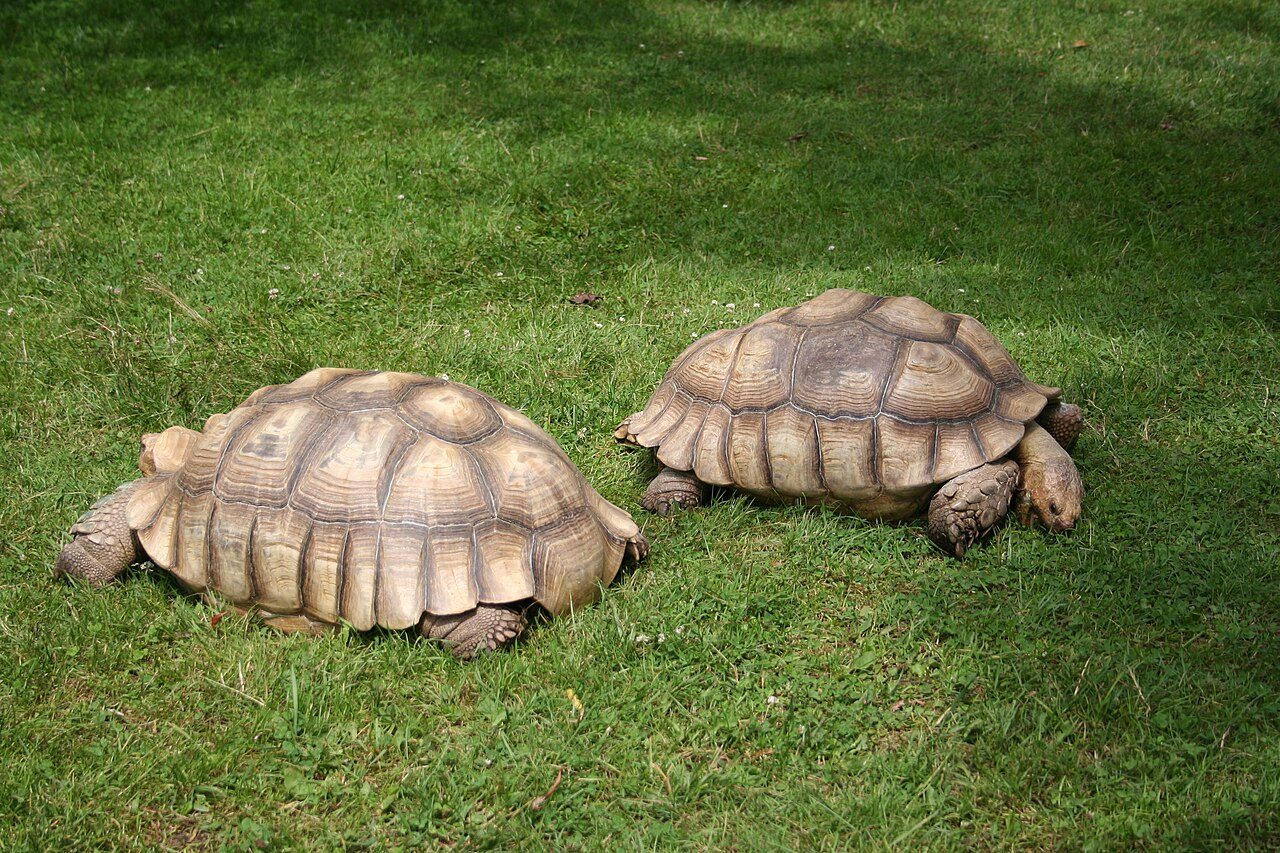
To take care of a Sulcata tortoise in winter, move them to a heated indoor enclosure or insulated shed. Maintain an ambient temperature of 80°F, a 95-100°F basking spot, and provide consistent UVB lighting.
Keeping a Sulcata tortoise is a massive responsibility that only grows as the temperature drops. These African giants do not hibernate, meaning they rely entirely on you to replicate a tropical climate when the frost hits.
In my decade of keeping exotic species, I have seen many keepers struggle when the first cold snap arrives. Learning how to take care of sulcata tortoise in winter is not just about keeping them alive; it is about ensuring they settle in during the darkest months of the year.
If you are transitioning from keeping tropical fish like a Cardinal Tetra to reptiles, you will find that temperature stability is a shared priority. However, the scale of a Sulcata’s needs is significantly larger than a glass tank.
At a glance: Sulcata tortoise (Centrochelys sulcata)
- Temperature
- Basking 95–100°F (35–38°C)
- Adult size
- 24–30 in shell (60–76 cm)
- Enclosure
- Outdoor pen for adults
- Group size
- Alone
- Temperament
- Docile, strong diggers
- Diet
- Herbivore: grasses, hay, weeds, low-sugar greens
- Lifespan
- 70+ years
Keeper’s tip: Adults outgrow any indoor enclosure; plan for a secure outdoor pen early.
The Critical Importance of Heat Management
Sulcata tortoises are ectothermic, meaning their metabolic rate is governed by the temperature of their environment. Unlike some North American species, Sulcatas are native to the Sahel region of Africa and have no biological mechanism for hibernation.
When the mercury falls, their digestive system can actually shut down if they are not kept warm enough. This leads to undigested food rotting in the gut, which can be fatal for your shelled friend.
To prevent this, you must establish a strict ambient temperature gradient within their winter housing. This allows the tortoise to move between warmer and cooler zones to regulate its body temperature effectively.
Pro Tip: The Nighttime Safety Net
I’ve noticed that many keepers forget that temperatures drop most significantly at 3:00 AM. Always use a nocturnal heat emitter like a ceramic heat lamp (CHE) that provides warmth without light, making sure the tortoise stays above 70°F even in the dead of night.
Setting Up the Basking Zone
The most important part of your winter setup is the basking area. This is where your tortoise will spend most of its morning “charging up” its energy for the day.
You should use a high-quality basking bulb that focuses heat into a concentrated spot. I recommend checking the temperature of this spot with an infrared thermometer gun to make sure it hits the 95-100°F range.
If the basking spot is too cold, the tortoise won’t be able to digest its high-fiber diet. If it is too hot, you risk dehydration or even shell burns.
Maintaining Ambient Warmth
While the basking spot is for active warming, the rest of the enclosure must remain comfortably warm. This is where many beginners fail when learning how to take care of sulcata tortoise in winter.
The “cool” side of the enclosure should never dip below 75°F during the day. If you are housing your tortoise in a large shed or garage, you may need heavy-duty space heaters or oil-filled radiators to maintain these levels.
| Zone Type | Ideal Temperature | Primary Equipment |
|---|---|---|
| Basking Spot | 95°F – 105°F | Mercury Vapor Bulb / Halogen |
| Ambient (Day) | 80°F – 85°F | Ceramic Heat Emitters |
| Ambient (Night) | 70°F – 75°F | Radiant Heat Panels |
Lighting and Vitamin D3 Synthesis
During the winter, your tortoise will likely have zero access to natural sunlight. This is a problem because ultraviolet radiation (specifically UVB) is required for the tortoise to produce Vitamin D3.
Without D3, a Sulcata cannot absorb calcium from its food. This leads to a horrific condition known as Metabolic Bone Disease (MBD), which causes soft shells and deformed limbs.
You must provide a high-output UVB tube light that spans at least half the length of the enclosure. These bulbs lose their UV potency long before they actually burn out, so I replace mine every six months.
The Role of Calcium Supplementation
Even with great lighting, winter diets can be a bit lacking in nutrients. I find that calcium supplementation is essential during the months when fresh, sun-grown weeds are unavailable.
Dust their winter greens with a high-quality calcium powder twice a week. This ensures that even if their vitamin D3 synthesis is slightly lower than in summer, they have plenty of minerals to work with.
If you have ever kept a Bristlenose Pleco, you know how important mineral balance is for healthy growth. Tortoises are no different; they just carry their skeleton on the outside.
Managing Substrate Humidity and Hydration
One of the biggest misconceptions about Sulcatas is that they live in a bone-dry desert. In reality, they spend much of their time in humid burrows.
Winter air in most homes is incredibly dry due to central heating. This low substrate humidity can lead to shell pyramidosis, where the scutes grow upward into unnatural peaks.
To combat this, you should use a substrate that holds moisture well, such as coco coir or cypress mulch. Avoid sand or rabbit pellets, as these can cause impaction and offer no humidity benefits.
The Importance of Soaking
In my experience, a weekly soak is the best way to ensure your tortoise stays hydrated during the winter. Use a shallow tub with lukewarm water (around 85°F) and let them sit for 20-30 minutes.
This helps them hydrate through their cloaca and also encourages them to void their bowels. Keeping the digestive tract moving is a key part of how to take care of sulcata tortoise in winter.
Make sure the water doesn’t get cold during the soak. I often use a small heat mat under the soaking tub to keep the water temperature consistent.
Common Mistake: The “Wet and Cold” Trap
Never mist your tortoise or the substrate late in the evening. If the enclosure drops in temperature at night while the substrate is soaking wet, your tortoise is at a high risk for respiratory infections. Always mist in the morning so the heat lamps can evaporate excess surface moisture.
Winter Diet and Nutrition Adjustments
Finding fresh food in January can be a challenge. In the summer, your Sulcata likely grazes on grass and dandelion greens. In the winter, you have to get creative.
Focus on high-fiber grocery store greens like escarole, endive, and radicchio. Avoid spinach and beet greens, as these contain oxalates that can interfere with calcium absorption.
You can also supplement their diet with dried hay or specialized tortoise pellets. I like to soak the pellets in water first to add an extra layer of hydration to their meal.
Monitoring for Behavioral Changes
A healthy Sulcata in winter should still be active and alert. If you notice your tortoise becoming lethargic or refusing to eat for more than two days, check your temperatures immediately.
Low thermal regulation is almost always the culprit for a “slow” tortoise. If the environment is warm but the tortoise is still acting strange, it may be time to consult an exotic animal veterinarian.
Remember that a Sulcata’s health can decline slowly. By the time they look “sick,” the problem may have been brewing for weeks. Regular weigh-ins during the winter can help you track their health.
Transitioning to Indoor Housing
If your tortoise is still small enough to live in a “tortoise table,” winter care is relatively easy. However, for a 100-pound adult, you may need to convert a spare room or a large basement area.
The flooring must be non-slip and easy to clean. Many keepers use heavy-duty pond liners or linoleum to protect their home’s floors from the significant amount of waste a Sulcata produces.
Proper ventilation is also key. While you want to keep the heat in, stagnant air can lead to mold growth in the humid substrate. A small fan or an air exchange system can help keep the air fresh without creating a draft.
how to take care of sulcata tortoise in winter: FAQ
Can I leave my Sulcata outside if I provide a heated dog house?
In some climates, like Southern California or Arizona, this is possible. However, in any area where the ground freezes, the risk is too high. A power failure in the middle of a blizzard could be fatal before you even wake up.
How often should I check the temperatures?
I recommend using a digital thermometer with a “min/max” memory function. This allows you to see exactly how cold it got in the middle of the night. Check these readings daily.
What should I do if my tortoise gets a respiratory infection?
Symptoms include “bubbling” at the nose, gasping, or lopsided swimming/walking. This is a medical emergency. You must increase the ambient heat and see a vet who specializes in reptiles immediately.
Do they need a water bowl in the winter?
Yes, they should always have access to a shallow, heavy water bowl. Just make sure it is not so deep that they could flip over and drown, which is a real risk for larger tortoises.
Is a heat mat better than a lamp?
For Sulcatas, overhead heat is generally better because it mimics the sun. Heat mats can be used for supplemental belly heat, but they must be controlled by a thermostat to prevent shell burns.
Essential Winter Maintenance Checklist
To make things easier, I have compiled a quick checklist you can use to make sure your winter setup is functioning at peak performance.
| Frequency | Task Description |
|---|---|
| Daily | Check basking and ambient temperatures; provide fresh water. |
| Weekly | Soak the tortoise for 20 minutes; stir the substrate to prevent mold. |
| Monthly | Weigh the tortoise; check all electrical connections for wear. |
| Seasonally | Replace UVB bulbs and basking lamps. |
A last word
Understanding how to take care of sulcata tortoise in winter is the difference between a stressed animal and a flourishing companion. If you focus on the ambient temperature gradient, keeping proper vitamin D3 synthesis, and maintaining substrate humidity, you can keep your African giant happy until the spring sun returns.
Just like maintaining a delicate ecosystem for a Neon Tetra, reptile keeping is all about consistency. Check your temps, watch their diet, and enjoy the unique company of these prehistoric wonders.
With the right preparation, the winter months can be a peaceful time of growth for your Sulcata. Stay vigilant, stay warm, and your tortoise will thank you with decades of companionship.

- 2003First tank
- 20+Years keeping
- 40+Tanks kept
- 0Sponsored picks
Howard set up his first 10-gallon planted tank in 2003 and lost half of it within six weeks. Two decades and more than forty aquariums later, he writes the guides he wished he had then: clear numbers, the reasons behind them, and what actually goes wrong in home tanks.