How To Add Oxygen To A Fish Tank Fast – A Practical Guide
To increase oxygen quickly, maximize surface agitation by raising your filter output, adding an air stone, or performing a partial water change with cooler, dechlorinated water to boost gas exchange.
Walking into your fish room and seeing your inhabitants gasping at the surface is every aquarist’s nightmare. This behavior is a clear sign of hypoxia, meaning your tank is suffering from low dissolved oxygen saturation.
When you need to know how to add oxygen to a fish tank fast, there is no time for complex theory. You need immediate, high-impact actions to restore the health of your aquatic ecosystem.
Why Oxygen Levels Plummet
Before we go through the solutions, it is important to understand what is happening in your water column. Aquatic life relies on atmospheric gas exchange occurring at the water’s surface.
When surface agitation is minimal, the water becomes stagnant. This lack of movement prevents carbon dioxide from escaping and fresh oxygen from entering, leading to a dangerous buildup of waste gases.
Furthermore, keep in mind that water temperature solubility plays a major role here. As water temperature rises, its capacity to hold oxygen drops significantly.
| Condition | Oxygen Impact |
|---|---|
| High Temperature | Low oxygen solubility |
| Heavy Bio-load | Increased oxygen consumption |
| Stagnant Surface | Poor gas exchange |
Immediate Steps to Restore Oxygen
If your fish are in distress, you must act decisively. The most effective way to introduce oxygen is to physically disrupt the surface tension of the water.
1. Adjust Your Filter Output
If you use a canister filter or a hang-on-back filter, check the spray bar or output nozzle. Aim it toward the surface so that the water breaks the tension upon reentry.
This creates ripples, which vastly increase the surface area available for gaseous diffusion. In my experience, even a slight adjustment to the angle of the output can make a measurable difference within minutes.
2. Deploy an Air Stone
An air stone connected to an air pump is the classic, reliable solution. The rising bubbles do two things: they create movement and, more importantly, they pull water from the bottom of the tank to the surface.
This vertical circulation ensures that oxygen-rich surface water is distributed throughout the entire tank. It is an essential tool for any emergency, especially if you are managing a planted tank gas exchange issue.
Pro Tip: Make sure your air pump is placed above the water line or uses a check valve. If the power cuts, a low-placed pump can cause a siphon, leading to a flooded floor and an empty tank.
Advanced Techniques for Rapid Saturation
Once you have stabilized the immediate emergency, you might want to consider more permanent strategies. While a venturi nozzle on a powerhead is excellent for high-flow tanks, it can be too aggressive for some delicate species.
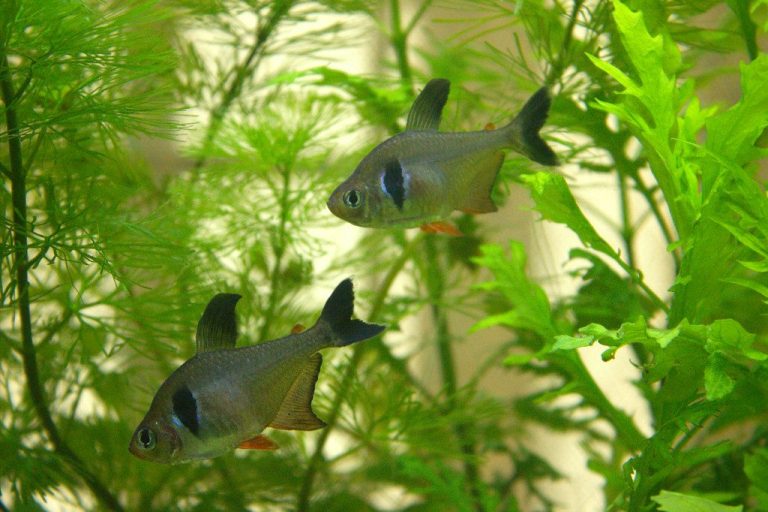
Always monitor how your fish react to increased flow. Species like neon tetras prefer moderate movement, so avoid creating a whirlpool effect that exhausts them.
Water Changes as an Emergency Tool
Performing a partial water change is often the fastest way to “reset” a tank. By replacing a portion of the water with cooler, fresh, dechlorinated water, you are manually introducing oxygen.
Be careful not to change too much water at once, as this can shock your fish. Stick to 20-30% to improve water quality safely.
Troubleshooting Common Obstacles
Sometimes, even with equipment running, oxygen levels stay low. This is often due to an accumulation of organic waste or an oily film on the surface.
This “bio-film” acts as a physical barrier, preventing oxygen from dissolving into the water. Using a protein skimmer or even a simple paper towel laid gently on the surface can help remove this barrier.
Common Mistake: Many beginners think turning off the filter at night helps plants. Actually, plants consume oxygen in the dark, so you must keep your filtration and surface movement running 24/7 to prevent suffocation.
Monitoring and Long-Term Success
To avoid future emergencies, keep a close eye on your tank’s parameters. While dissolved oxygen kits exist, observing your fish is often the most accurate diagnostic tool.
If they are consistently hanging at the top of the tank, it is time to reassess your aeration setup. Help your stocking density is appropriate for your tank size to prevent excessive oxygen demand.
Questions I get asked a lot
How do I know if my fish need more oxygen?
Look for fish gasping at the surface, rapid gill movement, or fish huddled near the filter outflow. These are classic signs of respiratory stress.
Can I have too much oxygen in my tank?
It is very rare to have “too much” oxygen in a standard aquarium. However, extreme aeration can cause bubbles to form on fish skin, which is a different issue entirely.
Does a larger tank need more aeration?
Generally, a larger tank has more surface area for gas exchange, but it also supports more fish. Always prioritize surface agitation regardless of the tank volume.
Final thoughts
Learning how to add oxygen to a fish tank fast is a vital skill for any hobbyist. If you focus on surface agitation and making sure your equipment is working efficiently, you can protect your livestock from avoidable stress.
Keep your filter outputs aimed at the surface, utilize air stones when necessary, and stay vigilant about water quality. With these simple practices, your aquarium will remain a healthy, healthy environment for all its inhabitants.

- 2003First tank
- 20+Years keeping
- 40+Tanks kept
- 0Sponsored picks
Howard set up his first 10-gallon planted tank in 2003 and lost half of it within six weeks. Two decades and more than forty aquariums later, he writes the guides he wished he had then: clear numbers, the reasons behind them, and what actually goes wrong in home tanks.