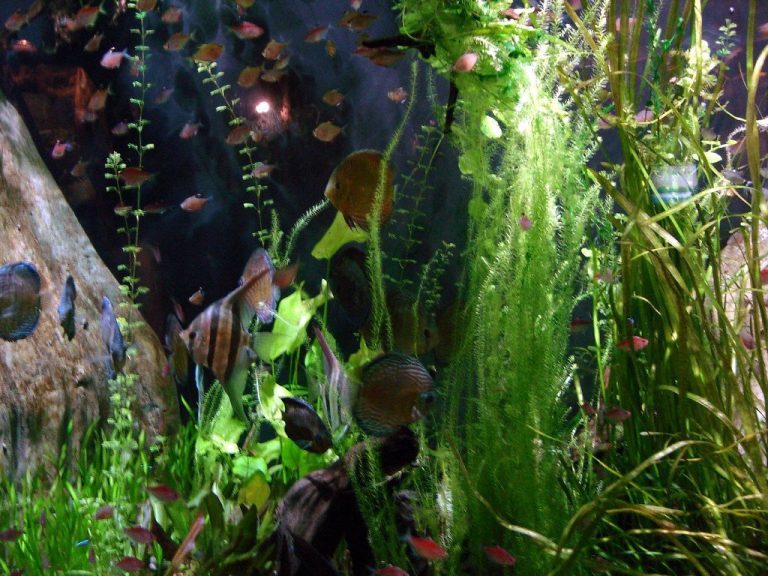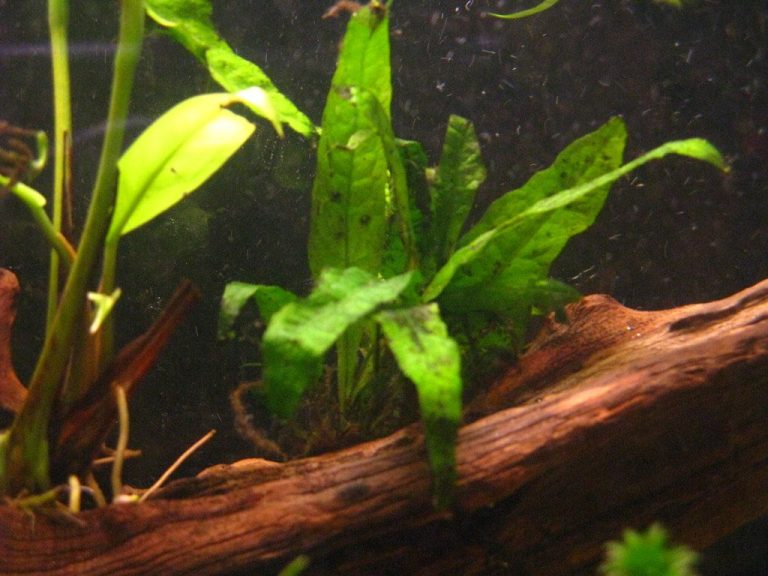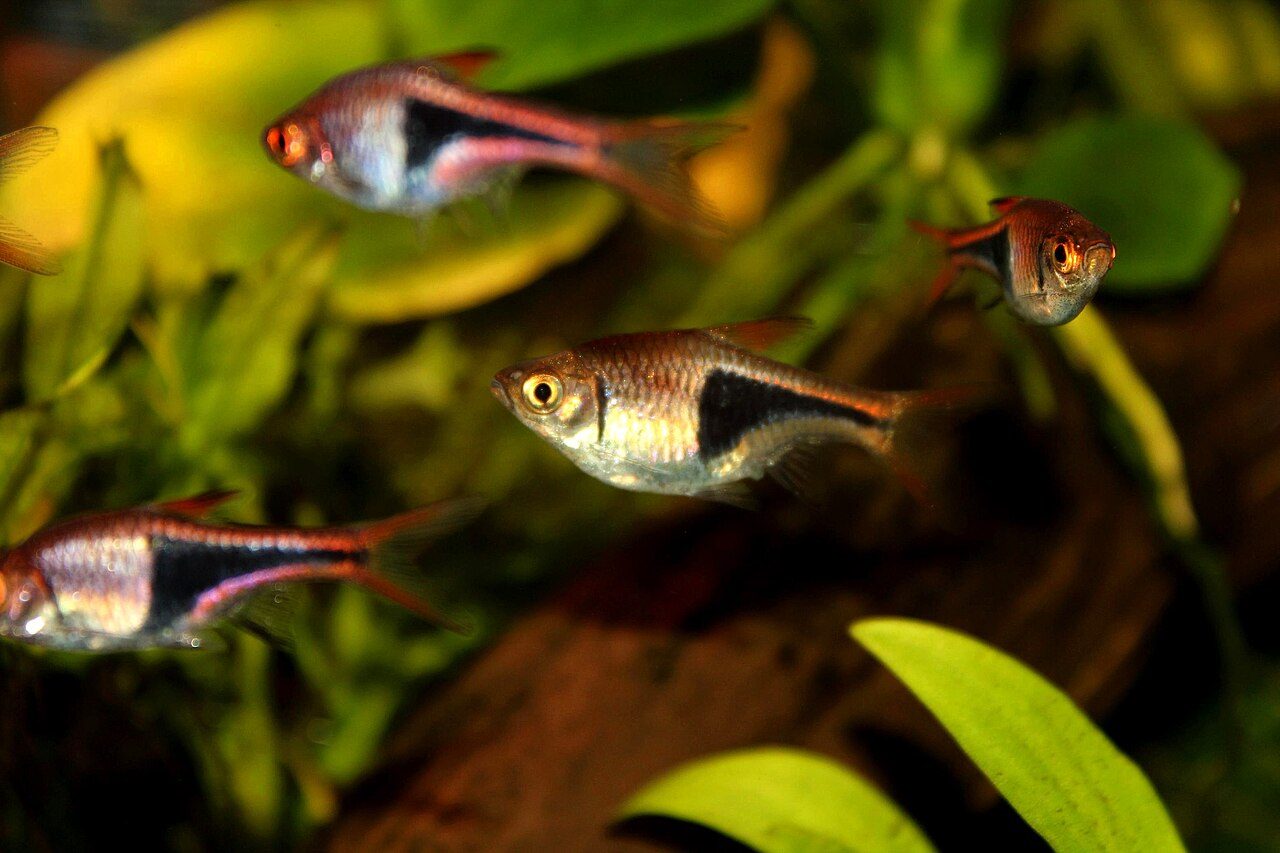
Turning A Fish Tank Into A Terrarium – Causes and Fixes
Transforming an old fish tank into a rich terrarium involves thorough cleaning, creating a proper drainage layer with a false bottom, adding a specialized substrate mix, and carefully selecting plants and a bioactive clean-up crew for a self-sustaining miniature ecosystem.
Aquarium hobbyists often find themselves with an empty tank when a popular aquatic setup is retired or upgraded. Instead of letting that beautiful glass sit idle, there’s a satisfying way to repurpose it: by turning a fish tank into a terrarium. This transformation opens up a whole new world of botanical beauty and offers a unique opportunity to create a miniature, self-sustaining ecosystem right in your home.
As someone who has spent over a decade nurturing both healthy aquariums and leafy terrariums, I can tell you that the principles of creating a balanced environment are remarkably similar. You’re still designing a self-contained world, just swapping water for substrate and fish for flora. Let’s look at how you can give your old tank a magnificent second life.
Why Convert Your Old Aquarium into a Terrarium?
The appeal of a terrarium is undeniable, offering a slice of nature that requires minimal upkeep once established. Repurposing an aquarium for this purpose is environmentally friendly and also incredibly satisfying.
Breathing New Life into Old Glass
An empty aquarium, especially one with a sturdy glass construction, is the perfect vessel for a terrarium. It already has the ideal shape and light transmission. Instead of gathering dust, it can become a focal point of living art.
This conversion prevents a perfectly good tank from being discarded, giving it a new purpose. It’s a sustainable choice that leverages existing resources.
A World of Green, Without the Wet
While we love our aquatic creatures, the daily demands of water parameters, filtration, and water changes can be significant. A well-designed terrarium, particularly a closed or semi-closed system, offers a much lower maintenance alternative. It’s a fantastic way to enjoy well-grown greenery with far less fuss.
You can create an incredibly diverse and bright display with various plants. From delicate mosses to striking tropical foliage, the possibilities are vast.
Choosing the Right Aquarium for Your Terrarium Project
Not every fish tank is equally suited for every type of terrarium, but most will work wonderfully. The key is to assess its condition and size.
Inspecting Your Tank’s Integrity
Before you start, thoroughly inspect your old aquarium. While minor scratches are fine, any significant cracks or chips could compromise the structural integrity or be a safety hazard. Pay close attention to the silicone seals.
Even though it won’t be holding water, a strong seal prevents substrate from escaping. It also maintains the humidity within a closed terrarium environment.
Tank Dimensions and Terrarium Vision
The size and shape of your tank will influence the kind of terrarium you can create. Taller tanks are excellent for plants with vertical growth, while wider tanks allow for more intricate landscaping. A 10-gallon or 20-gallon tank is often a great starting point for beginners, offering ample space without being overwhelming.
Consider the aesthetic you want to achieve. Do you envision a dense jungle, a minimalist moss garden, or something in between? This will guide your plant and decor choices.
Essential Materials and Tools for Your Terrarium Conversion
Gathering all your materials beforehand makes the conversion process smooth and enjoyable. Think of this as building layers, each with a key function.
Building the Foundation: Drainage Layer and Substrate
The foundation of any successful terrarium, especially one converted from a fish tank, is its drainage. This prevents waterlogging, which is a common killer of terrarium plants.
You’ll need materials like LECA (Lightweight Expanded Clay Aggregate), gravel, or lava rock for the drainage layer. An `egg crate diffuser` or a piece of plastic mesh will serve as a `false bottom`, separating the drainage from the substrate. This essential separation prevents the soil from sitting in standing water.
Creating the Bioactive Heartbeat
A `bioactive substrate` is a real improvement for terrariums, mimicking natural ecosystems. It helps to break down waste and maintain overall health.
This substrate usually consists of a mix of organic materials, like coco fiber, sphagnum moss, and orchid bark. Adding `activated charcoal` to this layer helps absorb odors and toxins, keeping the environment fresh. For a bioactive setup, you’ll also need a clean-up crew.
Lighting, Lids, and Little Details
While fish tanks come with lids, you might need to modify yours or acquire a new one. A glass lid is ideal for closed terrariums to maintain high humidity. For open terrariums, a mesh lid might suffice, but humidity control will be a challenge.
You’ll also need appropriate lighting, especially if your terrarium won’t receive sufficient natural light. A full-spectrum LED light is often the best choice for plant growth. Don’t forget a `hygrometer` to monitor humidity levels, a vital parameter for many terrarium plants.
Step-by-Step: Turning a Fish Tank into a Terrarium
This is where the magic happens. Follow these steps to transform your empty aquarium into a healthy green haven.
Thorough Cleaning and Preparation
First, thoroughly clean your fish tank. Remove any residual algae, mineral deposits, or fish waste. I always recommend using white vinegar and a scrubbing pad, followed by a good rinse.
Avoid harsh chemical cleaners, as their residues can be harmful to plants and beneficial microbes. Allow the tank to air dry completely before proceeding.
Installing the Drainage Layer
This layer is critical for preventing root rot. Start by placing an `egg crate diffuser` or plastic mesh at the bottom of the tank. This creates a sturdy `false bottom`.
Next, add a 1-2 inch layer of your chosen drainage material, such as `LECA` or coarse gravel, on top of the false bottom. This creates a reservoir for excess water.
Adding the Barrier and Substrate
Place a fine mesh screen or landscape fabric directly over the drainage layer. This acts as a barrier, preventing the substrate from mixing with the drainage material.
Now, add a layer of `activated charcoal` (about 0.5-1 inch thick) on top of the mesh. This helps with filtration and odor absorption. Over the charcoal, spread a generous layer of your `bioactive substrate` mix, typically 3-5 inches deep, depending on your tank size and plant choices. Incorporating some chopped `sphagnum moss` into the substrate can also help retain moisture.
Pro Tip: Don’t Skimp on Drainage.
Many beginner terrarium failures stem from inadequate drainage. Always make sure your false bottom and drainage layer are sturdy. If plant roots sit in stagnant water, even the most solid plants will quickly succumb to root rot. It’s better to have too much drainage than not enough.
Planting Your Green Sanctuary
Now for the fun part. Arrange your chosen plants, paying attention to their growth habits and light requirements. Taller plants should go in the back, smaller ones in the front.
Consider using `epiphytes` like Tillandsia or certain orchids, which can be mounted on driftwood or rocks. Use tweezers or long planting tools for precise placement.
Introducing the Clean-Up Crew
For a bioactive terrarium, add a clean-up crew. These beneficial invertebrates, often called microfauna, will break down decaying plant matter and fungi.
Common choices include `Isopoda` (miniature “rolly pollies”) and `Collembola` (springtails). These tiny creatures are essential for maintaining a healthy, self-sustaining ecosystem and preventing mold.
The Final Touches: Lids and Monitoring
Once your plants are in place and your clean-up crew is introduced, mist the terrarium gently. Then, place the lid on the tank.
Use a `hygrometer` to monitor the humidity levels. Adjust ventilation as needed; too much condensation indicates excessive humidity, while dry substrate means it’s too low.
Common Mistake: Overwatering at the Start
It’s tempting to drench your new terrarium, but less is often more. The enclosed nature of a terrarium means water evaporates slowly and recycles. Overwatering leads to stagnant conditions, fungal issues, and root rot. Start with a light misting and observe for a few days before adding more water.
Terrarium Types: Matching Your Vision to Your Tank
Different terrarium types flourish with specific tank characteristics. Understanding these will help you choose plants and design elements.
| Terrarium Type | Description & Ideal Plants | Ideal Tank Features | Maintenance Level |
|---|---|---|---|
| Closed Terrarium | High humidity, self-watering cycle. Ideal for tropical plants (ferns, mosses, Fittonia, small orchids). | Tight-fitting glass lid, good height for vertical growth, any size tank. | Very Low (once established) |
| Open Terrarium | Lower humidity, more airflow. Ideal for succulents, cacti, air plants (Tillandsia), some herbs. | No lid or mesh lid, wide opening for airflow, shallower tanks often preferred. | Low to Moderate (more frequent watering) |
| Semi-Closed Terrarium | Moderate humidity, some airflow. Can combine elements of both. | Loose-fitting lid or lid with small gaps, can be adapted to various tank sizes. | Low to Moderate |
| Bioactive Terrarium | Utilizes a clean-up crew for waste breakdown. Can be closed or open, but closed is often easier to maintain CUC. | Requires a sturdy substrate layer, suitable for CUC. Any tank size. | Very Low (once established) |
Common Mistakes to Avoid When Converting Your Aquarium
Even with the best intentions, it’s easy to stumble into common pitfalls. Learning from others’ experiences can save you a lot of headache.
One frequent mistake is choosing incompatible plants. Don’t mix high-humidity tropical plants with drought-loving succulents. This will inevitably lead to one type of plant struggling or dying.
Another error is using garden soil. Garden soil is often too dense, retains too much water, and can introduce pests or diseases. Always opt for specialized terrarium or potting mixes.
Lastly, resist the urge to over-plant. Give your plants room to grow and allow for good air circulation, even in a closed system. A crowded terrarium can quickly become a breeding ground for mold and fungi.
Maintaining Your Leafy Terrarium Ecosystem
Once established, terrariums are wonderfully low maintenance, but they aren’t entirely hands-off. A little observation goes a long way.
Watering Wisdom
For closed terrariums, watering might only be needed every few weeks or even months. Look for signs of condensation on the glass. If it’s consistently clear, it might be time for a light misting.
Open terrariums will require more frequent watering, similar to house plants. Always check the substrate moisture before adding water.
Light and Temperature Considerations
Most terrarium plants settle in in indirect bright light. Avoid direct sunlight, which can overheat the enclosed space and scorch leaves. If natural light isn’t sufficient, a full-spectrum LED light for 8-12 hours a day will work wonders.
Maintain a stable room temperature, ideally between 65-80°F (18-27°C). Extreme temperature fluctuations can stress plants and disrupt the ecosystem.
Pest and Disease Management
A healthy, bioactive terrarium is less prone to pests. However, always inspect new plants carefully before adding them. If you spot pests, isolate the plant or use natural remedies like neem oil.
Mold or fungus can sometimes appear, especially in new, high-humidity setups. Often, increasing ventilation slightly or introducing more `Collembola` can resolve this. Remove any decaying plant material promptly.
Worth knowing before you start
- Make sure any land animals and fish in a combined setup have compatible temperature and humidity needs.
- Ventilation matters in a closed paludarium; stagnant air leads to mould on the land side.
- In a paludarium, keep water and land sections separated with a solid barrier so soil does not wash into the water.
- Treat the water section like an aquarium: it still needs filtration, cycling and water changes.
Quick answers About Terrarium Conversion
Can any fish tank be turned into a terrarium?
Yes, almost any glass fish tank can be repurposed. The key factors are its structural integrity (no major cracks) and your vision for the terrarium type. Even small 5-gallon tanks make charming terrariums.
Do I need special substrate for a terrarium?
Absolutely. A specialized terrarium substrate or a high-quality potting mix for houseplants, often amended with materials like coco coir, perlite, and bark, is vital. Avoid dense garden soil. A `bioactive substrate` mix is highly recommended for long-term health.
How often do I need to water a terrarium?
For a closed terrarium, very infrequently – sometimes only every few months, if at all. The humidity cycles internally. Open terrariums will need more regular watering, typically every 1-3 weeks, depending on the plant types and environmental conditions.
Can I put animals in my terrarium?
While some terrariums house reptiles or amphibians, the focus of this guide is on plant-only or bioactive setups with microfauna like `Isopoda` and `Collembola`. Adding larger animals requires specific environmental controls and expertise beyond a typical plant terrarium.
What’s the purpose of activated charcoal in a terrarium?
`Activated charcoal` acts as a natural filter. It helps to absorb odors, toxins, and impurities that can accumulate in a closed system, keeping the air and substrate fresh and healthy for your plants.
Before you go
Turning a fish tank into a terrarium is a fantastic way to extend the life of your aquarium equipment and bring a piece of living art into your home. It’s a creative, sustainable, and surprisingly low-maintenance project that offers endless possibilities for botanical exploration. From the careful layering of a `false bottom` and `bioactive substrate` to the selection of bright `epiphytes` and a diligent `clean-up crew`, each step is a satisfying part of creating a well-kept miniature ecosystem.
I’ve found immense joy in these conversions, transforming what was once a bustling aquatic world into a tranquil green sanctuary. With the right materials, a little patience, and the practical advice shared here, you too can successfully create a beautiful and self-sustaining terrarium. Happy planting.
- 2003First tank
- 20+Years keeping
- 40+Tanks kept
- 0Sponsored picks
Howard set up his first 10-gallon planted tank in 2003 and lost half of it within six weeks. Two decades and more than forty aquariums later, he writes the guides he wished he had then: clear numbers, the reasons behind them, and what actually goes wrong in home tanks.