How To Get Rid Of Algae In A Swimming Pool – Causes and Fixes
While this search term often refers to swimming pools, “Successful Aquarium” focuses on aquatic ecosystems in fish tanks. For aquariums, safely getting rid of algae involves understanding water parameters, light, nutrients, and employing specific, fish-safe methods – never pool chemicals.
Welcome, fellow aquarists, to Successful Aquarium! It’s clear you’re searching for solutions to one of the most persistent nuisances in any aquatic environment: algae. While the phrase “how to get rid of algae in a swimming pool” might lead you to expect advice for a backyard oasis, here at Successful Aquarium, our passion and expertise lie firmly in the delicate, bright world of home aquariums.
You might be wondering, why are we talking about swimming pools on an aquarium site? It’s simple: many new hobbyists, faced with a green or brown tank, sometimes wonder if pool-style solutions could be applicable. As someone who has maintained aquariums for over a decade, I can tell you unequivocally that the methods for swimming pools are vastly, dangerously different from those for aquariums. This article will not only guide you on how to effectively get rid of algae in your aquarium but also critically explain why pool chemicals and strategies are a serious threat to your fish and aquatic plants.
Understanding Algae: Pools vs. Aquariums (Why the Differences Matter)
Algae is a natural part of any aquatic ecosystem. In both swimming pools and aquariums, algae stays healthy on light and nutrients. However, the fundamental goals and chemical balances of these two environments are worlds apart.
A swimming pool is designed for human recreation. Its water is treated to be sterile, free of bacteria, viruses, and algae, often through harsh chemical processes. An aquarium, on the other hand, is a living ecosystem. It houses delicate fish, invertebrates, and plants that require a balanced, biologically active environment to settle in.
The Core Challenge: Nutrient Imbalance and Light
In an aquarium, algae growth often signals an imbalance. Too much light, excess nutrients (like nitrates and phosphates), or inconsistent maintenance can all contribute to an algae bloom. Understanding these triggers is the first step toward control.
Pools face similar issues with light and nutrients, but their scale and treatment options are entirely different. The goal in a pool is eradication; in an aquarium, it’s management and balance.
The Ecosystem Divide: Bioload and Water Chemistry
Swimming pools are essentially sterile environments. They lack the complex microbial communities and sensitive inhabitants that define an aquarium. This fundamental difference dictates entirely different approaches to algae control.
The “bioload” – the waste produced by living organisms – is managed very differently. In pools, it’s about disinfection. In aquariums, it’s about beneficial bacteria converting harmful wastes into less toxic forms, a process vital for fish survival.
Why Swimming Pool Algae Solutions Don’t Work (and are Dangerous) for Aquariums
It’s tempting to think that “if it kills algae in a pool, it’ll kill algae in my tank.” This is a dangerous misconception. Pool chemicals are designed for large volumes of water without delicate aquatic life. Introducing them to an aquarium can be lethal.
Chemical Warfare: The Perils of Pool Algaecides
Swimming pools often rely on powerful chemicals to combat algae. These include:
- `Calcium hypochlorite`: Often used as “pool shock,” this powerful oxidizer is incredibly effective at killing algae and bacteria in pools. However, it would instantly poison and kill fish, shrimp, and plants in an aquarium due to its high concentration of chlorine.
- `Quaternary ammonium compounds`: These are common ingredients in many commercial pool algaecides. While effective in pools, they are highly toxic to fish and invertebrates in an aquarium. Even small amounts can cause severe gill damage or death.
- `Copper sulfate pentahydrate`: Copper-based algaecides are very effective against many types of algae in pools. However, copper is extremely toxic to most freshwater invertebrates (like shrimp and snails) and many fish, particularly those with sensitive gills or in soft water. Even trace amounts can be fatal in an aquarium setting.
Pro Tip: Never use any product labeled for “swimming pools” in your aquarium. The chemical formulations are entirely different and designed for environments without living fish, plants, or beneficial bacteria. Always seek out products specifically formulated and labeled as “aquarium safe” or “fish safe.”
Water Chemistry Misalignment: pH, Hardness, and Stability
Pools maintain specific water parameters using chemicals that would wreak havoc in an aquarium:
- `Cyanuric acid`: This chemical is added to outdoor pools to stabilize chlorine, preventing it from breaking down too quickly in sunlight. It has no place in an aquarium and could be harmful to aquatic life.
- `Sodium bicarbonate`: While `sodium bicarbonate` (baking soda) can sometimes be used in small, carefully measured amounts to raise alkalinity and pH in certain aquarium setups, its primary use in pools is for pH buffering on a much larger scale. Using pool-grade amounts or methods would drastically alter aquarium water parameters, stressing or killing inhabitants.
- `Langelier Saturation Index (LSI)`: This index is used in pool maintenance to assess water balance (whether water is corrosive or scale-forming). While aquarists also monitor pH, hardness, and alkalinity, the LSI itself is a specific pool parameter and not directly applicable to aquarium water chemistry management.
Filtration Differences: Diatomaceous Earth and Beyond
Pool filtration systems often use `diatomaceous earth` (DE) as a filter medium. DE filters are incredibly effective at trapping microscopic particles, including algae. While some aquarium filters use fine media, the principle and scale are entirely different. Aquarium filters are designed to house beneficial bacteria, remove mechanical waste, and often provide chemical filtration without stripping the water of essential elements for aquatic life. Using DE in an aquarium filter in the same way as a pool would be impractical and potentially harmful to fish.
How to Get Rid of Algae in Your Aquarium: The Safe and Effective Approach
Now that we’ve established what not to do, let’s go through the safe, effective strategies for controlling algae in your aquarium. This approach focuses on balance, prevention, and targeted interventions that protect your aquatic inhabitants.
Identifying Your Algae Problem (Types of Aquarium Algae)
Before you can tackle algae, you need to know what you’re up against. Common aquarium algae types include:
- Green Spot Algae: Small, circular green spots, usually on glass and slow-growing plant leaves. Often caused by low phosphates or inconsistent CO2.
- Green Hair Algae: Long, stringy green strands. Indicates excess nutrients (nitrates, phosphates) and/or too much light.
- Brown Diatom Algae: A brown film that coats everything. Common in new tanks, usually resolves as the tank matures.
- Black Brush Algae (BBA): Tough, dark tufts, often on plant edges or decor. Can indicate fluctuating CO2 levels or excess organic waste.
- Green Water: The entire tank water turns cloudy green. Caused by a bloom of suspended single-celled algae, usually from too much light and nutrients.
The Foundation: Water Parameters and Testing
Understanding your water chemistry is essential. Regular testing helps you identify imbalances that fuel algae growth. Pay close attention to:
- Nitrates: High nitrates (over 20 ppm) are a prime food source for algae. Regular water changes are key to keeping them in check.
- Phosphates: `Orthophosphates` are another critical nutrient for algae. They can enter your tank through tap water, fish food, or decaying organic matter. Test for phosphates and use phosphate-removing media if levels are consistently high.
- pH, GH, KH: While not direct algae causes, stable parameters contribute to a healthy ecosystem, making inhabitants more resilient to algae stress.
- Temperature: Consistent temperature is important for overall tank health.
Common Mistake: Overfeeding your fish. Excess food breaks down into nutrients that algae absolutely love. Feed small amounts, only what your fish can consume in 2-3 minutes, once or twice a day. This simple change can dramatically reduce nutrient levels.
Mechanical Removal: Your First Line of Defense
This is the quickest way to reduce existing algae.
- Scraping: Use an algae scraper, magnetic cleaner, or razor blade (carefully!) to remove algae from glass.
- Siphoning: During water changes, siphon algae off substrate, rocks, and décor.
- Trimming: Remove heavily algaed plant leaves.
Biological Solutions: The Power of Algae Eaters
Nature provides excellent allies in the fight against algae. Incorporating certain species can be highly effective:
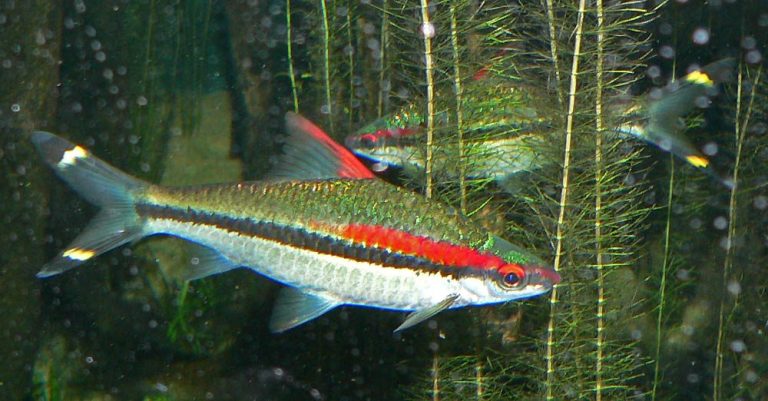
- Siamese Algae Eaters: These active fish are renowned for tackling various algae types, including challenging black brush algae. For a deeper go through their benefits, check out our Siamese Algae Eater Guide.
- Otocinclus Catfish: Small, peaceful, and excellent at cleaning diatoms and green algae from plants and glass. Our Otocinclus Catfish Care Guide offers comprehensive care advice.
- Bristlenose Plecos: Excellent for cleaning hard surfaces, glass, and driftwood.
- Snails: Nerite snails are fantastic algae eaters, consuming diatoms and green spot algae without overpopulating.
Chemical Treatments (Aquarium Safe Options)
While manual removal and biological controls are preferred, sometimes a mild, aquarium-safe chemical treatment can help with severe outbreaks. Always use these sparingly and as a last resort:
- Glutaraldehyde (liquid carbon sources): Products like Seachem Flourish Excel can help control certain algae types (especially BBA) by inhibiting their growth, while also providing a carbon source for plants. Follow dosage instructions precisely.
- Hydrogen Peroxide: Can be spot-treated on stubborn algae, but extreme caution is needed as it can harm fish and plants if overdosed.
- Algaecides: Only use algaecides specifically formulated for aquariums, and understand that they are a temporary fix. They often target free-floating algae and don’t address the underlying cause.
Proactive Algae Prevention in Aquariums: Long-Term Success
The best way to get rid of algae is to prevent it from appearing in the first place. This involves consistent maintenance and understanding the delicate balance of your aquarium.
Light Management: The Sun’s Role and Artificial Lighting
Light is a primary driver of algae growth.
- Photoperiod: Aim for 8-10 hours of light per day for most planted tanks. Too long, and algae does well.
- Intensity: Make sure your lighting is appropriate for your plants. Overly powerful lights can trigger algae if not balanced with nutrients and CO2.
- Natural Light: Avoid direct sunlight on your aquarium. Even indirect sunlight can contribute to algae blooms, especially green water.
Nutrient Control: Feeding, Water Changes, and Plant Biomass
Managing nutrients is vital.
- Water Changes: Regular partial water changes (25-30% weekly) dilute nitrates, phosphates, and other dissolved organic compounds that feed algae.
- Appropriate Feeding: As mentioned, avoid overfeeding.
- Plant Biomass: A healthy population of live aquatic plants competes with algae for available nutrients. The more plants you have, the fewer nutrients are available for algae. Read more about this concept in our article on Aquarium Plant Biomass.
Good Circulation and Filtration
Proper water flow makes sure nutrients are distributed to plants and waste is directed to the filter. Stagnant areas are prime spots for algae to grow. Adequate filtration removes physical debris and processes harmful nitrogenous wastes. A well-maintained filter also helps keep water clear and healthy. Learn more about its importance in our guide on Planted Tank Circulation.
Pool Algae Control vs. Aquarium Algae Control: A Critical Comparison
To reiterate the critical differences, here’s a comparison of common approaches:
| Factor | Swimming Pool Algae Control | Aquarium Algae Control |
|---|---|---|
| Goal | Eradicate all algae and sterilize water for human safety. | Manage algae to maintain ecological balance and aesthetic appeal for aquatic life. |
| Primary Chemicals Used | Chlorine (e.g., `calcium hypochlorite`), `quaternary ammonium compounds` (algaecides), `copper sulfate pentahydrate`, `cyanuric acid` (stabilizer). | No chlorine or heavy metals. Occasionally aquarium-safe glutaraldehyde, hydrogen peroxide (spot treatment), or specialized algaecides. |
| Impact on Life | Designed to kill microorganisms. Highly toxic to fish, plants, and beneficial bacteria. | Methods chosen to be non-toxic to fish, invertebrates, and beneficial bacteria. |
| Filtration System | Heavy-duty systems, often using sand, cartridge, or `diatomaceous earth` filters, for mechanical and chemical treatment. | Biological, mechanical, and chemical filtration designed to support beneficial bacteria and remove waste safely. |
| Water Chemistry Monitoring | Free chlorine, `combined chlorine`, pH, alkalinity, hardness, `cyanuric acid`, `Langelier Saturation Index`, `oxidation-reduction potential` (ORP). | Ammonia, nitrite, nitrate, pH, GH, KH, `orthophosphates`. ORP is rarely monitored by hobbyists. |
| Long-term Strategy | Continuous chemical treatment and filtration to maintain sterility. | Achieve biological balance through proper husbandry, light, nutrients, and stocking. |
Common Mistakes and Pro Tips for Algae-Free Aquariums
Even experienced aquarists can sometimes slip up. Here are some key takeaways:
- Mistake: Neglecting water changes. This is the single biggest factor in rising nutrient levels.
- Pro Tip: Establish a consistent weekly or bi-weekly water change schedule and stick to it.
- Mistake: Leaving lights on too long or having an aquarium in direct sunlight.
- Pro Tip: Use a timer for your aquarium lights to ensure a stable photoperiod.
- Mistake: Overstocking your tank. More fish mean more waste, more nutrients, and more food for algae.
- Pro Tip: Research the adult size and bioload of your fish before purchasing. Follow the “one inch of fish per gallon” rule as a very rough guideline, but always prioritize species-specific needs.
FAQ
Can I use pool chemicals to treat algae in my fish tank?
Absolutely not. Pool chemicals like chlorine, `copper sulfate pentahydrate`, and `quaternary ammonium compounds` are highly toxic to fish, plants, and the beneficial bacteria critical for your aquarium’s ecosystem. Using them will result in the death of your aquatic inhabitants.
What are `orthophosphates` and how do they relate to aquarium algae?
`Orthophosphates` are a form of phosphorus that is readily available for algae to consume. High levels of phosphates, often introduced through tap water, fish food, or decaying organic matter, can fuel significant algae blooms in your aquarium. Testing for phosphates and using phosphate-removing media can help control them.
How often should I clean algae from my aquarium?
Manual algae removal should be part of your weekly maintenance routine. Scrape algae from the glass during water changes and remove any visible patches on decor. Regular cleaning prevents small patches from becoming large outbreaks.
What’s the difference between `plant pearling` and `algae bubbles`?
`Plant pearling` refers to the tiny oxygen bubbles produced by healthy aquatic plants during photosynthesis, which often cling to leaves or rise to the surface. `Algae bubbles`, on the other hand, are typically larger, slimier, and often associated with thick mats of algae, especially during an algae bloom. Understanding this distinction is key to identifying a healthy, healthy tank versus one battling algae. For a detailed guide, check out our article on plant pearling vs algae bubbles.
Putting it all together
Successfully keeping an algae-free aquarium is a hallmark of a knowledgeable aquarist. While the initial search for “how to get rid of algae in a swimming pool” might have led you here, I hope this guide has clearly demonstrated the unique and delicate nature of aquarium ecosystems. Always keep in mind that what works for a swimming pool is detrimental to a fish tank.
Once you understand the causes of algae, practicing diligent maintenance, managing light and nutrients, and leveraging appropriate biological and chemical solutions, you can achieve a healthy, colorful, and algae-managed aquarium. It takes patience and consistency, but the reward of a stable underwater world is worth it.
Keeper’s notes
- Vacuum the substrate in sections, a third of the tank each week, to avoid disturbing all the bacteria at once.
- Nerite snails, otocinclus and amano shrimp help with algae but do not replace regular maintenance.
- Rinse filter media in old tank water, never under the tap; chlorine kills the beneficial bacteria.
- Do not clean the filter and change lots of water on the same day; spread maintenance out.

- 2003First tank
- 20+Years keeping
- 40+Tanks kept
- 0Sponsored picks
Howard set up his first 10-gallon planted tank in 2003 and lost half of it within six weeks. Two decades and more than forty aquariums later, he writes the guides he wished he had then: clear numbers, the reasons behind them, and what actually goes wrong in home tanks.