How to Check for Hard Water – Step-by-Step Guide
To check for hard water, use a liquid GH/KH titration kit for precision or colorimetric test strips for speed. You can also perform a DIY soap suds test or review your local municipal water report.
Understanding the chemical composition of your aquarium water is the foundation of successful fish keeping. Many beginners struggle with mysterious health issues in their tanks, only to realize later that the mineral content was the primary culprit.
Knowing how to check for hard water allows you to tailor your environment to the specific needs of your livestock. Whether you are keeping delicate shrimp or hardy cichlids, water hardness influences everything from osmoregulation to successful molting.
This guide will walk you through the various methods of testing, from simple home observations to high-precision laboratory techniques. By the end, you will have a clear hierarchy of testing options to make sure your aquatic inhabitants do well in the perfect parameters.
Recognizing the Visual Signs of Hard Water
Before you reach for a chemical test kit, your home often provides immediate clues about your water’s mineral content. Hard water is characterized by a high concentration of dissolved minerals, primarily Calcium carbonate (CaCO3) and Magnesium ions (Mg2+).
One of the most common signs is the presence of white, crusty deposits known as limescale. You will often see this buildup on your aquarium lids, filter intakes, and around the rim of the tank where water evaporates.
If you notice that your glassware comes out of the dishwasher looking cloudy or spotted, this is another strong indicator. These spots are mineral residues that remain after the water has dried, suggesting a high General Hardness (GH) level in your tap water.
Pro Tip: If you see white “crust” on your aquarium equipment, do not scrape it directly into the water. Use a cloth soaked in plain white vinegar to dissolve the calcium deposits safely during maintenance.
The DIY Soap Suds Bottle Test
If you need a quick, no-cost way to estimate your water hardness, the soap suds test is a reliable starting point. This method relies on the fact that Magnesium ions (Mg2+) and calcium interfere with the foaming action of soap.
To perform this test, find a clean, empty plastic bottle and fill it about one-third full with the water you wish to test. Add a few drops of basic liquid dish soap, ensuring it is a “pure” soap without added dyes or perfumes.
Cap the bottle tightly and give it a vigorous shake for several seconds. If the water creates a thick layer of bubbles that last, your water is likely soft; if the water becomes cloudy with very few bubbles, you are dealing with hard water.
Interpreting Soap Test Results
When soap reacts with hard water, it forms “soap scum” instead of a rich lather. This occurs because the minerals in the water bind to the soap molecules, preventing them from creating surface tension for bubbles.
While this test won’t give you a specific numerical value, it is a fantastic “red flag” indicator. If your bottle test shows almost no bubbles, you should definitely proceed to more precise testing methods before adding sensitive fish.
how to check for hard water Using Professional Kits
For the serious aquarist, visual clues and soap tests are rarely enough to manage a delicate ecosystem. To understand your parameters, you need a method that provides a quantifiable measurement of Degrees of General Hardness (dGH).
Professional testing kits allow you to distinguish between GH and Carbonate Hardness (KH). While GH measures calcium and magnesium, KH measures the buffering capacity of the water, which stabilizes your pH levels.
Using a high-quality kit helps make sure that you are providing the correct environment for your species. For instance, knowing what water parameters do angelfish need is impossible without a precise reading of these mineral levels.
Liquid Titration Reagents
Liquid test kits are widely considered the gold standard for home aquarium testing. These kits use a titration reagent, which is a chemical solution added drop by drop to a water sample.
You count the number of drops required to trigger a specific color change in the test tube. Each drop typically represents one degree of hardness, making it easy to calculate your tank’s exact mineral profile.
Colorimetric Test Strips
If you are looking for a faster alternative, colorimetric test strips are a popular choice. These strips contain small pads treated with chemicals that react to the minerals in the water.
You simply dip the strip into the aquarium for a second and then compare the resulting color to a chart provided on the bottle. While convenient, they can sometimes be less accurate than liquid tests if the strips are old or exposed to humidity.
| Testing Method | Accuracy Level | Ease of Use | Ideal For |
|---|---|---|---|
| Soap Suds Test | Very Low | Very Easy | Quick home screening |
| Test Strips | Moderate | Easy | Routine monitoring |
| Liquid Titration | High | Moderate | Precision adjustments |
| TDS Meter | Moderate/High | Very Easy | Tracking mineral creep |
Understanding the Hardness Scale
Once you have your results, you need to understand what the numbers actually mean. Water hardness is usually measured in either parts per million (PPM) or Degrees of General Hardness (dGH).
In many parts of the world, municipal reports might use Grains per Gallon (GPG). Converting between these units is essential for following care guides for specific fish or plants.
To convert dGH to PPM, you multiply the degrees by 17.8. For example, a reading of 10 dGH is equivalent to 178 PPM, which is generally considered “hard” water.
The Role of TDS Meters
A Total Dissolved Solids (TDS) meter is a digital tool that measures the electrical conductivity of your water. While it doesn’t exclusively measure hardness, a high TDS reading often correlates with high mineral content.
In an aquarium, TDS is vital for osmoregulation, the process by which fish maintain the balance of fluids in their bodies. If the TDS or hardness is too high for a specific species, it can lead to kidney stress and a shortened lifespan.
Pro Tip: Always calibrate your TDS meter with a standard solution once a month. Even high-end digital meters can drift over time, leading to inaccurate readings that might cause you to over-correct your water chemistry.
Municipal Water Quality Reports (CCR)
If you are using tap water for your aquarium, you have access to a wealth of data through your local government. In many regions, water providers are required to publish an annual Consumer Confidence Report (CCR).
These reports detail the average levels of various minerals and contaminants found in your local supply. You can typically find these by searching for your city’s name followed by “Water Quality Report” online.
Reading a CCR can tell you the average Calcium carbonate (CaCO3) levels in your area. However, keep in mind that these reports reflect the water at the treatment plant, and your home’s pipes can sometimes alter the final result.
Why Hardness Matters for Fish and Plants
Water hardness isn’t just a number; it dictates the biological success of your tank. Different species have evolved to stay healthy in specific mineral concentrations based on their native habitats.
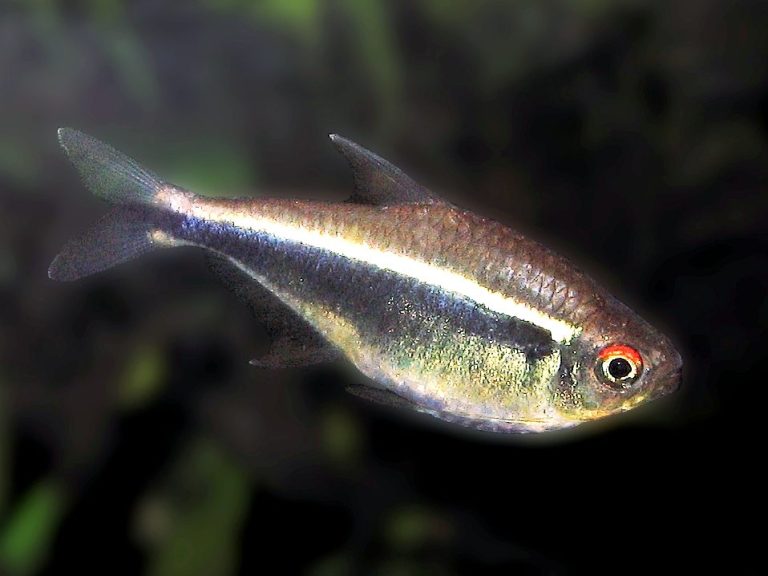
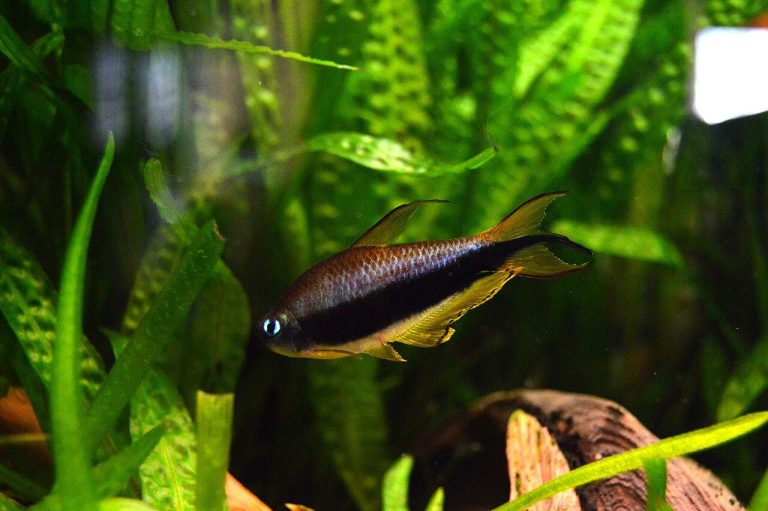
For example, South American species like Tetras often prefer soft, acidic water. Conversely, African Cichlids from the Rift Lakes require very hard water to remain healthy and vivid.
If your water is too hard for your chosen fish, you may need to learn how to reduce water hardness using methods like Reverse Osmosis (RO) filtration. Alternatively, using an ion exchange resin can help target specific minerals for removal.
Hardness and Aquatic Plants
Aquatic plants also react to water hardness. Some species, like Vallisneria, flourish in harder water because they can utilize carbonates for photosynthesis.
Other plants may struggle to absorb nutrients if the water is too hard, leading to stunted growth or yellowing leaves. Achieving crystal clear aquarium water often involves balancing these minerals so both plants and fish can flourish.
Keeper’s notes
- Schooling fish need groups of six or more to feel secure and show natural colours.
- Captive-bred fish usually adapt to home aquariums more easily than wild-caught fish.
- Stock slowly, a few fish at a time, so the filter bacteria can keep up with the extra waste.
- Fill different levels of the tank: top dwellers, mid-water schools and bottom dwellers spread the bioload and reduce competition.
A few common questions About Checking Water Hardness
Can I use a pool test kit for my aquarium?
While some pool kits measure hardness, they are often calibrated for much higher ranges than what is safe for an aquarium. It is always best to use a kit specifically designed for aquatic life to make sure precision.
How often should I check for hard water?
If you use tap water, you should check it at least once a month or whenever you notice a change in your fish’s behavior. Water chemistry can shift seasonally as municipal sources change between different reservoirs or wells.
Is “liquid rock” the same as hard water?
“Liquid rock” is a slang term used by aquarists to describe extremely hard water, usually with a dGH of 20 or higher. This type of water is excellent for certain snails and cichlids but can be lethal for soft-water species.
Does boiling water remove hardness?
Boiling only removes “temporary hardness” (bicarbonates) by causing them to precipitate as scale. It does not remove “permanent hardness” caused by sulfates or chlorides of calcium and magnesium.
Can driftwood change my water hardness?
Driftwood releases tannins which can lower the pH of your water, but it has a negligible effect on the actual GH (General Hardness). To change hardness, you must physically remove or add minerals.
Final Thoughts on Monitoring Your Water Chemistry
Mastering how to check for hard water is a vital skill that separates casual keepers from successful aquarists. If you combine visual observations with precise liquid testing, you gain a deep understanding of your tank’s internal environment.
Remember that stability is often more important than hitting a “perfect” number. Most captive-bred fish are adaptable, but rapid fluctuations in mineral content can cause significant stress.
Regular monitoring allows you to spot trends before they become problems. With the right tools and a consistent testing schedule, you can make sure your aquarium remains a healthy, healthy showpiece for years to come.

- 2003First tank
- 20+Years keeping
- 40+Tanks kept
- 0Sponsored picks
Howard set up his first 10-gallon planted tank in 2003 and lost half of it within six weeks. Two decades and more than forty aquariums later, he writes the guides he wished he had then: clear numbers, the reasons behind them, and what actually goes wrong in home tanks.