Sulcata Tortoise Growth Rate – Care Guide
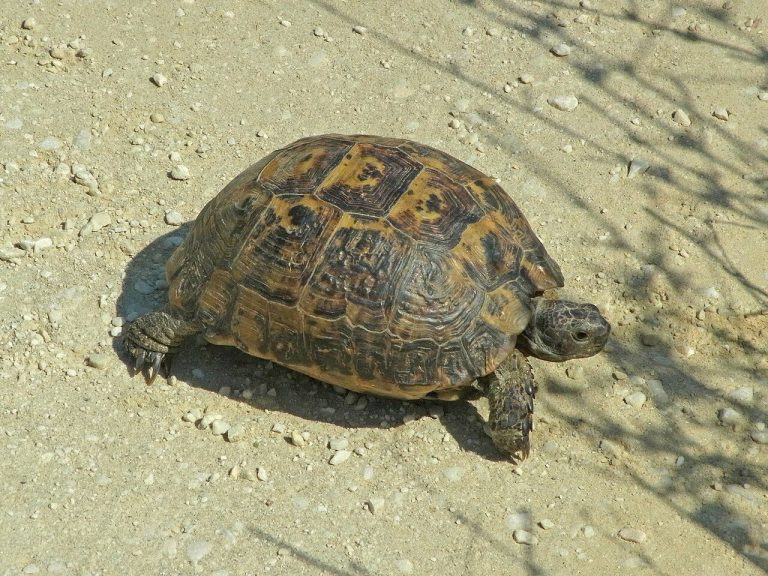
The sulcata tortoise growth rate is primarily driven by diet, hydration, and environmental conditions; these tortoises can grow from a two-inch hatchling to over 100 pounds within a decade of proper care.
At a glance: Sulcata tortoise (Centrochelys sulcata)
- Temperature
- Basking 95–100°F (35–38°C)
- Adult size
- 24–30 in shell (60–76 cm)
- Enclosure
- Outdoor pen for adults
- Group size
- Alone
- Temperament
- Docile, strong diggers
- Diet
- Herbivore: grasses, hay, weeds, low-sugar greens
- Lifespan
- 70+ years
Keeper’s tip: Adults outgrow any indoor enclosure; plan for a secure outdoor pen early.
If you are just starting your journey with a hatchling, you might notice your little friend is surprisingly active. Many aquarists who transition into keeping chelonians are shocked by how quickly these animals can transform from a palm-sized hatchling into a massive, heavy-duty reptile.
Understanding the sulcata tortoise growth rate is not just about keeping a logbook; it is about making sure your tortoise develops a smooth, healthy shell without the pyramid-shaped deformities often caused by poor husbandry. In my experience, the first five years are the most critical for setting the stage for a healthy, long-lived adult.
The Phases of Development
When you bring home a baby, the growth is often slow and steady if provided with a high-fiber, low-protein diet. As they reach the juvenile stage, you will notice a “growth spurt” that can feel almost daily.
During this time, their caloric needs increase significantly, but it is vital to avoid overfeeding protein-rich foods like commercial pellets. Instead, focus on grasses and weeds to keep their development natural.
Pro Tip: Avoid the temptation to “power-feed” your tortoise. Rapid, forced growth often leads to shell pyramiding and long-term skeletal issues that cannot be reversed once they occur.
Factors Influencing Your Tortoise
While genetics play a role, the environment is the true architect of their physical development. Proper UV exposure and hydration are non-negotiable for skeletal health.
If you are currently setting up their environment, you should reference our guide on the ideal habitat setup to help you have the space to accommodate a rapidly growing animal. The following table provides a general estimate of what you can expect during the first decade.
| Tortoise Age | Typical Weight Range | Growth Expectation |
|---|---|---|
| 0–1 Year | 2–6 Ounces | Slow, initial shell hardening |
| 1–3 Years | 1–5 Pounds | Noticeable thickening of scutes |
| 3–7 Years | 10–40 Pounds | Rapid expansion phase |
| 10+ Years | 70–100+ Pounds | Maintenance and maturity |
Nutrition and Hydration Essentials
Diet is the most common factor that hobbyists get wrong. Because they are grazers, their digestive systems are optimized for tough, fibrous plant matter.
If they consume too much fruit or store-bought vegetables, they may grow too fast, leading to soft bones and a misshapen shell. Always prioritize Timothy hay, orchard grass, and various leafy greens.
Hydration is equally important. Even though they are desert animals, babies require high humidity to maintain healthy skin and shell growth. Regular soaking is a must. If you aren’t sure how to do this safely, check out our guide on proper hydration techniques to keep them well-kept.
Identifying Healthy vs. Unhealthy Growth
A common mistake is assuming that “bigger is better.” In reality, a healthy sulcata should have a smooth, flat shell.
If you see bumps or “pyramids” rising from the center of the scutes, it is a sign that the tortoise is growing too quickly or living in an environment that is too dry. I have seen many owners panic at the first sign of this, but it is often manageable by adjusting the humidity levels and diet immediately.
Common Mistake: Many beginners mistake a heavy, dense shell for pure growth. Always feel the shell—it should be firm. A “squishy” shell is a medical emergency indicating Metabolic Bone Disease.
The Importance of Space
As your tortoise grows, the “aquarium” mindset must shift. You cannot keep a 50-pound tortoise in a tank or a small indoor enclosure for long.
They need space to roam, burrow, and exercise their muscles. Without adequate floor space, their activity levels drop, which can negatively impact their metabolism and, consequently, their growth rate.
Questions and answers
Does the sulcata tortoise growth rate slow down after a certain age? Yes, growth typically plateaus significantly after the first 10 to 15 years. While they continue to gain mass and size throughout their lives, it is nowhere near the explosive pace seen during their juvenile years.
Do males grow faster than females? Generally, males tend to grow larger and faster than females. However, individual variations are common, and environmental factors often override gender-based growth differences.
Can I use growth charts to track my tortoise? You can, but treat them as loose guidelines. Every tortoise is an individual, and as long as your pet is active, eating well, and has a smooth shell, minor deviations from a growth chart are usually nothing to worry about.
Is there a way to stunt their growth if I don’t have enough space? Absolutely not. Attempting to restrict growth through food or space limitation is cruel and will lead to severe health complications and organ failure. If you cannot provide the space for a full-grown adult, consider if this is the right pet for your current living situation.
Where that leaves you
Monitoring the sulcata tortoise growth rate is a long-term commitment that spans decades. It requires a deep understanding of their biological needs and a dedication to providing the right environment from day one.
If you focus on fiber-rich nutrition, proper hydration, and adequate space, you make sure that your tortoise grows into a healthy, impressive animal. Enjoy the process of watching them develop—it is one of the most satisfying aspects of being a reptile keeper.

- 2003First tank
- 20+Years keeping
- 40+Tanks kept
- 0Sponsored picks
Howard set up his first 10-gallon planted tank in 2003 and lost half of it within six weeks. Two decades and more than forty aquariums later, he writes the guides he wished he had then: clear numbers, the reasons behind them, and what actually goes wrong in home tanks.