Tortoise Sleeping Guide – Understanding Natural Cycles And Habitat
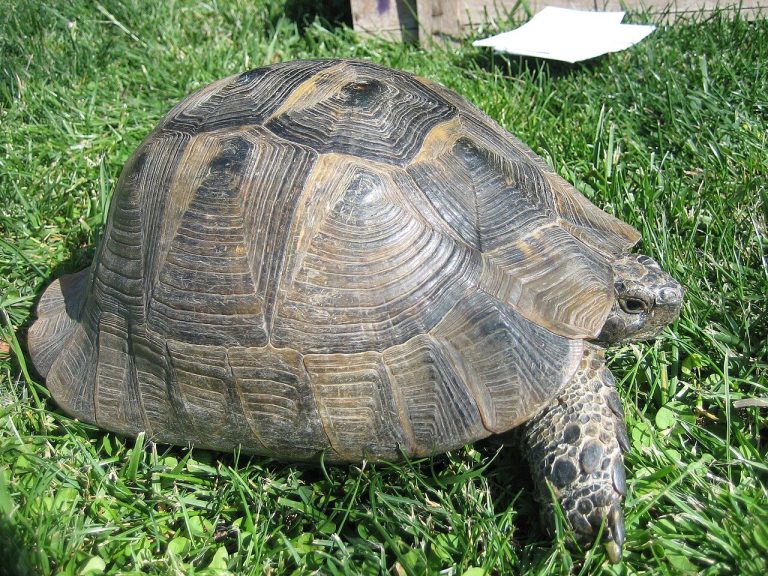
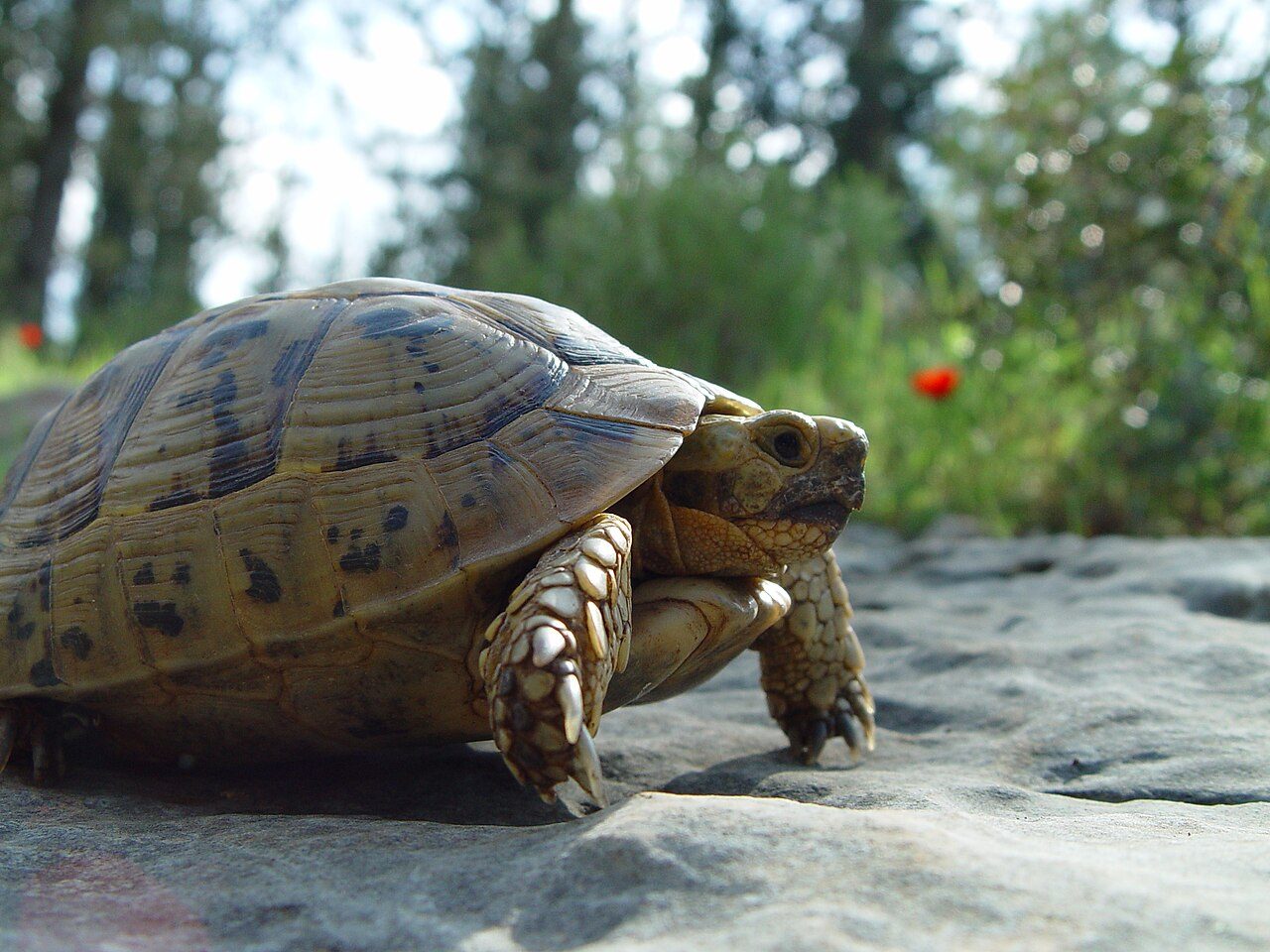
Tortoises sleep to regulate their metabolism, conserve energy, and maintain healthy hormonal balance. Most species require 10–12 hours of rest in a dark, secure, and temperature-controlled environment to do well.
Understanding how your shelled friend rests is as vital as managing water parameters in a high-tech reef tank. In my 10+ years of keeping diverse aquatic and terrestrial species, I’ve found that the tortoise sleeping guide principles mirror many of the biological rhythms we monitor in fish.
Just as we worry about circadian rhythm disruption in nocturnal fish due to improper lighting, tortoises rely on steady light cycles to regulate their activity. If your tortoise seems restless, it is often a sign that their environment is not signaling “nighttime” effectively.
At a glance: Tortoises (general) (Family Testudinidae)
- Temperature
- Basking 90–100°F by species
- Adult size
- 4–30 in shell by species
- Enclosure
- Large enclosure or outdoor pen
- Group size
- Usually alone
- Temperament
- Docile
- Diet
- Herbivores: weeds, grasses, leafy greens
- Lifespan
- 40–100+ years
Keeper’s tip: UVB lighting and calcium are essential for healthy shell growth in indoor tortoises.
Why Your Tortoise Needs a Consistent Sleeping Environment
In nature, tortoises do not have the luxury of constant artificial light. Their bodies are evolved to process daylight and darkness, much like how aquatic plants respond to photoperiodicity. When we keep them in captivity, we become the architects of their internal clock.
If you are currently setting up an enclosure, keep in mind that consistency is key. A tortoise that is constantly exposed to ambient room light or irregular heating schedules will eventually show signs of stress, similar to how fish suffer from hypoxia tolerance issues when their tank environment is poorly managed.
Pro Tip: Use a dedicated digital timer for your heat lamps and UV lights. I’ve noticed that even a 30-minute shift in light timing can cause noticeable behavioral changes in sensitive species like the Russian tortoise.
Creating the Perfect Sleeping Spot
A tortoise needs a place where it feels completely safe from predators. In the wild, this often means a burrow. In your home, this means a hide box that offers security, which is conceptually similar to providing shelter for timid fish to avoid nocturnal predation avoidance behaviors.
The substrate you choose plays a massive role in their comfort. You want a material that retains a bit of moisture without becoming soggy, as this mimics the micro-climates where wild tortoises rest.
| Feature | Recommendation |
|---|---|
| Hide Material | Opaque plastic or natural wood; must be dark. |
| Substrate Depth | At least 3-4 inches to allow for natural digging. |
| Night Temperature | Typically 65°F–75°F (species dependent). |
Managing Temperature and Brumation Cycles
Many keepers confuse standard sleep with brumation. While sleep happens daily, brumation is a long-term metabolic slowdown. If you are preparing for a cooler season, make sure you understand the specific brumation temperature range for your species.
If your tortoise is lethargic but not brumating, check your thermal stratification. If the enclosure is too cold, the tortoise cannot digest food properly, leading to health issues. Conversely, if it is too hot at night, they will be unable to enter the deep sleep state necessary for proper melatonin synthesis.
Common Mistake: Many beginners keep the heat lamp on 24/7. This prevents the tortoise from cooling down, which is essential for their respiratory health and long-term vitality. Always use a dedicated night-time heat emitter if temperatures drop too low, rather than a light-emitting bulb.
Monitoring Health Through Sleep Patterns
As an aquarist, you know how to spot a sick fish by its swimming behavior. Similarly, you can spot a sick tortoise by its sleeping habits. A healthy tortoise should be easy to wake and should show interest in food shortly after “daybreak.”
If you notice your tortoise hiding for days on end, it might be suffering from environmental stress. For those keeping larger species, make sure you have a proper habitat design that allows for natural movement and digging, which are essential for their mental well-being.
Troubleshooting Common Sleeping Issues
If your tortoise is active at night, your lighting schedule might be the culprit. Help your enclosure is not near a television or a high-traffic area where light leaks could occur.
If your tortoise is digging excessively, they may be trying to regulate their body temperature due to a lack of proper substrate composition. Always provide a variety of depths and textures. If you are struggling with a tortoise that refuses to eat after waking, you might find this guide on managing appetite loss helpful.
FAQ: Frequently Asked Questions
How do I know if my tortoise is sleeping too much? If your tortoise is lethargic, unresponsive to food, and shows soft shell or weeping eyes, it is not just sleeping—it is likely ill. Consult a specialized reptile veterinarian immediately.
Should I use a heat lamp at night? Only if your room temperature drops below the safe minimum for your specific species. Most tortoises prefer a natural temperature drop at night.
Does species matter for sleep requirements? Yes. Tropical species have different requirements than arid-dwelling species. Always research the specific needs of your tortoise rather than applying a “one size fits all” approach.
Can I pick up a sleeping tortoise? It is best to leave them undisturbed. Frequent handling can cause stress and interrupt their necessary rest cycles.
A last word
Providing a proper sleeping environment is a cornerstone of responsible husbandry. If you respect the natural cycles of your tortoise and keeping their habitat mimics their wild needs, you will see a much healthier, more active companion.
Keep your lighting consistent, your temperature zones stable, and your hide areas secure. When you invest the time to understand these rhythms, you’ll find that maintaining a happy tortoise is just as satisfying as keeping a well-kept aquarium.

- 2003First tank
- 20+Years keeping
- 40+Tanks kept
- 0Sponsored picks
Howard set up his first 10-gallon planted tank in 2003 and lost half of it within six weeks. Two decades and more than forty aquariums later, he writes the guides he wished he had then: clear numbers, the reasons behind them, and what actually goes wrong in home tanks.