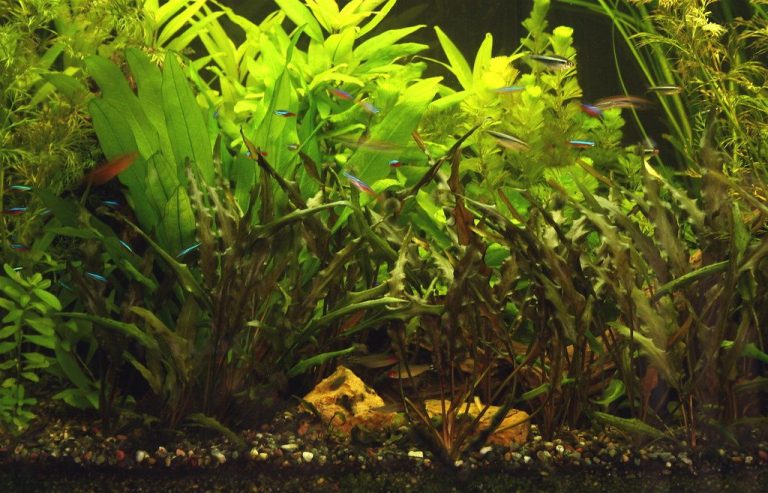
Aquarium Plant Chlorophyll – Explained Simply
Aquarium plant chlorophyll is the vital green pigment responsible for photosynthesis, converting light energy into the sugars plants need to grow and settle in. Keeping healthy chlorophyll levels is key to colorful aquatic plants and a balanced aquarium ecosystem.
Introduction: The Green Heart of Your Planted Aquarium
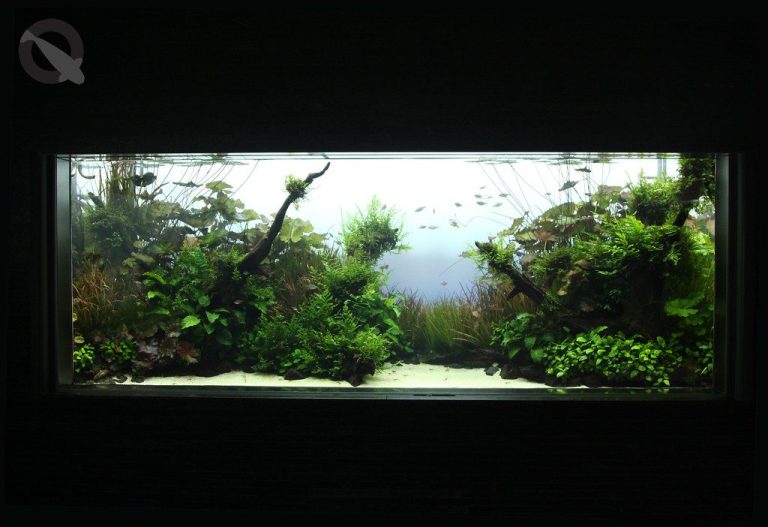
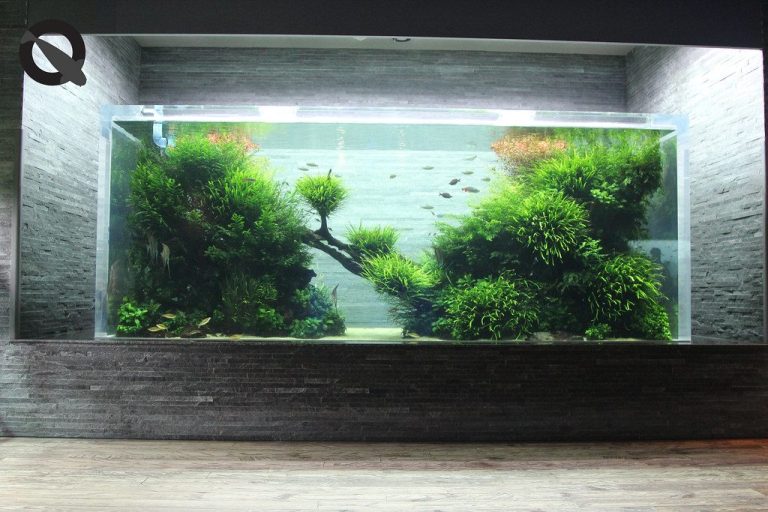
Welcome, fellow aquarists. If you’ve ever marveled at a leafy, verdant planted aquarium, you’ve witnessed the power of healthy plants at their best. At the core of this rich display, and indeed all plant life, lies a miraculous pigment: chlorophyll. Understanding `aquarium plant chlorophyll` is not just for botanists; it’s fundamental for every hobbyist aiming for a healthy aquatic garden.
In my experience, after more than a decade of building planted tanks, the health of your plants directly impacts the overall well-being of your fish and shrimp. Green, strong plants actively filter water, oxygenate the environment, and provide essential hiding spots. They contribute significantly to the stability and beauty of your underwater world.
This comprehensive guide will demystify chlorophyll, explain its vital role, and provide actionable strategies to ensure your `aquarium plant chlorophyll` is always at its peak. Let’s look at the science and practical tips for building a successful planted aquarium.
What is Chlorophyll and Why is it Key for Your Aquarium Plants?
Chlorophyll is the primary pigment that gives plants their characteristic green color. More than just a cosmetic feature, it is the engine that drives photosynthesis, the process by which plants convert light energy into chemical energy (sugars) for growth. Without sufficient chlorophyll, your aquatic plants simply cannot produce enough food to sustain themselves.
Think of chlorophyll as the solar panel of your plant cells. These microscopic powerhouses are primarily located in the chloroplasts within plant cells. They absorb specific wavelengths of light, particularly in the blue and red regions of the spectrum, reflecting the green light we see.
The health of your `aquarium plant chlorophyll` directly influences several vital functions. It dictates the plant’s ability to grow, to absorb nutrients, and to produce oxygen. A vivid green plant is a strong indicator of a healthy, efficient photosynthetic process.
The Science Behind Green: How Chlorophyll Works
The magic of chlorophyll lies in its ability to capture light energy. There are several types of chlorophyll, with chlorophyll ‘a’ and ‘b’ being the most common in aquatic plants. Each type has a slightly different `absorption spectra`, allowing plants to utilize a broader range of light wavelengths.
When light energy strikes a chlorophyll molecule, it excites electrons within the pigment. This energy is then passed along a series of molecules in the chloroplasts, ultimately driving the reactions that convert carbon dioxide and water into glucose (sugar) and oxygen. This entire process is known as photosynthesis.
The efficiency of this process is heavily reliant on light quality and intensity. The term `Photosynthetically Active Radiation (PAR)` refers to the portion of the light spectrum (400-700 nanometers) that plants primarily use for photosynthesis. Supplying adequate PAR is vital for strong growth.
A key enzyme involved in carbon fixation during photosynthesis is `Rubisco`. It plays a critical role in taking carbon dioxide from the water column and integrating it into organic compounds. For many aquatic plants, particularly those in high-tech setups, supplemental CO2 is essential to maximize Rubisco’s efficiency and, by extension, chlorophyll’s productivity.
Plants also have a `light compensation point`. This is the light intensity at which the rate of photosynthesis exactly equals the rate of respiration. Below this point, the plant consumes more energy than it produces, leading to stunted growth or even decay. Understanding this concept helps prevent plants from simply “melting away” in dimly lit tanks.
Pro Tip: Understanding PAR vs. Lumens
When choosing aquarium lighting, don’t just look at lumens (which measure brightness as perceived by the human eye). Instead, focus on PAR values. Many modern LED lights for planted tanks will list their PAR output at various depths, giving you a much better indication of how effectively your plants can photosynthesize.
Essential Nutrients for Colorful Chlorophyll Production
Just like any living organism, aquatic plants require a balanced diet of nutrients to settle in. Chlorophyll synthesis, in particular, demands specific elements. Without these, even with perfect lighting and CO2, your plants will struggle.
Macronutrients like nitrogen, phosphorus, and potassium are needed in larger quantities. Nitrogen, for instance, is a fundamental component of the chlorophyll molecule itself, as well as proteins and nucleic acids. Deficiencies often manifest as overall yellowing of older leaves.
Micronutrients, though required in smaller amounts, are equally critical. Iron and magnesium are superstars when it comes to chlorophyll. Iron is a key cofactor in the enzymes involved in chlorophyll synthesis, while magnesium forms the central atom in the chlorophyll molecule’s porphyrin ring structure.
Key Nutrients for Chlorophyll Synthesis and Their Roles
Here’s a breakdown of essential nutrients and their impact on your `aquarium plant chlorophyll`:
| Nutrient | Role in Chlorophyll & Plant Health | Deficiency Symptom |
|---|---|---|
| Nitrogen (N) | Core component of chlorophyll, proteins, and amino acids. Essential for rapid growth. | General yellowing (chlorosis) of older leaves, stunted growth. |
| Magnesium (Mg) | Central atom of the chlorophyll molecule; activates many enzymes. | `Interveinal chlorosis` (yellowing between veins) on older leaves. |
| Iron (Fe) | Vital for chlorophyll synthesis and electron transport in photosynthesis. | `Interveinal chlorosis` on new leaves, often leading to white or pale yellow growth. |
| Potassium (K) | Regulates water balance, enzyme activation, and nutrient transport. | Holes in older leaves, yellowing margins, stunted growth. |
| Phosphorus (P) | Key for energy transfer (ATP), root development, and flowering. | Dark green or purplish leaves, stunted growth, especially in roots. |
To address deficiencies, hobbyists often use specific supplements. For magnesium, `Magnesium sulfate` (Epsom salts) can be dosed carefully. For iron, chelated forms like `Ferrous gluconate` are highly effective as they remain available for plant uptake in the water column.
The substrate itself plays a significant role in nutrient availability. Planted tank substrates often have a high `Cation Exchange Capacity (CEC)`, meaning they can absorb and store positively charged ions (like iron, magnesium, potassium) and release them to plant roots as needed. This acts as a nutrient battery for your plants.
Optimizing Light for Peak Photosynthesis
Light is the single most critical factor for photosynthesis. Without adequate light, your plants simply cannot produce enough energy, regardless of nutrient availability or CO2. The goal is to provide light that matches the needs of your specific plant species.
Different plants have different light requirements. Low-tech plants like Anubias and Java Fern do well in lower light, while high-tech plants such as Rotala and hairgrass demand intense illumination. Always research the light needs of your chosen plants.
The duration of light exposure, known as the photoperiod, is also key. Typically, 8-10 hours of light per day is sufficient for most planted aquariums. Too little light will starve your plants, while too much can trigger algae outbreaks.
In my early days, I’ve noticed that overly long photoperiods or excessively strong lights often led to stubborn green spot algae. Finding that sweet spot with a timer is key. Investing in a good quality LED light fixture designed for planted tanks, often with adjustable intensity and spectrum, will make a world of difference.
Recognizing and Remedying Chlorophyll Deficiency
A plant struggling with chlorophyll deficiency will show clear signs. The most common symptom is yellowing, or chlorosis, of the leaves. The pattern of yellowing can often tell you which specific nutrient is lacking.
For instance, if older leaves are uniformly yellowing, it’s often a nitrogen deficiency. If older leaves show `interveinal chlorosis` (yellowing between the veins while the veins remain green), magnesium is a likely culprit. New growth that is pale, white, or yellow, particularly with green veins, strongly indicates an iron deficiency.
Stunted growth, brittle leaves, or leaves that appear translucent can also signal underlying issues with chlorophyll production. Don’t wait for your plants to look completely dead; early detection is vital.
Pro Tip: Observe New vs. Old Growth
When diagnosing plant deficiencies, pay close attention to whether the symptoms appear on new growth or old growth. Mobile nutrients (like Nitrogen, Magnesium, Potassium) can be relocated by the plant, so their deficiency shows in older leaves. Immobile nutrients (like Iron, Calcium, Boron) cannot be moved, so their deficiency appears in new, developing leaves. This distinction is a powerful diagnostic tool.
Troubleshooting Chlorophyll Deficiency Symptoms
Use this table to quickly identify and address common chlorophyll-related issues in your aquarium plants.
| Symptom | Likely Deficiency | Actionable Remedy |
|---|---|---|
| Overall pale/yellowing of older leaves | Nitrogen (N) | Increase nitrogen dosing (e.g., potassium nitrate), make sure adequate fish waste breakdown. |
| Yellowing between veins on older leaves (veins green) | Magnesium (Mg) | Supplement with `Magnesium sulfate` (Epsom salts) or a comprehensive micronutrient mix. |
| Pale, white, or yellow new growth (veins often green) | Iron (Fe) | Dose chelated iron, such as `Ferrous gluconate`. Keep substrate is iron-rich if root feeders. |
| Stunted new growth, dark green leaves, or purplish tint | Phosphorus (P) | Increase phosphorus dosing (e.g., monopotassium phosphate). |
| Holes, yellowing edges, or dying tips on older leaves | Potassium (K) | Supplement with potassium (e.g., potassium sulfate). |
| General poor growth, melting, or algae growth | CO2 or Light Issues | Check CO2 levels (if applicable) and distribution. Adjust light intensity/photoperiod. See our guide on Aquarium CO2 Efficiency for more details. |
Consistency is key. Daily or weekly dosing, depending on your chosen method (EI, PPS-Pro, etc.), makes sure stable nutrient levels.
Beyond Green: The Role of Other Pigments
While chlorophyll is the star of the show for photosynthesis, plants also contain other pigments. These include carotenoids (yellow, orange, red) and `Anthocyanins` (red, purple, blue). These accessory pigments help broaden the range of light wavelengths absorbed by the plant, passing energy to chlorophyll for photosynthesis.
In some plants, particularly those with high light and nutrient conditions, `Anthocyanins` can become very pronounced, giving the plants vivid red or purple hues. This is often a sign of healthy, solid growth, not a deficiency. Think of the eye-catching reds in a Rotala macrandra or a Ludwigia repens.
Some aquatic plants also utilize an enzyme called `Carbonic anhydrase`. This enzyme helps facilitate the conversion of bicarbonate (HCO3-) in the water into CO2, which is then used for photosynthesis. This is particularly important for plants in tanks without supplemental CO2, as it allows them to access a carbon source even when free CO2 is scarce.
Maintaining Long-Term Chlorophyll Health
Achieving colorful `aquarium plant chlorophyll` is an ongoing process that requires consistent care and observation. It’s not a “set it and forget it” endeavor. Regular maintenance is essential.
- Consistent Fertilization: Establish a regular dosing schedule for both macro and micronutrients. Liquid fertilizers are common, but root tabs can be beneficial for heavy root feeders in inert substrates.
- Stable CO2 (if applicable): If you’re running a high-tech tank, ensure your CO2 levels are stable and consistent throughout the photoperiod. Fluctuations can stress plants and hinder chlorophyll function.
- Appropriate Lighting: Maintain your lights according to your plant’s needs, replacing bulbs or fixtures when their PAR output diminishes. Regular cleaning of light fixtures and tank glass will make sure maximum light penetration.
- Water Changes: Regular water changes replenish essential trace elements and remove excess organic waste that could contribute to algae.
- Substrate Health: For plants that derive nutrients from the substrate, keep it’s healthy and replenished. Over time, substrates can become depleted, and adding root tabs or a nutrient-rich layer can help.
- Pruning: Regular pruning encourages new, healthy growth and prevents older, decaying leaves from becoming a nutrient sink.
Common Mistake: Over-fertilization Without CO2/Light
A common beginner mistake is to heavily fertilize a tank without adequate light or CO2. This often leads to massive algae blooms rather than healthy plant growth. Light and CO2 are the primary limiting factors for photosynthesis. Fertilizers are only fully utilized when these two elements are optimally provided. Balance is key.
For those interested in improving their planted tank further, species like Angelfish can flourish in a well-planted environment. You might find our article on Angelfish in a Planted Aquarium a useful read for stocking considerations.
Practical notes
- Add plants before fish in a new tank; they start using ammonia and nitrate right away.
- Remove melting or dead leaves promptly so they do not break down into ammonia.
- Yellowing older leaves often point to nitrogen or potassium shortage; yellowing new leaves usually point to iron.
- Epiphytes like java fern and anubias should be tied to rock or wood; burying the rhizome rots it.
Common questions About Aquarium Plant Chlorophyll
Why are my new leaves yellow while old leaves are green?
This is a classic sign of an immobile nutrient deficiency, most commonly iron. Iron cannot be moved from older leaves to new growth, so the newest leaves will show the deficiency first. Dose a chelated iron supplement to remedy this.
Can too much light harm chlorophyll?
Yes, excessive light intensity can lead to photoinhibition, where the photosynthetic machinery, including chlorophyll, becomes damaged. This can manifest as bleaching or stunted growth and often triggers severe algae outbreaks. It’s important to balance light intensity with CO2 and nutrient levels.
How often should I add iron to my planted aquarium?
The frequency depends on your tank’s specific needs, plant density, and overall fertilization regime. Many hobbyists dose iron daily or every other day as part of a comprehensive micronutrient solution. Follow the instructions on your chosen supplement and observe your plants closely.
Do all green aquarium plants use chlorophyll in the same way?
Fundamentally, yes, all green plants use chlorophyll for photosynthesis. However, their efficiency and specific requirements for light, CO2, and nutrients can vary significantly between species. Some plants are more efficient at utilizing bicarbonate (via `Carbonic anhydrase`) in low CO2 environments, while others are high-demand CO2 users.
Where that leaves you
Understanding `aquarium plant chlorophyll` is not just about keeping your plants green; it’s about encouraging a colorful, healthy, and self-sustaining aquatic ecosystem. If you provide the right balance of light, CO2, and essential nutrients, you empower your plants to perform their vital functions, leading to clearer water, happier fish, and a more beautiful aquarium.
Patience and observation are your best tools. Every aquarium is a unique ecosystem, and learning to read the subtle cues from your plants will allow you to make informed adjustments. With the insights shared in this guide, you’re well-equipped to build a dense, stable planted tank that will be the envy of all. Happy planting.

- 2003First tank
- 20+Years keeping
- 40+Tanks kept
- 0Sponsored picks
Howard set up his first 10-gallon planted tank in 2003 and lost half of it within six weeks. Two decades and more than forty aquariums later, he writes the guides he wished he had then: clear numbers, the reasons behind them, and what actually goes wrong in home tanks.