Aquarium Plant Potassium Deficiency – The Expert Guide To Lush Growth
Aquarium plant potassium deficiency typically presents as yellowing or necrotic pinholes on older leaves, curled leaf edges, and stunted growth. It indicates an insufficient supply of this vital mobile macronutrient, easily corrected with appropriate potassium supplementation.
Welcome to “Successful Aquarium,” your trusted resource for building well-kept aquatic environments. If you’ve ever looked at your once-bright aquatic plants and wondered why their leaves are yellowing or developing unsightly holes, you might be dealing with an aquarium plant potassium deficiency. This is a remarkably common issue, yet often misunderstood by many aquarists.
In my experience spanning over a decade of maintaining planted tanks, potassium is one of those unsung heroes of plant health. It’s a vital element that, when lacking, can quickly derail your aquascape’s beauty and overall plant vigor. The good news is that identifying and correcting this deficiency is straightforward once you know what to look for.
This comprehensive guide will equip you with the knowledge to recognize the signs of low potassium and also to implement effective solutions and preventative measures. Let’s dive in and transform your struggling plants into a flourishing underwater garden.
Understanding Potassium: The Unsung Hero of Planted Aquariums
Potassium (K) is one of the three primary macronutrients, alongside nitrogen (N) and phosphorus (P), that aquatic plants need in significant quantities to settle in. It’s often overlooked compared to its more famous counterparts, but its role is absolutely critical for healthy growth.
Think of potassium as the ultimate cellular workhorse. It plays a central role in numerous physiological processes within your plants, acting as a vital regulator for many functions. Without adequate potassium, your plants simply cannot perform at their best.
The Vital Functions of Potassium in Aquatic Plants
Potassium is a mobile macronutrient, meaning plants can redistribute it from older leaves to newer growth when supplies are low. This characteristic is key to understanding why deficiency symptoms first appear on older foliage.
Its primary functions include:
- Osmoregulation: Potassium regulates water uptake and retention within plant cells, which is essential for maintaining cell turgor and overall plant structure.
- Stomatal Conductance: It controls the opening and closing of stomata, tiny pores on leaves that facilitate gas exchange (CO2 uptake and oxygen release). Efficient stomatal conductance is important for photosynthesis.
- Enzyme Activation: Potassium activates over 60 different enzymes responsible for various metabolic processes, including protein synthesis and carbohydrate metabolism.
- Nutrient Transport: It assists in the transport of other essential nutrients throughout the plant, acting like a cellular delivery service.
- Stress Tolerance: Adequate potassium helps plants resist diseases, pests, and environmental stressors.
Understanding these roles helps us appreciate just how much our aquatic plants rely on a consistent supply of this often-underestimated element. A healthy potassium level makes sure strong cell walls, vigorous growth, and solid health for your entire aquascape.
Identifying Aquarium Plant Potassium Deficiency: Key Symptoms
Recognizing the signs of an aquarium plant potassium deficiency is the first step toward recovery. Because potassium is a mobile nutrient, symptoms typically manifest on the older, more mature leaves first. The plant sacrifices these older leaves to supply potassium to newer, developing growth.
I’ve noticed that once you learn to spot these specific symptoms, they become quite distinctive. Don’t confuse them with signs of other deficiencies, which often appear on new growth or have different patterns.
Common Visual Cues of Low Potassium
Here’s what to look for:
- Yellowing (Chlorosis) on Older Leaves: This is often the initial sign. The edges of older leaves, particularly the margins, may start to turn yellow. This is known as marginal chlorosis.
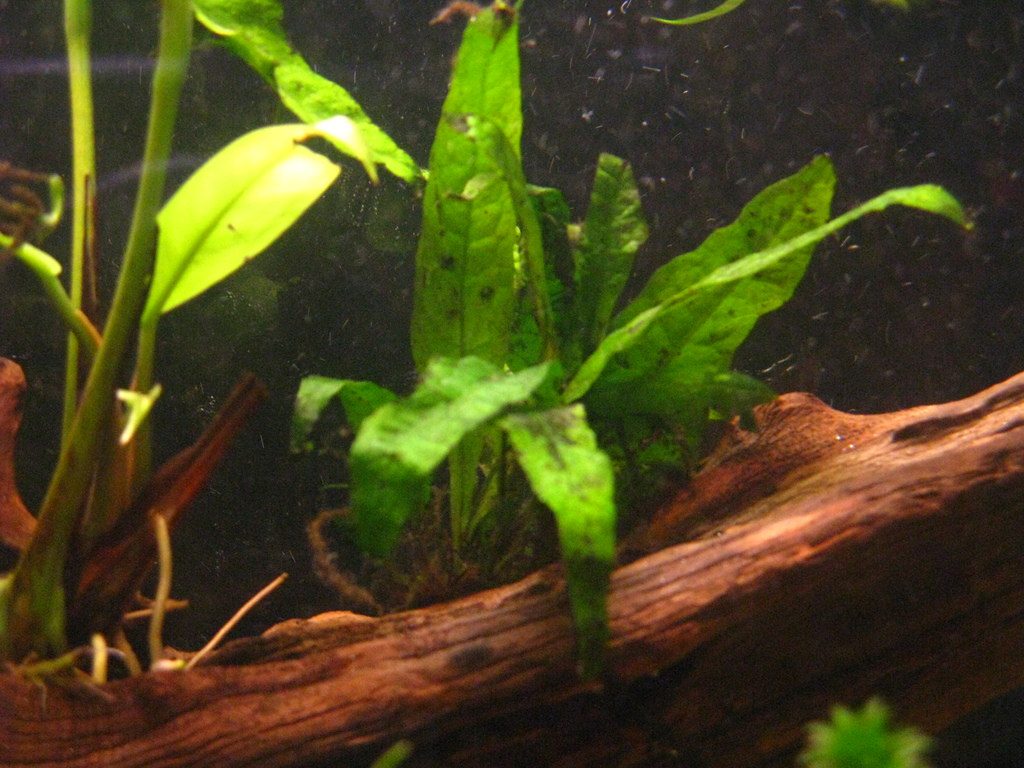
- Necrotic Pinhole Spots: Small, dark, dead spots or tiny holes, often described as “pinholes,” appear on the older leaves. These spots can enlarge over time, eventually causing parts of the leaf to disintegrate. This symptom is highly indicative of potassium deficiency.
- Curling or Crinkling of Leaf Edges: The edges of older leaves may begin to curl downwards or upwards, sometimes appearing ruffled or crinkled. This is a direct result of impaired osmoregulation.
- Weak Stems and Stunted Growth: Overall plant growth may slow down significantly, and stems might appear weak or flimsy. Plants like Hygrophila corymbosa are particularly good indicators, showing these symptoms quite clearly.
- General Fading or Paleness: While not as specific as pinholes, a general lack of vibrancy or a pale appearance in older foliage can also indicate an issue.
Pro Tip: When diagnosing plant issues, always observe which leaves are affected first. If symptoms appear on older leaves, it’s often a mobile nutrient deficiency like potassium, nitrogen, or magnesium. If new growth is affected, consider immobile nutrients like iron, calcium, or boron. For a more comprehensive overview, check out our aquarium plant deficiency chart.
To help you distinguish potassium deficiency from other common issues like general plant chlorosis or deficiencies in other nutrients, here’s a quick reference table:
| Symptom | Potassium Deficiency | Nitrogen Deficiency | Magnesium Deficiency | Iron Deficiency |
|---|---|---|---|---|
| Leaves Affected First | Older leaves | Older leaves | Older leaves | New leaves |
| Yellowing Pattern | Marginal chlorosis (edges) | Overall pale yellowing | Interveinal chlorosis (veins stay green) | Interveinal chlorosis (veins stay green) |
| Necrotic Spots/Holes | Pinhole-like necrotic spots, spreading | Rarely, if severe | Rarely, if severe | No |
| Leaf Shape Changes | Curling, crinkling edges | No specific shape change | No specific shape change | No specific shape change |
| Growth | Stunted, weak stems | Severely stunted | Stunted | Stunted |
Why Do Planted Tanks Develop Potassium Deficiency?
Understanding the root causes of low potassium is essential for effective prevention. It’s not always about simply “not adding enough” but often a more complex interplay of factors within your aquarium’s ecosystem.
When I first started, I assumed all deficiencies were due to under-dosing. Over time, I learned that high plant demand and water chemistry play significant roles.
Common Factors Contributing to Low Potassium
Several scenarios can lead to an aquarium plant potassium deficiency:
- Insufficient Fertilization: The most straightforward cause. Many all-in-one liquid fertilizers contain some potassium, but heavily planted tanks often require more. If you’re not dosing regularly or your fertilizer lacks sufficient potassium, a deficiency will occur.
- High Plant Biomass: Tanks with a dense population of fast-growing plants will consume nutrients much more rapidly. While great for algae control, a high plant biomass can quickly deplete available potassium if not supplemented adequately.
- Soft Water Parameters: In areas with naturally soft water, or if you’re using RO/DI water without remineralization, your tap water may have very low levels of potassium to begin with. This means you’re starting from a deficit.
- Lack of Substrate Fertilization: While liquid dosing is important, rooted plants draw nutrients from the substrate. If your substrate is inert or depleted of nutrients and you’re not using root tabs rich in potassium, your plants might struggle.
- Imbalance with Other Nutrients: Sometimes, an excess of other cations, particularly calcium or magnesium, can interfere with potassium uptake, even if potassium is present. This is related to the cation exchange capacity of the substrate and plant roots.
- Infrequent Water Changes: If you rely solely on water changes to replenish nutrients and don’t dose fertilizers, infrequent changes can lead to overall nutrient depletion, including potassium.
Common Mistake: Many hobbyists assume that fish food provides enough potassium. While fish food contains some potassium, it’s rarely sufficient for a flourishing planted tank, especially those with high light and CO2 injection. Relying solely on fish waste for plant nutrients will almost certainly lead to various deficiencies.
How to Correct Aquarium Plant Potassium Deficiency: Solutions & Supplements
Once you’ve confidently identified an aquarium plant potassium deficiency, correcting it is relatively simple. The key is consistent and appropriate supplementation. There are several ways to boost potassium levels in your tank, depending on your setup and preference.
Choosing the Right Potassium Supplement
The most common and effective ways to add potassium to your aquarium are through:
- Potassium Sulfate (K2SO4): This is arguably the most popular and safest standalone potassium supplement for planted aquariums. It’s readily available in powdered form and is highly soluble. It adds only potassium and sulfur, both beneficial plant nutrients, without introducing nitrates or phosphates.
- Potassium Chloride (KCl): Another option, also widely available. However, some aquarists prefer potassium sulfate as chloride can accumulate in the tank over time, although in typical dosing, this is usually not an issue for freshwater setups.
- NPK Fertilizers: If your tank is deficient in nitrogen and phosphorus as well, an NPK (Nitrogen, Phosphorus, Potassium) fertilizer might be suitable. However, if only potassium is lacking, adding an NPK product could lead to imbalances and potentially algae issues by introducing excess nitrogen and phosphorus.
- All-in-One Liquid Fertilizers: Many comprehensive liquid fertilizers contain potassium. If you’re using one, you might need to increase its dosage or supplement with a standalone potassium product if the deficiency persists.
- Root Tabs: For heavy root feeders, root tabs rich in potassium can provide a slow, steady release of the nutrient directly into the substrate. This is excellent for plants like Cryptocorynes and Swords.
Dosing Strategies for Potassium
The ideal target range for potassium in a planted aquarium is typically between 10-30 ppm (parts per million). Heavily planted tanks with high light and CO2 might benefit from levels closer to the upper end of this range.
When you first detect a deficiency, a slightly higher initial dose can help replenish stores quickly. Then, adjust to a regular maintenance dose. For example, when using potassium sulfate:
- Initial Dose: Aim to raise potassium by 10-20 ppm over a day or two. This can be achieved by dissolving potassium sulfate powder in water and adding it. (Always follow product-specific instructions for exact measurements).
- Maintenance Dose: A common strategy is to add enough potassium to maintain levels at around 10-20 ppm after water changes and daily/weekly. Many aquarists aim to dose potassium a few times a week, keeping a continuous supply.
Regular water testing for potassium, if you have a test kit, can help fine-tune your dosing. However, many successful aquarists dose based on the plant index (EI dosing method) or observe plant health, adjusting as needed.
Preventing Future Potassium Problems
Prevention is always better than cure. Once you’ve corrected an aquarium plant potassium deficiency, implementing a consistent fertilization routine will keep your plants dense and bright. This involves a holistic approach to your tank’s nutrient management.
Establishing a Proactive Fertilization Routine
Based on my years of experience, a consistent and measured approach is key:
- Regular Dosing: Establish a routine for adding liquid fertilizers. For heavily planted tanks, daily or every-other-day dosing is often more effective than weekly, as it provides a more stable nutrient supply. For lower-tech tanks, 2-3 times a week might suffice.
- Balanced Fertilization: Help your overall fertilization strategy considers the NPK ratio (Nitrogen, Phosphorus, Potassium) and micronutrients. While this article focuses on potassium, keep in mind that plants need all nutrients to settle in. An imbalance in one can affect the uptake of others.
- Consider Your Water Source: If you use RO/DI water, ensure you are remineralizing it with a product that includes essential minerals, including potassium. If your tap water is very soft, you might need higher doses of potassium.
- Utilize Root Tabs: For plants that primarily feed through their roots, such as Amazon Swords, Cryptocorynes, and certain stem plants, supplementing with root tabs provides a localized and sustained source of potassium and other nutrients.
- Observe Your Plants Closely: Your plants are the best indicators of their health. Regularly inspect them for early signs of any deficiency. Catching issues early makes correction much easier.
- Avoid Over-Dosing: While potassium is generally safe, excessive amounts can sometimes antagonize the uptake of other nutrients like calcium or magnesium. Stick to recommended ranges and observe your plants.
For high-tech setups with CO2 injection and intense lighting, nutrient demand, including potassium, will be significantly higher. These tanks often benefit from an Estimative Index (EI) dosing method, which aims to provide excess nutrients to make sure no deficiencies occur, followed by large weekly water changes to reset parameters. Learn more about right dosing strategies in our guide on aquarium fertilizer lean dosing vs EI.
Keeper’s notes
- Remove melting or dead leaves promptly so they do not break down into ammonia.
- Yellowing older leaves often point to nitrogen or potassium shortage; yellowing new leaves usually point to iron.
- Epiphytes like java fern and anubias should be tied to rock or wood; burying the rhizome rots it.
- Most planted tanks do well with 6–8 hours of light per day; longer photoperiods usually just grow more algae.
FAQ: Your Top Questions About Aquarium Plant Potassium Deficiency Answered
Q1: Can too much potassium harm my fish or shrimp?
Generally, potassium is quite safe for fish and shrimp at the levels typically recommended for planted aquariums (10-30 ppm). In fact, it helps with osmoregulation in fish too. However, extremely high doses (hundreds of ppm) could potentially cause issues, but this is far beyond normal dosing. Always dose responsibly and avoid massive overdoses.
Q2: How quickly will my plants recover after I start dosing potassium?
You should start seeing improvements in new growth within a week or two. Existing damaged leaves (with necrotic pinholes or severe yellowing) will likely not fully recover, as the tissue is already dead. However, new leaves will emerge healthy, and the plant’s overall vigor will improve significantly.
Indirectly, yes. If you have high CO2 levels, your plants will grow much faster and photosynthesize more efficiently, which in turn increases their demand for all nutrients, including potassium. A tank with ideal CO2 but insufficient potassium will develop a deficiency more quickly than a low-tech tank with the same potassium levels.
Q4: My tap water has high potassium. Do I still need to supplement?
It depends on how high it is and how heavily planted your tank is. If your tap water testing shows a consistent potassium level of 10-20 ppm or more, and your plants are healthy, you might not need to supplement much, or at all. However, heavily planted tanks can still deplete even seemingly high initial levels, so observation is key. If you have very high levels, monitor for potential imbalances with other nutrients.
Q5: Can algae be a symptom of potassium deficiency?
While not a direct symptom, nutrient deficiencies, including potassium, can indirectly lead to algae. When plants are struggling due to lack of nutrients, they cannot outcompete algae for available resources. Weak, unhealthy plants also release organic compounds that can fuel algae growth. A balanced nutrient profile, including adequate potassium, promotes strong plant growth which is the best defense against algae.
Conclusion: Cultivating a Flourishing Planted Aquarium
Mastering the art of keeping a successful planted aquarium involves understanding the delicate balance of light, CO2, and essential nutrients. An aquarium plant potassium deficiency is a common hurdle, but one that is entirely surmountable with the right knowledge and consistent care.
By recognizing the tell-tale signs like necrotic pinholes and marginal chlorosis on older leaves, you can quickly diagnose the problem. Implementing a targeted solution with supplements like potassium sulfate will bring your plants back to bright health. A proactive approach to fertilization, coupled with keen observation, is your best strategy for a leafy, well-kept aquascape.
Keep learning, keep observing, and enjoy the beautiful, dynamic ecosystem you’ve created. Happy planting.

- 2003First tank
- 20+Years keeping
- 40+Tanks kept
- 0Sponsored picks
Howard set up his first 10-gallon planted tank in 2003 and lost half of it within six weeks. Two decades and more than forty aquariums later, he writes the guides he wished he had then: clear numbers, the reasons behind them, and what actually goes wrong in home tanks.