African Sulcata Tortoise Lifespan – How to Help Them Live Longer
The average captive african sulcata tortoise lifespan is between 70 and 100 years. With exceptional husbandry, specialized UV lighting, and a high-fiber diet, some individuals have been known to exceed the century mark.
Moving from high-tech aquariums to the world of giant tortoises might seem like a massive leap. However, the core principles of the hobby remain exactly the same: stability, nutrition, and environmental control.
In my decade of keeping exotic species, I have found that the african sulcata tortoise lifespan is one of the most rewarding yet demanding commitments a keeper can make. These “dinosaur” companions require a level of long-term planning that far exceeds even the most long-lived koi or large cichlids.
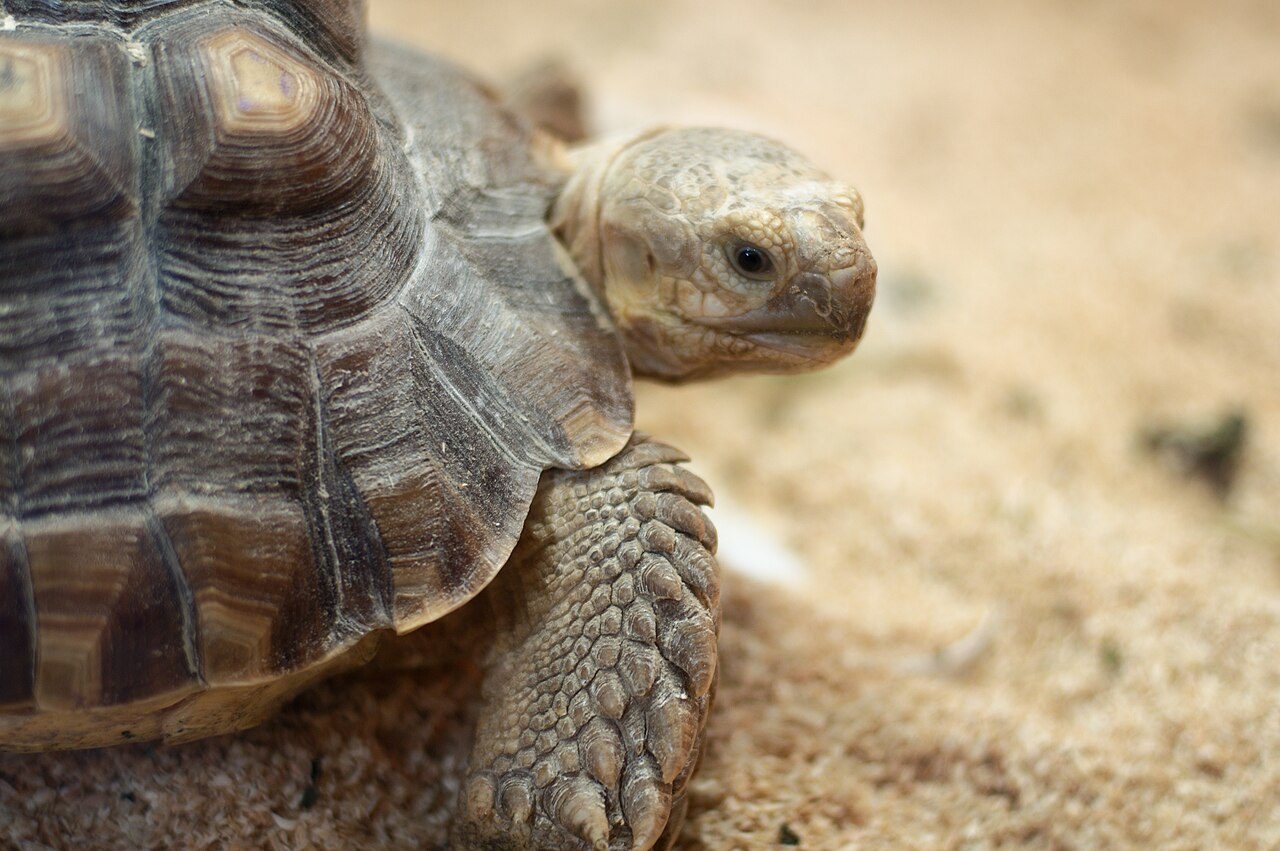
When we talk about Centrochelys sulcata, we are discussing the third-largest tortoise species in the world. Their longevity is not just a biological fact; it is a direct reflection of the environment you provide for them from day one.
At a glance: Sulcata tortoise (Centrochelys sulcata)
- Temperature
- Basking 95–100°F (35–38°C)
- Adult size
- 24–30 in shell (60–76 cm)
- Enclosure
- Outdoor pen for adults
- Group size
- Alone
- Temperament
- Docile, strong diggers
- Diet
- Herbivore: grasses, hay, weeds, low-sugar greens
- Lifespan
- 70+ years
Keeper’s tip: Adults outgrow any indoor enclosure; plan for a secure outdoor pen early.
Understanding the African Sulcata Tortoise Lifespan in Captivity
The african sulcata tortoise lifespan is often misunderstood by beginners who see a tiny, palm-sized hatchling in a pet store. In the wild, these tortoises face predators, droughts, and food scarcity, which can significantly shorten their lives.
In a controlled home environment, we remove those external threats, allowing them to reach their full biological potential. This means your tortoise will likely become a family heirloom, passed down through generations.
I have often told my fellow hobbyists that preparing for a Sulcata is more like estate planning than pet ownership. You are essentially inviting a permanent resident into your life who will see the world change around them over many decades.
Wild vs. Captive Longevity
In their native African habitats, these tortoises are incredibly resilient, surviving in harsh, arid conditions. However, the lack of consistent veterinary care and the presence of natural parasites often limits their wild lifespan to 50 or 60 years.
Captivity changes the math entirely because we can provide a “perfect” version of Africa in our backyards or large indoor enclosures. When you eliminate the stressors of the wild, the african sulcata tortoise lifespan can easily push toward 100 years or more.
Pro Tip: Always have a “tortoise clause” in your will. Because these animals live so long, it is vital to designate a knowledgeable successor who understands their specific heating and dietary needs.
Diet and Nutrition: The Foundation of Decades of Health
The single most important factor in maximizing the african sulcata tortoise lifespan is what they eat. These are “grazing” tortoises, meaning their digestive systems are evolved to process massive amounts of low-protein, high-fiber grasses.
In my experience, many new keepers make the mistake of feeding “wet” vegetables like lettuce or fruit. This often leads to rapid, unhealthy growth and internal organ stress that can cut their life short.
To help they stay healthy for 80+ years, you must focus on a diet that mimics the scrublands of the Sahel. This means a heavy reliance on Timothy hay, orchard grass, and edible weeds like dandelions and clover.
The Calcium-Phosphorus Ratio
One of the technical aspects of tortoise health that aquarium keepers will appreciate is the calcium-phosphorus ratio. Just as we monitor calcium levels for coral growth, tortoises need a specific balance to build their massive shells.
A ratio of 2:1 (calcium to phosphorus) is generally considered the gold standard for preventing skeletal issues. Without this balance, the tortoise’s body will actually pull calcium from its own bones to maintain blood levels.
This deficiency often leads to Metabolic Bone Disease, a painful and life-threatening condition. Keeping a cuttlebone in the enclosure—much like we use for shrimp or snails—is a great way to provide supplemental calcium.
| Food Category | Percentage of Diet | Examples |
|---|---|---|
| Grasses & Hays | 75-80% | Bermuda grass, Timothy hay, Orchard grass |
| Leafy Greens | 15-20% | Dandelion greens, Endive, Cactus pads (Opuntia) |
| Treats | <5% | Squash, Bell peppers, Hibiscus flowers |
| Fruits | 0% | Avoid entirely (causes digestive upset) |
Environmental Control and the UVB Photogradient
If diet is the fuel, then light and heat are the engine that drives a long african sulcata tortoise lifespan. These reptiles are ectothermic, meaning they rely entirely on their environment to regulate their body temperature.
In an indoor setup, you must provide a sophisticated UVB photogradient. This allows the tortoise to move between “sunlight” and shade, choosing exactly how much UV radiation they need at any given moment.
Without high-quality UVB lighting, the tortoise cannot synthesize Vitamin D3. This vitamin is the “key” that allows the gut to absorb calcium, making it just as important as the food itself.
Mastering Thermoregulation
Thermoregulation is the process by which the tortoise maintains its internal temperature. In my years of keeping various species, I’ve noticed that Sulcatas are particularly active when they have a hot basking spot of about 95-100°F.
However, they also need a “cool” zone in the 75-80°F range. If the entire enclosure is the same temperature, the tortoise’s metabolism can become stressed, leading to a shortened life.
Think of it like the temperature zones in a large reef tank. Just as different corals prefer different flow and light, your tortoise needs options to stay healthy over the long term.
Common Health Challenges to Longevity
Even with the best intentions, certain health issues can impact the african sulcata tortoise lifespan. Being able to spot these early is the difference between a quick recovery and a chronic decline.
One of the most visible issues is scute pyramiding. This is when the individual plates of the shell grow vertically into points rather than staying smooth and flat.
While often thought to be purely dietary, modern research suggests that ambient humidity plays a massive role in shell development. Hatchlings kept in overly dry conditions are much more likely to develop this deformity.
Renal Health and Hydration
A silent killer for many captive tortoises is renal failure. This often stems from chronic dehydration, which is surprisingly common in “desert” species kept in home environments.
When a tortoise is dehydrated, its waste products can thicken, leading to urate crystallization. If these stones become too large to pass, they can cause internal damage or blockages.
I always recommend a “soaking” schedule for younger tortoises. Placing them in shallow, lukewarm water for 15-20 minutes a few times a week makes sure they stay hydrated and can flush their systems properly.
Common Mistake: Many keepers assume that because they are “desert” animals, they don’t need water. In reality, wild Sulcatas spend much of their time in humid burrows. Always provide a humid hide-box to prevent shell deformities.
Habitat Safety: Preventing Accidents
Because the african sulcata tortoise lifespan is so long, the probability of an “accident” occurring increases over time. Their enclosure must be a fortress of safety to prevent physical injury.
One major concern is substrate impaction. If a tortoise accidentally eats its bedding (like sand or fine gravel) while feeding, it can cause a life-threatening blockage in the digestive tract.
I prefer using large cypress mulch or even plain dirt/grass for outdoor enclosures. These are much safer and more natural for the tortoise to handle as they grow into 100-pound giants.
Enclosure Security
As they reach maturity, Sulcatas become living tanks. They can easily push through flimsy fences or dig under shallow walls. A tortoise that escapes into a neighborhood faces risks from cars, dogs, and toxic garden plants.
Ensuring your perimeter is “tortoise-proof” is a vital part of maintaining their longevity. I have seen tortoises live for 40 years only to have their life cut short by a simple gate left open or a weak spot in a wooden fence.
Much like the longevity of African livestock in the aquarium world, the safety of the environment is the primary guardian of the animal’s age.
The Psychological Aspect of Tortoise Care
While we often focus on the physical, the mental stimulation of your pet also plays a role in the african sulcata tortoise lifespan. A bored tortoise is often a stressed tortoise, and stress is a known factor in immune system suppression.
In my experience, providing a “complex” environment with hills, tunnels, and varied foraging opportunities keeps them active. An active tortoise maintains better muscle tone and a more solid metabolism.
You can even “enrich” their lives by hiding food in different areas or providing safe obstacles to climb over. These small changes keep their minds sharp and their bodies moving, which is essential for a centenarian pet.
Maintenance Schedule for a Century of Success
To keep track of a pet that lives as long as a human, consistency is your best friend. I recommend keeping a digital log or a dedicated notebook to track growth, weight, and any behavioral changes.
Monitoring the growth rate of a Sulcata is very similar to monitoring the shimmering African species we love in the aquarium hobby. Sudden changes usually signal an underlying environmental issue.
| Frequency | Task | Purpose |
|---|---|---|
| Daily | Fresh water & High-fiber greens | Hydration and metabolic fuel |
| Weekly | Shallow soak (15-20 mins) | Prevents urate crystallization |
| Monthly | Weight check & Shell inspection | Early detection of health issues |
| Bi-Annually | Replace UVB bulbs | Makes sure proper D3 synthesis |
| Annually | Vet checkup (Fecal exam) | Screens for parasites |
Reader questions
How can I tell how old my Sulcata is?
Unlike trees, you cannot accurately count the rings on a tortoise’s shell to determine age. Captive growth rates vary wildly based on diet. The best way to know the age is through breeder records or documented history.
Do Sulcata tortoises get lonely?
No, they are naturally solitary animals. In fact, keeping two males together can lead to extreme stress and physical injury as they fight for dominance, which can negatively impact the african sulcata tortoise lifespan.
Can they live indoors forever?
While hatchlings do well indoors, an adult Sulcata needs a massive amount of space. Most adults eventually require a secure outdoor enclosure with a heated shed for colder months to maintain their health.
Why is my tortoise’s shell bumpy?
This is likely scute pyramiding. It is usually caused by a combination of a diet too high in protein and a lack of sufficient ambient humidity during the first few years of life.
Is fruit okay as a rare treat?
It is best to avoid fruit entirely. The high sugar content can disrupt the specialized bacteria in their gut, leading to diarrhea and potential long-term digestive issues.
Before you go
Maximizing the african sulcata tortoise lifespan is a journey that requires patience, dedication, and a deep understanding of reptilian biology. These incredible creatures offer a unique connection to the natural world that can span an entire human lifetime.
If you focus on a high-fiber diet, maintaining a strict UVB photogradient, and keeping constant hydration, you provide your tortoise with the tools it needs to flourish for nearly a century. It is a slow-paced hobby, but the reward of watching a tiny hatchling grow into a majestic, 100-pound giant is unlike anything else in pet keeping.
Remember that you aren’t just keeping a pet; you are stewarding a life that may very well outlast your own. Embrace the responsibility, stay curious, and enjoy the decades of companionship that only a Sulcata can provide.

- 2003First tank
- 20+Years keeping
- 40+Tanks kept
- 0Sponsored picks
Howard set up his first 10-gallon planted tank in 2003 and lost half of it within six weeks. Two decades and more than forty aquariums later, he writes the guides he wished he had then: clear numbers, the reasons behind them, and what actually goes wrong in home tanks.